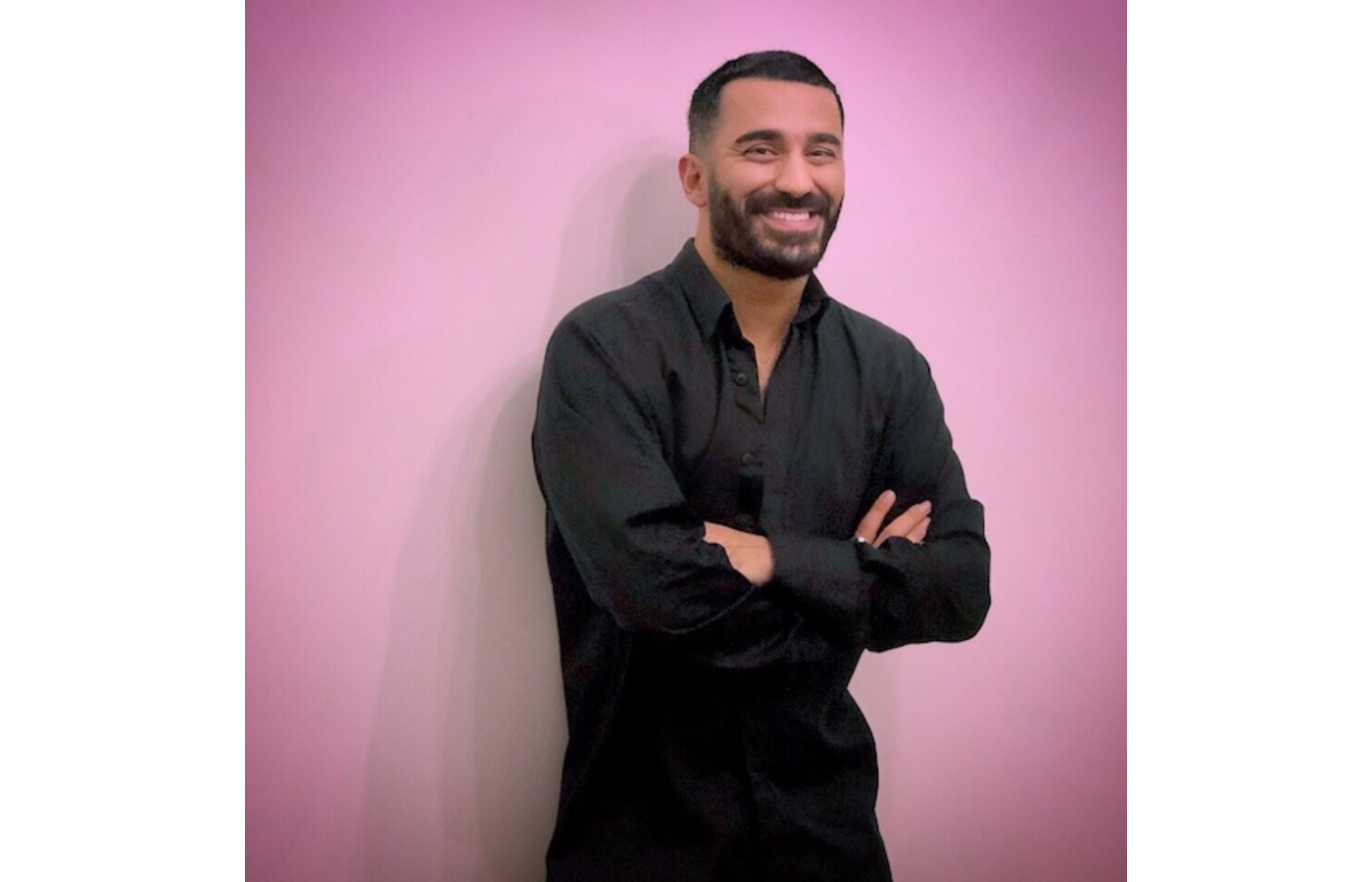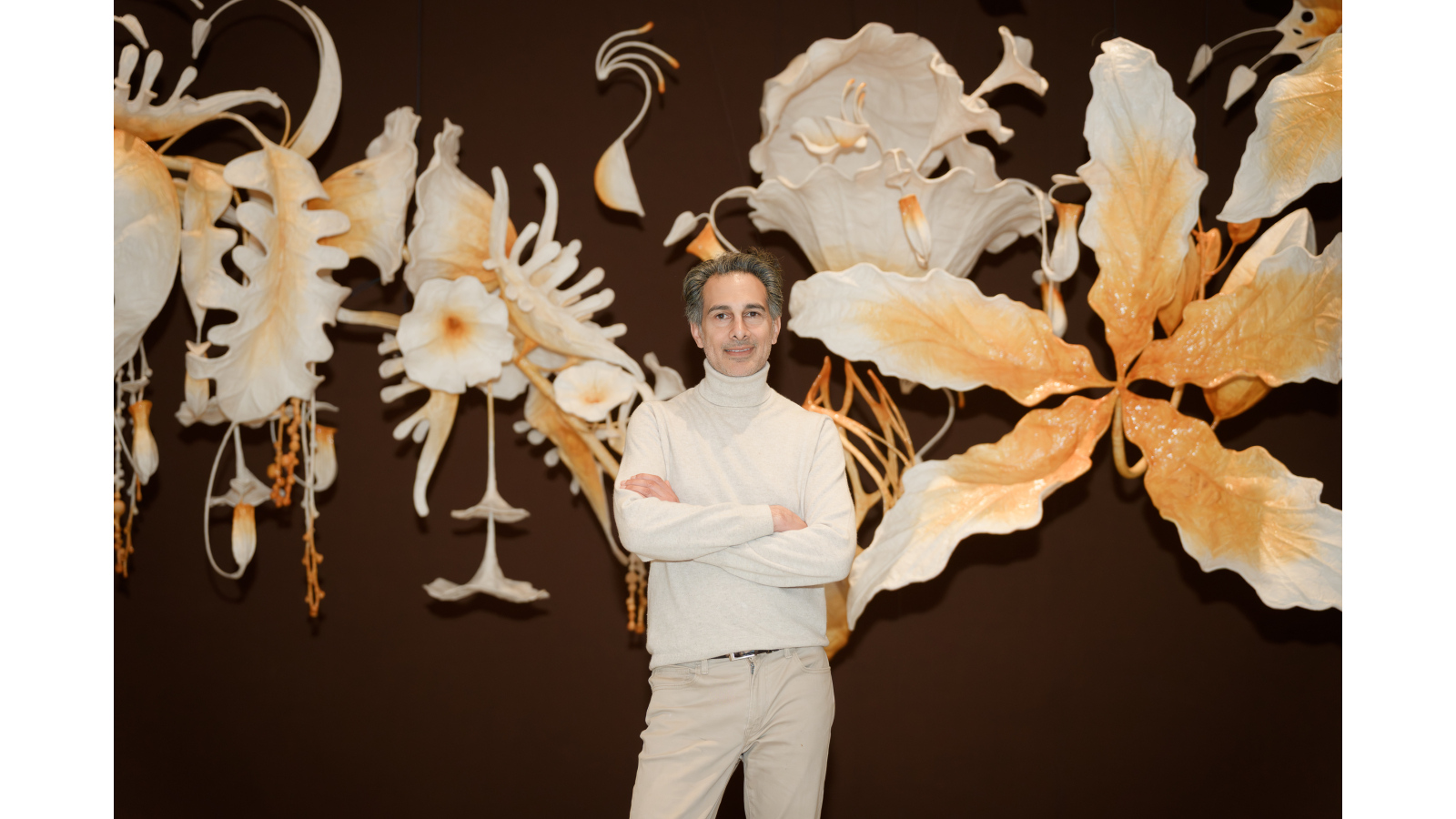
Johan Deckmann: A Danish Artist Turning Words into Uncomfortable Truths

Psychotherapist and artist Johan Deckmann sources vintage books from second-hand shops, their worn covers bearing traces of past lives—scratches, fades, abandonments. He interrupts this history with hand-painted titles in 1950s-inspired typography, pursuing dogmatic minimalism. In a flashy digital era, his work strips language bare, forging undeniable physical presence that echoes internal fragments and contradictions.

Indian Filmmaker Mozez Singh: On Risk, Reinvention, and the Power of Narrative in Cinema

From a Ranbaxy industrialist family and Doon School alum, Mozez Singh ditched finance for storytelling in New York. “Imagination is my currency,” he says, crediting childhood puppetry with pencils for his creative fire. After Tufts, unshakeable self-belief fueled seven tumultuous years to premiere Zubaan at Busan—before Vicky Kaushal’s stardom. Now, his Netflix doc Famous bares Yo Yo Honey Singh’s raw life, warts and all.

Matilde Tariello: Navigating Art, Technology, and the New Collector Economy

Born and raised amid Florence’s artistic splendor, Matilde Tariello’s passion for art blossomed early. While studying Art History and Visual Culture in London, she nannied for three magical girls, volunteered as a teaching assistant at Fulham Palace—leading children’s art labs—and interned across galleries. Post-grad, she advised on interiors before joining Artsy, masterfully blending art with digital technology for global markets.

Hanut Singh: The Intuitive Alchemist of Modern Jewellery

Hanut Singh defies jewellery norms, drawing roots from Delhi, Mussoorie, and New York to craft “well-made cocktails” of past, present, and future. A spiritual “vessel” for designs, he champions organic growth over scaling, genderless adornment echoing Maharajas, and human soul over AI. After 25 years dressing Beyoncé and Cher, his ambition burns: “Miles to go before I sleep.”

Tabarak Mansour: Iraqi Painter and The Quiet Language of Feeling and Form

Tabarak Mansour transforms anxiety into stubborn images—recurring shapes and colors—that evolve into paintings of emotional containment. Her timeless atmospheres evoke inner climates through veiled figures in boxes, balancing vulnerability with protective silence, while inviting viewers to complete open-ended meanings. She seeks deeper critique of Iraqi art beyond political frames.