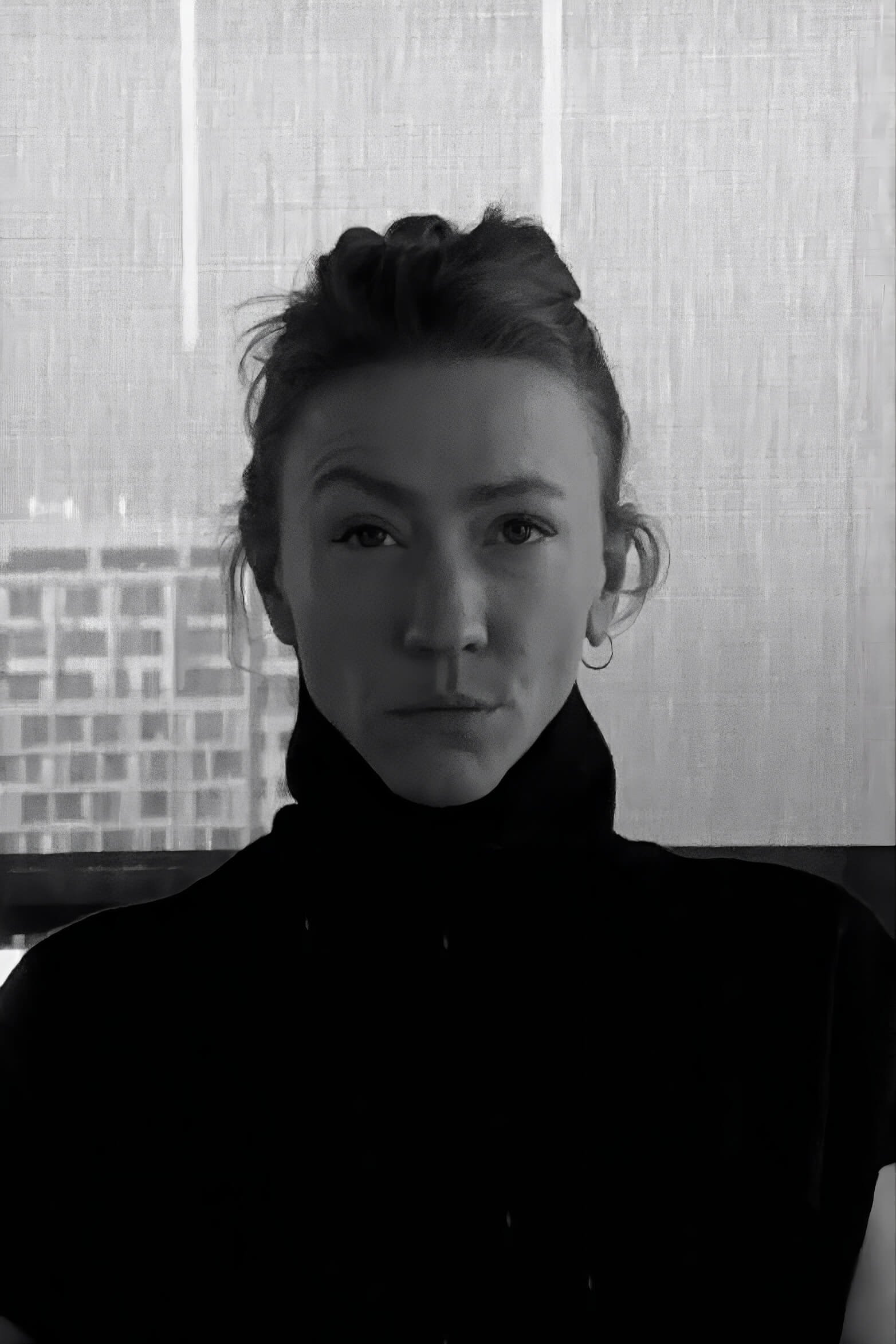
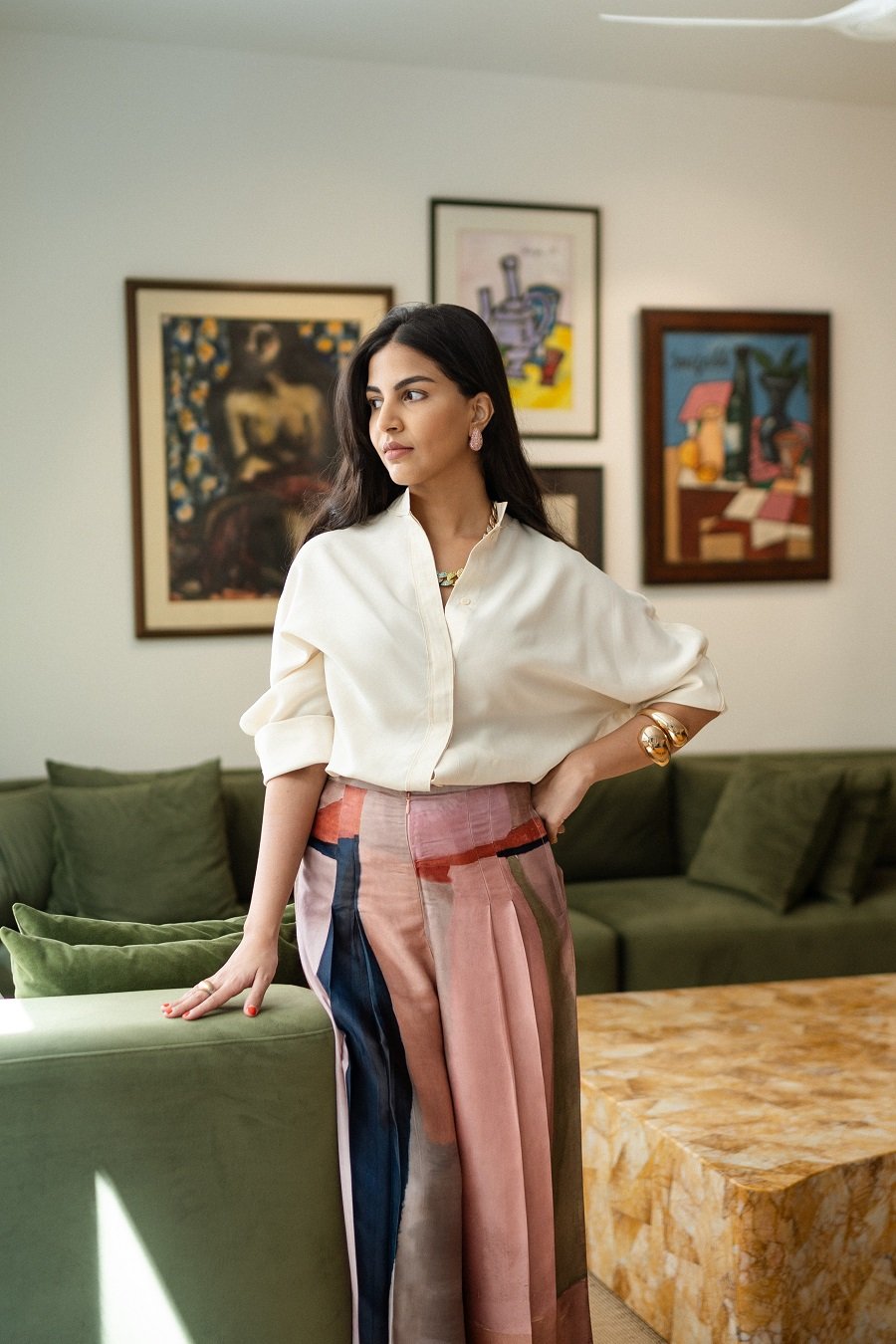
The Capitalyst: You trained as an architect at the École Spéciale d’Architecture in Paris and then at SCI-Arc in Los Angeles, where you studied under Thom Mayne, who co-founded both Morphosis and SCI-Arc itself, and whose philosophy holds that architecture should subvert traditional form in favour of design that reflects the culture it inhabits. How did Mayne’s thinking specifically alter the questions you were asking about what a building, an exhibition or a stage set is actually for?
Amine Amharech: Studying under Thom Mayne directory completely shifted my understanding of architecture. At SCI-Arc, the question was no longer simply what a space is, but what a space does. Architecture became an active system, something capable of shaping movement, perception, behavior, and emotional experience all at once. That approach fundamentally changed the way I observe the world. After those years, my perception of life itself was never the same again.
The Capitalyst: Early in your career you worked on large-scale projects involving collaborations with Bernard Tschumi and Zaha Hadid, including executing a Fiat and Chrysler village in Morocco. Those are two of the most formally radical architectural figures of their generation, and they share almost nothing aesthetically. What did working alongside those two very different design languages teach you about the relationship between a strong architectural signature and a functional brief?
Amine Amharech: Working with Bernard Tschumi and Zaha Hadid taught me that a strong architectural language never fights the brief, it interprets it, expands it, and gives it another dimension. Their approaches were radically different, yet both shared the same intellectual rigor. Function was never treated as something static or fixed, it was constantly being redefined through form, circulation, and experience. To me, this period felt less like a traditional architectural education and more like an ongoing research laboratory dedicated to architecture and spatial experimentation.
The Capitalyst: You co-founded Artspace Casablanca in December 2018 with your sisters Hind and Nawal, where Hind came fresh out of Beaux-Arts determined to open a gallery and Nawal became its director. Family creative enterprises carry a very specific kind of pressure and intimacy that institutional collaborations do not. How do you navigate creative disagreement within a family, and what does working with your sisters give the gallery that no external partnership could?
Amine Amharech: Family or not, the work has to be done my way. Period. I’ve always believed that creative direction cannot exist through compromise. Vision requires coherence, discipline, and a certain level of obsession.
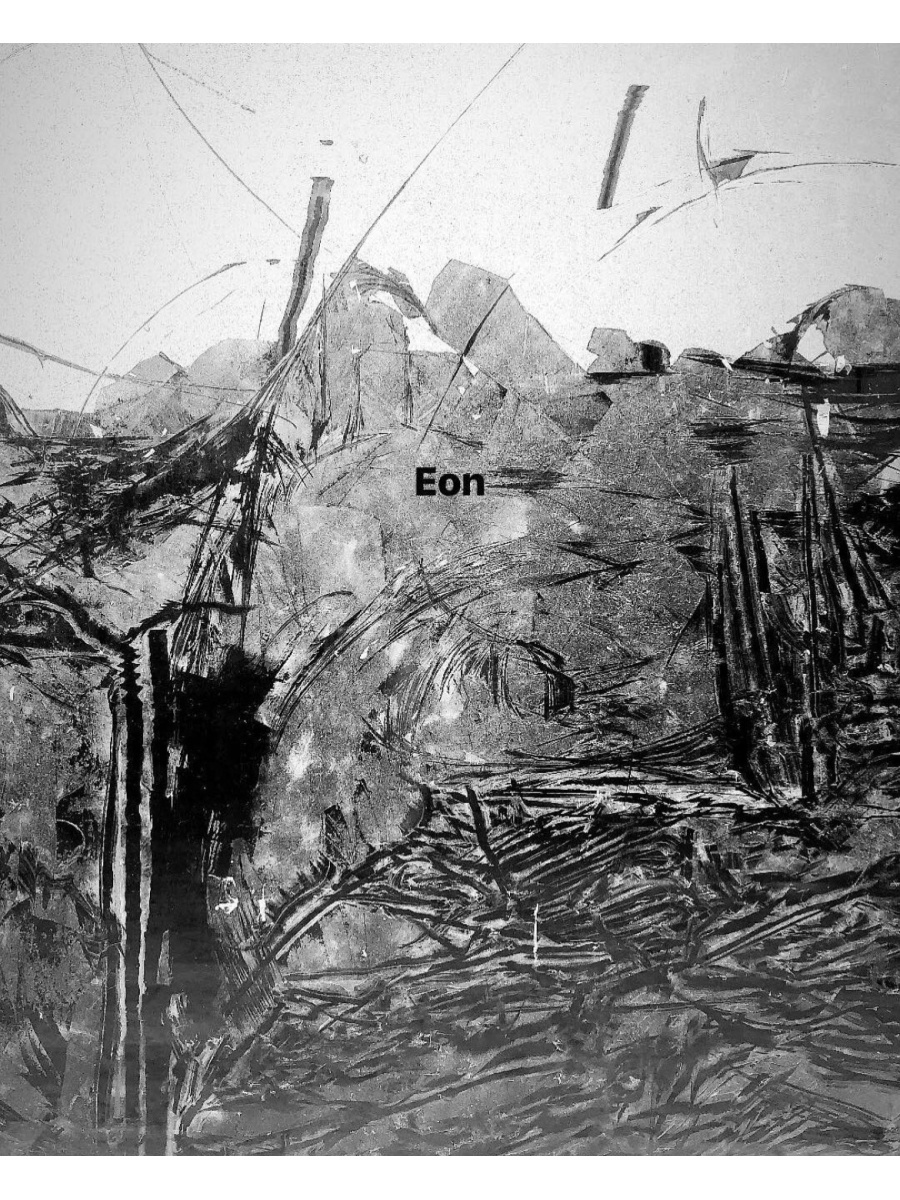
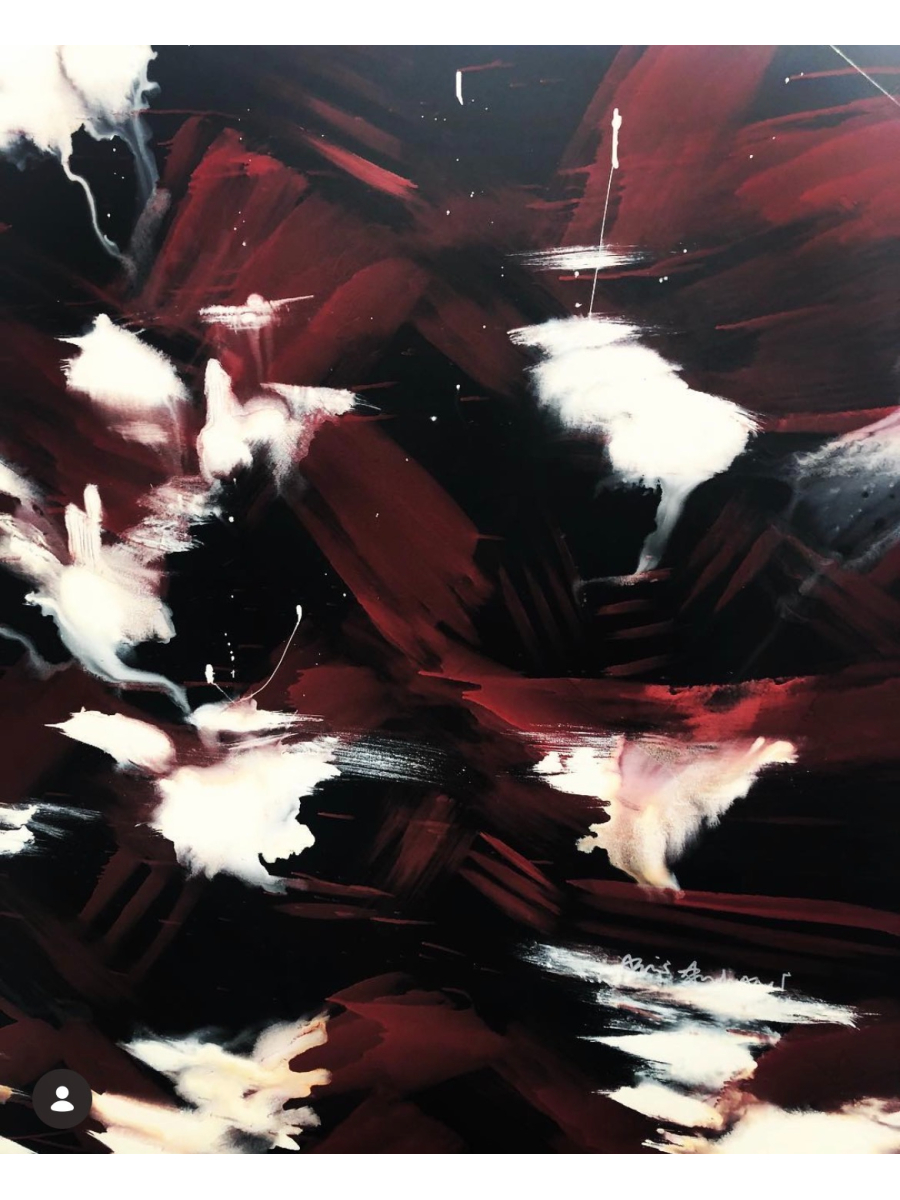
The Capitalyst: Your own artistic practice produces what has been described as volcanoes of pigment on canvas and Murano glass rocks that reflect power, works you describe as manifestos for your observations on movement. Most curators maintain a strict separation between their own artistic production and their curatorial identity. You deliberately refuse that separation. What would be lost if you stopped making your own work, and what would the curatorial practice become without it?
Amine Amharech: My own practice is where I continuously test ideas, fail, push boundaries, and eventually discover solutions. It is not a separate process from life, it is a permanent state of experimentation. That constant research became part of my identity very early on. I cannot separate myself from the way I create, observe, and question things. The experimentation itself is the practice.
The Capitalyst: You have trained since childhood in martial arts, fencing and dance, and you have said that bodies activating space is something choreographers understand that architects often forget. How has your own athletic discipline concretely changed the way you read a room, not metaphorically but physically, when you walk into a space you are about to transform?
Amine Amharech: Fencing doesn’t alter the room, it alters you within the room. It is, above all, a combat discipline. And combat disciplines do more than shape the body, they sharpen perception, anticipation, timing, and spatial awareness. You begin to read space strategically rather than passively. That said, personally, it never directly changed the way I approach architecture or interior spaces. My relationship to space was already rooted elsewhere.
The Capitalyst: You have worked across Paris, Los Angeles, New York, Dubai, Tbilisi, Casablanca and Tel Aviv, and were appointed CEO of POCHO Lab, a global art consultancy, and served as Middle East and Parisian brand consultant for In Art We Trust in 2020. Operating across that many cities and that many distinct cultural contexts, how do you maintain a consistent curatorial identity without it becoming a formula, and where has the pressure to adapt to a new context actually surprised you?
Amine Amharech: I have always done things my own way. Very early in my career, I spent years experimenting, questioning conventions, and developing my own vocabulary. Over time, those experiments became solutions, methods, and personal answers.I’ve often been told that I have a very particular taste. But taste is something deeply personal, almost instinctive. What matters to me is that people connect with it enough to live with it, collect it, and ultimately buy into that vision.
The Capitalyst: You worked on scenography for the Opera of Monaco with Sidi Larbi Cherkaoui on Memento Mori and subsequently on the Opera of Antwerp. Opera is one of the few forms where architecture, light, movement, music and narrative operate simultaneously at full intensity. Does working at that scale and that level of sensory complexity change what feels possible when you return to the quieter register of a gallery or a design exhibition, and is there a loss in that return?
Amine Amharech: The complexity remains exactly the same. The scale or typology of the space may change, but the level of involvement required from me never does. Whether it is architecture, scenography, interiors, or exhibition design, the same intensity of creativity and technical engagement is necessary. Each project demands total immersion.
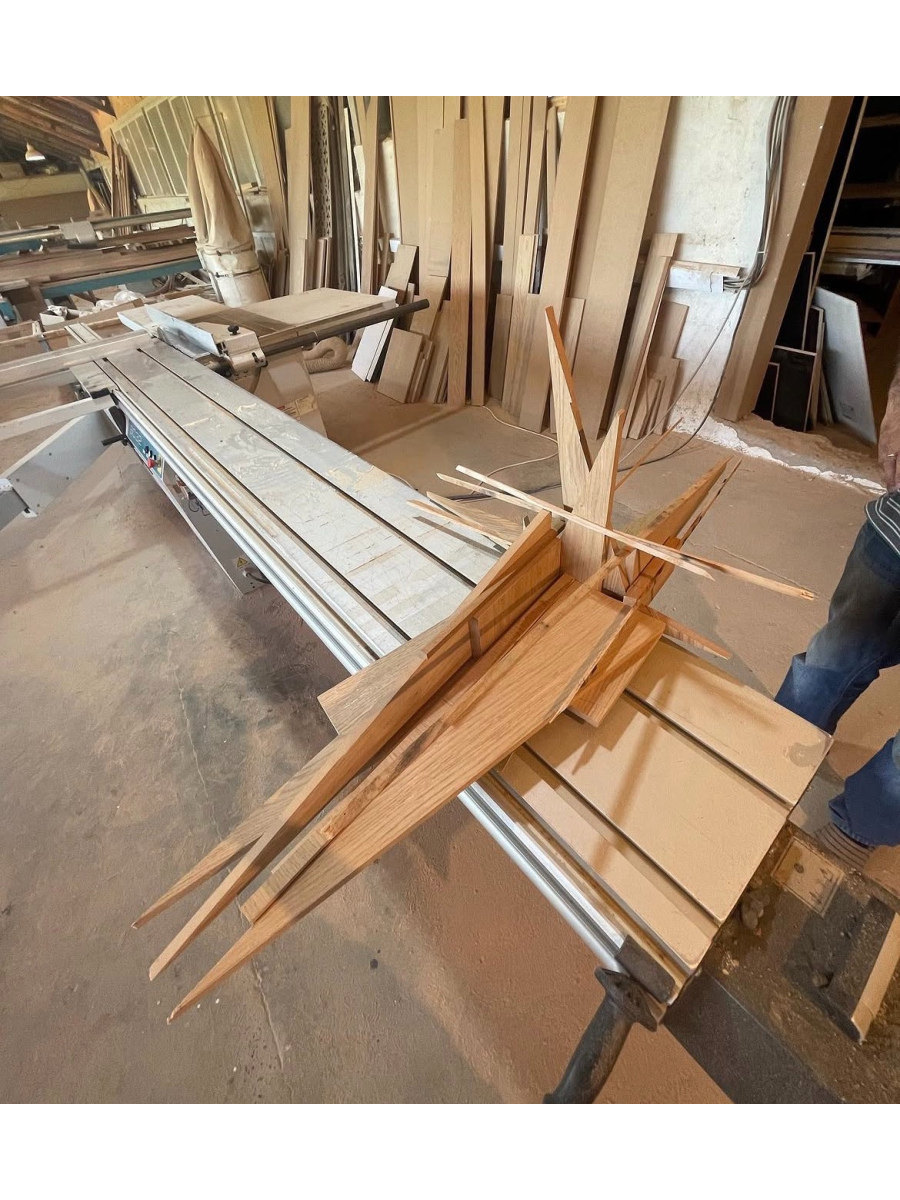
The Capitalyst: Your three exhibitions curated for L’Eclaireur Paris through 2022, including Tables: From Surface to Volume and the series involving tables, chairs and monsters, operated at the intersection of collectible design, retail and contemporary art. L’Eclaireur occupies a particular position in the Parisian cultural landscape, neither purely commercial nor purely institutional. What does that kind of in-between space allow curatorially that a dedicated art institution would not, and what does it demand from the work?
Amine Amharech: I believe certain spaces are deeply connected to the energy, vision, and people behind them. Once that disappears, something intangible often disappears with it. It’s a project of a past life for me now. Was a great elementary school though.
The Capitalyst: You have said that Morocco trained your eye through light, proportion and the quiet authority of craft, and you carry a Moroccan sensibility into everything you make. Yet your practice has been built almost entirely outside Morocco, except for Artspace Casablanca. How do you think about the relationship between being rooted in a place and building your practice in deliberate distance from it, and does that distance sharpen or dilute what you bring from home?
Amine Amharech: Artspace was only one among many projects I developed in Morocco. From architecture to scenography, from contemporary art exhibitions to highly curated VVIP experiences, the range was extremely broad. That diversity allowed me to constantly move between disciplines and scales, which ultimately shaped the way I conceive projects internationally today. It taught me how to create not only spaces, but complete atmospheres and narratives.
The Capitalyst: You now describe yourself as based in Dubai, a city constructing cultural institutions, commissioning public art and building an art market with extraordinary speed and considerable financial force, where cultural ambition and commercial ambition are often indistinguishable from each other. For a curator who thinks of exhibitions as psychological interventions and acts of resilience rather than spectacle, what does that environment ask of you that nowhere else has, and what do you refuse to let it ask?
Amine Amharech: Dubai is fundamentally different from many other major capitals because of its cultural energy and its relationship to ambition. It demands another level of excellence, precision, and execution. The UAE government has created real support systems for culture and creative industries, while the people of Dubai have developed a genuine appetite for art, design, fashion, and architecture in all their forms. For creatives, it remains an extraordinary platform, a place where ideas can evolve rapidly and where large-scale visions can genuinely become reality. It’s a city that takes a lot, and gives a lot more too.