The Capitalyst: The idea of a “modern heirloom” is central to your work. What makes an object worthy of being passed down? Is it craft, intention, material, or something else entirely?
Madeleine Kimball: The idea of a modern heirloom is something I think about constantly as I design our debut furniture collection and release my print series, Weight of Beauty. To me, a modern heirloom is an object created with the intention of longevity — something meant to live with someone for decades, not simply exist in the moment.
The finest woods, stones, metals, and textiles develop character as they age rather than deteriorate. But material alone isn’t enough. Craft matters just as much — proportion, joinery, finishing, and the quiet attention to detail that allows an object to truly endure. And beyond craft, there is something harder to define: presence. Certain objects simply feel worthy of keeping. The pieces that remain in our lives are the ones that gather memory and patina over time. A modern heirloom is designed with that future in mind.
The Capitalyst: How would you describe your design language, and has it evolved since you and Samuel first founded the studio?
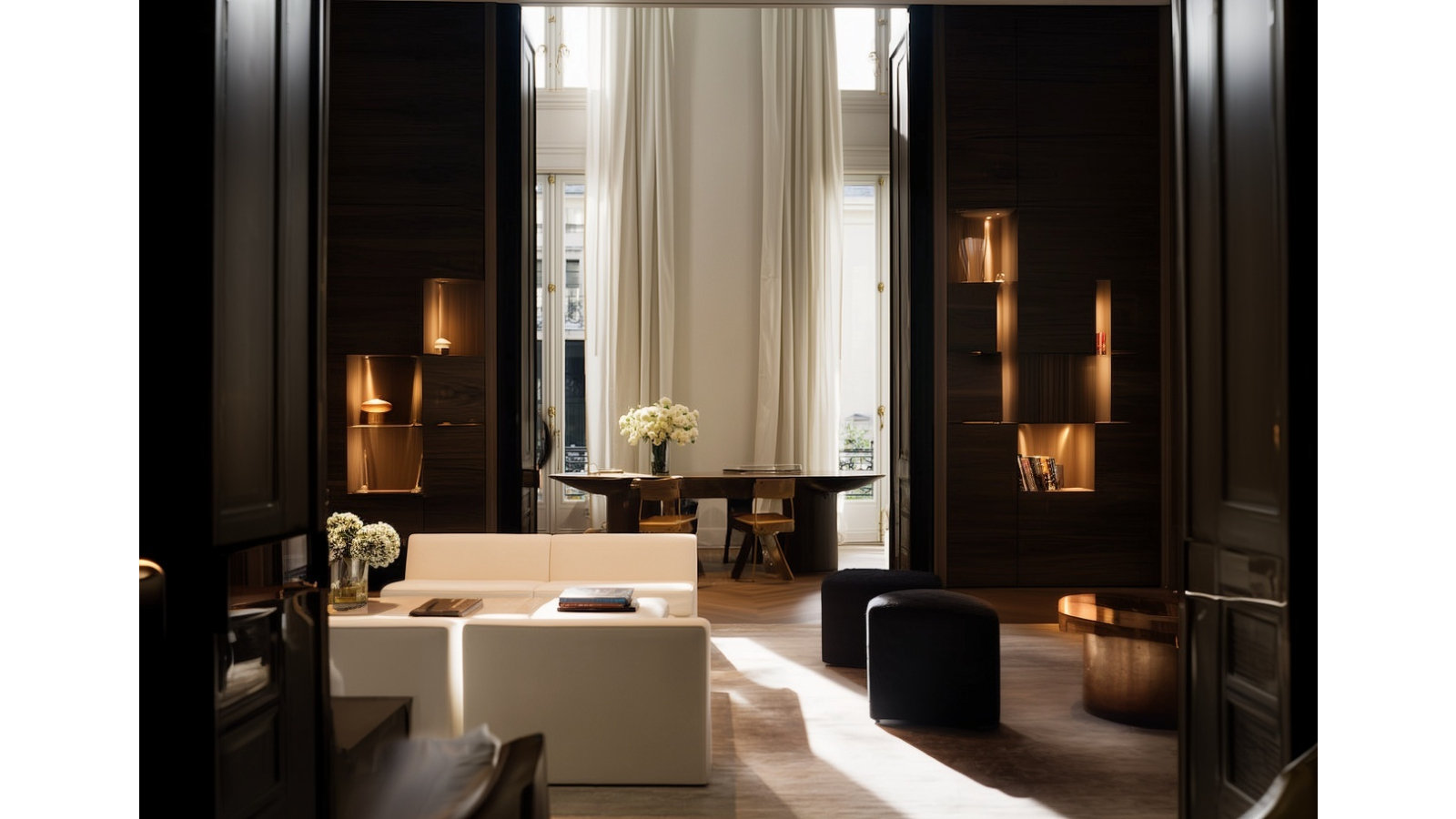
Madeleine Kimball: I would describe our design language as European, modern, and tailored, with a strong influence from French design. Our work exists somewhere between modern and classical — we’re interested in creating pieces that feel structured and timeless rather than trend-driven.
Samuel Madeleine actually began as an exploration. After nearly a decade working in the design industry, Sam and I started experimenting with some of the earliest AI design tools in 2022 and 2023. We were curious about how emerging technology could expand the creative process — allowing us to test forms, proportions, and ideas in new ways.
Since then, I’ve worked to refine our work into a cohesive visual language and brand. The result is something quite tailored — upholstery with strong structure, pieces that aren’t overly modern or trendy, but instead balance classical forms with a contemporary sensibility. There is a strong focus on elegance, clean lines, and a balance between masculine and feminine palettes.
Over time, that early experimentation evolved into a studio focused on creating modern heirlooms — pieces rooted in classical proportion and craftsmanship, but imagined through contemporary tools.
The Capitalyst: Samuel Madeleine is described as a dialogue between technology and craftsmanship, precision and poetry. How did you and Samuel arrive at that duality as the foundation for your brand, and what does it look like in practice when you are working on a project?
Madeleine Kimball: Samuel Madeleine was really built at the intersection of emerging technology and traditional design practice. Sam and I had already spent years working in design and 3D rendering, so when AI tools began to emerge we immediately started experimenting with them as part of our creative process.
Today we use AI throughout the design process. It allows us to test ideas quickly, explore forms, and imagine spaces or furniture pieces in ways that were previously much slower and more expensive to visualize. In that sense, technology gives us an incredible level of creative freedom.
But precision and craftsmanship come from the other side of the process. We’ve spent over a year refining our debut collection — changing manufacturers, revisiting prototypes, adjusting proportions, and refining details. We don’t settle easily. Every decision, from materials to joinery to finishing, matters deeply to us.
And then there is the poetry. The feeling a piece gives you–Each object we bring to market should feel like more than furniture. It should feel like a piece of art — something with presence, something worth living with for decades.
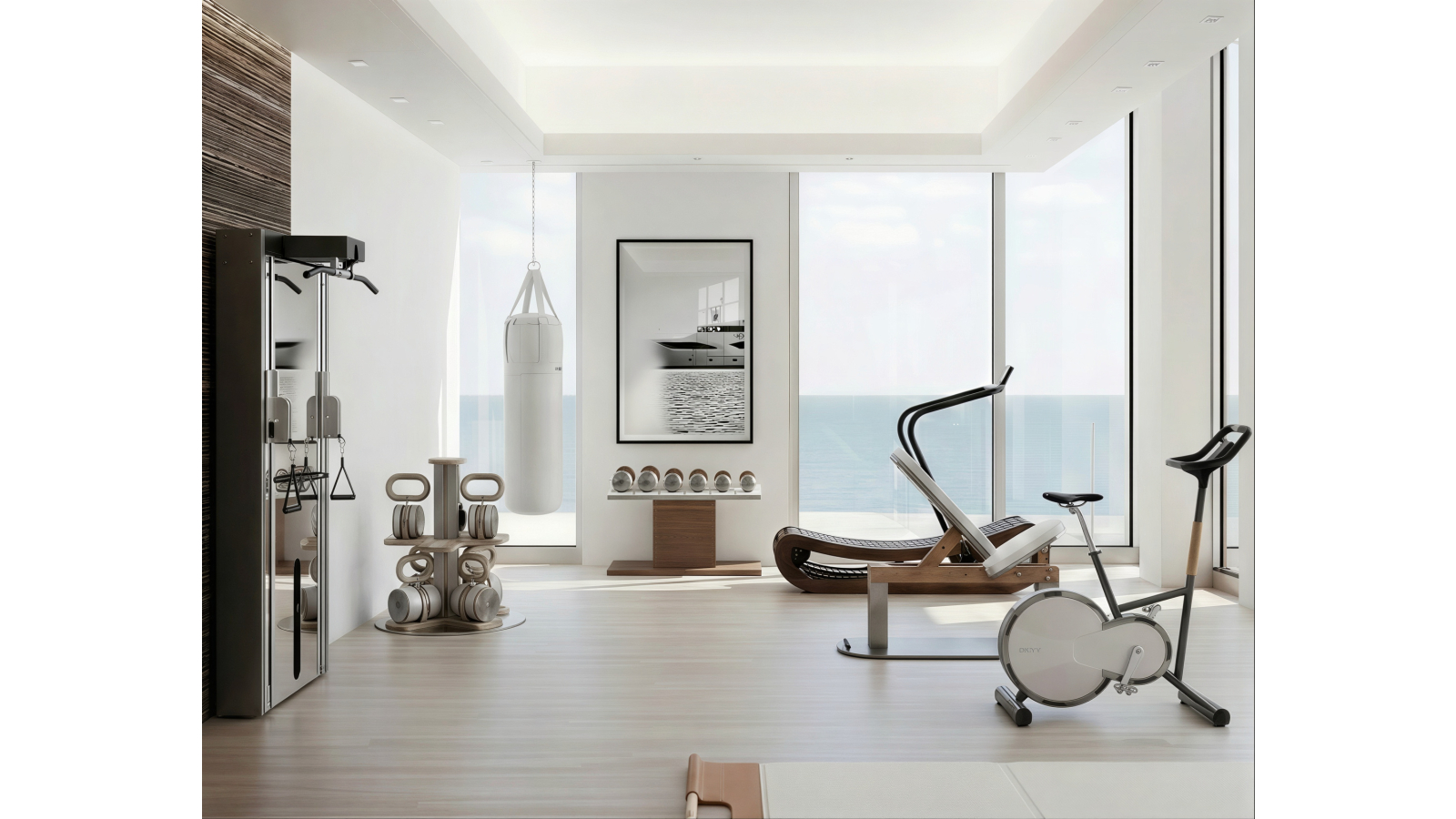
The Capitalyst: Your sister company, Sportova, sits at the intersection of design, architecture, and performance, bringing refinement to fitness environments. How do the two brands speak to each other? Is there a shared philosophy running underneath both?
Madeleine Kimball: Sportova was created to bring the same level of design attention we give to the rest of the home into the gym. No one wants to spend time in a space that feels cold or uninspiring — a gym should make you want to be there.
Fitness has increasingly become part of people’s lifestyle and daily environment, and we saw an opportunity to bring a sense of luxury and thoughtful design into that space. When we were introduced to several luxury fitness equipment brands from Europe, we brought them together under one roof and paired them with our own design perspective and experience.
There is definitely a shared philosophy between Sportova and Samuel Madeleine. Both brands are rooted in European design principles, luxury materials, and a strong respect for craftsmanship. You’ll see that in the use of woods, leathers, clean architectural lines, our signature French paneling, and details like chevron wood floors.
There is also a natural dialogue between the two brands in the spaces we design. For example, we often incorporate prints from my Weight of Beauty series into our Sportova gym designs, bringing art from Samuel Madeleine into the fitness environment.
Ultimately, both brands are about the same idea: creating environments and objects that feel refined, luxurious, and beautiful to live with.
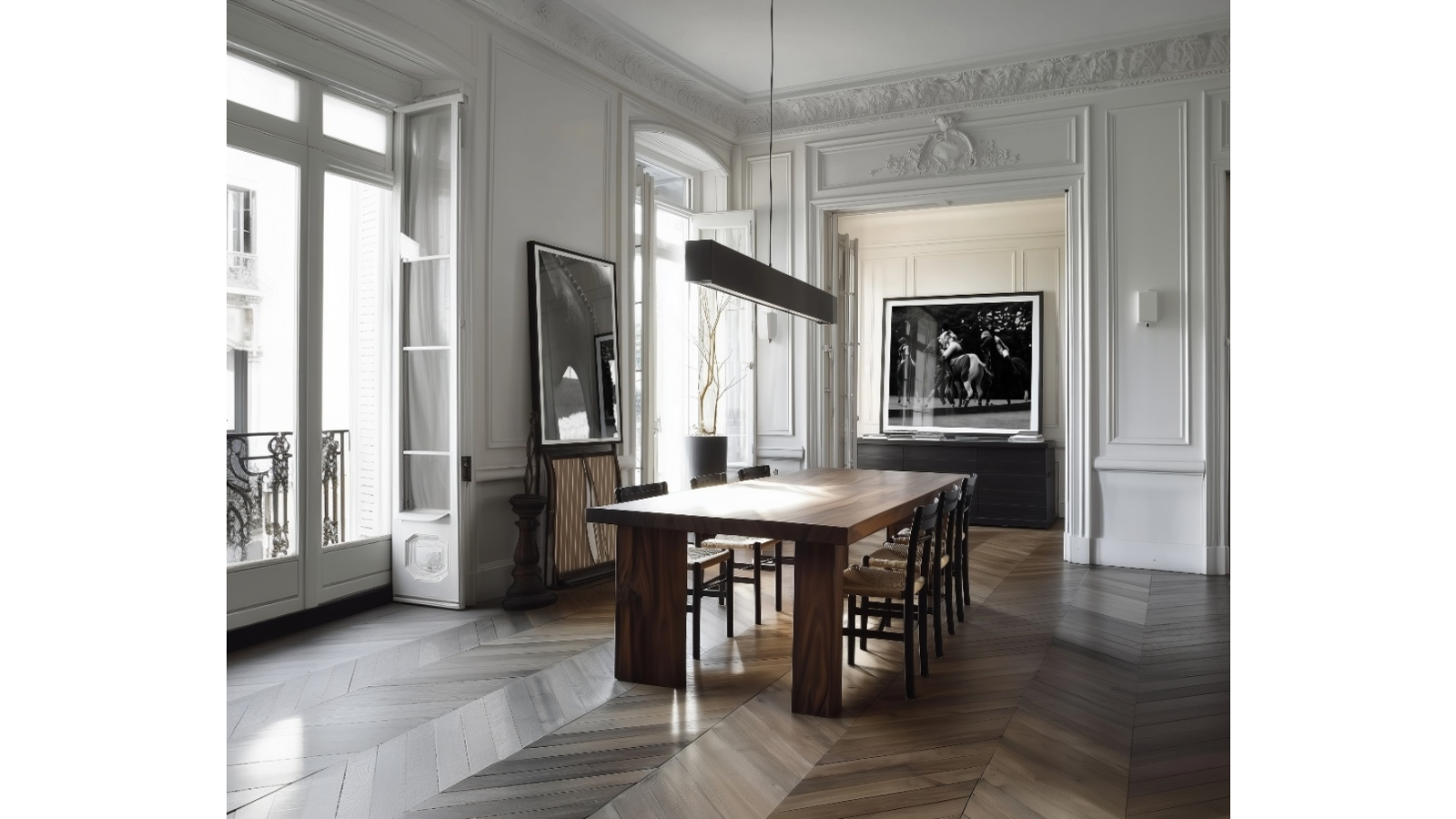
The Capitalyst: With Frameshift AI integrated into your workflow, how is technology transforming your approach to interiors and spatial design? What can AI do that the human eye cannot, and where do you draw the line?
Madeleine Kimball: Frameshift has been huge for both companies. It has transformed the way we think about interiors and spatial design. We’re able to take products we are creating for Samuel Madeleine, as well as Sportova equipment, upload those product images, and place them directly into rooms and floor plans within Frameshift. We can move pieces around, test layouts, and visualize an entire environment very quickly.
For Sportova in particular, it has been a game changer when proposing gym designs to clients. We can show how equipment will actually live within a space, allowing clients to understand the design much more clearly before anything is built. It has saved us countless hours and thousands of dollars that would have previously gone toward traditional rendering and visualization.
I also use the Studio tool in Frameshift quite a lot. I often take images I generate in Midjourney and swap in products from our upcoming Samuel Madeleine collection or prints from my Weight of Beauty series. It allows me to place our work directly into environments and refine the imagery in a way that feels much closer to a real interior.
But AI still relies on human judgment. It can generate possibilities and accelerate visualization, but it doesn’t understand proportion, atmosphere, or taste the way a designer does. That’s where we draw the line — AI expands the creative process, but the final decisions always come from the human eye.
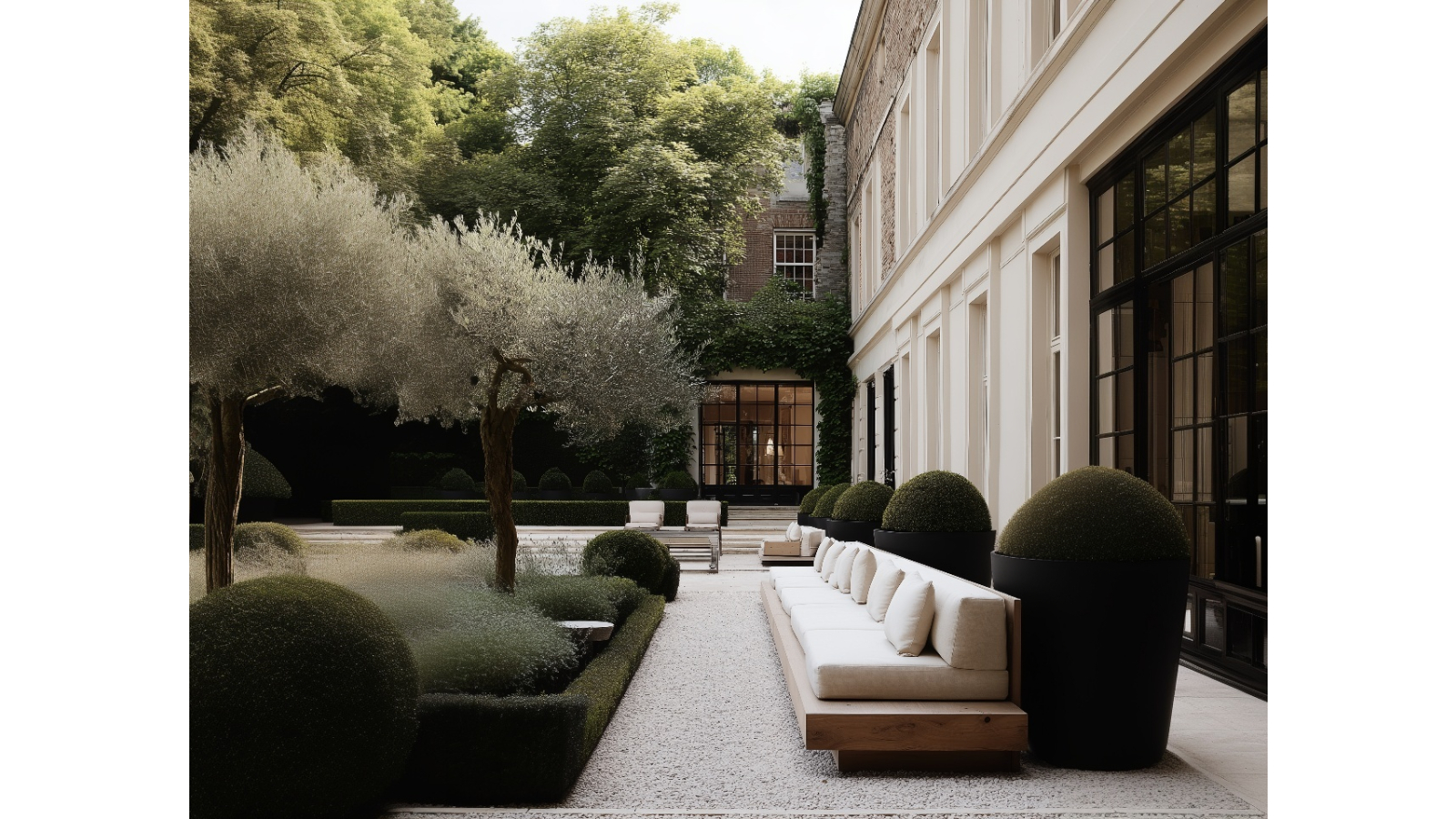
The Capitalyst: How do you infuse personal storytelling and history into your work while maintaining universal appeal for clients?
Madeleine Kimball: My personal inspirations — European interiors, modern forms, antiques, and classical proportions — naturally shape the way I design. I often begin by imagining who might be living in the spaces I create. I think about the environments and places that shape a certain way of living — Paris, Geneva, Milan, Lake Como, the South of France, New York, and Aspen.
Each of those places carries its own atmosphere, architecture, and rhythm of life, and that naturally influences the materials, proportions, and overall feeling of the space.
While those references come from my own interests and experiences, the goal is always to create environments that feel timeless and adaptable. When design is grounded in proportion, craftsmanship, and thoughtful details, it can carry a sense of story while still feeling universal.
The Capitalyst: How do you hold creativity and motherhood together without one swallowing the other? What does that balance actually look like in your daily life?
Madeleine Kimball: That’s a difficult question, because in many ways I do feel swallowed up by both — but in the best way. I love being a mother. It’s the most incredible gift in the world, and I’ve never had more fun in my life than raising my daughter with my husband. At the same time, my passion for design lights something inside me that feels inseparable from who I am. My work feels like fuel.
Before I had my daughter, I read an excellent book by Erica Komisar, Being There: Why Prioritizing Motherhood in the First Three Years Matters. It had a big influence on how I approached this stage of life and reinforced how important those early years are for children to spend primarily with their mothers. Before she was born, I already knew I wanted to stay home with her during these early years. She is my top priority. My work comes second.
For me, the reality is that it’s less about balance and more about priorities. I’ve heard many people say that true balance doesn’t really exist when you’re raising young children, and I tend to agree. Instead, it’s about being very clear about what matters most and structuring your life around that.
I also try to stack things where I can. I exercise with her, cook with her, and sometimes do creative work while she’s playing nearby. During nap times I rarely do anything but work, and once she goes to bed at night I’m usually working again. Right now my world is quite focused: my daughter, my marriage, and my work. There isn’t much room for anything else. You have to choose your priorities, and you can’t have everything at once. There are sacrifices that come with that.
I move slower with my work right now, and I’ve pulled back from many things I might otherwise pursue. But the creator in me keeps pushing forward — designing, building, and creating. I’m in the grind years right now. I’m often exhausted, but I wouldn’t have it any other way. I live for it.