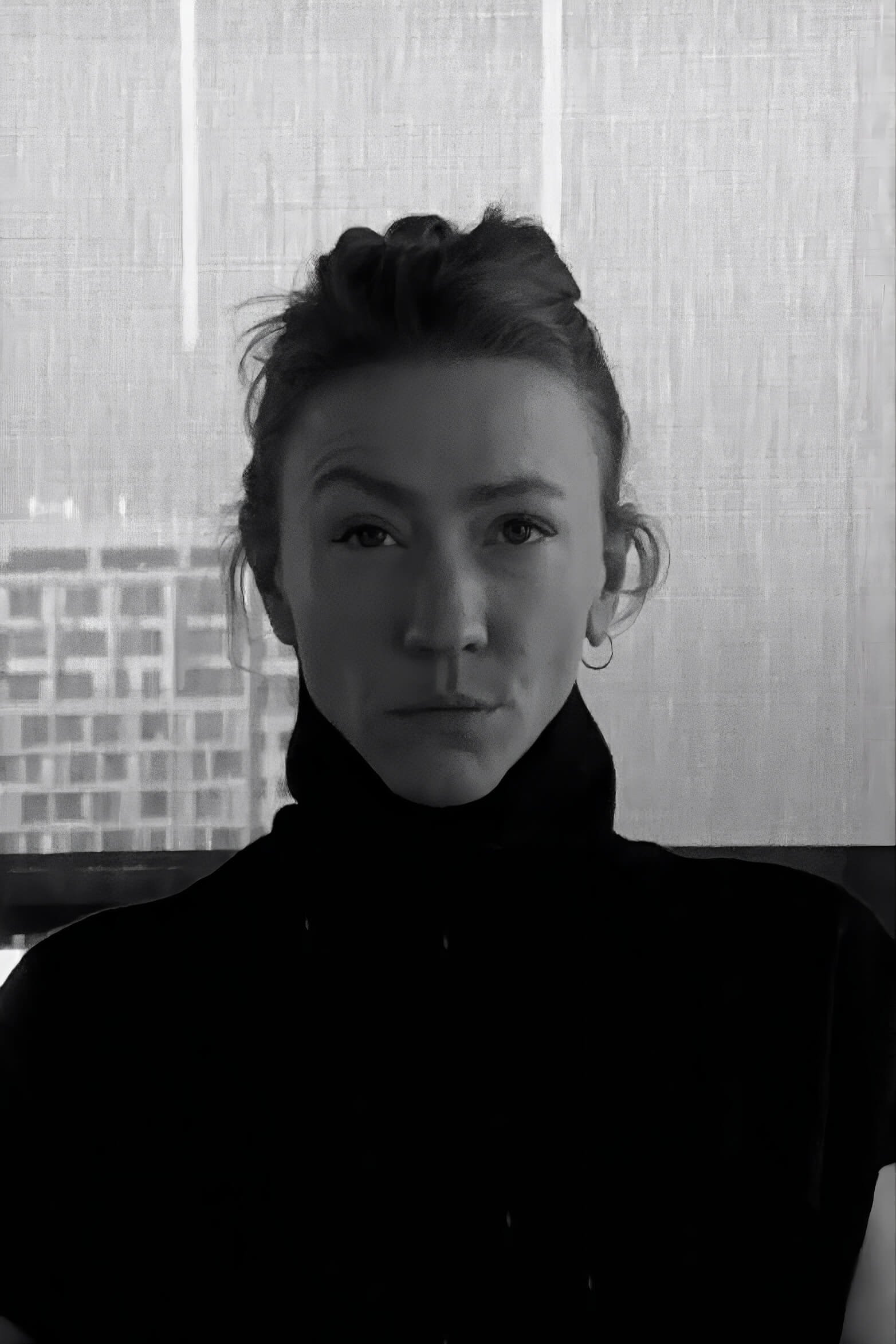
The Capitalyst: You grew up in Delhi in an industrialist family, your grandfather was the founder chairman of Ranbaxy, you studied at The Doon School, went to Tufts University, and then found yourself drawn entirely away from banking and finance into music videos in New York City. At what exact moment did you realise that storytelling had overtaken every other ambition you had, and was there anyone in your life who genuinely thought you were making a mistake?
Mozez Singh: I have been writing since I was a very young child. When in Doon, I wrote for the weekly magazine every single week that I was there, which was 6 years. I went to Doon when I was 12. Nobody asked me to do it. I wrote because I was propelled to write. And it was all creative writing, all storytelling. I also used to have pencils sharpened at different heights. I would be their puppeteer. I would make them into different characters in my head, the men were the taller pencils, the women where shorter and the kids the shortest, and give them all different voices and then create stories with them. All of this was ingrained in me from birth. But I just never ever looked it as a career choice, even though I was passionate about all these interests and I was crazy about the movies and about reading books. All of them really fired up my imagination and I’ve always been very tantalised by the magical alchemy of imagination. I feel blessed that imagination is my currency. Something so precious and sacred about it.
When it came to time to finally start working after graduating from University, I realized that there was nothing else I wanted to do. My passion had to be my career. And I was very fortunate that I was never discouraged from following this path. My parents completely encouraged me to follow my dreams.
The Capitalyst: You spent nearly nine years making Zubaan before it opened the 20th Busan International Film Festival in 2015 as the first Indian film ever to open that festival, and you won the Rising Director Asia Star Award there. Nine years is an enormous amount of patience and faith for a debut. What kept you going during the years it looked like it might never happen, and what did that premiere night feel like after all of it?
Mozez Singh: What kept me going through those years, (7 not 9) was this unshakeable belief that I would do it, that I would make Zubaan. I was just really sure of it. Self-belief and deep faith made me reach the finishing line. But it wasn’t always easy. It was actually very tumultuous, swinging between hope and despair, but the moment I shifted the narrative in my head where I transformed the notion from this being a struggle to it being some kind of grand life adventure, the game changed, for me. I began to enjoy the journey and the more I enjoyed it, the more resolute I became about making Zubaan and the more things started to work in my favour. A positive mindset is the fuel. In retrospect, I’m grateful for this experience. It moulded me. It showed me the power of resilience, perseverance and manifestation.
Zubaan’s World Premiere in Busan was a surreal experience. Zubaan was the festivals opening film that year and it was the first time in the history of the Busan Intl film Festival that an Indian film had been selected to Open. The audience size was 5000 people. The Busan film festival opening film has the largest audience out of any film festival in the world. So to have my film screened for this massive crowd of people for the very first time in this way- it didn’t feel real. It felt wild. And deeply humbling.
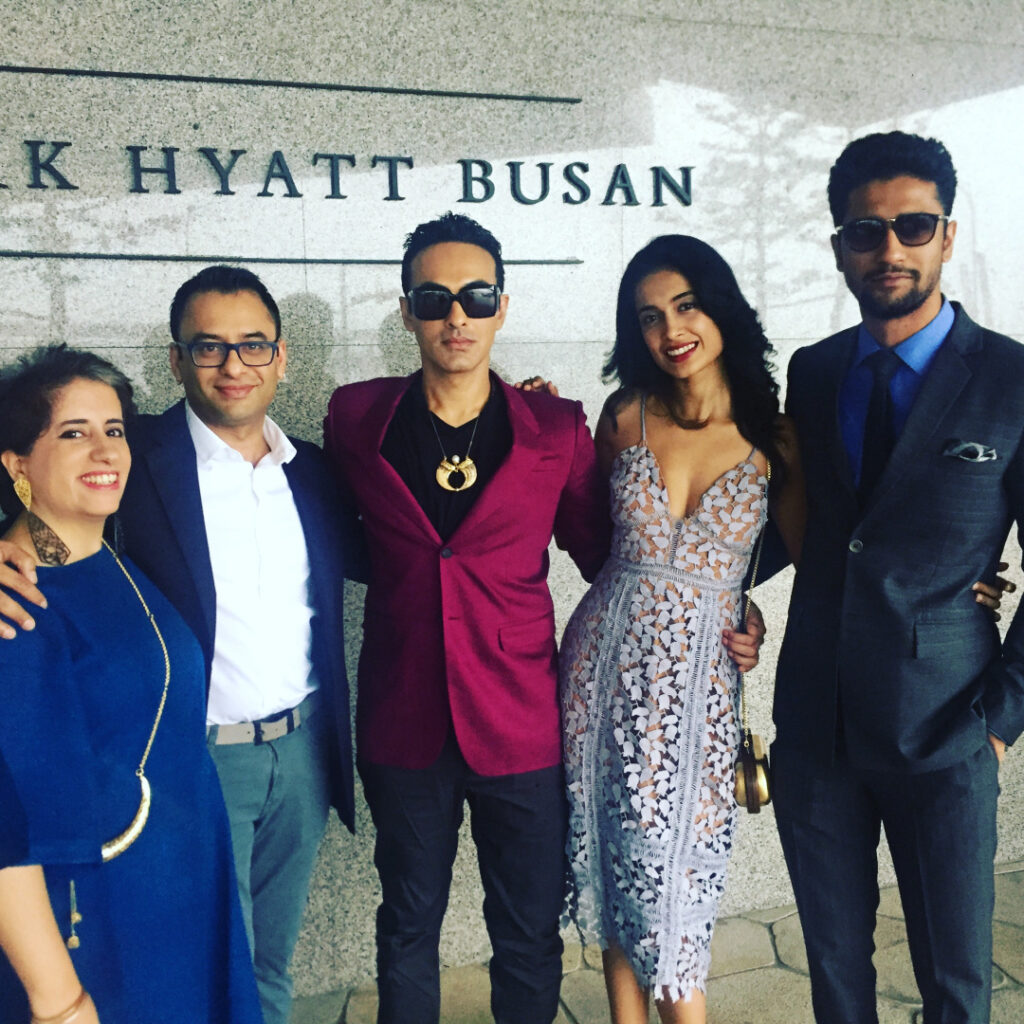
The Capitalyst: You cast Vicky Kaushal in Zubaan before the world knew who he was. You have said that if you had not found him, you do not know if you would have made the film. What did you see in him that convinced you, and watching where his career has gone since, does it feel like exactly what you expected or did he surprise you?
Mozez Singh: I don’t think I will ever forget the first time I met Vicky. He came into the audition, sweet, sincere and humble, and then he suddenly transformed when I said “action”. He was absolutely brilliant, electrifying. He nailed the scene, the character in nanoseconds. I still get gooseflesh when I remember the moment that I had found Dilsher, the lead in Zubaan. It was very euphoric, because I knew then that this film is happening, no matter what. Once he came along, all the pieces fell into place. Zubaan became a reality. I’m so grateful that he came into my life. It was a gift.
Vicky is an exceptional actor. He has deep empathy and very sharp emotional intelligence. I’m not at all surprised by his success. But this is nothing. He will scale much higher heights. He’s only just begun. And, you can mark my words.
The Capitalyst: You co-produced Peddlers, which premiered at Cannes, and you have been connected as a producer to films that went to Toronto, Venice and Busan before you became a director. Most filmmakers move from directing toward producing. You did the reverse. What did producing teach you about directing that you could not have learned any other way?
Mozez Singh: I was living in New York City and working as a junior producer at a record label. And I had always been writing. So when I moved to Mumbai and started my journey here, being a writer- producer seemed like the most natural way to move ahead. That’s where all my experience was. At that stage, I did not ever think that I would be a director. Being a director happened organically and by chance. I was asked to direct a music video and I was completely unsure about it, but I also felt drawn to the idea of taking the risk and pushing my creative boundaries. And for me, anything that really scares me is the thing I must confront and do. I am so glad I made this choice. The moment I said “action” for the first time, it felt like a homecoming. My entire life started to make sense to me. It was like having an epiphany.
Because I write produce and direct, I’m able to look at any scene, any situation, from all 3 lenses, and this is an expansive way of thinking. It also allows me to empathize with the script, with the producer and with my own work as the director. I can mould and adjust myself and my vision, keeping the challenges in mind. I like to work in a production friendly way, but without compromising on the story or the craft, and yet making it completely efficient for the producer. It’s always a tough balancing act but it’s an exciting challenge, the marriage of creativity with commerce.
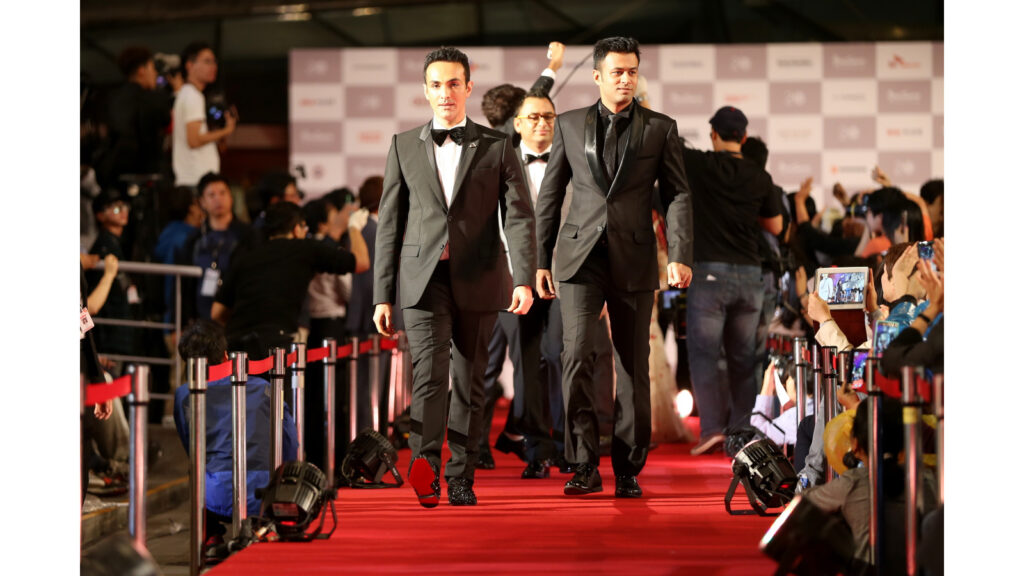
The Capitalyst: Human on Disney Plus Hotstar was a medical thriller about illegal drug trials in India, co-directed with Vipul Shah, co-written with Ishani Banerjee, and starring Shefali Shah and Kirti Kulhari. You have said that what began as a film script gradually demanded to become a series because the subject needed more room. How do you know when a story is too large for one format, and what does it actually feel like to make that call mid-process?
Mozez Singh: When Mr Vipul Shah offered me Human, he gave me a film script to read, which he wanted me to direct. I wasn’t very excited about the script the but the whole concept of human drug trials really gripped me. The story of Human the series started to emerge in my head at that point. I knew that what I wanted to say was much more vast and I told Vipul sir right away. He was very supportive, and encouraged me to go ahead with it all. There was no issue. It was smooth as silk.
The Capitalyst: Netflix approached you to direct the Yo Yo Honey Singh documentary Famous, which premiered globally on December 20, 2024, produced by Oscar-winning Sikhya Entertainment. You have said you were initially uncertain because you had never made a documentary. What finally convinced you to say yes, and what was the single hardest thing about working in a form where you cannot control what your subject reveals or withholds?
Mozez Singh: A few things convinced me to say yes. I never really want to repeat myself as a film maker. I don’t want to keep making the same thing or even similar things again and again. There are billions of different stories to be told, so why should I ever limit myself to one thing? I find the idea suffocating and stagnating. Famous would be my first attempt at directing something on this scale which was non-fiction, a genre of filmmaking I had never attempted. I found myself being exhilarated and scared of taking the plunge, and so I jumped. The thrill of leaping off the cliff is what excited me.
But another big reason was Honey. He has such an incredible life story, and I was very intrigued by him. The opportunity to document the life of a living pop icon, warts and all, really mesmerised me.
And I think when you create an ocean of trust between the subject of your film and you, everything is eventually revealed. Honey never held back. He revealed himself to me in so many ways. He was amazing. He is amazing. He is always his own person and he’s really fearless.
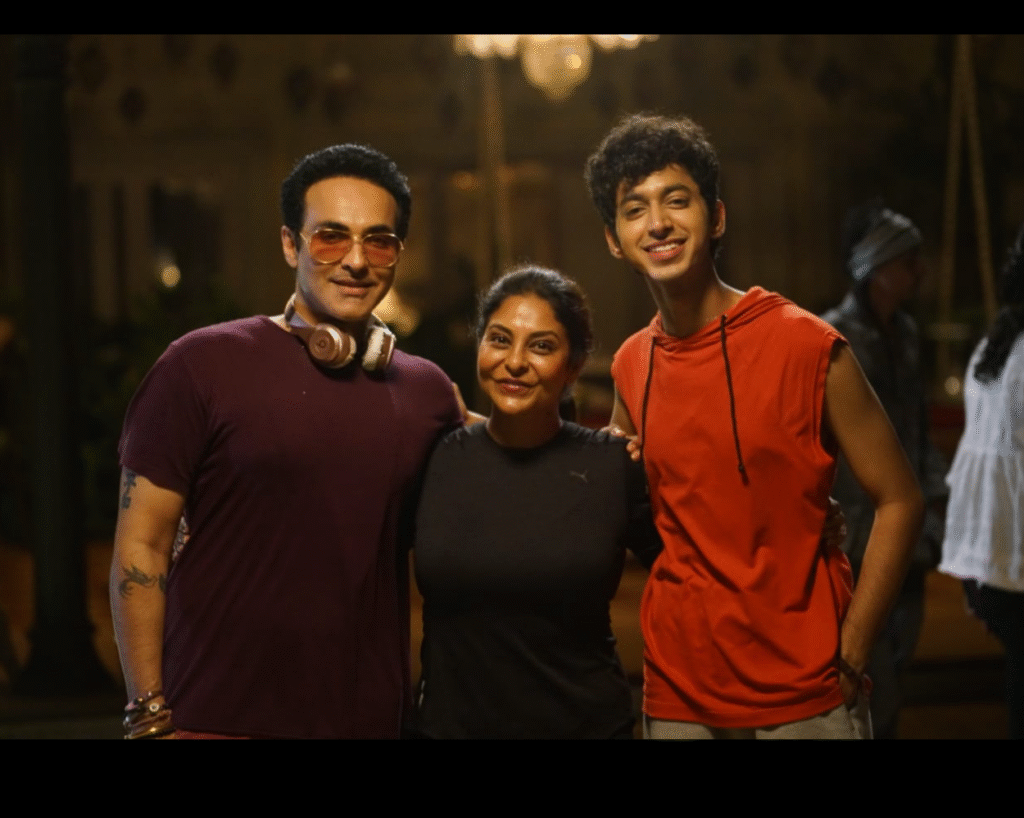
The Capitalyst: Famous covers genuinely difficult territory including mental health, addiction, and legal troubles, and you built trust with Honey Singh over an extended period to access that material. His former wife declined to appear on camera, which shaped how those parts of his life were presented. How do you maintain your duty to the audience’s understanding of a story when the people at its centre have the power to decide what stays in the frame?
Mozez Singh: There was never any moment in the making of Famous where Honey held things back or instructed us to remove something from the film. Not once. When Honey watched the final cut for the first time, he didn’t ask for a single change. He was very noble about the fact that if he is has shot for it, then he is giving us the power to use it, and he never wavered from that. We made this film very collaboratively. I told him this the first time I met him that I was going to make a deeply personal and raw film on him and that I was keen to explore all the sensitive and difficult areas of his life, because I was only interested in showing the real Honey. He was Ok with everything.
Also, his former wife didn’t decline to appear on camera. We never once approached her, only because they had reached a settlement in court which included them having a gag order on each other. And because of this we never approached her. Netflix, the producers and I were very clear about the fact that if we can’t get her on camera, then we are not going to talk him about her too, beyond the basic points. The divorce is featured in the film, but not his or her take on it. We left that to the audience to decide.
The Capitalyst: AI is now being used in Indian and global cinema for everything from de-aging actors to generating visuals and even writing scripts. As a filmmaker who has worked across feature films, streaming series and documentary, where do you see AI genuinely helping the craft and where do you think it risks damaging something that cannot be replaced by a machine?
Mozez Singh: AI has to be used collaboratively. It definitely cannot be denied but neither does it have the power to replace the most quintessential thing about human beings- our humanity. So the best way forward would be to find ways to make it work for us. We need to co-exist with AI, and I’m sure we will find a way. Especially in film.
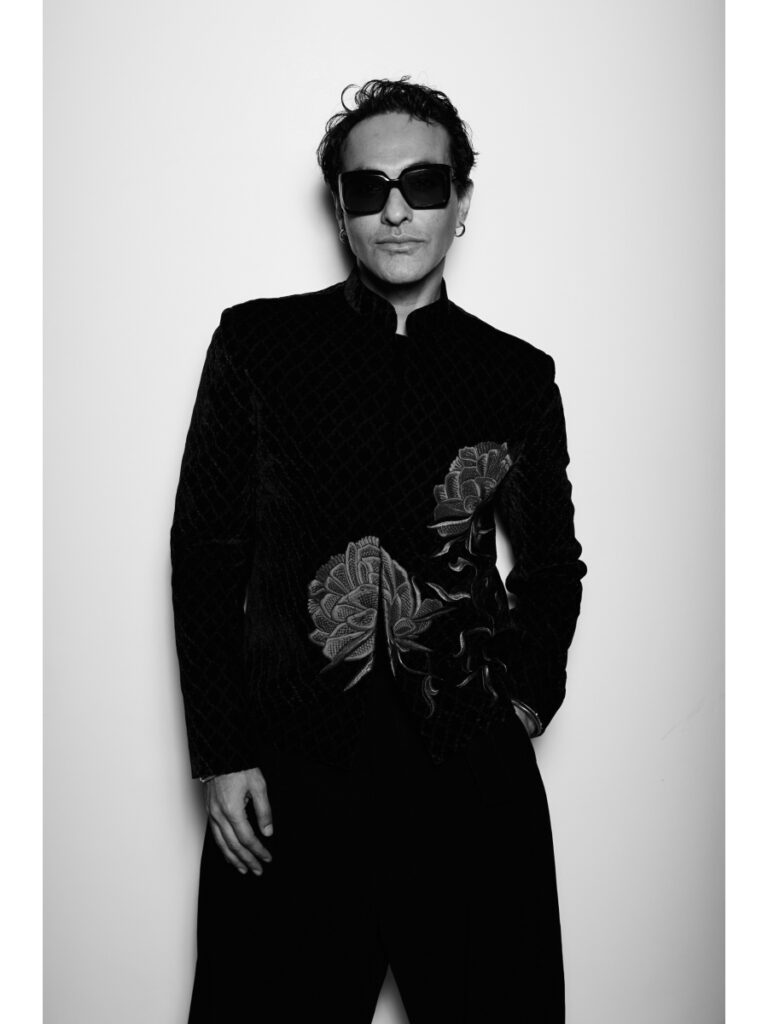
The Capitalyst: You have described yourself as someone for whom music, fashion, travel, spirituality and beauty in any form all bring joy. Your Mughal Pop design line won Best Furniture Design at the Elle Decor International Awards 2012 and retails through Good Earth. You co-authored a bestselling coffee table book on Jaipur. Most filmmakers keep their creative life tightly focused. Why do you resist that kind of narrowing, and do those other practices actually make your filmmaking stronger?
Mozez Singh: I have many loves and passions that feed my soul, but storytelling is at the pinnacle and in order to serve this desire, everything that I do ultimately feeds that. Whether its books, furniture or films, I’m telling a story. Every experience only enriches you and I do aspire to live a big and eclectic life and every experience that I have hones my ability as a film maker, because it teaches me something more about Life. Life stories.
I’ve had no formal training in film making . No education or even assisting someone else. I’m self-taught. And all my learnings have come from just being a student of life and by never saying to no anything that could satiate my creative hunger or teach me something new. I’m always open and excited to dive into things and to learn from them. Creative expression cannot and should not be reigned-in or denied. I want to be multi-faceted. I’m an octopus. And I work hard to be one.
The Capitalyst: You have now made a feature film, a major streaming series, and a Netflix documentary, each in a completely different form. What is the project you most want to make next, and is there a story you have been carrying for a long time that none of your previous formats has been quite right for?
Mozez Singh: I write all the time. In the last 2- 3 years, I have developed 6 different scripts and story ideas. An action adventure, a sci fi thriller, a costume and music extravaganza, a gritty serial killer thriller, a political satire and a revenge love story with dance and combat. They are all very different from each other, and completely different from what I have done before. No repetition. Right now, these are the stories I want to tell. Tomorrow it will be something else. The stories never stop coming, because imagination and curiosity cannot be contained. And so, I stay inspired. And utterly awed.