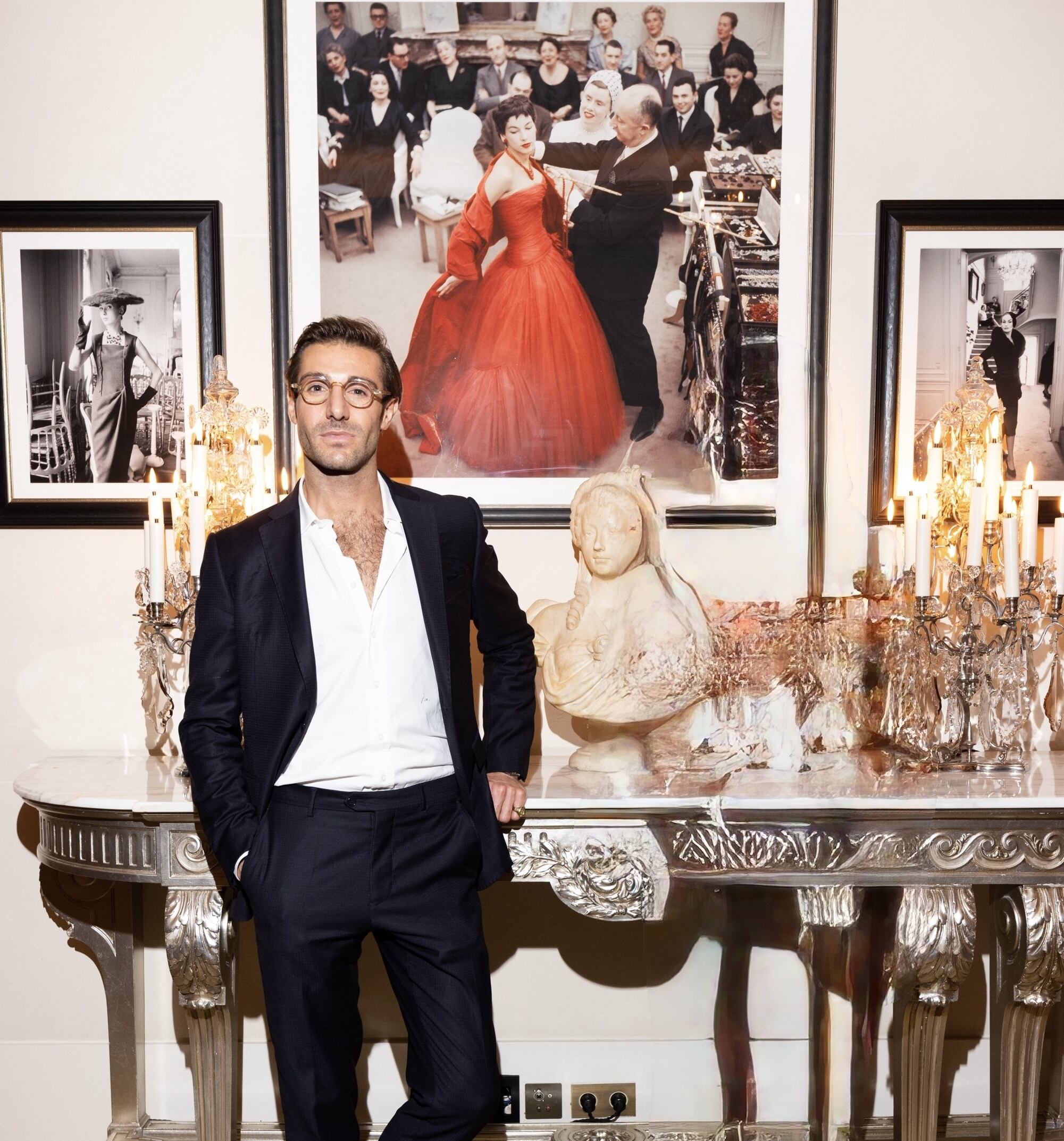
The Capitalyst: Your academic background in Law, followed by a specialisation in Art Law, and your experience leading communications and marketing for major art galleries, reflect a distinctly non-linear career path. How did this rich mix of disciplines and experiences ultimately lead to the founding of MARCHIARO Consulting as a culture-led strategy firm?
Francesco Marchiaro: My path has never been linear by design. I grew up in Italy surrounded by art, culture, and beauty. My mother, a natural communicator, taught me from an early age the power of storytelling, aesthetics, and meaning. That environment shaped my taste, my sensitivity, and ultimately the way I think. At the same time, my background and studies allowed me to understand how culture, value, and protection intersect – how art operates not only emotionally, but also economically and legally. This dual perspective has been fundamental to the way I approach strategy.
Growing up between countries and cultures, I was never fully rooted in a single place. That sense of internationalism – being at home everywhere and nowhere at once – sharpened my ability to read contexts, cultures, and unspoken dynamics. It trained me to observe, translate, and connect.
London proved to be a demanding learning ground. It is a tough city, and the art world even more so. My years working with galleries were formative and crystallised a desire to build something meaningful – a way to create bridges between the worlds I was already navigating. There was clear demand, but no coherent framework connecting artists, institutions, and brands with cultural integrity.
MARCHIARO Consulting was born from the need to unify everything I had learned into a single practice. It is culture-led because culture is the foundation through which relevance, trust, and long-term value are built. Strategy, partnerships, and communications are simply its expressions.
We are witnessing a broader shift in the market: culture is no longer an accessory, but a primary driver of credibility. Audiences increasingly trust culturally grounded brands over celebrity-endorsed ones. People are seeking meaning, belonging, storytelling, and access, not just visibility. MARCHIARO Consulting sits precisely at the intersection of these dynamics.
The Capitalyst: You structure six-figure sponsorships between brands, artists, and institutions. How do you spot authentic partnerships? What sets culturally genuine ones apart from transactional deals?
Francesco Marchiaro: Authentic partnerships begin long before numbers enter the conversation. I look first at intent: why a brand wants to be present, what an artist or institution truly stands for, and whether there is a shared understanding that culture is not a tool, but a responsibility.
Culturally genuine partnerships are built on alignment rather than exposure. They respect the autonomy of the artist and the integrity of the institution or brand, and allow each party to contribute something meaningful beyond visibility – time, expertise, access, or long-term commitment. When a collaboration still makes sense without logos, hashtags, or press releases, it is usually the right one.
Transactional deals, by contrast, optimise for short-term metrics. They prioritise placement over participation and visibility over substance, and rarely generate lasting cultural or commercial value.
My role is to structure collaborations where culture leads and commerce follows – ensuring that financial investment amplifies meaning rather than dilutes it. That is where trust is built, impact is felt, and relationships endure.
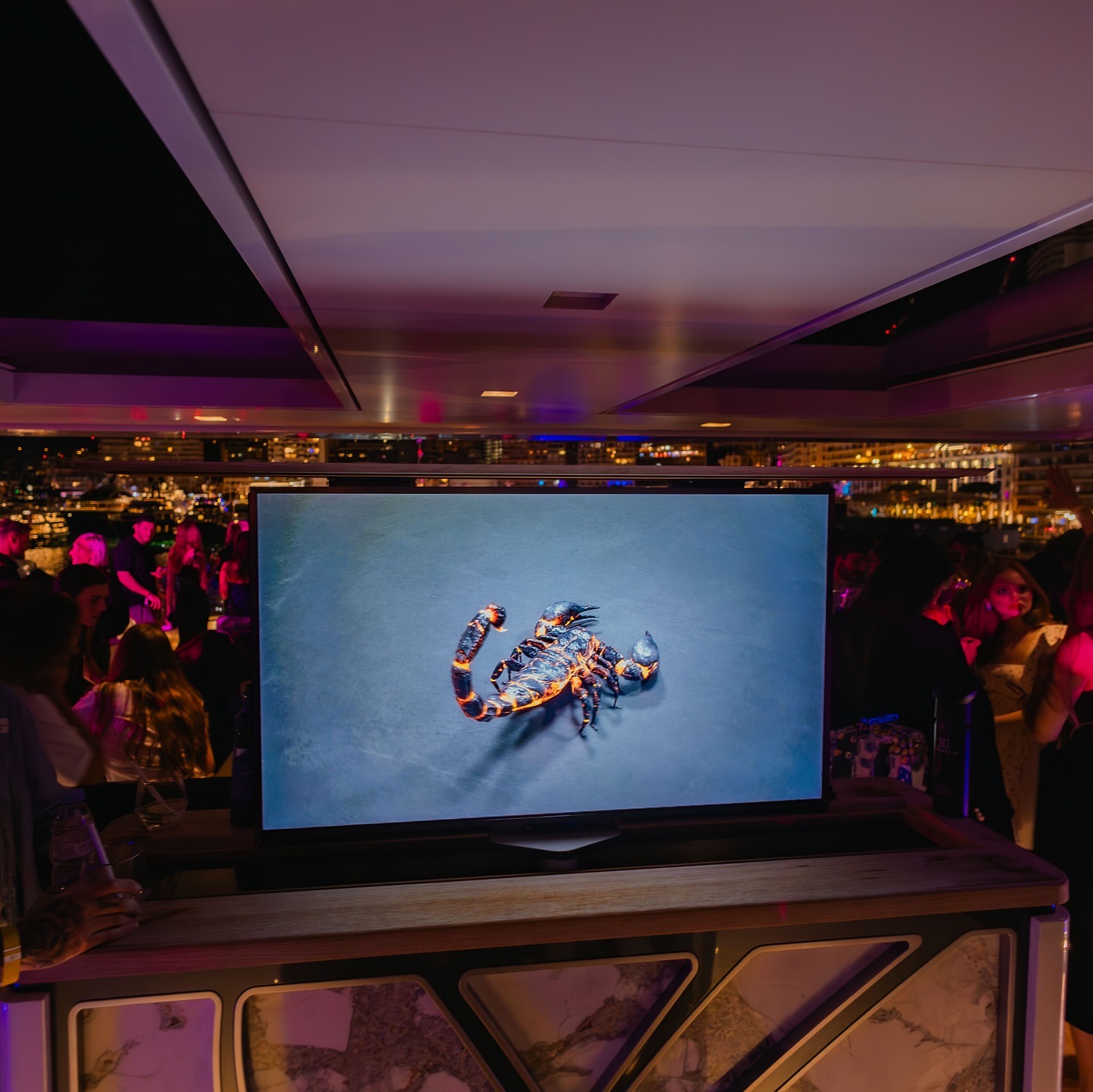
The Capitalyst: MARCHIARO Consulting spans four global cultural hubs with unique ecosystems. How do you navigate their distinct landscapes? What differs in how collectors, brands, and institutions pursue art partnerships?
Francesco Marchiaro: Each cultural hub operates according to its own internal logic, shaped by history, power structures, and social dynamics. Navigating these environments requires listening before acting, and interpretation before execution.
In Europe, partnerships are often institution-driven and historically grounded. Collectors tend to prioritise legitimacy, lineage, and intellectual depth, while institutions move cautiously, placing long-term credibility above speed. Trust is built slowly, and reputation carries significant weight.
In the Middle East, the ecosystem is more vision-led and future-oriented. Collectors and patrons are highly engaged, with a strong appetite for ambition and scale. Institutions and brands are willing to invest in culture as a tool for identity-building and long-term positioning, creating space for bold, forward-looking partnerships.
In Asia, precision and long-term strategy are central. Collectors are often highly informed and methodical, brands are disciplined in execution, and institutions place great emphasis on structure, continuity, and respect for protocol. Partnerships tend to be discreet, but deeply considered.
Across all regions, the most common mistake is assuming that a successful model in one market can be replicated elsewhere. My role is to translate – aligning global ambitions with local cultural realities, and shaping partnerships that feel native rather than imported. That sensitivity is what allows collectors, brands, and institutions to engage meaningfully, regardless of geography.
The Capitalyst: Your practice pillars are partnerships, activations, and communications. Describe a recent project blending all three. How do you measure client success and cultural impact?
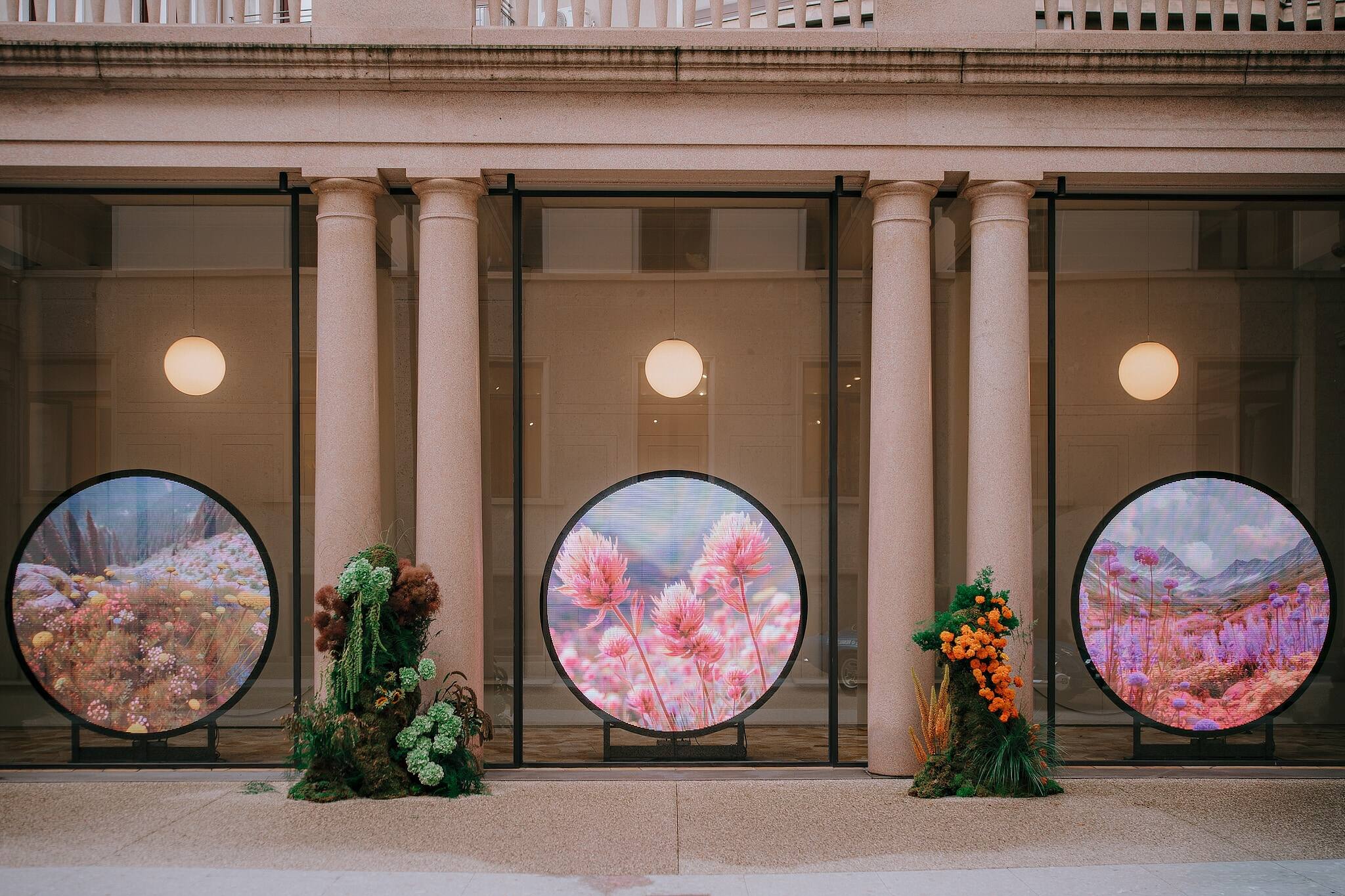
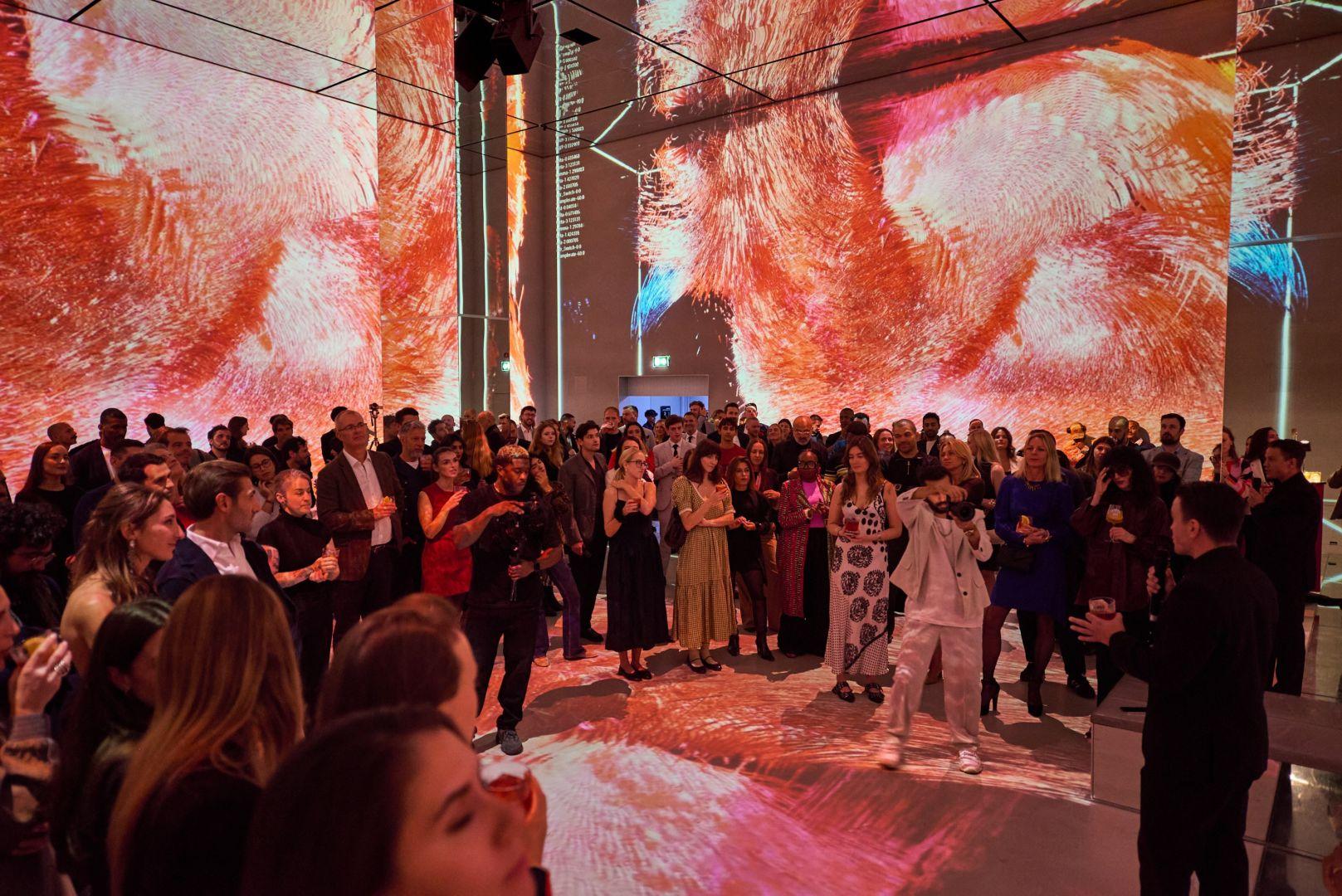
Francesco Marchiaro: A recent project that seamlessly integrated partnership, activation, and communication was Tell Me Over a Negroni, developed for Campari during Negroni Week in collaboration with digital art studio Ouchhh. The brief was to celebrate the cultural legacy of the Negroni – not merely as a cocktail, but as a social ritual rooted in storytelling, craftsmanship, and human connection. Rather than approaching this as a brand-led activation, the project was built around a genuine artistic collaboration. Ouchhh, a pioneer in data-driven and generative art, was selected for conceptual alignment rather than visibility.
The activation took place at Frameless London and centred on a real-time generative installation that translated guests’ brainwaves, in response to negroni drinks and the stories behind them, into evolving digital artworks. Each participant left with a unique digital piece – not as a souvenir, but as a living record of shared experience. Digital art enabled us to engage a younger, culturally curious audience while placing participation, rather than spectacle, at the core of the experience.
The project succeeded because the artwork was created specifically for its context. The brand, the artist, and the final artefact were developed together, intentionally and organically. It was not art applied to a campaign, but a campaign shaped around art.
The Capitalyst: You serve brands, collectors, institutions, and creatives with varied needs. How does your culture-first approach adapt? What common thread unites your work across clients?
Francesco Marchiaro: While the needs of brands, collectors, institutions, and creatives may appear very different, the starting point is always the same: cultural context. A culture-first approach does not mean applying a single solution across the board, but using a consistent method to understand intent, values, and audience before shaping any strategy.
For brands, this often means grounding their presence in cultural legitimacy rather than visibility. For collectors, it involves aligning personal vision with long-term cultural contribution. For institutions, it requires respect for mission, governance, and public responsibility. For creatives, it means safeguarding authorship, integrity, and meaning.
What unites all our work across clients is coherence. Every project seeks alignment between intention and expression – ensuring that what is communicated, activated, or partnered reflects something real. When culture leads, trust follows, and it is that trust which enables very different stakeholders to engage meaningfully with one another.
The Capitalyst: You tap an international network of cultural leaders, artists, and collectors. How did you build it over the past decade? What relationship-building advice for newcomers in art and culture?
Francesco Marchiaro: I built my network gradually, through consistency rather than scale. It developed by working closely with people over time, delivering with rigor, and respecting the fact that in art and culture, trust is earned quietly and often behind the scenes. I never approached relationships transactionally. Many of the strongest connections grew from shared projects, repeated collaborations, and mutual respect – often without immediate benefit. Showing up when it mattered, being reliable, and understanding when discretion was more valuable than visibility played a key role.
My advice in general is to always prioritise credibility over exposure. Listen more than you speak, understand the cultural ecosystem you are entering, and be patient. Relationships in this world are built through long-term commitment and integrity. If you focus on adding value rather than extracting it, trust follows – and with trust comes access.
The Capitalyst: What key challenges marked your shift from inhouse to independent practice? What has been most rewarding about growing MARCHIARO Consulting from scratch?
Francesco Marchiaro: I wouldn’t say I was inspired by challenges themselves, but rather by a genuine need to create something meaningful. I felt a strong desire to bring together everything I had learned and experienced into a single platform – one that could connect artists, galleries, institutions, and brands in a way that felt coherent and culturally grounded. I wanted to create a space capable of generating culturally resonant activations, authentic partnerships, and meaningful experiences – as well as creative strategies for brands that had not yet found a credible way to engage with the art and cultural world. A place for thoughtful ideas, elegant connections, curated encounters, subtle communication, and considered PR.
Building anything from scratch inevitably comes with difficulty. Someone told me the other day that if it were easy, everyone would do it – and that is true. It has been a demanding journey, but one supported by the trust of the community I have built through honest, long-term relationships, and by the confidence of the many stakeholders I have worked with over the years.
What has been most rewarding is seeing that trust translate into action: launching successful campaigns, realising ambitious projects, and witnessing how many people chose to follow and support me because they believed in my vision – and in my ability to contribute meaningfully, regardless of where I decided to build my practice.
The Capitalyst: How will art-culture ties evolve? Which trends like digital art, sustainability, or new patronage models catch your eye for MARCHIARO Consutling’s future?
Francesco Marchiaro: Art has always evolved in cycles rather than trends. Trends are driven by hype and are designed to disappear as quickly as they arrive. Cultural shifts, by contrast, signal the beginning of new eras, they don’t erase what came before, but build upon it. Digital art is a clear example of this. It is not replacing traditional forms of contemporary art, but expanding the language of the field. Its growing institutional recognition reflects that shift, with major platforms such as Art Basel launching initiatives like Zero10 by Art Basel, and an increasing number of museums and institutions integrating digital works into their programmes. This signals maturation, not novelty.
Sustainability follows a similar logic. It is no longer a positioning tool but a baseline expectation. Audiences and patrons now demand conscious choices, ethical frameworks, and long-term responsibility from cultural actors. This applies not only to materials or production, but to how culture is funded, communicated, and experienced.
What is particularly compelling is the evolution of patronage. We are moving away from celebrity-led visibility toward culture-led legitimacy. People are seeking meaning, belonging, access, and depth, not just endorsement. For MARCHIARO, the future lies in shaping these new models of engagement: building cultural ecosystems where art, institutions, brands, and patrons collaborate with intention, longevity, and mutual respect.