The Capitalyst: Can you tell us about your early life in India and the experiences that first opened your eyes to architecture, craft, and the emotional power of beautifully designed spaces?
Shalini Misra: In Delhi where I grew up, everyday life unfolded alongside history. From an early age, I noticed these layers expressed through the built environment of the city itself. Mughal architecture, colonial-era buildings and ancient Stepwells all sit together. While the skyline became increasingly defined by glass and concrete, the inner life of domestic spaces remained anchored by climate, ritual and craft, so there was a sense of the coming together of life represented through architecture and interiors that captured my imagination.
I was always aware of how spaces made people feel. Homes were expressive places, filled with colour, texture, scent and objects that carried meaning across generations, and in them craft but as part of daily life, from textiles and metalwork to furniture and detailing. I think that early exposure taught me that design is not just visual. It is emotional, cultural and deeply human. Those impressions stayed with me long before I had the language to describe them.
As far back as I can remember in childhood, I loved making clay Gharaunda with family and friends to light up for Diwali. I would decorate them with Madhubani, a painting style I still practice today. Sometimes I wonder whether constructing Gharaunda started me on the path towards architecture and design before anything else did. I always found taking this lump of clay and shaping it into a livable space quite captivating.
The Capitalyst: What drew you to study architecture and eventually transition into interior design, and how did your professional journey unfold from Delhi to establishing a global practice in London?
Shalini Misra: Architecture appealed to me because it sits at the intersection of creativity and rigour. It demands both imagination and discipline, and I was drawn to that balance. My training in Delhi gave me a strong grounding in structure and spatial thinking, but I became increasingly interested in how spaces are inhabited rather than simply constructed. Interior design allowed me to work more closely with people and their lives, to shape environments that respond to emotion, function, memory and daily rituals. Moving to New York and then to London, alongside extensive travel, exposed me to international design culture and helped me to build a practice that draws on multiple references without being tied to one aesthetic or geography. Over time, the studio grew organically, driven by clients who valued depth, craftsmanship and a highly personal approach.
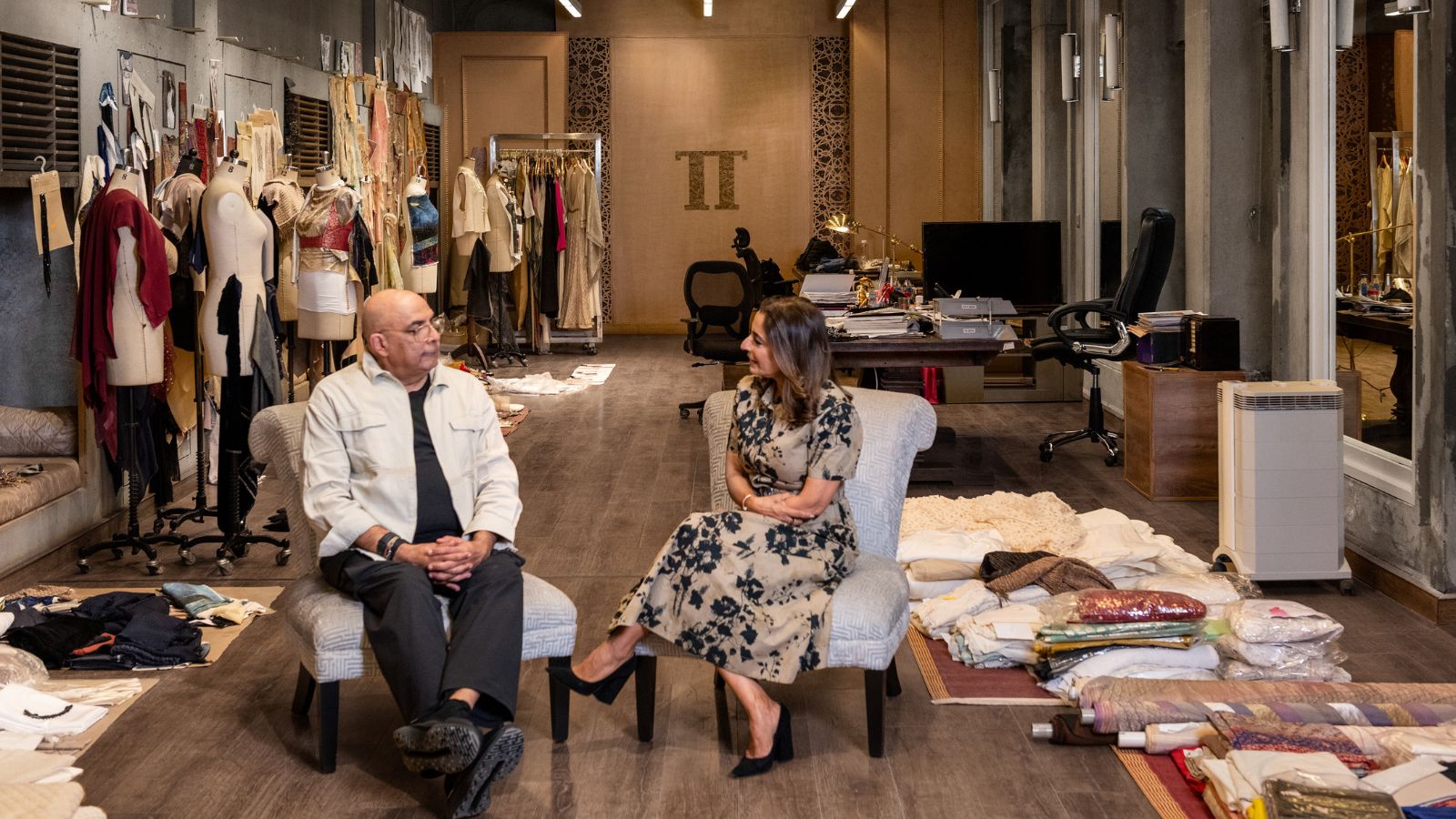 Shalini Misra and Tarun Tahiliani during Shakti Design Residency PC: Suryan Saurab
The Capitalyst: You often speak about narrative and craftsmanship as foundations of your work. How would you describe your design philosophy when starting a new residential or hospitality project?
Shalini Misra: Every project begins with listening. Before thinking about form or material, I want to understand the client’s story, how they live or how they intend to use a commercial space, what they value or what value means to them. Narrative is not something imposed. It emerges through conversation and observation. Craftsmanship plays a crucial role because it carries time, skill and intention within it. Whether a piece is made by hand or produced with advanced technology, I am interested in its integrity and honesty. I believe spaces should feel rooted and timeless rather than driven by short-term trends. The aim is always to create environments that feel calm, layered and quietly expressive.
The Capitalyst: Alongside design, you have a strong commitment to philanthropy and education. How did that dimension of your career begin, and why is mentoring and supporting emerging talent so important to you?
Shalini Misra: I have always been aware of the importance of access in shaping opportunity. Natural talent can only be fully realised through opportunity and opportunity is not always uniform among young people, it can simply be a gift of circumstance. I am a trustee and mentor of the Vahani Scholarship Trust – a non-profit founded by my daughter Reeva, which provides financial aid and mentorship to underprivileged but academically bright students in India. This is so vital and an honour to be part of.
As my career progressed I became increasingly aware of the gaps within the design ecosystem, particularly when it comes to recognising craft knowledge and skill as design in India. This eventually led me to found the Shakti Design Residency, which builds bridges between Indian artisanship and the global design world. Supporting emerging talent is not about charity. It is about building a stronger, more equitable creative culture where skills, ideas and perspectives are valued and sustained.
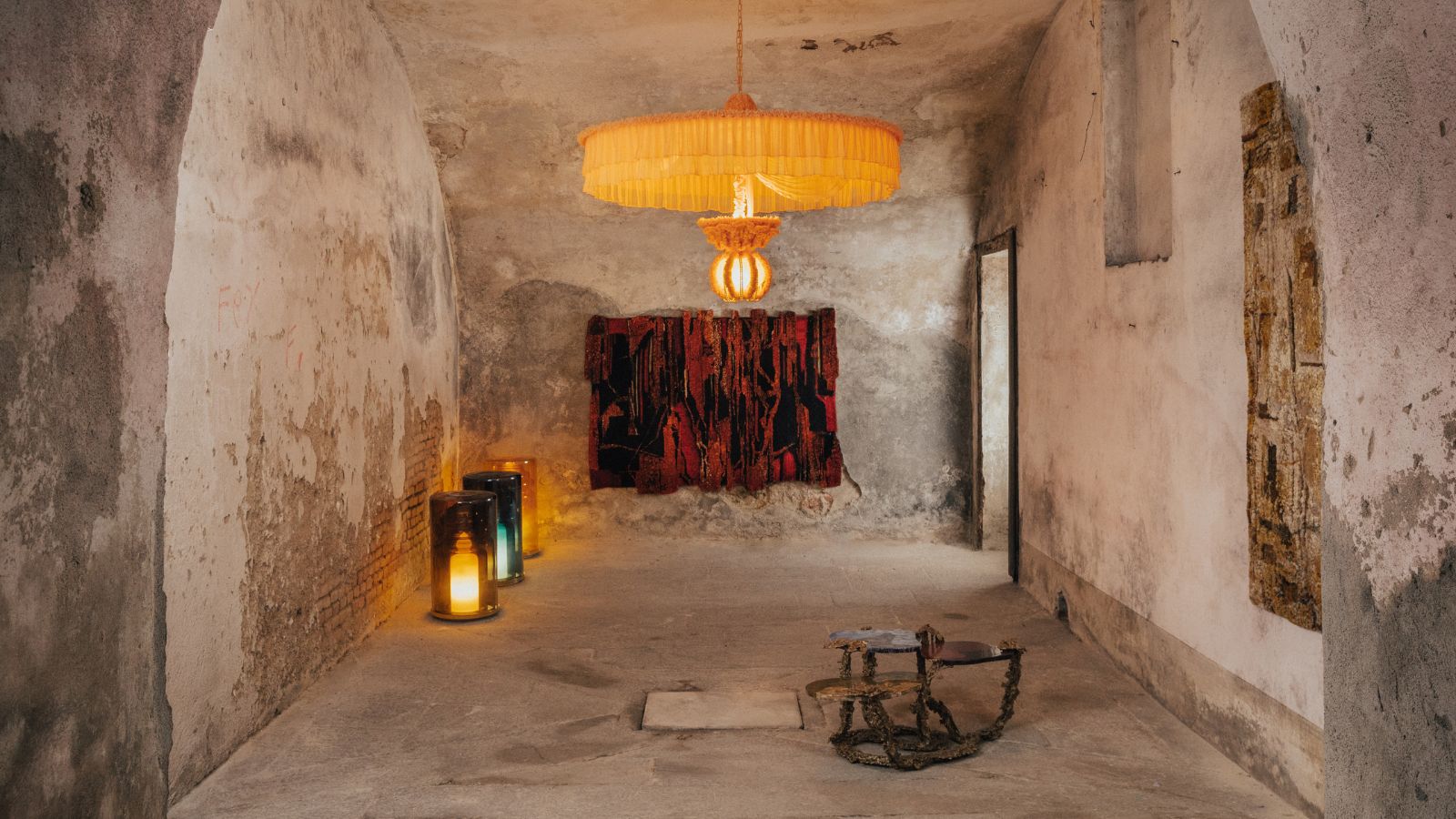 Shakti Design Residency at Alcova PC: Taran Wilkhu
The Capitalyst: What was the moment or turning point when the idea of Shakti Design Residency first took shape in your mind as something essential to create?
Shalini Misra: The idea for Shakti emerged gradually through years of working closely with Indian artisans while also operating within an international design market. I became increasingly aware of a disconnect. Indian craft was often admired, but not always understood or credited in a way that reflected its sophistication and contemporary relevance. At the same time, many global designers were seeking deeper, more meaningful ways to engage with making. Shakti felt like a necessary response to that gap. It was conceived as a platform that would create genuine collaboration rather than extraction, and that would position Indian ateliers as equal creative partners.
The Capitalyst: Shakti is described as a first-of-its-kind platform connecting global designers with skilled Indian artisans under the guidance of a prestigious mentorship panel. How would you articulate Shakti’s core mission?
Shalini Misra: At its core, Shakti is about creative and cultural exchange. The programme exists to support meaningful collaboration between designers and artisans, where knowledge flows in both directions. It is not about preserving craft as something static or nostalgic, but about enabling it to evolve within a contemporary context. The jury plays a vital role in maintaining rigour and ambition. Shakti’s mission is to create work that stands confidently on the global stage while remaining deeply rooted in place and process.
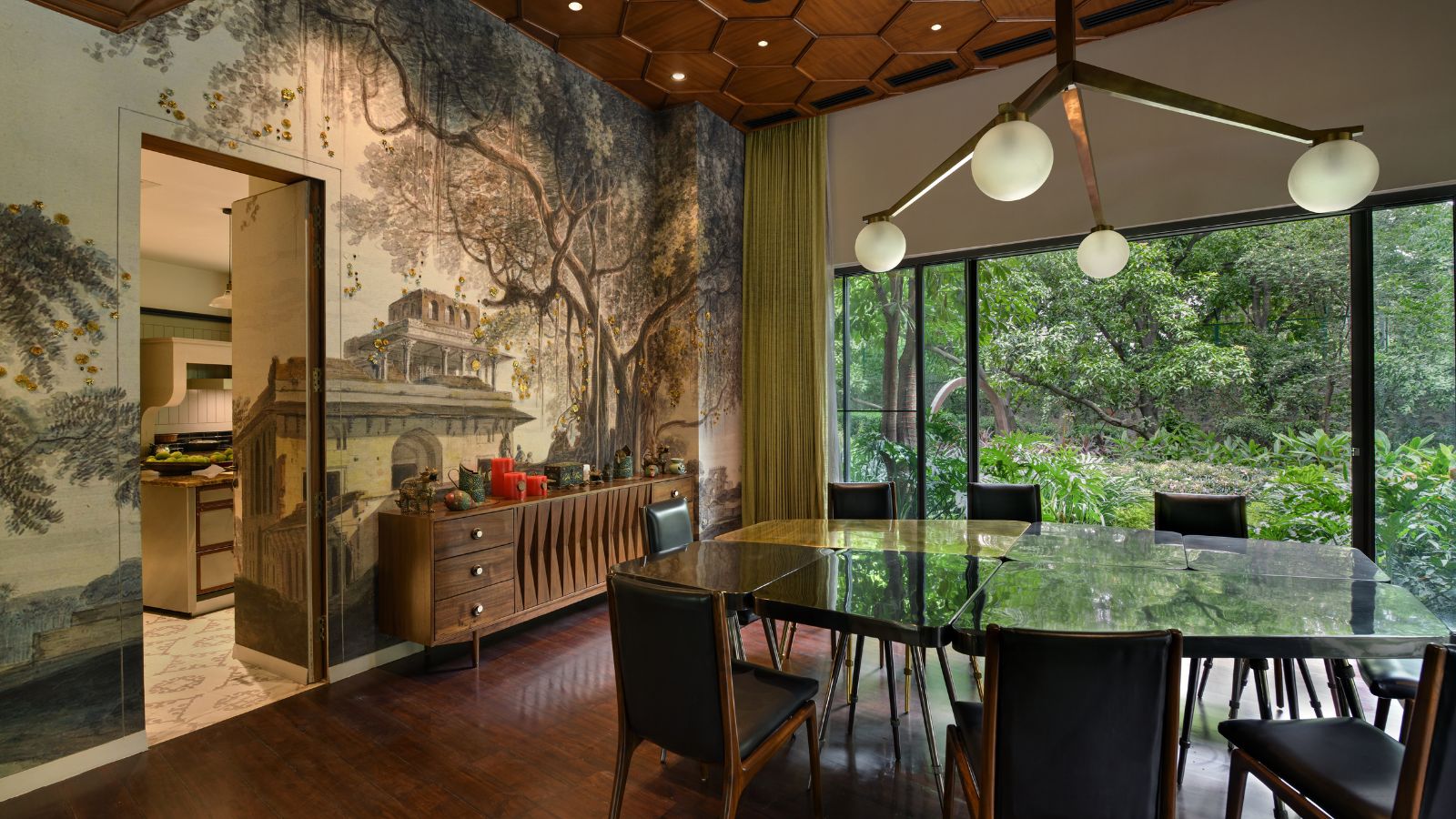 Interior design project, Delhi, PC: Bharat Aggarwal
The Capitalyst: The residency collaborates with renowned Indian ateliers such as Chanakya School of Craft, Jaipur Rugs and Klove Studio. Which collaborations or outcomes have felt especially meaningful or surprising to you?
Shalini Misra: Each collaboration has its own resonance, but what continues to surprise me is the level of innovation that emerges when trust is established. When designers and artisans are given time to experiment together, unexpected ideas surface. I have been particularly moved by moments where traditional techniques are reinterpreted in ways that feel entirely contemporary without losing their soul. Seeing artisans recognised not just as makers, but as creative thinkers, has been one of the most rewarding aspects of the programme and something that we are focusing on as the initiative evolves.
The Capitalyst: How do you see Shakti contributing to a shift in global perceptions of Indian craftsmanship, and what does success look like for you as the programme continues to grow?
Shalini Misra: Shakti contributes by changing the conversation. It places Indian craftsmanship within a contemporary, international framework without diluting its identity. Success is not measured solely by visibility or scale. For me, it is about long-term impact. That includes sustained relationships between designers and ateliers, meaningful economic support for craft communities, and work that is collected, exhibited and discussed seriously within the global design discourse. If Shakti helps recalibrate how Indian craft is perceived and valued, then it is doing its job.
The Capitalyst: Moving between London, Delhi, and other cultural hubs gives you a unique perspective. How do you view the current international design landscape, especially the renewed focus on handmade, sustainable, and story-driven work?
Shalini Misra: There is a growing appetite for authenticity and depth, which I see as a positive shift. People are increasingly interested in where things come from, who made them and why they matter. However, this also brings responsibility. Sustainability and storytelling must be approached with care and integrity, not as surface-level trends. The most compelling work today is thoughtful rather than loud. It reflects a sensitivity to material, context and human experience.
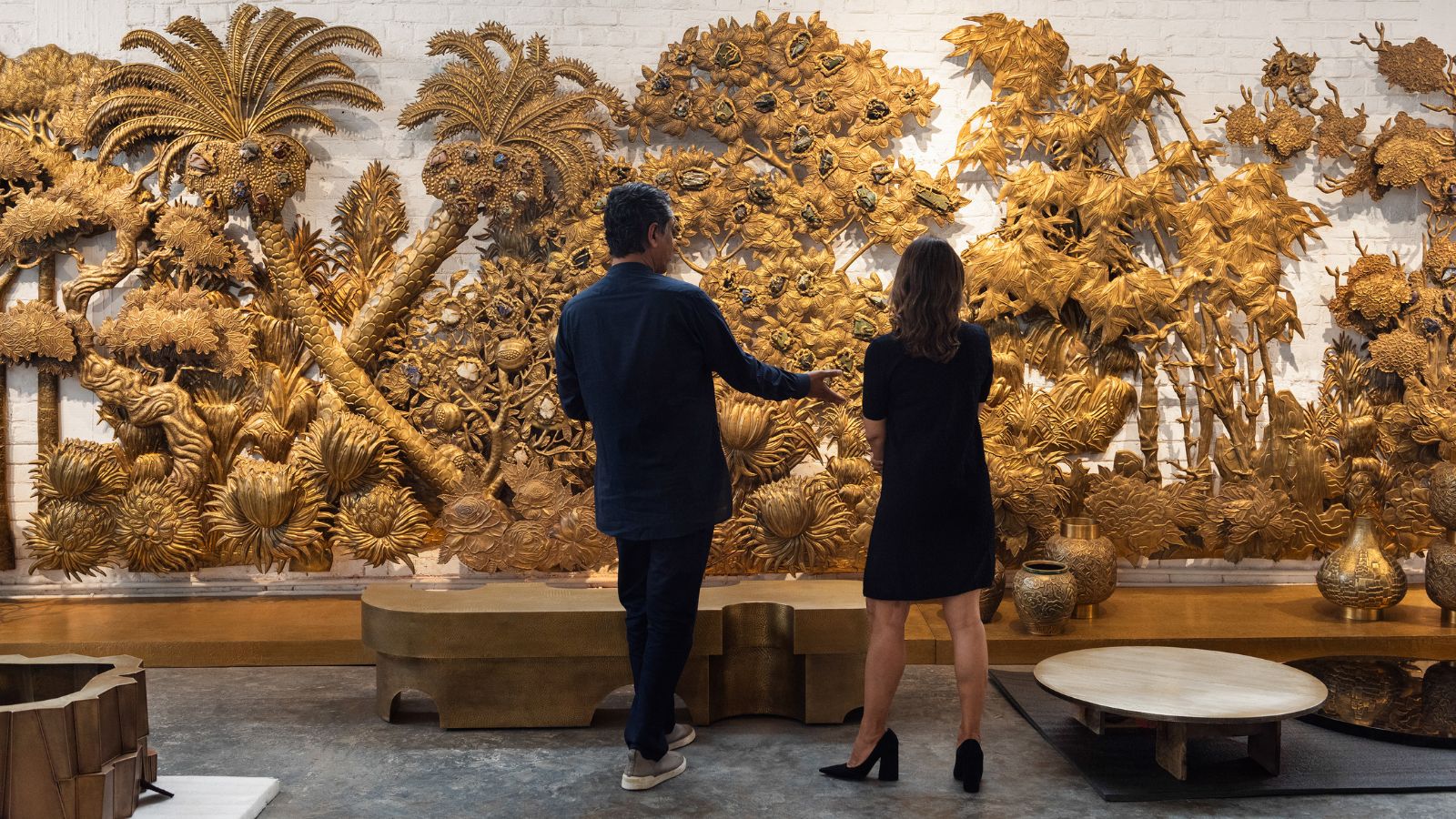 Shalini Misra and Vikram Goyal during Shakti Design Residency PC: Suryan Saurabh
The Capitalyst: Looking ahead, what are your ambitions for Shakti and for your own studio? Are there specific cities, formats, or collaborations you are excited to explore next?
Shalini Misra: For Shakti, my ambition is to continue deepening the programme rather than simply expanding it. That may involve new cities, different formats and further interdisciplinary collaboration, but always with the same commitment to quality and co-authorship.
The studio is going through a phase of rapid expansion, which is exciting. In 2025 we opened offices in New York and Dubai. Alongside this, our hospitality and wellness portfolio is growing across the world. My research in interior design continues to look at neuroaesthetics and the impact of interiors on how we think, feel, perform and live. 2026 will see a number of design collaborations that I will reveal in the coming months.
Overall, I am always excited by clients, collaborations and organisations that challenge boundaries and allow design to act as a bridge between cultures, disciplines and ways of thinking.