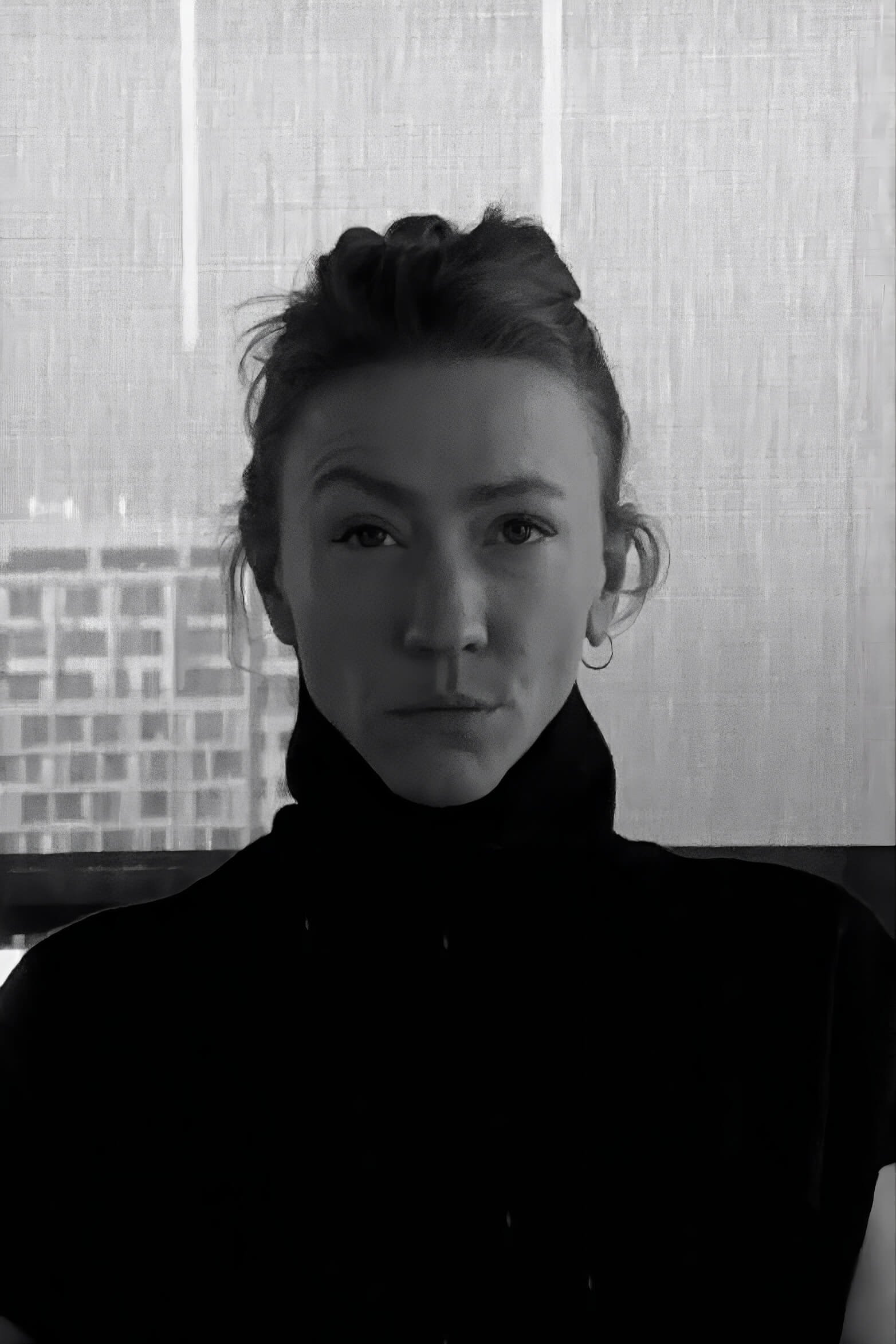
The Capitalyst: Your work often highlights our insatiable desire for intimacy with people we have never met. Do you see your photography more as a critique of the media machine or as a mirror held up to the voyeurism of the audience?
Alison Jackson: Both. But more us – why do we find celebrity so fascinating and important. The very nature of photography is a highly seductive medium, it seduces us into believing something is true in it. It looks real so we should be able to believe but we can’t. It is a deceitful, untrustworthy medium that cannot be trusted. And we are bombarded by images, because of this seductive quality we are surrounded by images, we live our life through them. Imagery is our first language, it’s a scary position we get our info from a medium that seduces us away from truth and is exploited by politicians and advertisers to pitch their agendas to us. We are in awe of the bullshit; we are overwhelmed by inertia to do anything. I was wondering with so many people disliking Donald Trump, why do people want to take a selfie with ‘him’. There is something beguiling about his fame – even the fake Trump.
We have been seduced into believing everything and not being able to question it properly. I’ll give you my theories as to why. It’s an extraordinary situation. The traditional media blame social media for creating fake news. But fake news has been around forever and a day. Andy Warhol was making work about it—we were celebrating a PR image of Marilyn Monroe’s head. So, he was trying to raise questions, I believe, about how ridiculous the whole situation is. Anything can look real on television. I might be reading a script right now and have AI write my thoughts. How would you know? And that’s what it’s like for all celebrities, all politicians, they come on with a script, go off, and you believe it, or not. We know we can’t believe it, but we’re still seduced into thinking we can. We enjoy that gap of knowing that it’s not a hundred percent real. We really enjoy it. And I think that’s why Donald Trump, Kim Kardashian, and Boris
Johnson have been so successful with their PR, and their marketing, and their image making, which is how they got to where they are. We know we can’t trust the real, so the only way forward is to show the fake.
The Capitalyst: You have spoken about celebrities reacting strongly to your work, from shouting to walls being thumped and exhibitions becoming uncomfortable spaces. Is there any part of you that reads that anger as a form of validation, or does it raise a different set of questions for you as an artist?
Alison Jackson: The celebrities in general understand the questions I am trying to raise – around the media manufacture of celebrity – they are living in that bubble – right? Elton John bought my whole Exhibtion once.
The next issue is, do celebrities like the content of I have depicted of them and the answer is generally, yes. However, there are a couple of exceptions. I was banned from a show about Kate Moss – 10 artists were asked to make a piece, including me – I was going to make a wonderful hyper-realistic sculpture (similar to my Donald Trump or George Bush sculpture in high craft Realism). Kate Moss protest against my work being included. I was very upset. I had already made the sculpture so I had to dump it in the waste skip. She clearly didn’t understand what my work is about. I understand Liz Hurley also was annoyed about a photograph I made of her with Hugh Grant. It was fairly innocuous, needless to say I heard she didn’t like it and moans about it.
I made a wonderful clip for my tv show of Nancy D’olio being the dominatrix with her then boyfriend Sven Goran Erik soon (rip)? I think it was one of the most hilarious clips I ever made, people who saw the film still comment on it – and so does she – publicly she heckled me whilst I was giving a speech for hundreds of people calling me a B*** and unmentionable names.
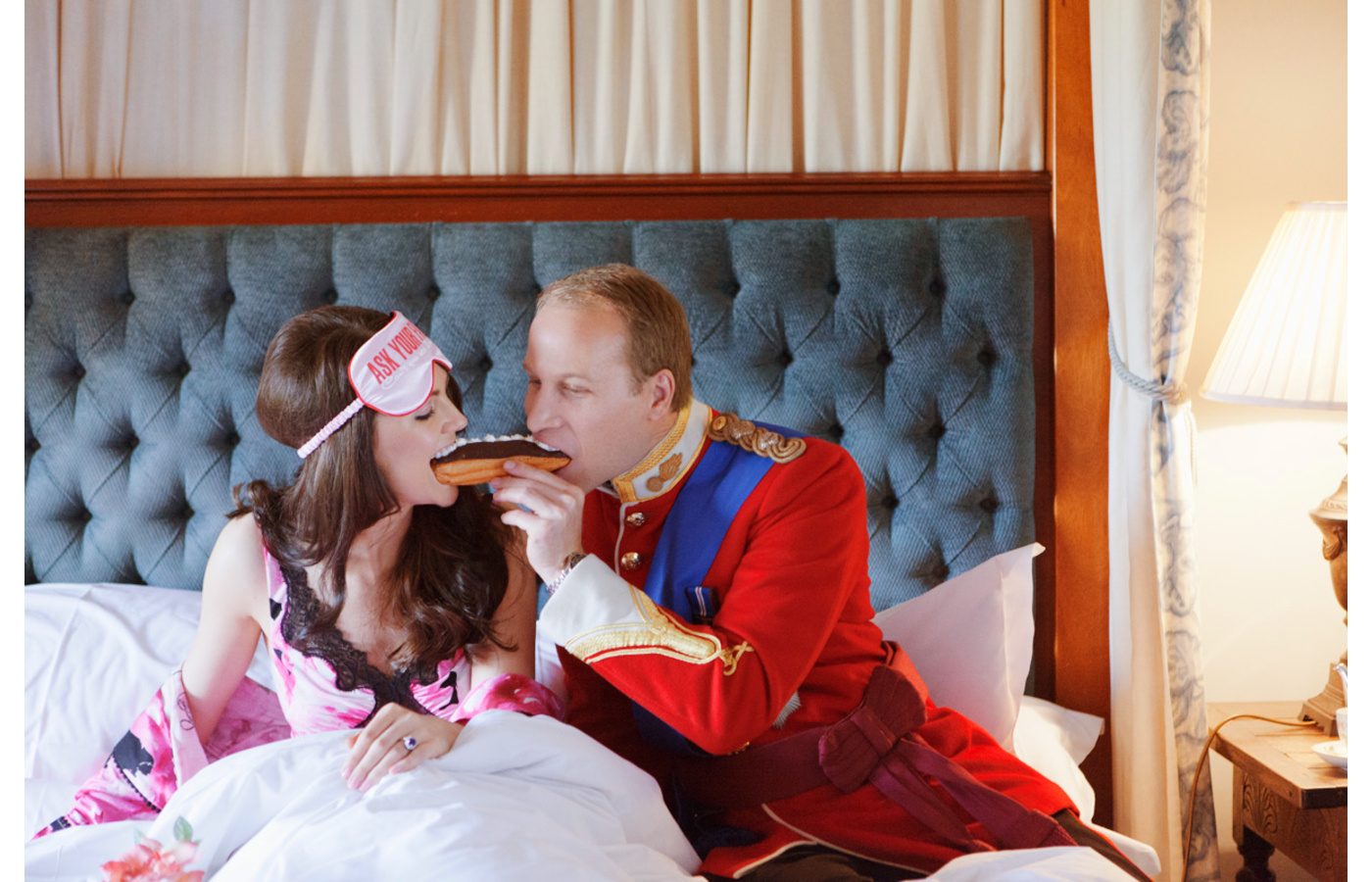
The Capitalyst: There is a fine line between satire that punctures power and imagery that simply humiliates. How do you personally know when you have crossed it, or is that unstable line itself part of what your work is trying to interrogate?
Alison Jackson: I try not to use ridicule in my ideas, I am more interested in getting under the skin of the celebrity and working out how they may react in certain situations. I don’t want to humiliate anyone. I have limits, of course, and try to make ideas that sit on the edge, not go over the edge. The meeting point of emotion and intellect.
The Capitalyst: DonaldTrump is arguably one of the most photographed, filmed, and documented politicians in modern history, with very little private mystery left intact. Does that make him a harder subject for your work, or does the overexposure actually give you more material to work with?
Alison Jackson: I think there has been very little exposure on Trumps private life and personal habits amazingly, and what makes him tick. I made a film about him for itv which never got shown, and this was very interesting as I researched him deeply and spoke to his childhood friends, some family and employees. Everyone seems to be more interested in the next outrageous thing that comes out of his month or marketing campaign.
Trump is one big marketing campaign for himself. He is the master of the media. The poster boy for my concept. All bullshit. He is constantly pitching himself beyond the bounds of tradition and social media. People can’t keep up so interestingly they don’t look at him.
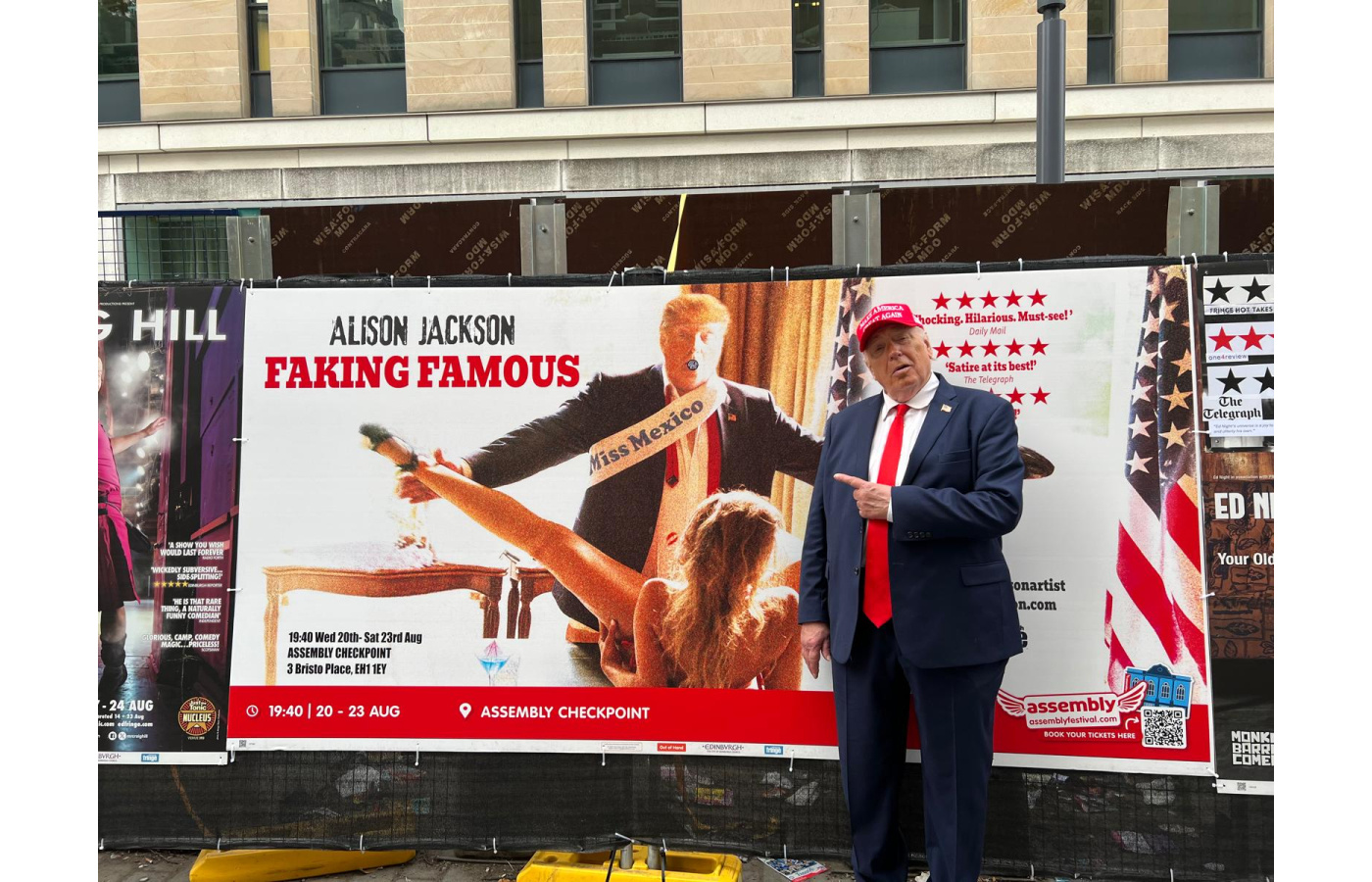
The Capitalyst: You have said that many of your works begin with a mental image of a celebrity in a private moment. Is there one image that has stayed with you for years but that you still have not made, whether because of logistics, ethics, or simply not finding the right lookalike?
Alison Jackson: I still want to make a film about Donald Trump and I can’t get anyone to take this on. Broadcasters, streamers and networks are too scared. They don’t want to be shut down. It would be a sad thing for me if I can’t make this in the juicy time period while he is president.
My work is always getting banned. I am always in trouble. I didn’t take my Trump sculpture to Canada last year for the G7 as the police scared me off
Trump sculpture was confiscated outside Trump Tower a few months ago, and I was nearly taken down to the precinct with hand cuffs on. Luckily the police couldn’t fit the Miss Mexico women into their police van (she was depicted with her legs in the air and wide open) – one foot was out the foot side window and the other was out the other. I can’t get any museum to take the sculpture.
Billboards in Germany were banned and taken down during an exhibition of mine. Princess Diana film was banned by Tony Blair was labelled me a blot on his Cool Britannia. It’s difficult and hell.
The Capitalyst: With deepfakes and AI-generated imagery now part of mainstream culture, do you feel vindicated that the public is finally catching up with what you have been warning about since the 1990s, or does the flood of synthetic imagery make your work less unsettling than it once was?
Alison Jackson: I think there is something about the lookalikes that is brilliant. They really do exist as real people. They are authentic. But not as you want them to be. It is John Smith you are looking at, not Donald Trump. Through the image, your mind is skewed / screwed. It is easy to tell AI imagery most of the time and anyone can do it.
The media have accused me of banging on about real and fake and how we can’t tell what’s real and fake and we don’t care anymore. We are brainwashed into an inertia of doing nothing about anything and succumb to easy advertising and targeting by politicians and exploiters. That is the worrying bit. Because of this, a fake artificial world is created by the media and the politicians for power and commercial gain.
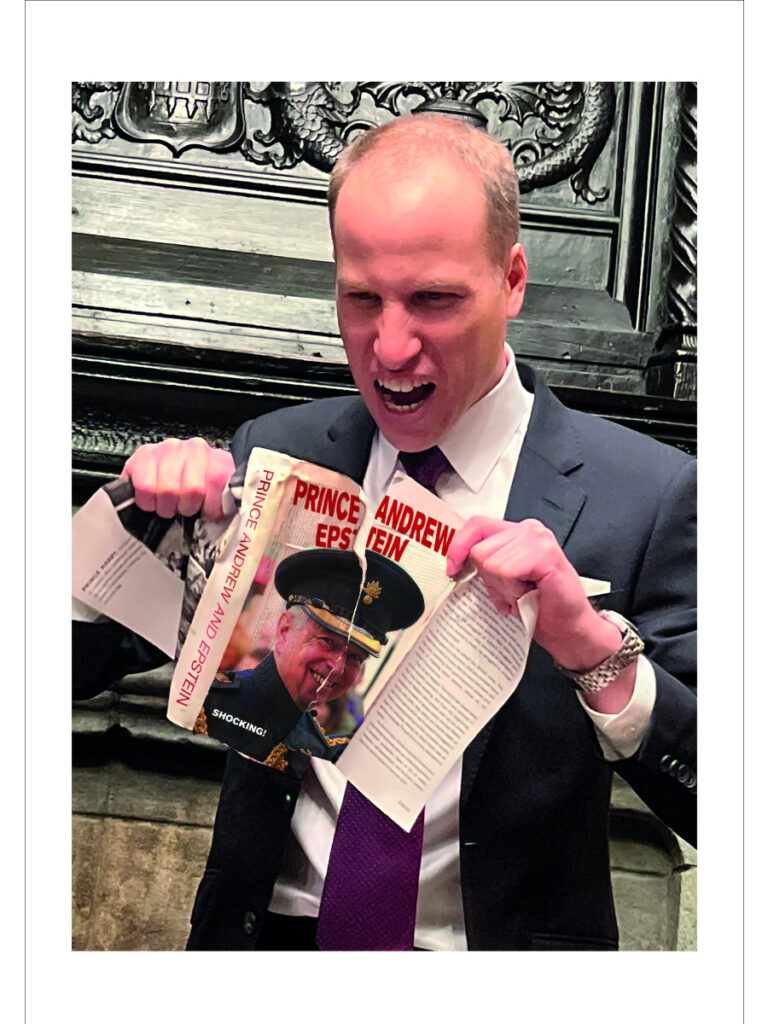
The Capitalyst: Through A Day in Your Life, you mentor young photographers from under-represented backgrounds and people living with disabilities. What is the one lesson about seeing, rather than simply looking, that you most want to pass on to them?
Alison Jackson: Inspiration is key to taking good pictures. Enjoy it. Stand apart from the group and see for yourself. See your own world and then I believe you will see unique and different things. I always encourage the young creatives to decide on everything themselves, what they will take a picture of, how they will take it and take risks creatively. I find their pictures to be outstanding. Of course, I teach skills, etc., but the important bit is a different way of seeing. Come see their Exhibition of photographs in September at the Royal Geographic Society on 16th Sept onwards and their awards ceremony at Cadogan Hall on July 13th. The works are outstanding, aged 5-18.
The Capitalyst: You have worked across photography, film, sculpture, television, books, and live theatre. Is there a format you have not fully explored yet that genuinely excites you, and is there anything upcoming that you are especially eager to bring into the world?
Alison Jackson: I hope to open my new theatre show in the West End of London in November. It will be great fun where I reveal how I make these high craft photographs of celebrities and how to make an ordinary person into a celebrity. I take people out of the audience and style them on stage with my crack team and do a Live photoshoot. Come meet the Stars!!
I want to make this fake documentary on Donald Trump. It will be hilarious and get my new book out!!!