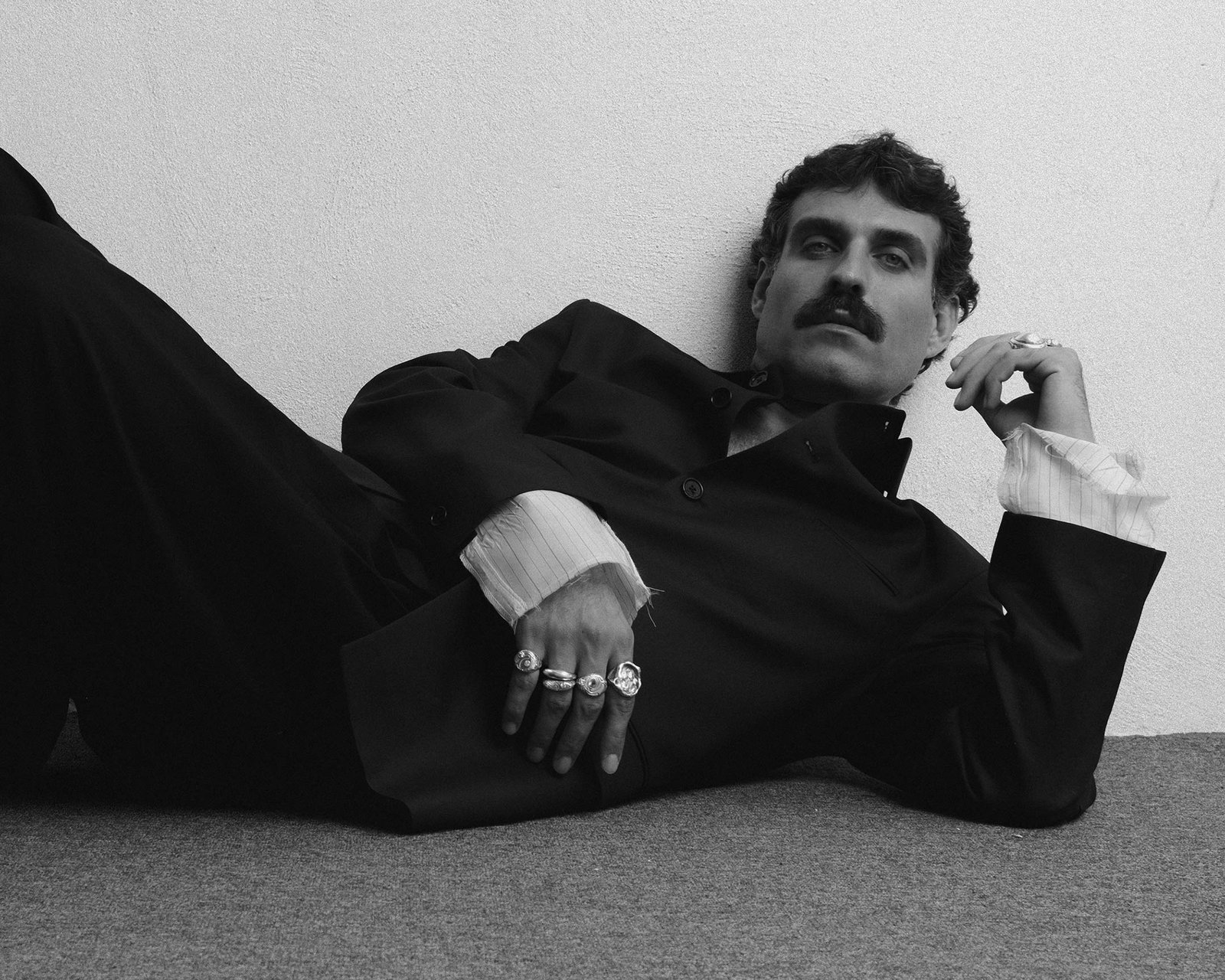
The Capitalyst: You studied graphic design at Central Saint Martins and did a master’s at the Bartlett, then worked in the UK and France before coming home to Bangkok in 2011 to focus on branding, when the industry was in its infancy in Thailand. You’ve said, “Design is the output of art and commerce.” What did you have to explain to clients that you’d taken for granted in London, and what was the hardest sell in those early years?
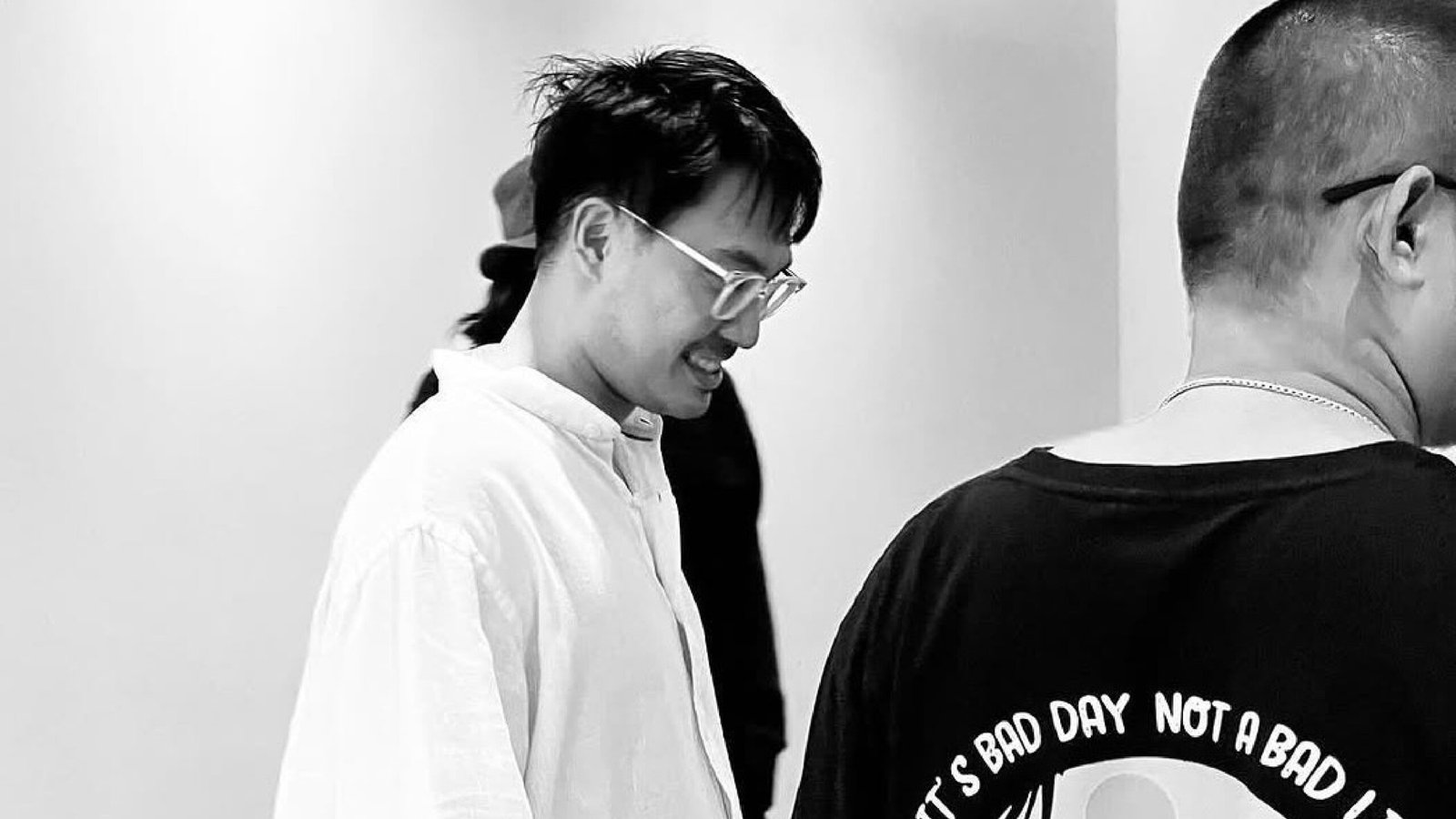
Rom Sangkavatana: I think design has always been the common thread connecting everything. For me, design goes beyond creating a product or making something look a certain way. It’s also about how we think, how we approach problems, how we create experiences and how we shape the way we live.
My training in London introduced me to design as a tool for thinking, where art, culture, business and experience could come together to shape how people experience a brand. Coming back to Bangkok, one of the biggest challenges was helping people see that design is not just about how something looks, its aesthetics, but also about the thinking, purpose and the idea behind it.
I think that experience shaped the way I approach my work today. For me, the most interesting part of design is where creative thinking meets commercial purpose, and how those ideas can translate into something meaningful.
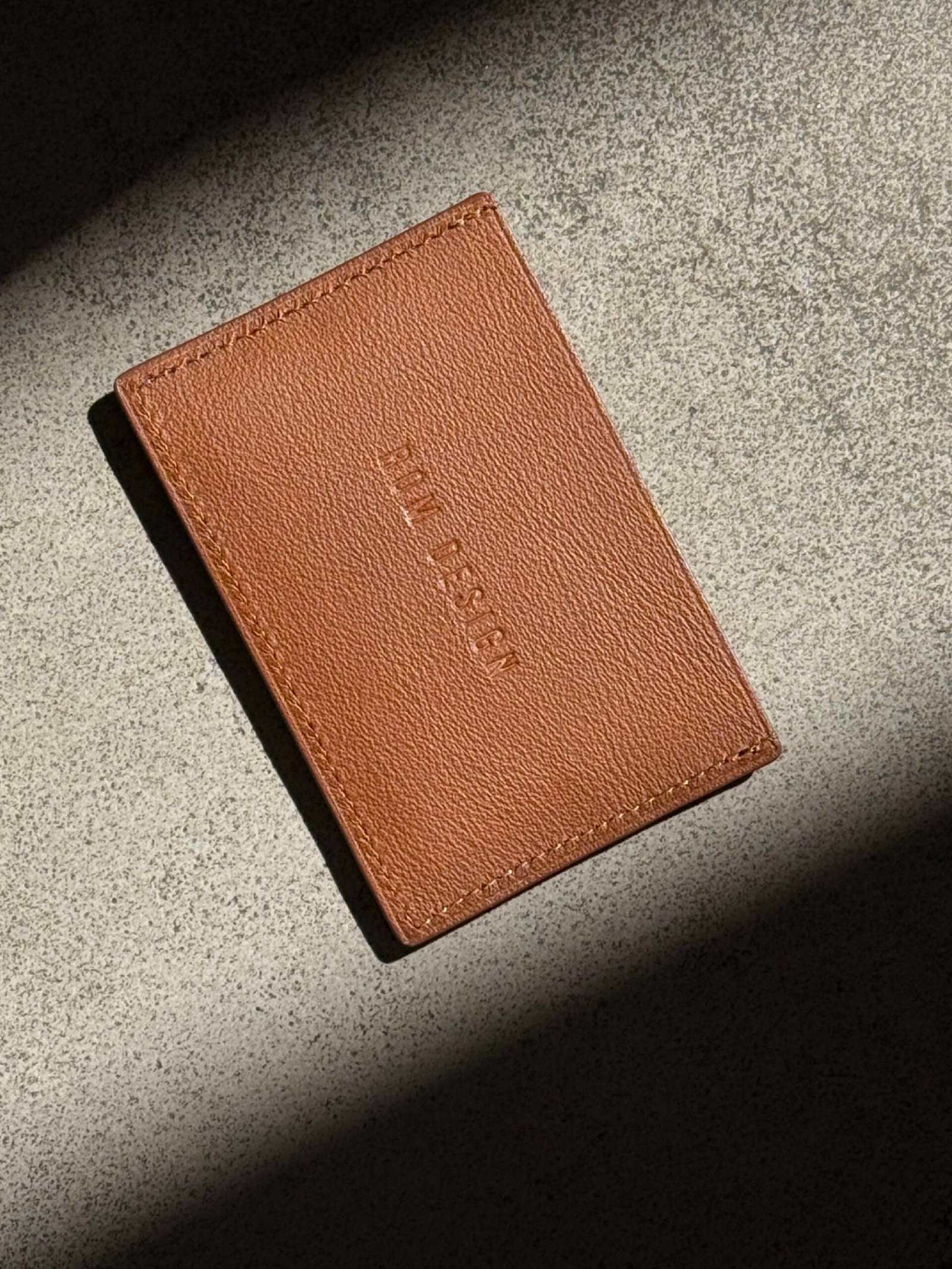
The Capitalyst: ROM DESIGN has a presence in Bangkok, Hong Kong, London, Paris and New York, and you’ve worked with clients like Soho House Bangkok, King Power, One Nimman and Amoma. You also run Rom Now, and your London studio is an affiliated company. Around the pandemic, you rescaled a Bangkok team that used to be 10 to 20 people. What did you cut, what did you keep, and how do you stop several companies from blurring into one?
Rom Sangkavatana: I think I had to make decisions about what to scale back and what was worth keeping. During a challenging economic period, I learned to operate more leanly and adapt to changing circumstances, while retaining the talent, expertise and relationships I had built over the years.
I also wanted to diversify the business rather than depend on one particular market. For example, having one brand focused in the luxury sector, while another explored the commercial and street-culture space, allowed me to maintain a more balanced portfolio and explore different opportunities. I like the idea of development and expansion, whilst still keeping the integrity of the brand and the business.
As for keeping the companies distinct, I think it comes down to giving each one its own purpose, identity and direction, while allowing them to share the same underlying creative philosophy. They may operate in different spaces, but they are connected by a common approach to design and business, which I guess I have used code discovered through my own best practice.
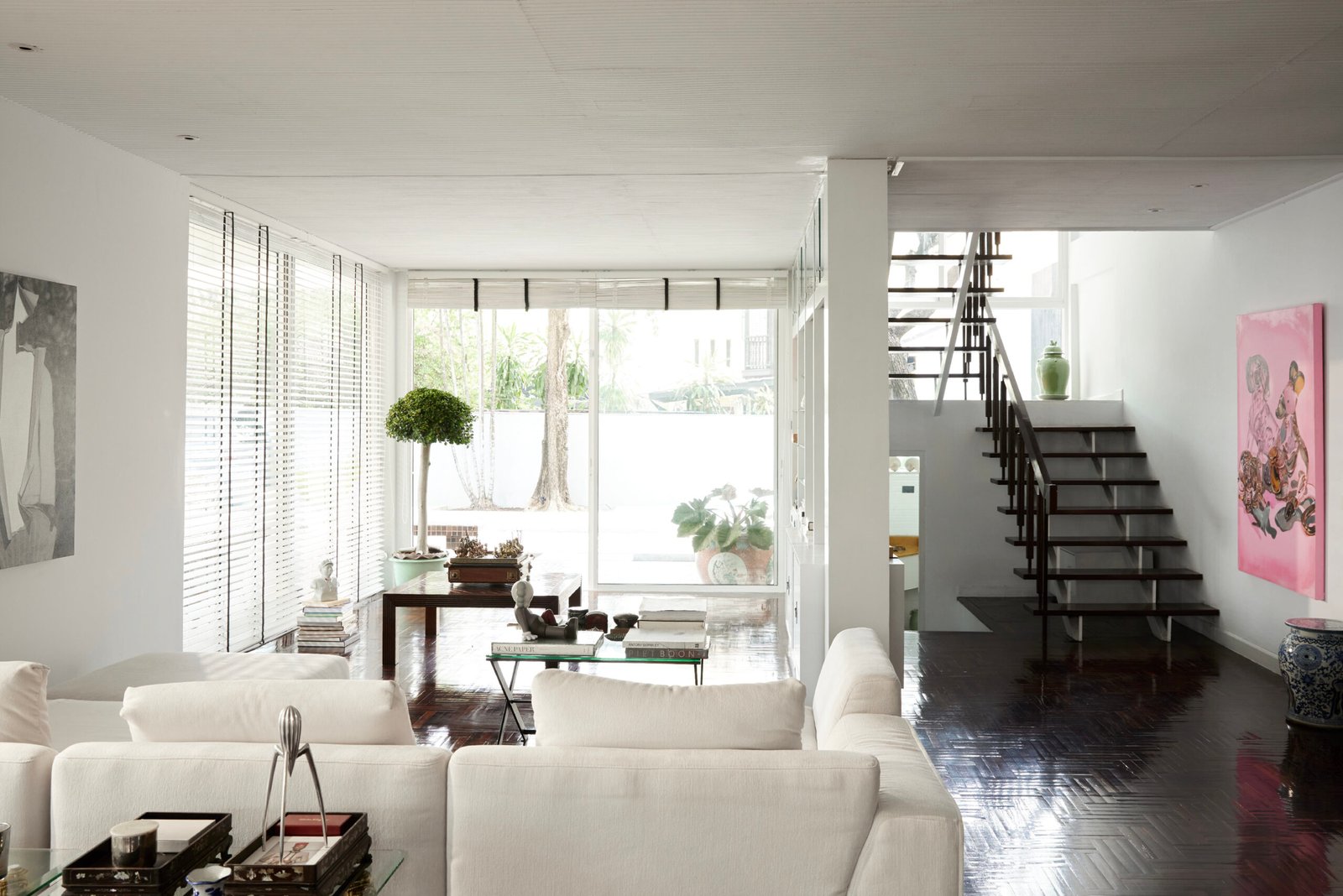
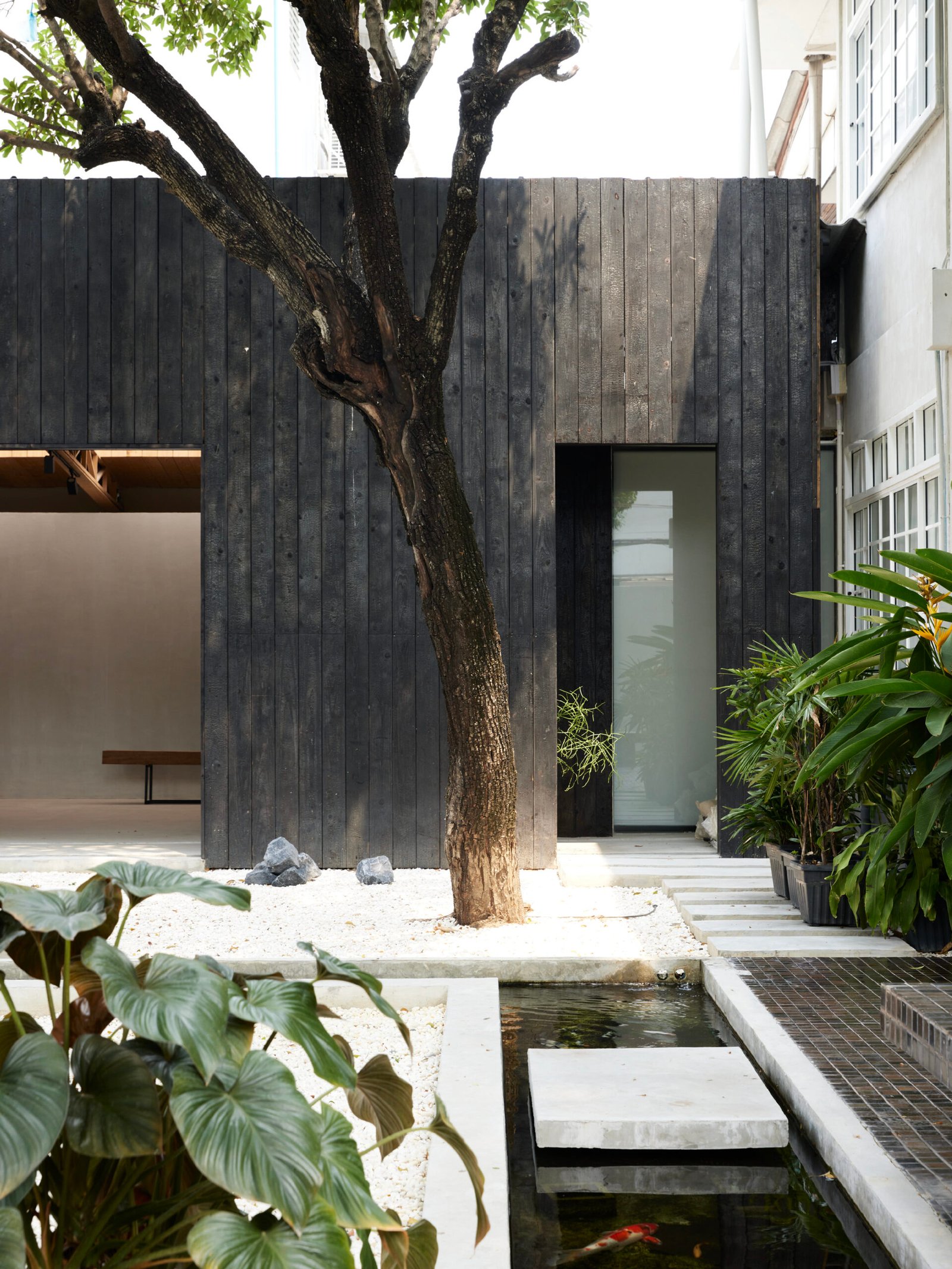
The Capitalyst: You’ve said Dover Street Market in London sparked the idea for TOWNHOUSE Space, and the building was your father’s former office space. You renovated the ground floor years earlier, revamped every floor in 2019, and opened in 2020, the middle of a pandemic. What was the first event you hosted, and how did the timing change your plans?
Rom Sangkavatana: The idea and concept centred around living with art and design, had been in the back of my mind since school. I had always had a dream to create a creative and well-designed space, but I wasn’t sure what should be inside the canvas.
But during the pandemic, I found out that people wanted to live and connect with each other. So I use this concept and build upon it: by creating a space where people could come together through living, art and design, creativity, culture and community through TOWNHOUSE Space.
The opening of TOWNHOUSE Space was surprisingly well received. opening particularly meaningful, so that’s why we had more than 600 guests for the launch. It was unexpectedly quite special, particularly after a period when people had been apart for so long, as well as the limited space of the building. I think there was a real desire to reconnect, meet people and share experiences again, and meet through something, talk or discuss something, and also feeling to be part of something, and at that time, TOWNHOUSE managed to do that in our own way.
The Capitalyst: TOWNHOUSE Space has four floors of retail, workshops and exhibitions in a 30-year-old Ari building. You’ve said, “Art is not just for exhibiting; it’s something you live with.” Where’s the line between a shop and a gallery, and how do you decide what sits on a shelf and what hangs on a wall?
Rom Sangkavatana: I think the line between a shop and a gallery is intentionally blurred at TOWNHOUSE Space and other spaces I am designing. I don’t necessarily see them as two separate environments, but rather as different ways of experiencing and engaging with art, design and objects.
Ultimately, it comes down to the context, time, cultural relevancy, and nature of each product or work, the story behind it and how we want people to experience it.
Some things are meant to be displayed, some are meant to be used, and others can be both. The decision of what belongs on a shelf or hangs on a wall is a combination of curatorial thinking, the commercial perspective and, importantly, how people interact with the space. For me, the idea is to make art and design part of everyday life, rather than something people only encounter in a gallery, maybe that was the barrier and something I was trying to work and play around with.
The Capitalyst: You’ve said Thai people are shy about conversations, and that the older generation in particular doesn’t often question things. You’ve tried to bring older and younger generations into the same room. Have you seen that change, and what moment told you TOWNHOUSE was working?
Rom Sangkavatana: I’ve always enjoyed bringing different generations into the same room. One recent example is Studio Fifty Eight (@studio_fifty_eight) we created this year, where we brought together people in their 50s and above with a younger generation in their 20s to socialise, play and share experiences.
I think TOWNHOUSE Space can be a gateway for connecting different people, perspectives and generations. We enjoy creating these spaces in-between and seeing what can happen when different worlds come together.
The Capitalyst: You released two songs in 2022, hosted a podcast during lockdown called Rom Talks, and once planned a music space called Soundhouse with DJs and vinyl. Beyond branding and Townhouse, what are you building for yourself, and what’s the one project you’d drop everything for?
Rom Sangkavatana: I think sometimes it might look like I’m doing a lot of different types of works and projects, but for me, they’re all part of an ongoing creative journey as both a creative person and a businessman. I like to continue exploring my own creative identity and philosophy through different forms, whether that’s design, art, music or lifestyle, exploring different disciplines. One project often leads to another, and what I learn from one experience often informs the next. In a way, it’s like keeping a journal through different forms of execution.
Recently, I’ve become increasingly interested in the idea of design as a way of life, or what I like to call ‘life by design’ so I’m now getting more into hospitality and wellness. It’s about being intentional with the things we create, the choices we make and the experiences we surround ourselves with. I don’t necessarily see these projects as separate ventures, but as different expressions and evolutions of myself. I think there are still so many possibilities to explore, particularly in Bangkok, across Asia and beyond.
If I could dedicate myself to just one thing, I think would be for ROM 🙂