The Capitalyst: You were born and raised inside the antiques trade, surrounded by your mother, sisters, aunt, uncle, and cousins, all working in the field, and you’ve said your aunt and uncle specialized specifically in blue-and-white Chinese porcelain. Yet you spent over twenty years building a career in advertising before eventually returning to that family world. What kept you circling advertising for that long, and what finally pulled you back into the world you’d technically grown up inside?
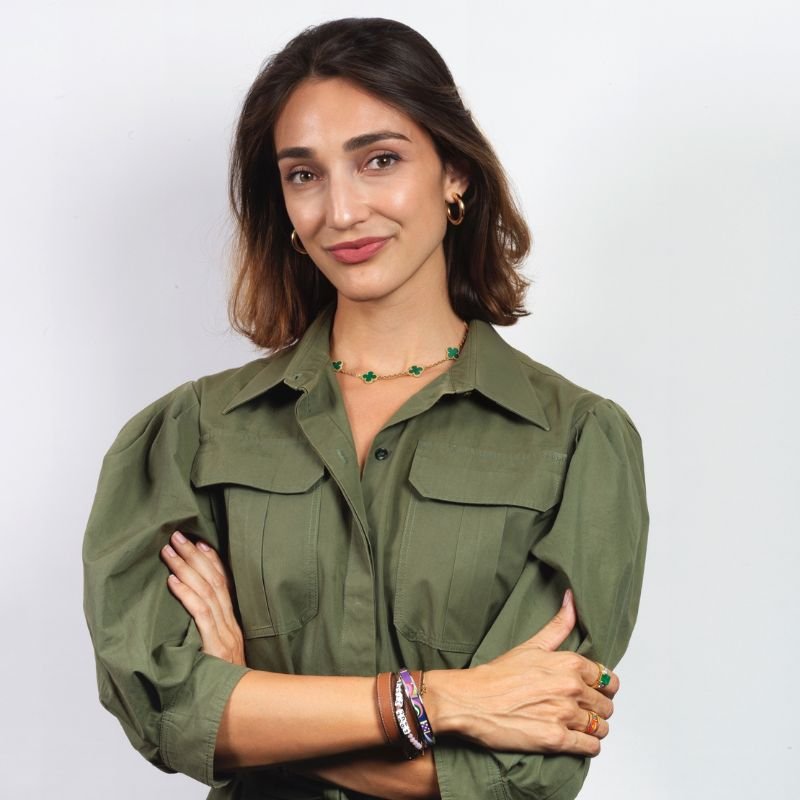
Marie Claire van Schooten: I felt that I had to first venture out on my own with full support of my parents. Not strange coming from a large family of entrepreneurs: aunts, uncles, cousins, and my own family through my mum and sisters. Growing up, the art world was never far. At home we always talked about the business my mother founded, van Gelder Jewellery, now run by my two younger sisters, and her specialisation in antique traditional Indian jewellery. We always helped out during our free time at fairs such as TEFAF Maastricht. I feel that I never really stepped away, life simply showed me a different route to the art world and how to find my own place in it.
The Capitalyst: Your first personal art purchase was a small blue-and-white Chinese porcelain cup made using the “devil’s work” double-wall technique, a piece rooted directly in your family’s specialty. Starting your own collection with something so close to your upbringing, rather than striking out in a completely different direction, is a telling first choice. Did you ever worry that beginning there would make it harder to develop a collecting identity that was distinctly your own?
Marie Claire van Schooten: No, not at all. One of the most important lessons I have learned is to never stop looking and follow your intuition. Being from a family working in the art & antique world I was always exposed to much more than just antiques. My parents collected design and contemporary art in the 70ties so I was encouraged to look beyond what was on our doorstep and develop my own taste and my own way of collecting. I think that that is the reason that I like to collect eclectically rather than within one field.
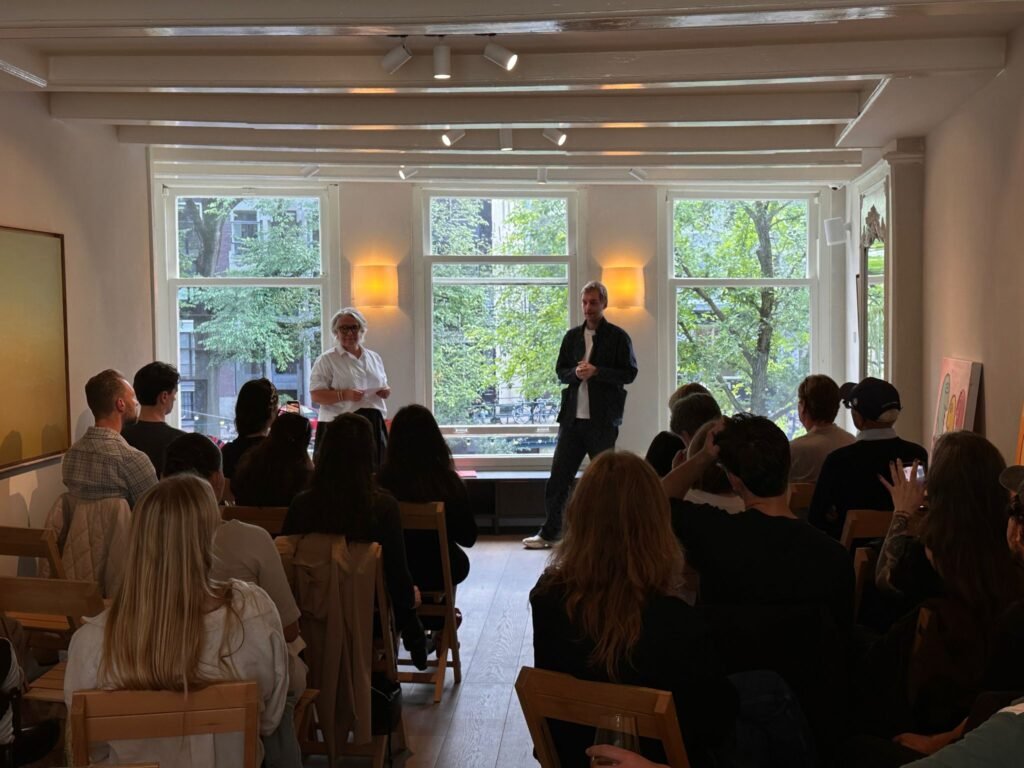
The Capitalyst: You founded “Browse. Be Inspired. Start Collecting.” as a platform to help newer collectors navigate the art world through talks, seminars, and art walks, and you’ve since built FINE DE CLAIRE around high-end art experiences, curation, and exhibitions. What did guiding first-time collectors through their earliest, most uncertain purchases actually teach you about how people form a relationship with art, something your own decades of family exposure to it might have made you forget?
Marie Claire van Schooten: The most important thing for me is, like a mentioned before: start looking, that always stayed but I sometimes forget that the art world can be a daunting one. The insecurities of potential first time buyers continues to stay the same over all these years: ‘I do not know anything about art’ ‘ I am hesitant to entre a gallery or ask a gallery owner something’. Again, start looking and it all begins with the emotion: ‘do I like what I see’, that also still works for me personally today. Evolving to where I am now with Fine de Claire; high-end art experiences, curation, and exhibitions with a focus on India gave me, in the beginning, also the same questions like a first time collector. I knew that I had to practice what I preached and when it is a passion, when it really comes from the heart, which is the case with India for me, you can never go wrong!
The Capitalyst: You’ve said India has been part of your life for thirty years, and you now organize bespoke India travel experiences that blend architecture, craftsmanship, and access to artisans most travellers would never find on their own. What was it about India specifically, out of every place your family’s antiques and art world could have pulled you toward, that turned into a genuinely lifelong relationship rather than one interest among many?
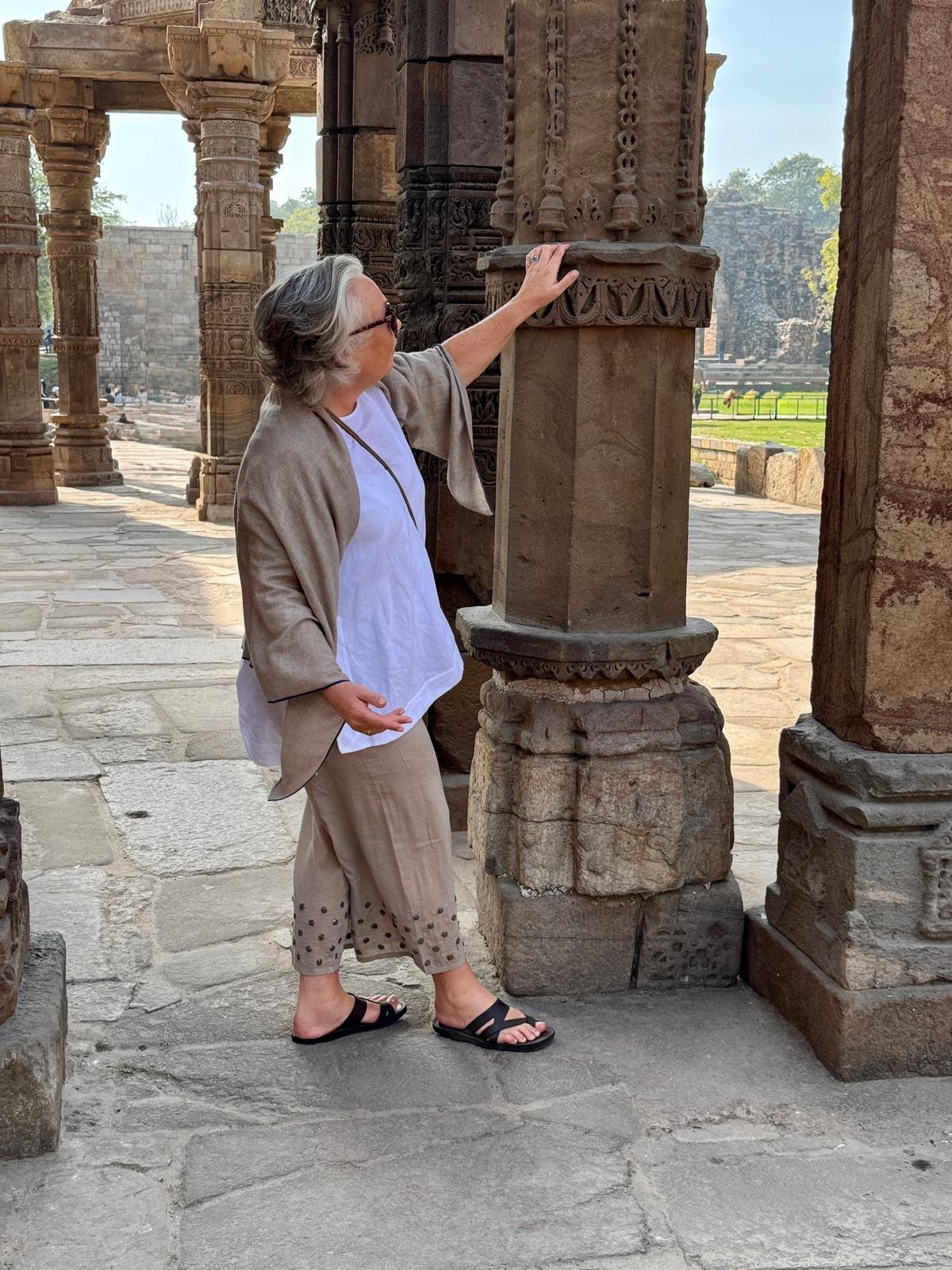
Marie Claire van Schooten: It was through our family business, Van Gelder Jewellery. My sisters and myself literally grew up with it. When our mother came home from a trip to India, all those years ago, she showed us what she had found, she shared stories of villages she visited and people she met. She let us feel the weight of the pieces, showed us how different colours of meena work represents different areas in India…. All at our kitchen table. Once I started travelling with my mother and sisters, meeting the people, seeing the art, developing my own network and building knowledge of contemporary Indian art I just knew I had to walk that path, connecting people, curating and creating spaces where they meet. I always told myself: one day India will show me what my role and business will be. I trusted the process and here I am today.
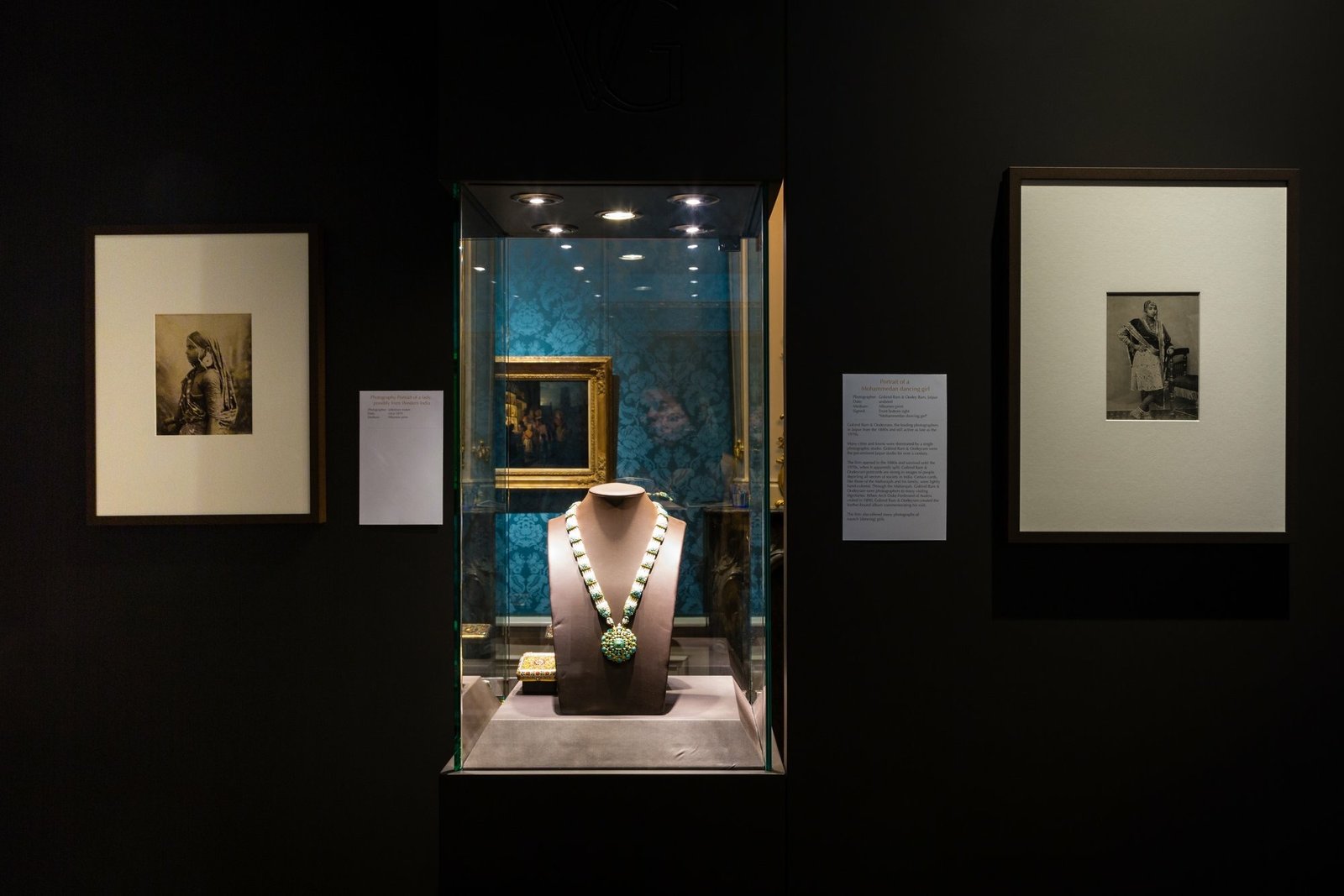
The Capitalyst: Your own collection spans Chinese porcelain, Indian miniatures, works by the Zero Gruppe originally collected by your parents in the 1970s and later gifted to you, and more recently your first abstract painting by Norwegian artist Thomas Pihl. That’s a genuinely wide range spanning centuries and continents. Is there a single thread that actually connects all of it in your own mind, or do you think of your collection as intentionally resisting a single coherent narrative?
Marie Claire van Schooten: In the meantime I have also collected a Pichwai painting from ‘Pichwai tradition and beyond’, photography by Jean Marc Spaans and recently was gifted a beautiful centuries old Chinese bronze bell. I collect very much along the philosophy mentioned earlier. I need to like what I see first and….I buy the best my budget will allow me to. Another one of those things I was thought early on. So no,..I do not collect along one single thread or resist a coherent narrative. I collect what I really like and the narrative then develops itself. For me the narrative lays more in where I bought a piece, how I felt, meeting an artist, understanding the craft and importance of supporting centuries old crafts in India.
The Capitalyst: You’ve described yourself as someone who buys a piece because it’s beautiful and intriguing first, then investigates further, choosing to fit your interior around the art rather than the other way around. That’s a genuinely instinct-led way to collect in a market often driven by provenance and investment logic. Has that instinct-first approach ever led you to a piece you later discovered had a far more significant history than you initially realized?
Marie Claire van Schooten: No, again, I collect what I find beautiful and sometimes history, provenance,…is less important. I was invited to a diner at a contemporary art gallery in Amsterdam this summer, as an art professional, at a table filled with young women in finance who wanted to know more about art and wanted to know if art is a good investment. The answer was very clear, collecting art should not be a way of investment.
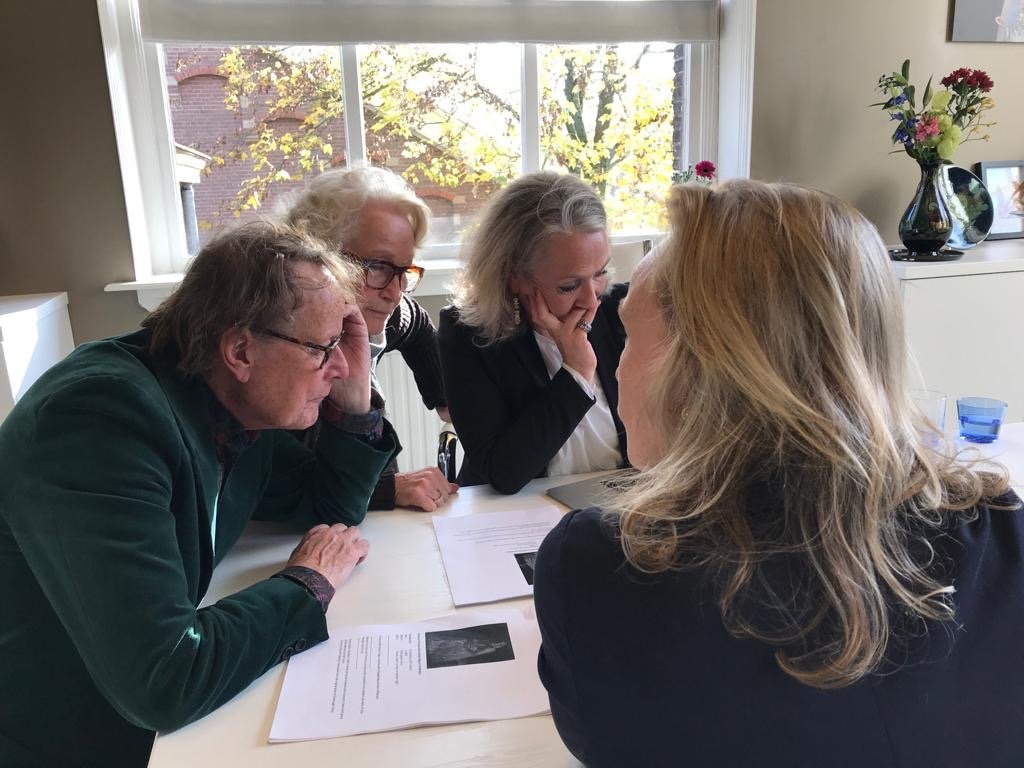
The Capitalyst: Through Swapna Foundation, you’ve described witnessing the struggle of girls and women in India firsthand and then embarking on a fundraising journey to support their access to quality education. Moving from admiring a country’s art and craftsmanship to actively raising money for its most vulnerable communities is a real shift in the nature of your relationship with India. What was the specific moment that pushed you from appreciation into action on that front?
Marie Claire van Schooten: Again, this also stems from our family. Having spent so much time in India, creating life long memories, making friends who are now family, doing business; for us it was imperative that we had to give back to the country that has given us so much. We founded Swapna Foundation The choice of focus was easy; we have seen female empowerment first hand at home, from our mother who set up a business that no one really understood in Europe. She created her own market and built an internationally renowned business. So it had to be about empowering girls through education. I knew, when we gifted her Swapna Foundation 8 years ago, that this was what was missing in my work . We have a fantastic local partner, this also was imperative for us. We are not from India and all we do needs to be done with respect for the culture. That is why we say: We are not changing the world, we are raising this who will. I am lucky that I can combine my professional work with my philanthropic work. I am very much looking forward to our first fundraiser in India, in Jaipur, our home, in collaboration with Laalee . Art and impact truly come together here. All who work with or in India should do the same.
The Capitalyst: You’ve helped young artists and collectives secure funding from institutions like the Prince Claus Fund and gained visibility through platforms like the Affordable Art Fair, effectively becoming a connector between emerging talent and larger opportunities. When you’re deciding whether to put your own name and network behind an emerging artist?
Marie Claire van Schooten: I am, how I collect, an intuitive person. I am a networker so indeed a connector which is different than an art advisor or gallery owner. When I like work or projects that I see and when I have a real connection with the person, the artist or the project, then I am willing to look into the possibilities to take it further and give him, her or the project a chance through connecting my network both in India and the rest of the world. Most importantly you have to give an artist or a project a chance. So much is looked at from a business perspective and less from really wanting to give something or somebody a chance. I know from experience how important this is.
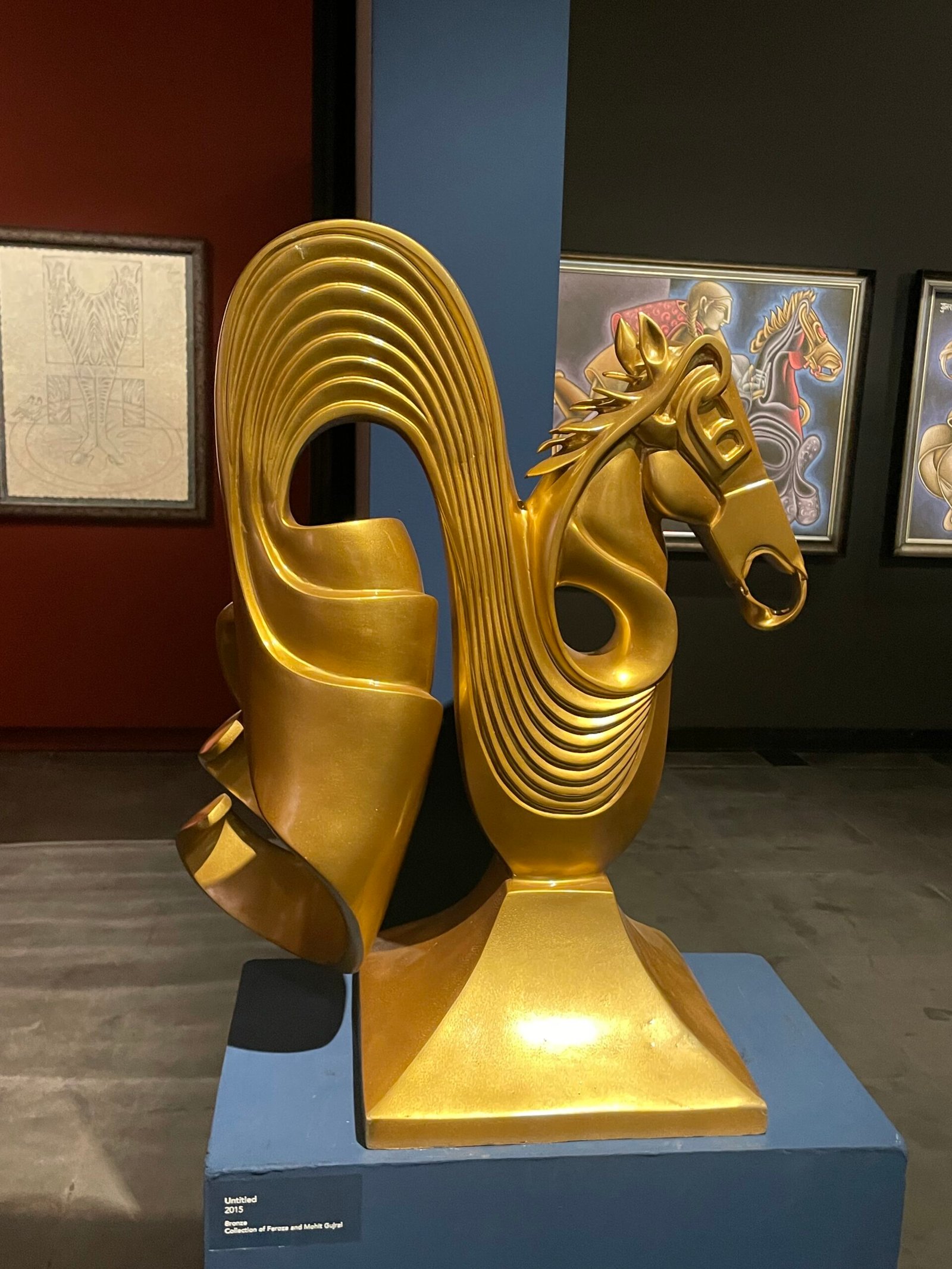
The Capitalyst: Your career has moved through antiques, advertising, art consultancy, high-end curated experiences, and now foundation work supporting girls’ education in Rajasthan, disciplines that don’t obviously build on one another. Looking at that full arc now, do you experience it as one continuous thread finally converging, or does it still feel like several genuinely separate chapters of your working life?
Marie Claire van Schooten: I really feel that I have come full circle even though life is always in motion. I have always said that I could never do what I do now without having had all the past experiences, good and bad, professionally and privately. I am now also on the advisory board of the Indian Business Club Amsterdam. A social society bridging the corridor between India and the Netherlands, with our home in Rosewood Amsterdam. A real appreciation of my knowledge, network and passion for India. India has shown me what my passion is in life: showing an audience my India; through my highly curated and personal art travels with guests and collectors. Working with Indian artists who want to look outside India and non-Indian artists that have an interest in exploring India as a market. With India playing an important role on the world stage today it is important to me to show an audience that, besides the tremendous economic opportunities, you should also look at what its history is beyond ‘The Golden Triangle’ and what is happing artistically. After the 2008 financial crisis it was difficult but with the current economic growth and India taking centre stage in the world, the Indian contemporary art market, supported by the likes of Kiran Nadar, KNMA, Feroz Gujral, Gujral Foundation, Abhishek Poddar, MAP or Sana Razwan, Public Arts Trust India to the Kochi Muziris Biennale is growing to new heights. I am also happy to see that our own Embassy of The Netherlands in New Delhi is putting their weight behind it through the Rembrandt Residency
The Capitalyst: Between FINE DE CLAIRE’s curated art experiences and exhibitions, your personal collecting, and your ongoing work with Swapna Foundation in Jaipur, you’re now operating across commerce, culture, and philanthropy simultaneously. What does the next chapter of tying those threads together actually look like for you, and is there a specific project bridging India and the Netherlands that you’re hoping to build but haven’t yet found the right moment to launch?
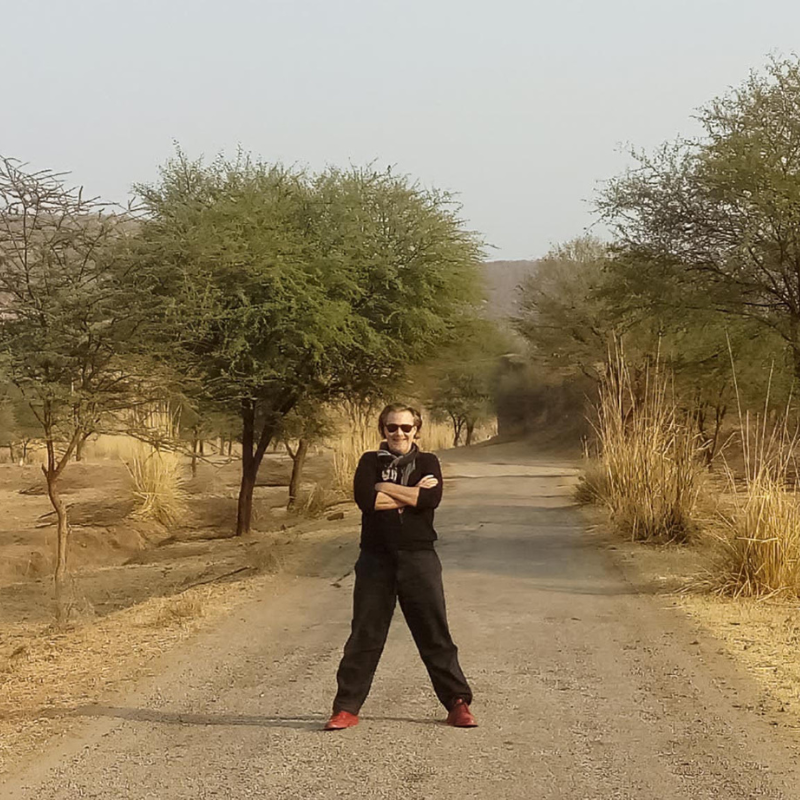
Marie Claire van Schooten: I am lucky in a sense that all these threads have now come together in how I work. When I travel with collectors to India I always show them artists or projects that I feel are important, places that I love off the beaten track. I always make room in the program to show them our work for Swapna Foundation. I think it is important to also highlight the challenges when frequenting the sometime dazzling world of the arts. Of course there is a project that I am still wanting to launch. A Dutch artist duo and bring them to India. A labour of love of which I am convinced will one day happen. It would be the first time ever that they would show in India. But, with many of these things, it also takes funding to get it realized. Many conversations have happened, some good some not so good but I am passionate about it so I trust the process!
I think that in the end you never stop weaving the tapestry of what we call life, being it professionally or privately and that is why I feel that the journey that I am on is really never finished and makes it that more exciting moving forward.