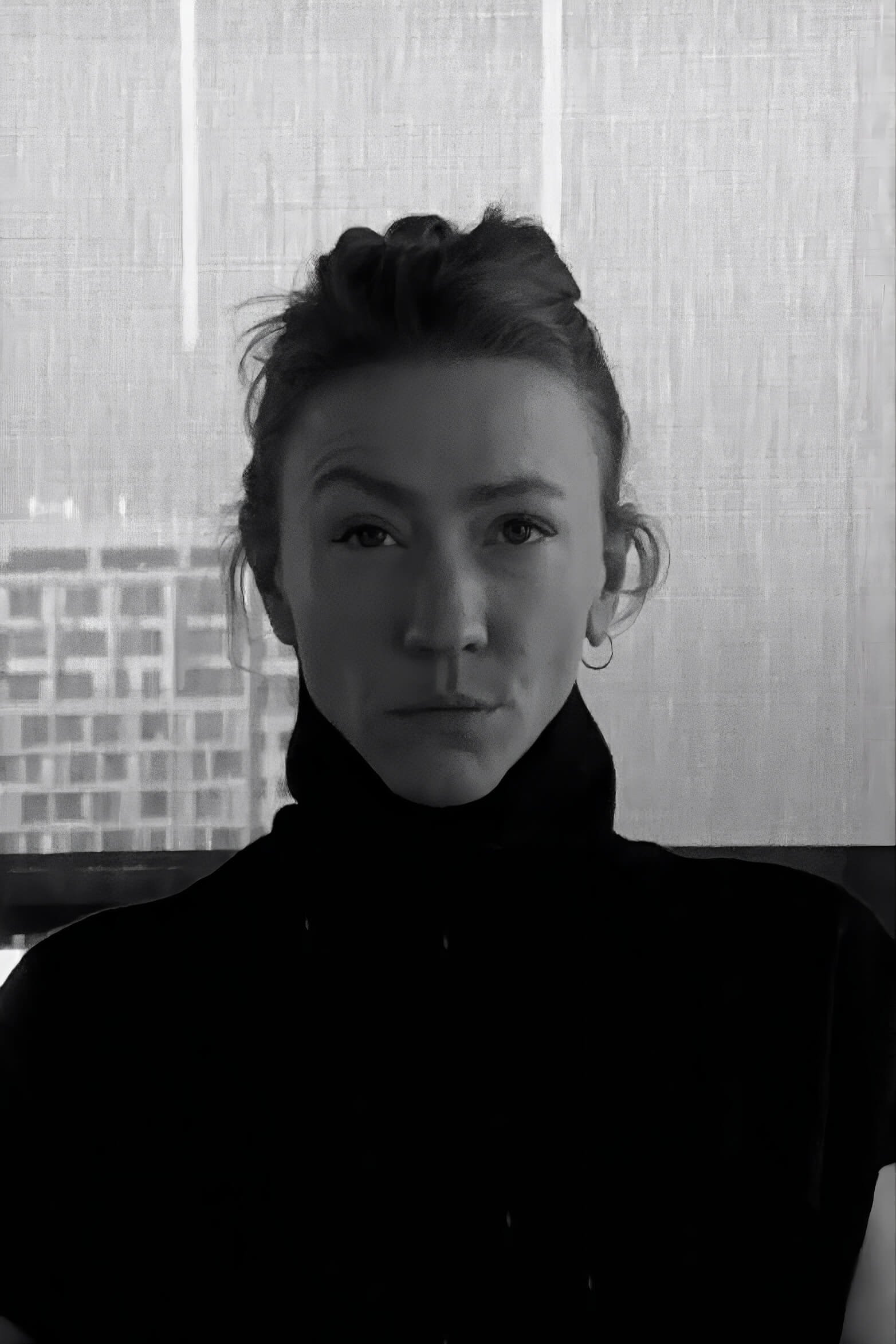
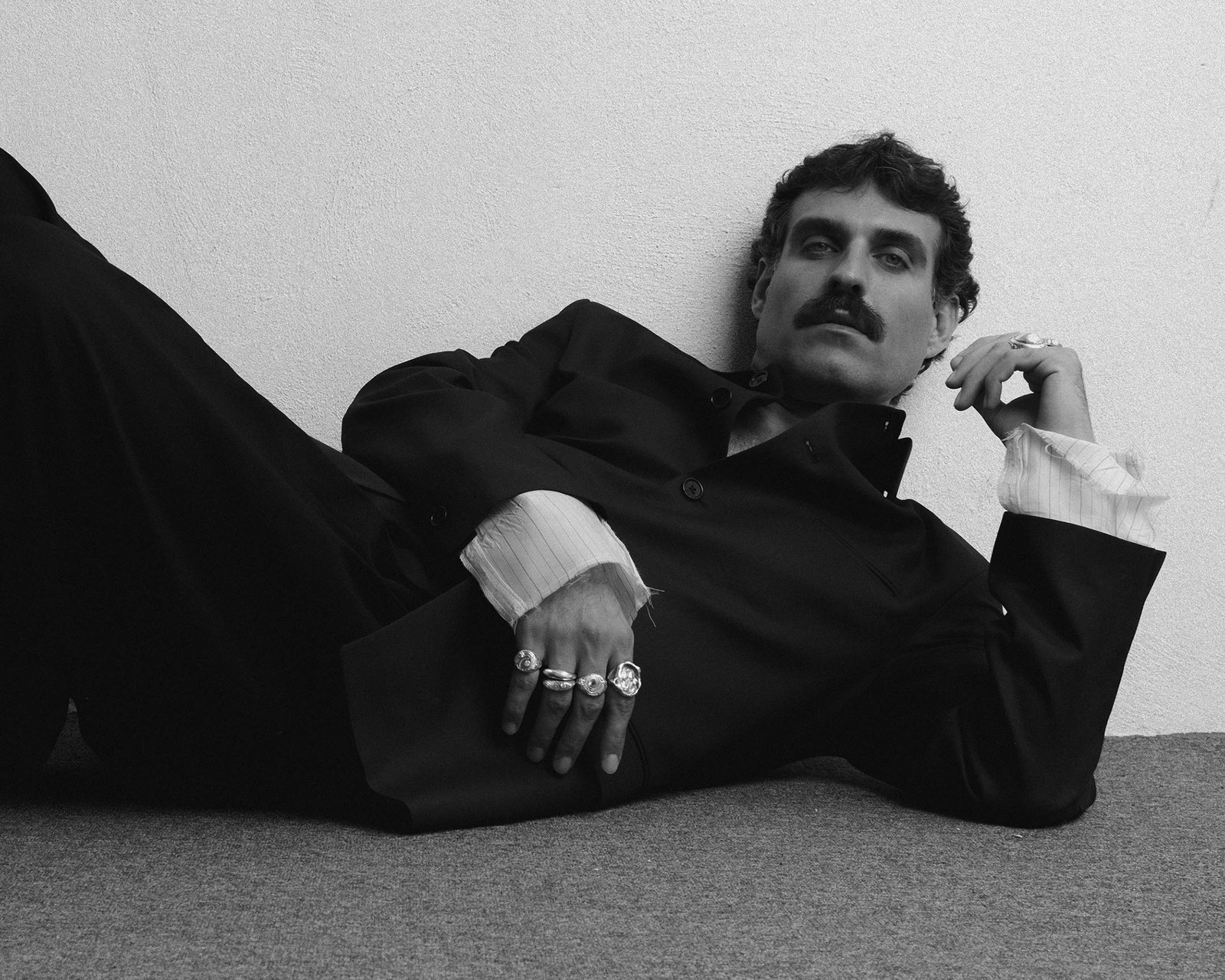
The Capitalyst: You co-founded the original Gallery Nature Morte with Alan Belcher in New York’s East Village in 1982, part of a scene that also included Cash Gallery, International With Monument, and Pat Hearn Gallery, all specializing in what critics called Neo-Conceptualism and Commodity Art. You closed that gallery in 1988, reportedly to refocus on your own artistic career rather than because it had failed. Looking back, do you think that closure was really about protecting your art, or had you already sensed the East Village gallery moment itself was running out of road?
Peter Nagy: Actually, the East Village as a neighbourhood for galleries was already ending by 1987. The landlords got greedy (my storefront rent tripled from 1982 to 1987) and you could get a larger space for the same price by moving to one of the big gallery buildings on Broadway in Soho. Plus, if you wanted to continue you had to become more professional, as Soho galleries were starting to poach artists from East Village galleries. Many EV galleries did make the move. For me, it was simply choosing to be an artist over a gallerist.
The Capitalyst: A then-23-year-old you told the New York Times that “artists are basically our audience,” a strikingly narrow definition of who a gallery is actually for. Nature Morte in New Delhi today operates in a completely different commercial reality, courting international collectors at fairs like Art Basel and the Armory Show. At what point did you stop building primarily for other artists and start building for collectors and institutions, and did that shift ever feel like a betrayal of the gallery’s original spirit?
Peter Nagy: Well, we never discouraged critics, curators and collectors from coming to the gallery in NY. But I do believe that if you get artists excited first about what you are showing in the gallery, the others will follow. I wasn’t a purist and I never had any problem with selling art to make money, so there never was any guilt involved with becoming commercially successful.
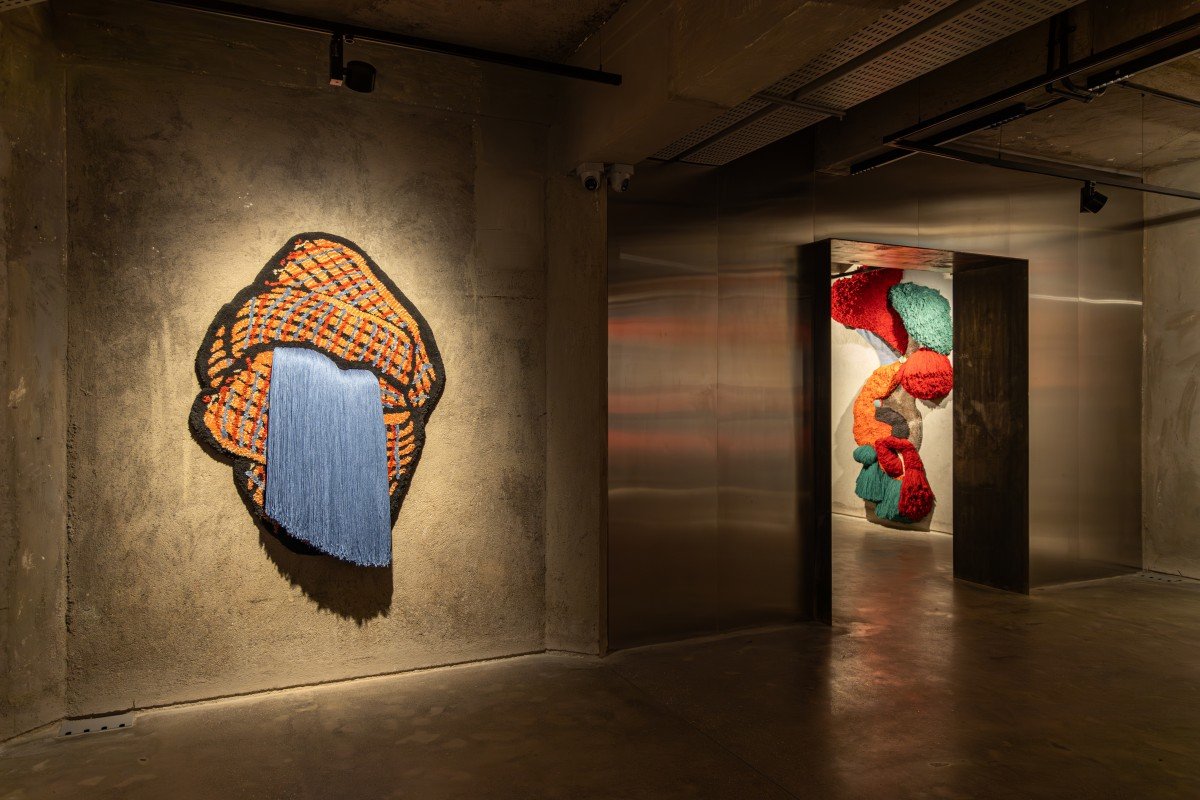
The Capitalyst: You moved to New Delhi in 1992 but didn’t revive Nature Morte commercially there until 1997, a five-year gap between arriving and relaunching. What actually happened during those five years that made you decide the moment was finally right, and was there a specific artist or encounter in India that convinced you the gallery needed to exist there?
Peter Nagy: There are a number of factors here. First, the art market crashed in 1990, so one reason to move to India was that my dollars would stretch farther. I was still making art and having shows with galleries in New York and Europe, so I had some income from my art. Second, I needed to learn about India and Indian modern and contemporary art. I spent a lot of time in libraries and going through peoples’ collections of gallery catalogs. Also, I wanted to travel around the country to see what was already here, visiting the museums and galleries. Third, as an American, I am required to have an Indian partner to start a business. I didn’t find the winning candidate until I met Vishal Dhar (not the artist we know as Vishal Dar today), who was from a Kashmiri family living in Delhi but in his last year studying business at Pace University in New York. We met in New York and then he returned to Delhi and introduced me to Ritu Walia, also based in Delhi, and the three of us spent about a year plotting how to go about opening a gallery. Because Vishal was interested in art and had lived in New York, he had a good sense of what I wanted to do here. During these five years I had met artists, mostly in Delhi, some in Baroda, a few in Mumbai, whose work I was interested in knew I wanted to show. There was less happening for contemporary art in Delhi than in Mumbai, which meant there was more opportunity for a gallery here. And the fact that the art world was conducted primarily in English in India was certainly a big help! Before I opened the gallery, I was doing a lot of writing, catalogue essays for artists’ shows and a monthly column in First City magazine for a few years.
The Capitalyst: In 2006, Nature Morte became the first Indian gallery to participate in Art Basel, at a time when contemporary Indian art barely registered internationally. You’ve described the years right before that as suddenly having people “showing up looking for Indian contemporary art.” What changed in the international market’s appetite, and did that sudden attention feel to you like genuine curiosity about Indian art, or more like a passing trend you knew wouldn’t fully last?
Peter Nagy: Yes, it was a very big trend, referred to as the Globalisation of the Art World. In the early-to-mid 1990s, the powers that be (museums, galleries, magazines, still very much centered in New York, London, and Paris) decided that they needed to incorporate contemporary art from all over the world into their agendas. China was the first port of call, and curators, critics, gallerists, collectors (mostly from Europe) poured into the country looking for contemporary art to bring home and show. This happened on a huge scale and in the beginning of the 2000s the doors flew open and the word on everyone’s lips was “India is the new China.” This benefitted primarily the generation that had come of age in the 1990s and were now making mature work, many of whom I was working with. Museums (again, mostly in Europe but some in the US, Japan and Australia) mounted huge shows of Indian contemporary art and many of the artists went on to have shows and be represented by galleries. But this trend also moved on, to the Middle East, then South America, and today in Europe the “emerging art” is coming from Africa (while the US is fixated on the African-American diaspora artists). So while the huge amount of attention in Indian contemporary art in the early 2000s was certainly genuine, it also had its expiration date.
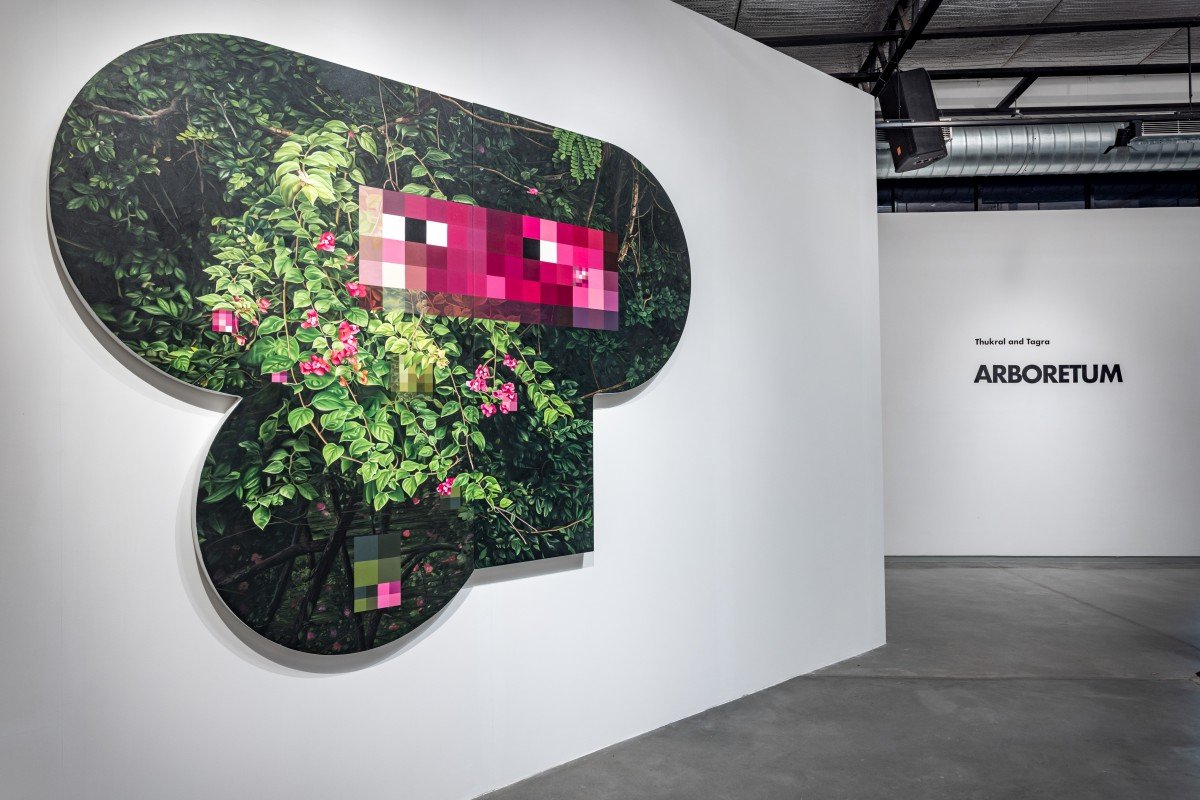
The Capitalyst: Nature Morte expanded internationally with outposts in Berlin from 2008 to 2014 and Kolkata from 2010 to 2013, and the Berlin space opened just as the global financial crisis hit, with Lehman Brothers collapsing three weeks before FIAC that same year. Running an international expansion through that specific economic collapse must have demanded real improvisation. What did you actually have to change about how the gallery operated to survive those years, and why did Berlin ultimately close while Delhi endured?
Peter Nagy: We opened Nature Morte Berlin in November 2008 and closed it in January 2014. Yes, it was a rather foolish decision to open it at the start of the Global Financial Crisis, but we had plans and we were optimistic. Mid-way through we down-scaled to a different space that was half the size and price, and kept chugging along. We also showed art that was already in New York and Europe, to cut costs. Meanwhile, from 2003 to 2012 my Indian partner was Arani Bose, who had the Bose Pacia gallery in New York. They also down-scaled and shuttered due to the GFC, so I had to look for a new partner to keep everything going. That was Aparajita Jain, who became my partner in 2013 but looking at the books there is no way we could rationalize keeping Berlin going and had to close it. Kolkata closed in 2013 because there was a major fire in the building, which made it impossible to continue.
The Capitalyst: Today Nature Morte operates two spaces in Delhi, the main gallery at the Dhan Mill complex in Chattarpur and a smaller secondary space in Vasant Vihar, and you now run the gallery with co-director and co-owner Aparajita Jain. What does that partnership actually give the gallery that you couldn’t provide alone after so many years as its singular founding voice, and how do you divide the real decision-making between you?
Peter Nagy: Actually, we have just closed the space in Dhan Mill (after six years) and opened a permanent space in the Gulmohar Park neighbourhood of New Delhi. It is a much more central location and having a full building gives us much more flexibility about how we put our shows together. I’ve never had the gallery in India alone. When Aparajita became my partner in 2013 I was pretty burnt out and in debt because of Berlin, so I was happy to handover to her all the business decisions and logistics. Today, 13 years later, we have a good team and the roles are well-defined, so things run pretty smoothly. I am in charge of our gallery spaces and the shows we put into them. This means working with the artists and handling the content that is generated around the exhibitions. Aparajita handles sales and all financial logistics to run the gallery. As I approach 67, I’m letting Aparajita take control of more aspects of the gallery, as she has much more energy than I do (she’s 20 years younger than me). I am not involved with the art fairs or any of the pop-up exhibitions we do, though we do discuss general programming and I am aware of everything that’s going on. I’m not a control freak and I’m happy to let her and the others on our team do the heavy lifting.
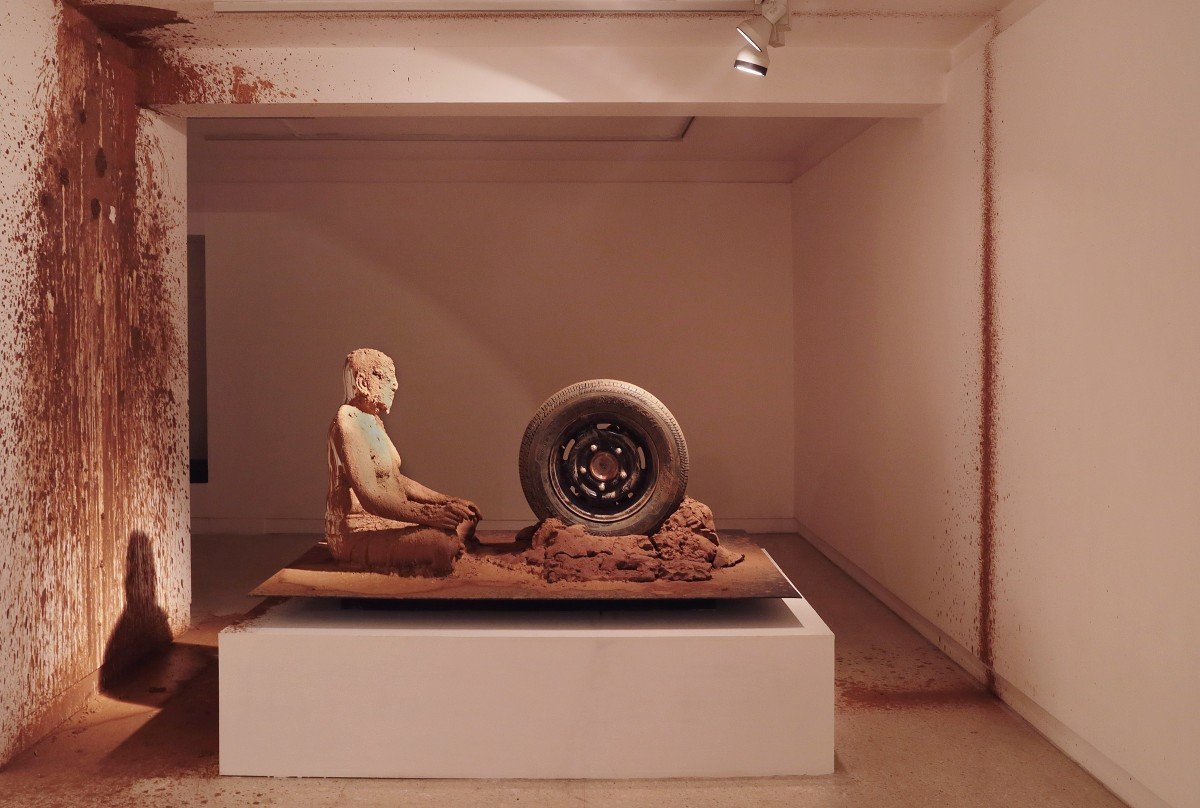
The Capitalyst: Nature Morte represents artists such as Bharti Kher, Subodh Gupta, and Dayanita Singh, who went on to build genuinely international careers, in some cases becoming the most recognized names to emerge from contemporary Indian art. When an artist’s success outgrows what a single gallery relationship was originally built for, how do you personally navigate keeping that relationship intact rather than losing them to bigger international representation?
Peter Nagy: Well, with the Indian artists we work with we are lucky that there isn’t much competition from other galleries in India, though some of our artists do work with other galleries in other cities. We believe artists of a certain calibre require multiple galleries and we’re happy to work with galleries in Europe or the US that want to work with our artists. A natural part of having a gallery is losing and gaining artists over time, but we do have a core group that we have now been working with for 20-25 years, while bringing new artists of different generations in. With artists such as Kher and Gupta, who have a lot going on all over the world, we are often working with their other galleries to support their projects and exhibitions outside of India. And they are happy to support their home gallery, as they certainly want to see the Indian art scene get stronger. In the past few years we have started to work with international artists, and this almost always necessitates working with at least one of their other galleries.
The Capitalyst: You marked Nature Morte’s 25th anniversary in India in 2022, an anniversary that’s rare for a gallery operating outside the traditional centers of New York, London, or Hong Kong. What do you think has actually allowed the gallery to survive a quarter century in Delhi specifically, when so many ambitious galleries outside the established art capitals don’t make it past a decade?
Peter Nagy: We’re now seeing many galleries in India hit their 20th or 25th anniversaries, we’ve hit 30. India is certainly large enough to support a vibrant contemporary art scene in its major cities and now we are seeing a lot of new developments, both commercial and institutional, in the smaller cities. I think the clue to longevity is simple tenacity and a passion for art. I do this because I love putting together exhibitions of art works, it’s as simple as that.
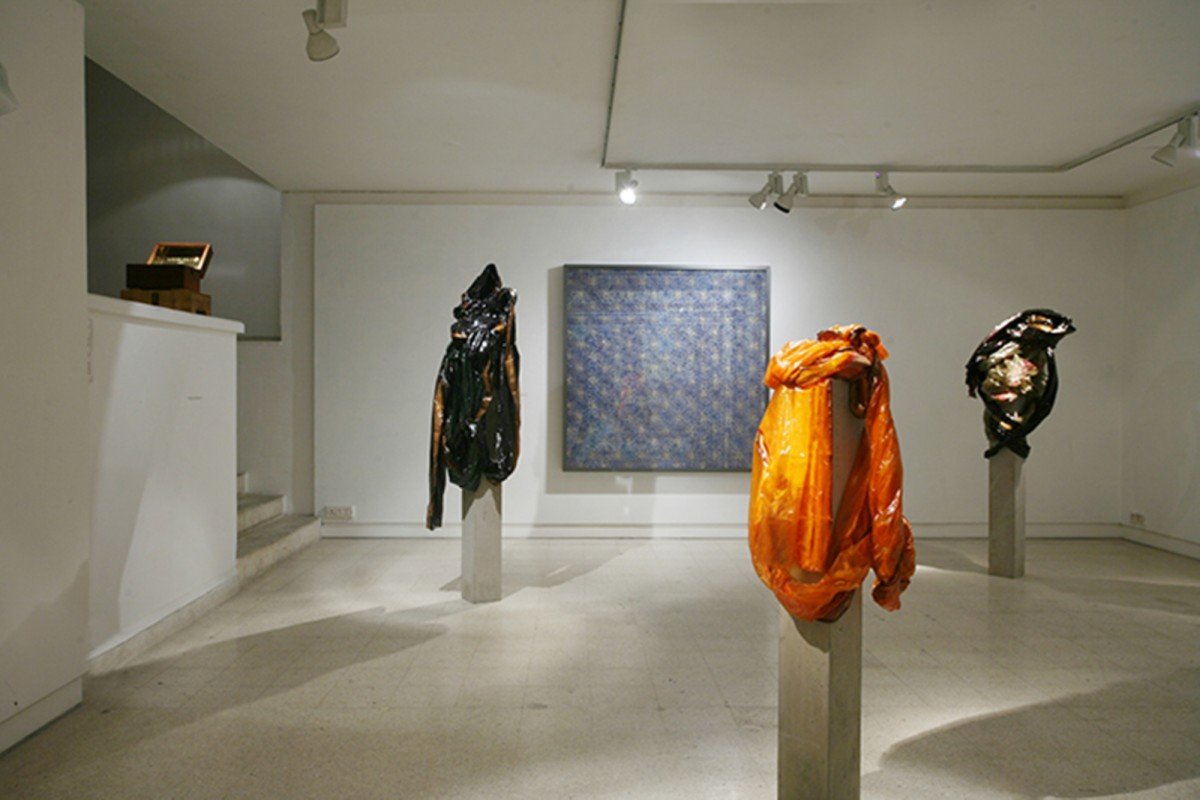
The Capitalyst: Even while running Nature Morte, you’ve continued producing and exhibiting your own artwork, most recently a portfolio of new silkscreens shown in Venice as part of “Sailing to Byzantium,” reproducing pieces you originally made in New York between 1983 and 1991. Does running a gallery for other artists’ careers for over thirty years change how forgiving or how critical you are of your own work, and is there tension between being the person who evaluates other artists’ work commercially and still wanting to be evaluated as an artist yourself?
Peter Nagy: Well, actually, I made almost no art at all from 2003 to 2020. I was too busy running the gallery. The recent silkscreens shown in Venice (and at Nature Morte in Delhi) were made from old works from the 1980s, so I had to do nothing. I think a big part of my success as a gallerist is because I functioned as an artist, having shows with a number of galleries in New York, Los Angeles, and Europe in the 80s and 90s. Plus my general education in art history and art theory. I know how to talk to artists and help them make decisions about their works, how to make their shows in my gallery look stronger. There isn’t any tension with my relationships in India because very few people actually know me as an artist, they’ve just heard about it.
The Capitalyst: Nature Morte has spent nearly three decades pushing conceptual, lens-based, and installation art in a market that historically favored more traditional and decorative Indian painting. Where do you think the Indian contemporary art scene genuinely stands today compared to when you revived the gallery in 1997, and is there a structural gap, in institutions, collecting culture, or critical writing, that still concerns you about its long-term health?
Peter Nagy: When I started to meet Indian artists in the 1990s, I was discovering a lot of photo-based, found object, and installation work that was very interesting and I knew I wanted to show. But I also knew there wasn’t a market for this material in India yet and the market was entirely about painting. But that wasn’t a problem because I love painting and was also discovering a lot of interesting painting. So there was never any frustration with supporting the gallery with painting shows while not selling the other material. Slowly, a strong market developed for photography and the European collectors that came in in the early 2000s were very interested in the found-object and more conceptual work, so the Indian collectors followed their lead. Today, I’m happy to report the art infrastructure has developed tremendously at all levels in the past 25 years, with commercial galleries for young artists (not just modern masters), museums, residencies, biennales, critical writing (both magazines and digital), forums for design and architecture. Frankly, given the breadth and depth of Indian culture I would have been surprised if this didn’t happen.