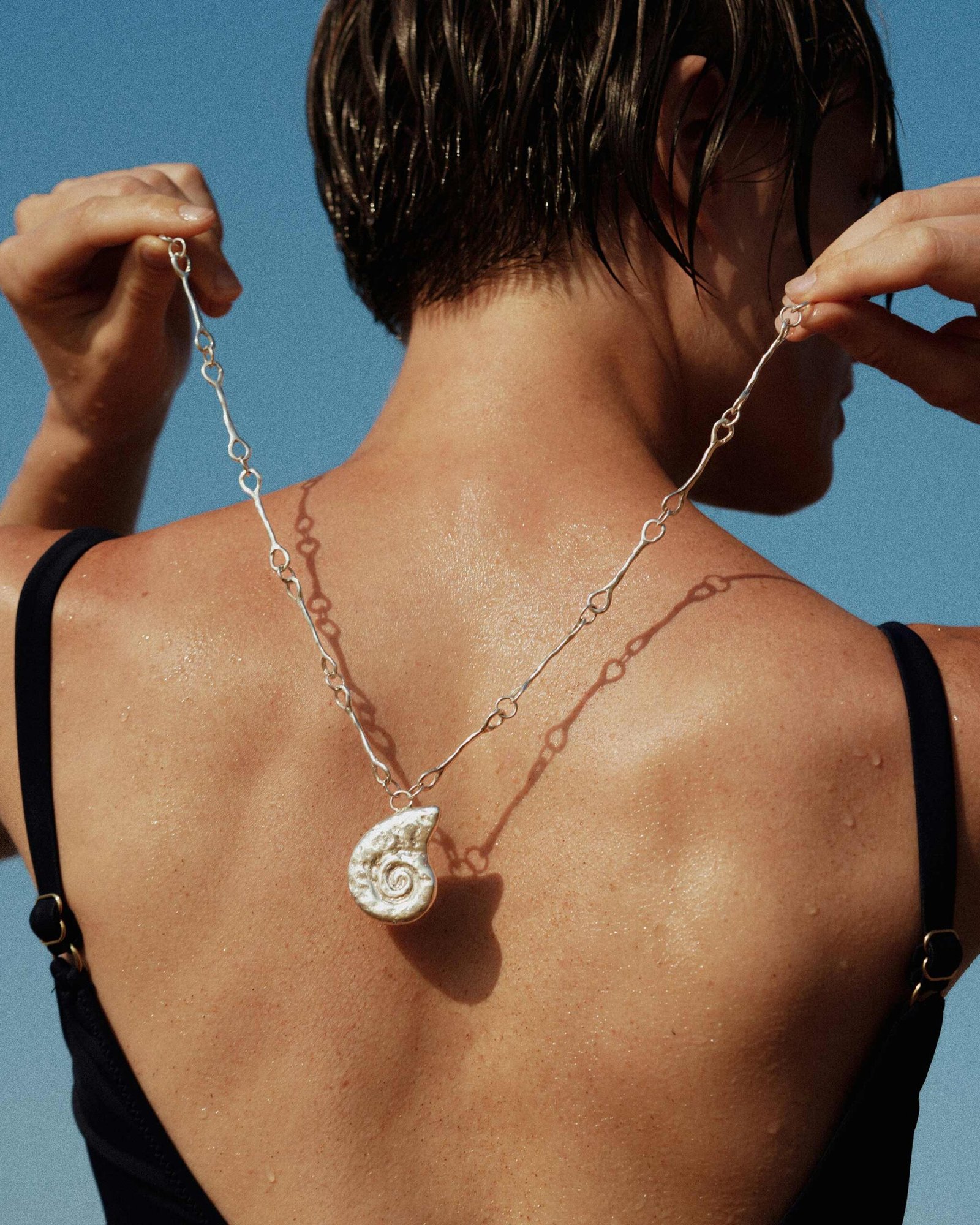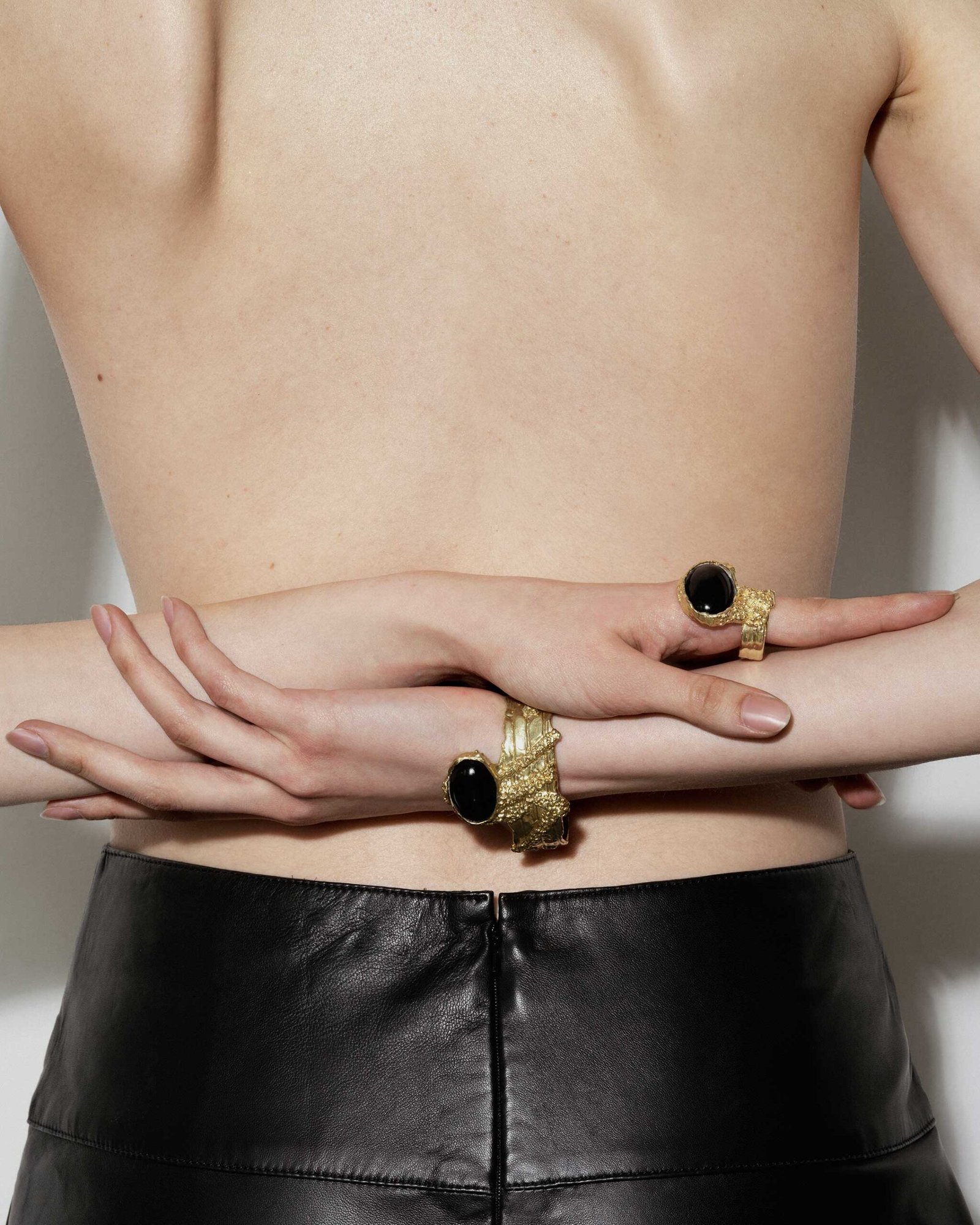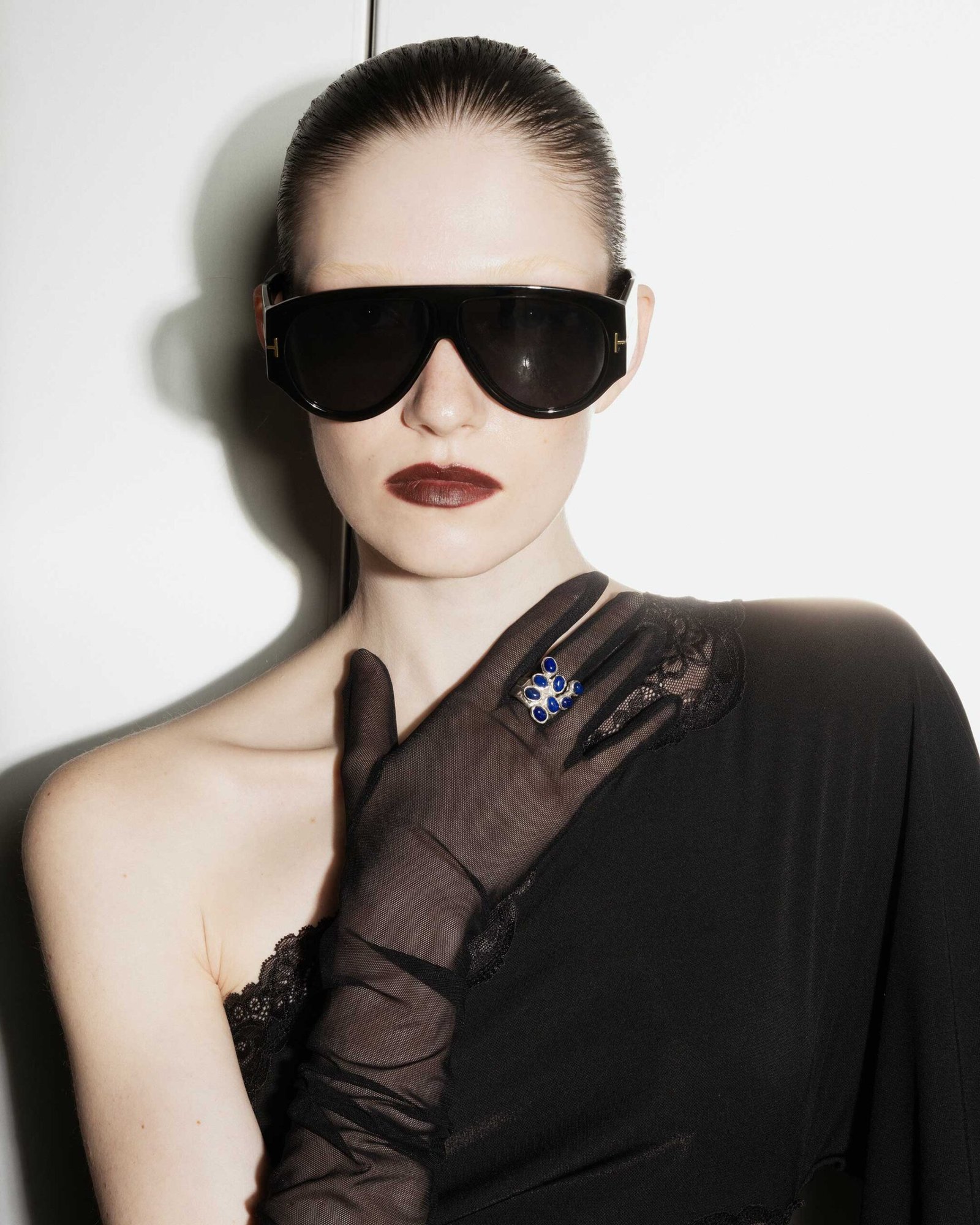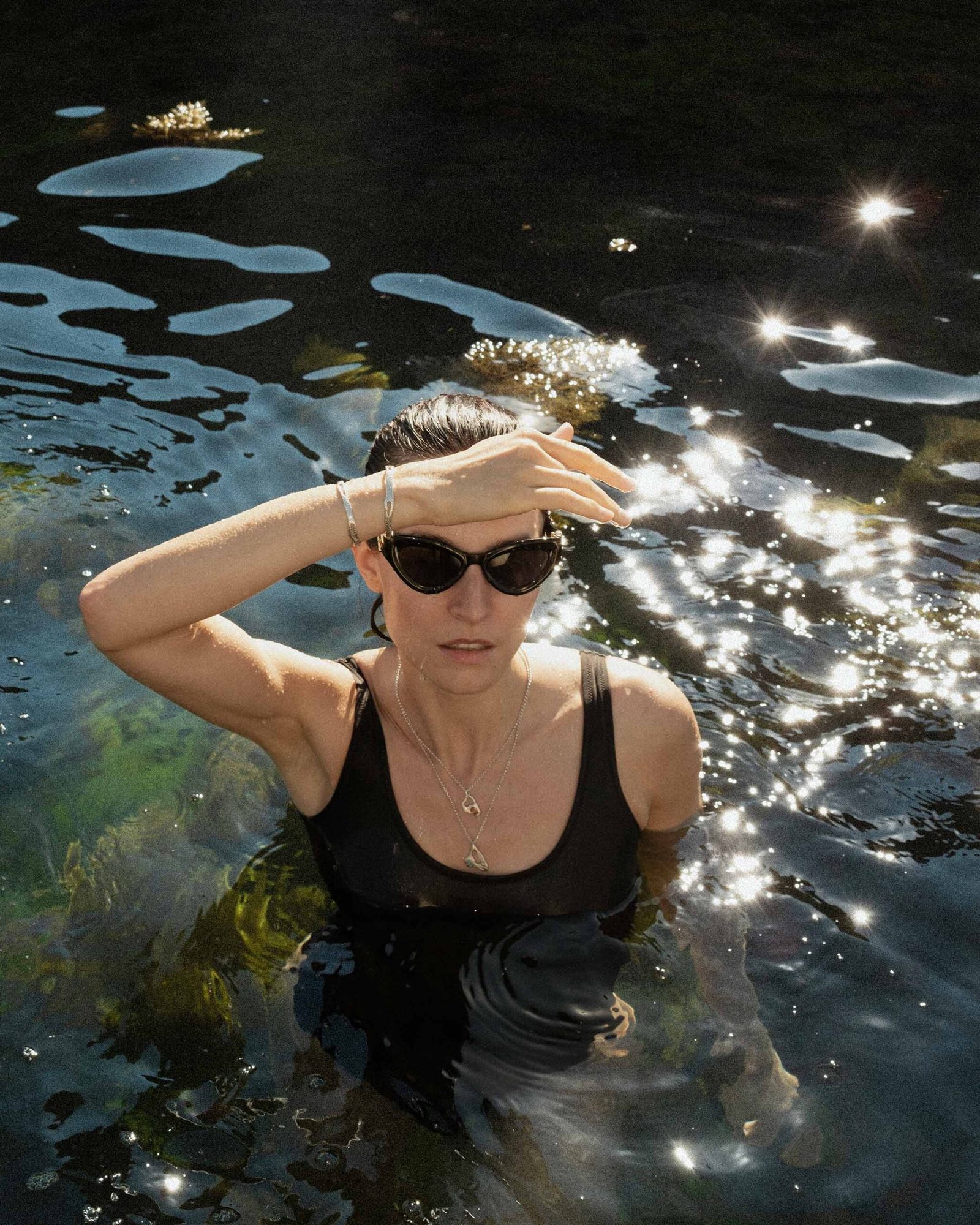
The Capitalyst: Ganj is a Farsi word meaning “treasure” or “hidden wealth.” What were you trying to say about jewellery when you chose this name?
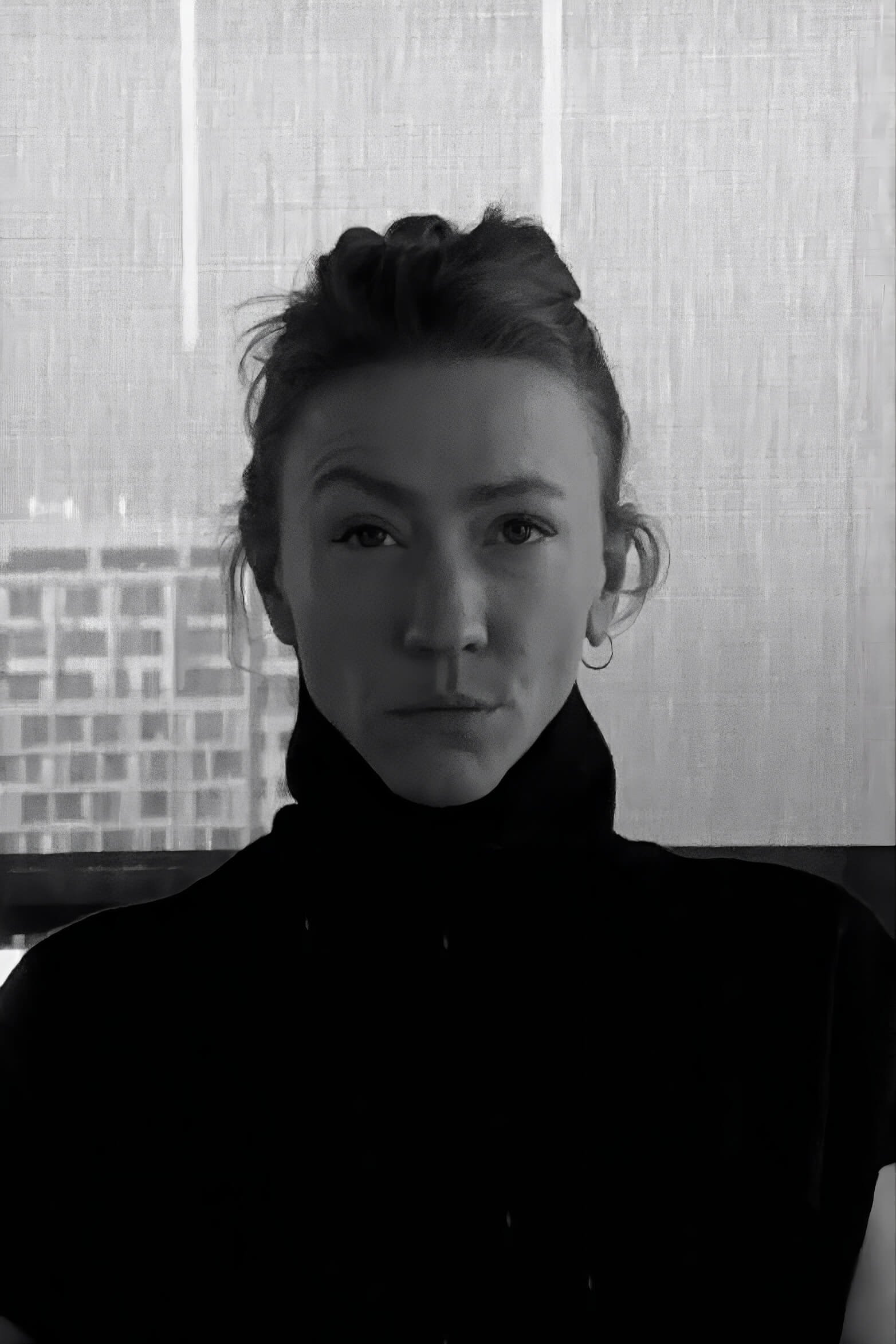
Ali Moradi: Choosing the name Ganj was deeply personal to me. I have always wanted to have a personality like a treasure: mysterious, hidden, and not easily accessible. In Persian culture, a treasure is not simply something valuable; it is something concealed that needs to be searched for and discovered. I wanted the pieces of Ganj to carry that same feeling—as if you have discovered something that was never meant to be available to everyone. To me, jewellery is not simply a beautiful or expensive object. It can become an extension of someone’s identity and personality.
The Capitalyst: What was your doorway into jewellery, and was there a particular object or encounter that led you to it?
Ali Moradi: My relationship with jewellery began in childhood, although I did not fully understand it at the time. Whenever I visited my maternal uncle’s home, the only things I would secretly take were his rings and necklaces, especially the rings with colourful stones and large settings. Years later, he reminded me of these memories, and I realised that my attraction to jewellery, silver, and stones had always been part of me.
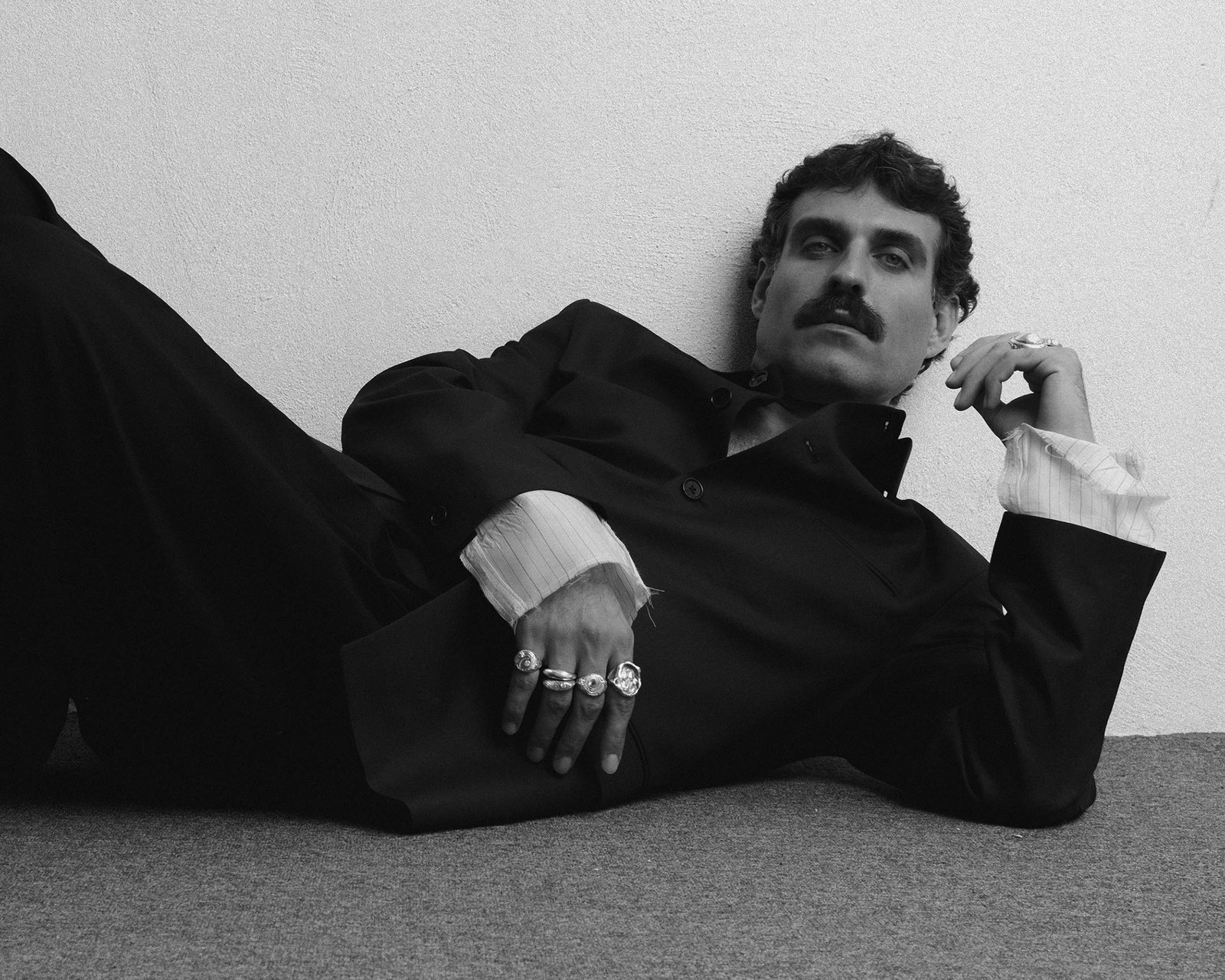
The idea of Ganj became more tangible around two years ago, during a very personal and quiet moment. I was alone, playing with my black cat, Itoshii. My hands were covered in rings, and as I stroked his body, I became fascinated by the movement of my hands, the jewellery, and the magical presence of the animal. I loved the image of my ring-covered hands moving across his body and the connection created between jewellery, skin, and touch. I think the idea of Ganj was born during one of those intimate moments.
The Capitalyst: How much of Iran’s ornamental tradition lives within Ganj, and how much are you deliberately working against it?
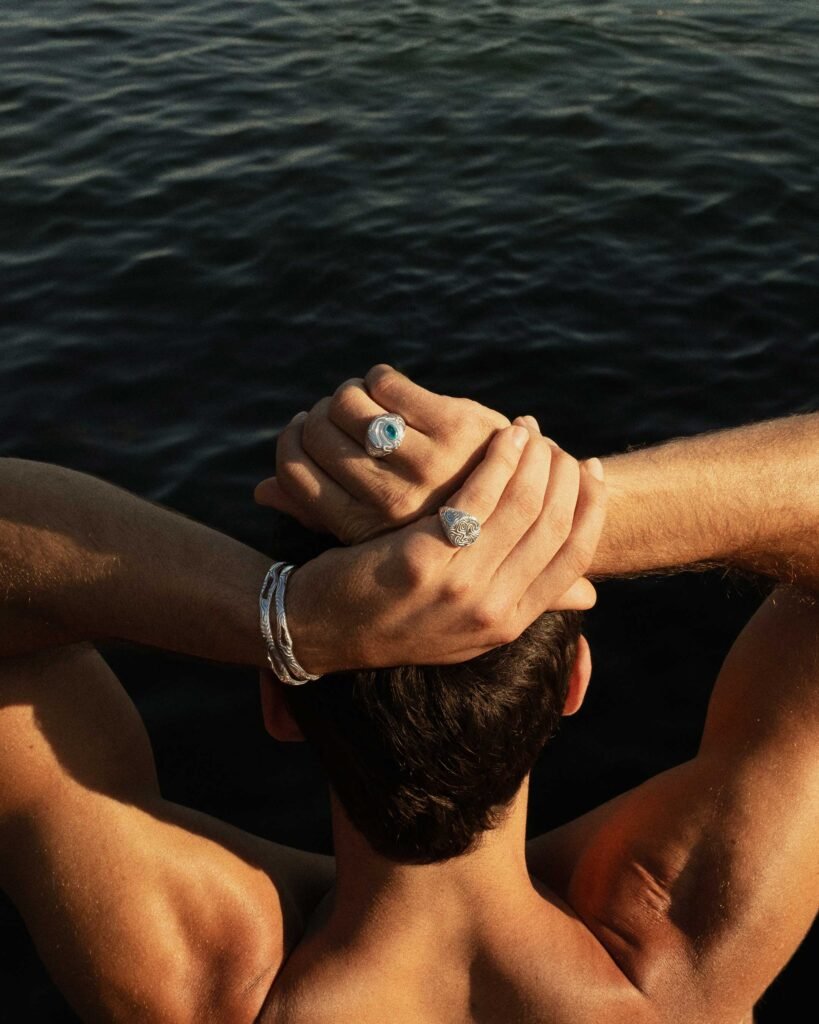
Ali Moradi: I often think about a culture I remember from my childhood—men wearing large rings and colourful stones, unafraid to decorate their hands. At some point, particularly among younger generations, that culture began to disappear, and many men gradually stopped wearing this kind of jewellery. Part of what I want to do is bring that culture back through a contemporary language. I want men to wear jewellery again and feel the weight of rings and stones on their hands.
However, Ganj is not a menswear jewellery brand. It has been genderless from the beginning, and none of its pieces are designed exclusively for either men or women. To me, beauty and jewellery do not belong to a particular gender. I draw inspiration from my own culture, but I do not reproduce it literally. I reinterpret its feeling and authenticity through a modern visual and design language.
The Capitalyst: How do you think about the relationship between the jewellery and its image?
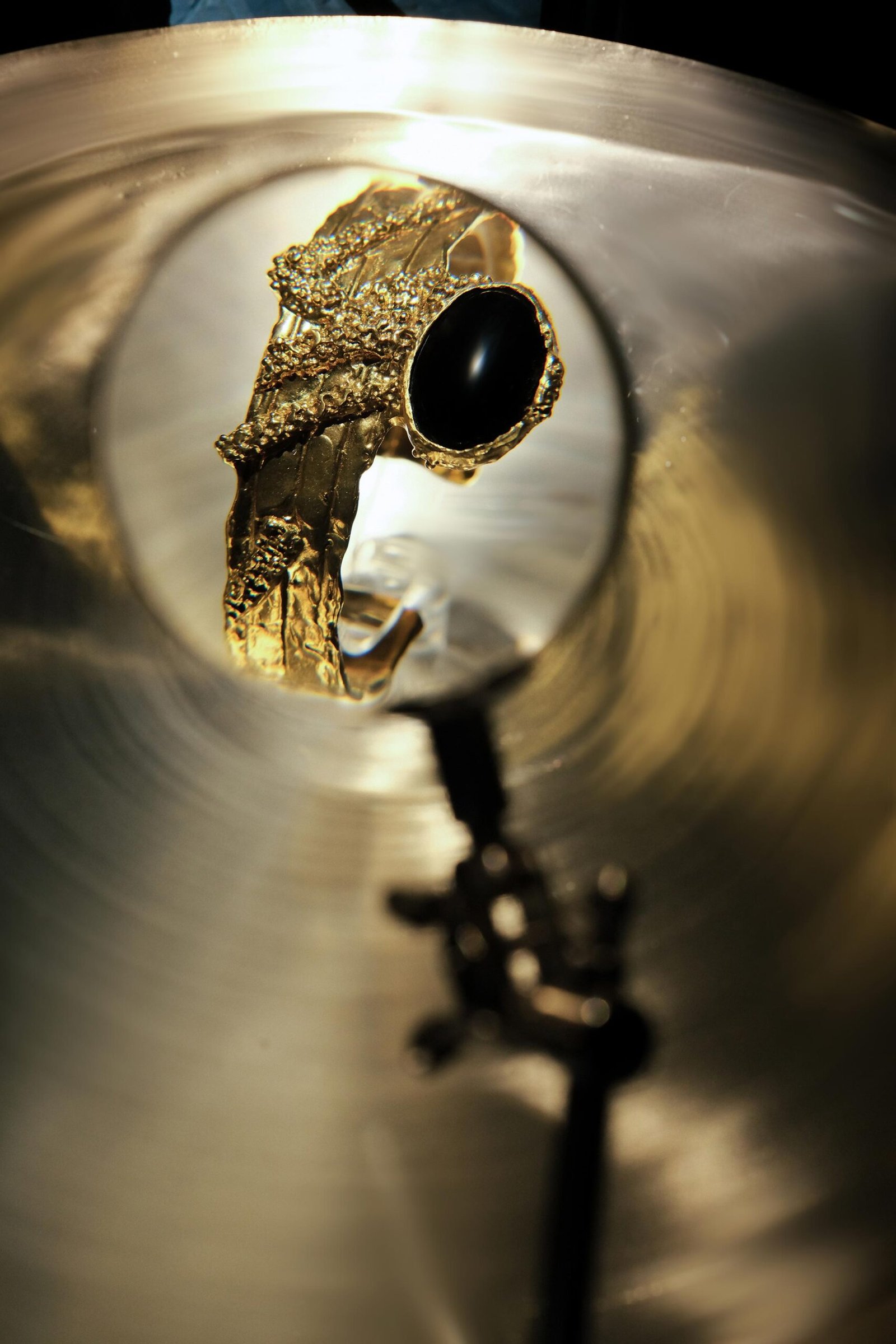
Ali Moradi: When the design and production of a piece are complete and it finally reaches my hands, another stage of design begins for me: designing how it will be seen. I immediately imagine how the piece should be introduced—what clothes it should be styled with, what kind of light it needs, how it should sit on the body, and even the expression and gaze of the model wearing it.
All these choices come from the identity of Ganj: mysterious, rebellious, serious, bold, and, at the same time, dignified. This identity is present throughout all of the brand’s photography and films. I am the founder, designer, and Creative Director of Ganj. I am directly responsible for the concepts, photography, direction, set composition, and the overall media language of the brand. The visual world of Ganj is an extension of the same vision through which its pieces are designed.
The Capitalyst: How do you communicate the physical intimacy, weight, texture, and scale of jewellery through a screen?
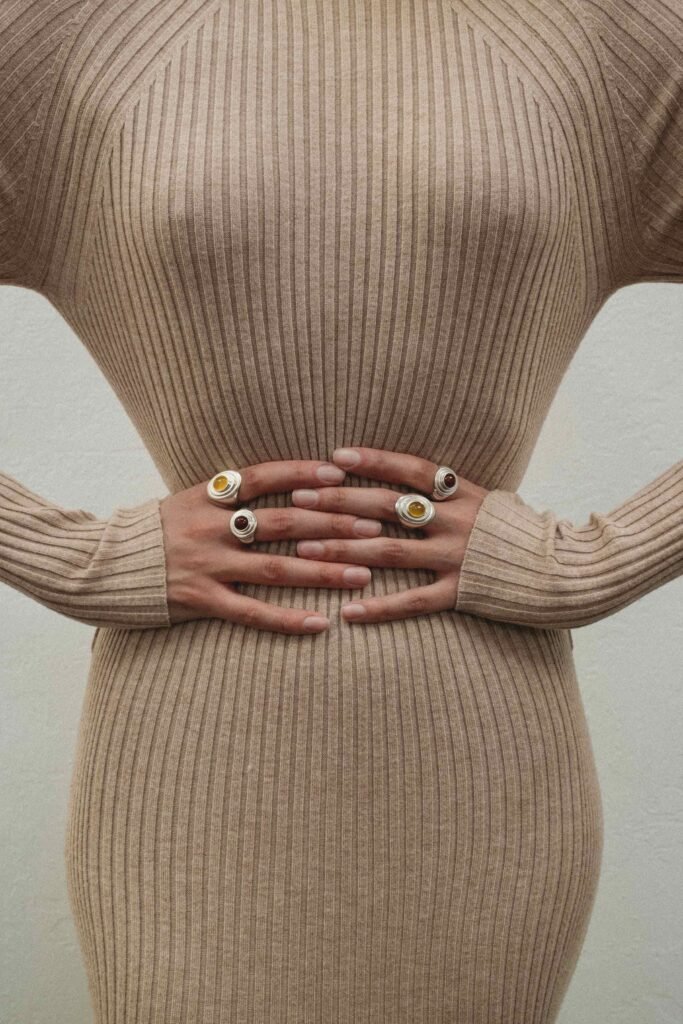
Ali Moradi: Because of my professional background in photography, creative direction, and product presentation, I have learned how to communicate qualities that are not always easy to experience through a screen—from the weight, material, and dimensions of an object to its value, atmosphere, and even its imagined scent.I do not simply photograph a product. Through the identity given to each piece, the way it is presented, and the language accompanying the images and films, I try to help the audience experience the complete world surrounding it.
Ganj currently operates through Instagram and its online store, which is available for sales within Iran. Whenever possible, Ganj also holds solo exhibitions to introduce new collections. These exhibitions allow people to move beyond the phone screen—to see, touch, wear, and physically experience the jewellery.
The Capitalyst: What have the limitations of building a jewellery brand in Tehran forced you to become better at?
Ali Moradi: Every piece by Ganj is produced in Tehran’s traditional bazaar, while some of the materials we use are sourced from markets in Turkey. Naturally, we face certain challenges concerning access to particular materials, international sales and shipping, as well as restrictions around dress codes and the representation of the body in our imagery.
However, I have always tried not to let these limitations compromise Ganj’s creative vision, identity, or standards. I have never allowed these circumstances to change the direction or identity of Ganj, and I do not want to turn these limitations into a story of victimhood.Ganj is currently one year and five months old. Throughout that time, it has continued to grow despite these conditions, and I have never allowed them to damage its identity or stop its movement forward.
The Capitalyst: Do you feel part of a wider movement of Iranian creatives, or has the work felt more solitary?
Ali Moradi: I see the path of Ganj as largely independent. All of our photographic campaigns and shoots have so far been produced outside Iran, working with international models and creative teams. At the same time, every piece is designed and produced in Tehran. If Iranian designers and brands want to be taken more seriously internationally, I believe they need to bring both their work and their presentation to an international standard. They need to understand fashion, recognise what constitutes a real fashion brand, and develop a much deeper understanding of brand building. I believe there is still room for many Iranian brands to develop a deeper understanding of fashion and brand building.
International standards are not only about photography or campaigns. The product itself must also carry the necessary quality and identity. At Ganj, every piece is treated as a work of art—something that contains part of my identity, artistic language, and authenticity, presented in the form of jewellery.
The Capitalyst: Where is the line between your personal identity, @alizabethaa, and the identity of Ganj?
Ali Moradi: There is no clear boundary between my personal identity and Ganj. Everything you see in Ganj is an extension of Ali’s spirit, taste, and personal world.
The Capitalyst: Where does Ganj go from here, and what does the brand look like in five years if everything goes as you hope?
Ali Moradi: My first ambition is for Ganj to become internationally recognised. Silver was only our starting point. I want to expand the world of Ganj through gold, precious stones, leather, and many other materials.In five years, I see Ganj as an international brand available in different countries, particularly across Europe. I see it having its own showroom and independent stores, as well as a presence at major fashion weeks, especially in Europe.The world of Ganj is going to become much broader than what you see today.