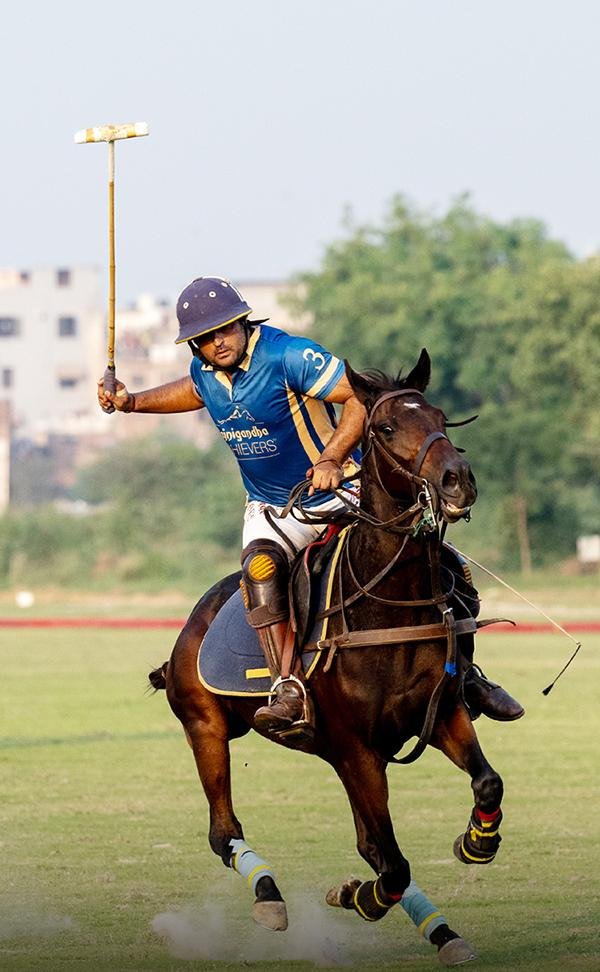
The Capitalyst: You were trained from a young age by your father, Nawab Syed Shujat Ali, alongside your brothers Bashir and Hamza, and you’ve described a strict upbringing, in bed by nine every night, no alcohol or cigarettes, a disciplined diet built entirely around the sport. You’ve also said that when you fell off a horse at age ten, your father told you to keep playing rather than stop. Looking back as an adult now training the next generation yourself, do you see that discipline as a gift you’d insist on passing down exactly as it was given to you, or has your own approach to teaching softened somewhere along the way?
Syed Shamsheer Ali: I definitely see that discipline as a gift my father gave us. At the time, we probably didn’t always understand why he was so strict, but as I grew older, I realised that it taught us commitment, resilience, and respect for the sport.
The Capitalyst: You played your first tournament at eleven, and by that same age you were already representing India internationally against New Zealand, South Africa, Singapore, and Pakistan, a run that carried India to the World Cup finals in 2000. At twelve, you were playing on international grounds in Colombia. What do you actually remember about stepping onto a field that young representing your country, and does an eleven-year-old genuinely understand the weight of that moment, or does it only become clear looking back?
Syed Shamsheer Ali: At eleven, I don’t think I fully understood the significance of representing India. For me, it was simply about playing the sport I loved, competing, and doing my best for my team. I was excited and proud, but I didn’t carry the same sense of pressure that I might feel today.
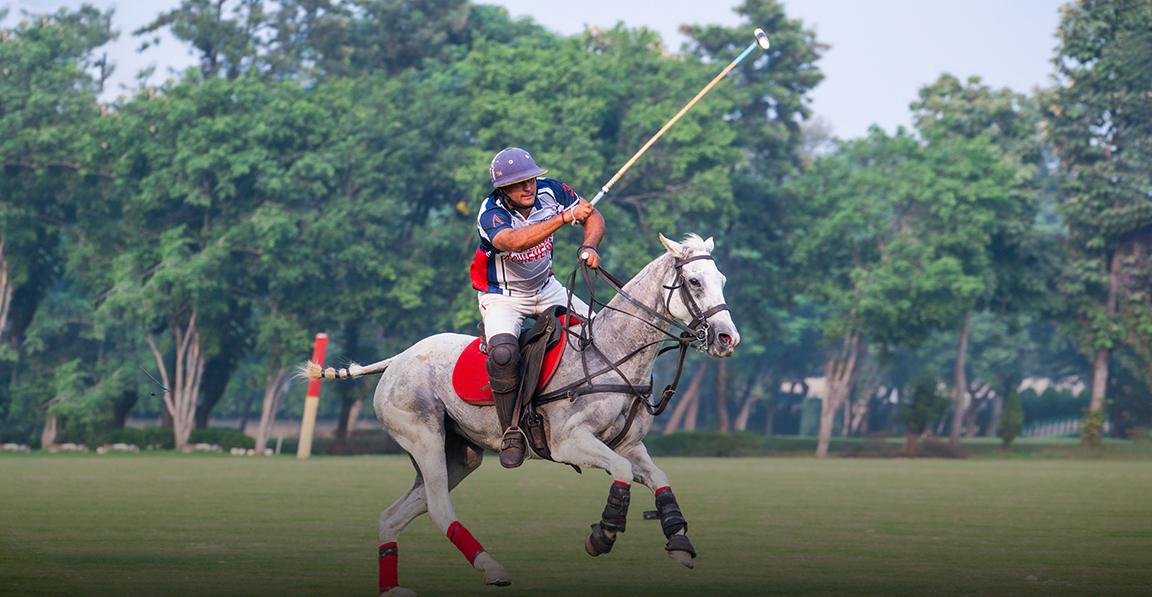
The Capitalyst: You’ve built a polo career spanning more than 25 years and now carry a handicap of +5, placing you among the sport’s most accomplished players in the country. Handicap in polo isn’t a fixed achievement, it has to be maintained and re-earned constantly through performance. What has it actually taken, season after season, to hold a rating that high for this long, and has protecting it ever changed how you approach a match compared to your earlier, more reckless years?
Syed Shamsheer Ali: Holding a +5 handicap for this long has really been about consistency. It takes discipline every single season—not just in the game, but in looking after yourself, your horses, your fitness, and constantly working on your skills. You can never feel that you’ve made it, because the moment you stop working, the game moves ahead of you.
The Capitalyst: Your family’s connection to polo spans generations, and in 2020 you played alongside your own son, Syed Hoor Ali, on the same team in Jaipur’s Bhawani Singh Cup, continuing a lineage your father built with you and your brothers. What did it actually feel like being on the same field as your son rather than just coaching him from the sidelines, and did you find yourself treating him differently as a teammate than you would as his father?
Syed Shamsheer Ali: Playing alongside my son was a very special experience for me. I’ve spent so much of my life playing with my father and my brothers, so to have my own son beside me on the same field felt like the continuation of something very meaningful for our family.
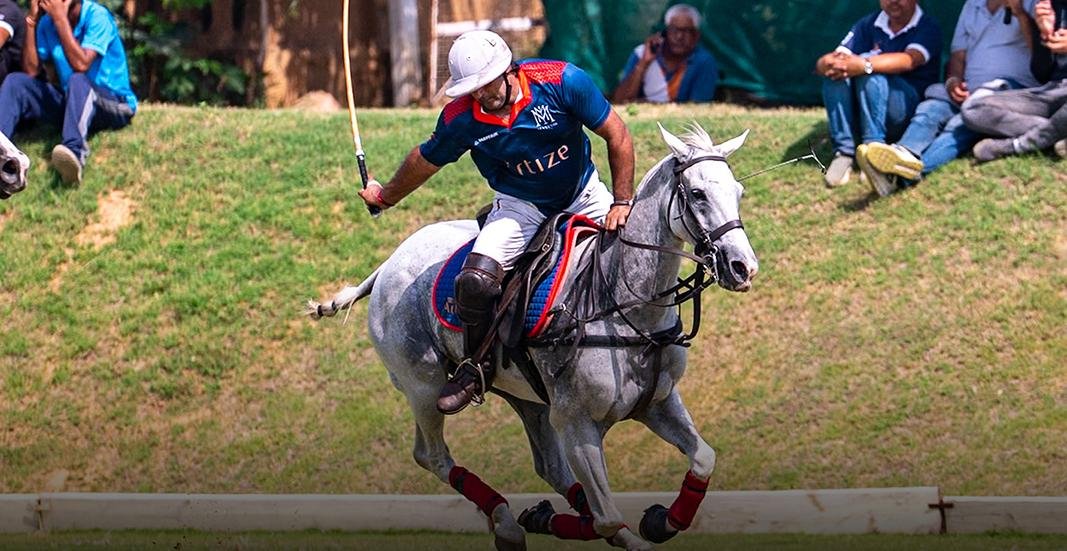
The Capitalyst: You’ve spoken about the many changes and developments you’ve witnessed over your long career in Indian polo. Polo has historically carried the image of a royal or elite sport in India, tied to princely states and old family names. What’s the most significant shift you’ve personally seen in who actually plays the game today, has that elite image genuinely started to open up, or does polo in India still largely run through the same handful of families and institutions it always has?
Syed Shamsheer Ali: I have seen a lot of change over the years. When I started, polo was certainly seen as a sport for a very small and privileged circle, with strong connections to royal families, the Army, and a few established polo families.
The Capitalyst: Playing across cities like Hyderabad and Jaipur, both with genuinely different polo histories and cultures, you’ve had a broad view of how the sport varies across the country. What does one of those polo scenes give the game that the other doesn’t, and is there a city or region in India you think is quietly becoming a serious new center for the sport that people outside polo circles haven’t caught onto yet?
Syed Shamsheer Ali: Hyderabad and Jaipur both have a very strong polo identity, but in very different ways. Hyderabad has a deep sporting and military tradition, and there is a strong sense of community around the game. Jaipur, on the other hand, has that historic royal connection and a very strong polo culture, with a lot of tournaments and players coming together there.
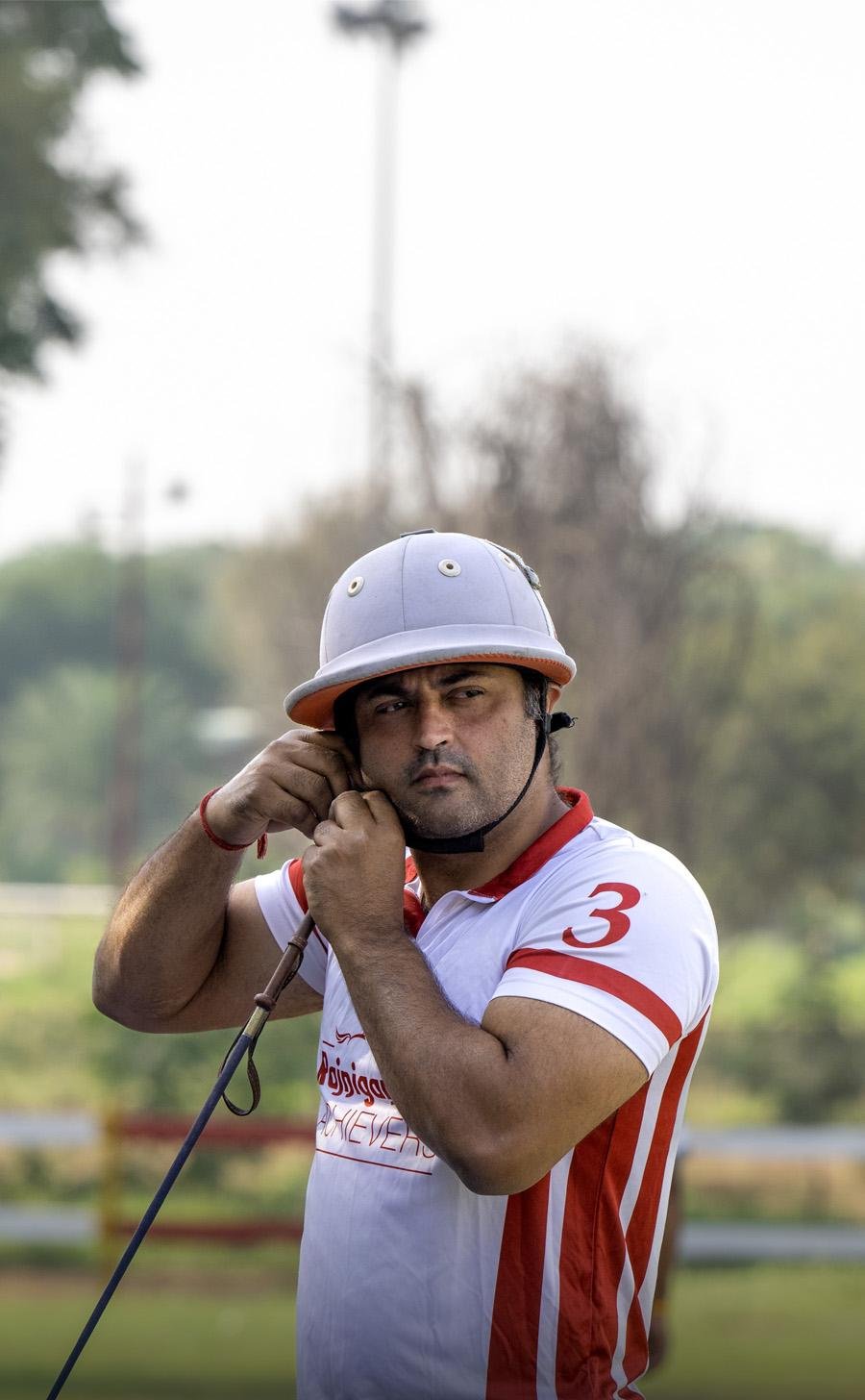
The Capitalyst: In an earlier conversation alongside Arjuna awardee Simran Singh Shergill, the two of you were described as remarkably different in temperament, off the field, despite your shared passion on it. Having a genuine rival with a completely different personality and approach to the game, does that contrast actually push you to play differently when you’re up against him specifically, or does the rivalry stay entirely tactical regardless of who’s on the other team?
Syed Shamsheer Ali: Hyderabad and Jaipur both have a very rich polo culture, but the character of the game is quite different in each place. Hyderabad has a strong sporting and military heritage, and there is a very close-knit polo community. Jaipur has a deeper royal history and a very established tournament culture, which brings together some of the best players and horses from across the country.
The Capitalyst: Polo in India still struggles for the mainstream visibility that cricket or even other equestrian sports command, despite the country’s deep historical relationship with the game. What do you think is actually holding Indian polo back from reaching a wider audience, is it accessibility and cost, media coverage, infrastructure, or something else entirely that people outside the sport don’t fully appreciate?
Syed Shamsheer Ali: But I also think visibility is a big part of it. Cricket has been able to bring the sport into people’s homes through television and digital media, whereas polo hasn’t had the same consistent coverage. A lot of people simply don’t understand the rules or realise how fast, physical, and demanding the sport actually.
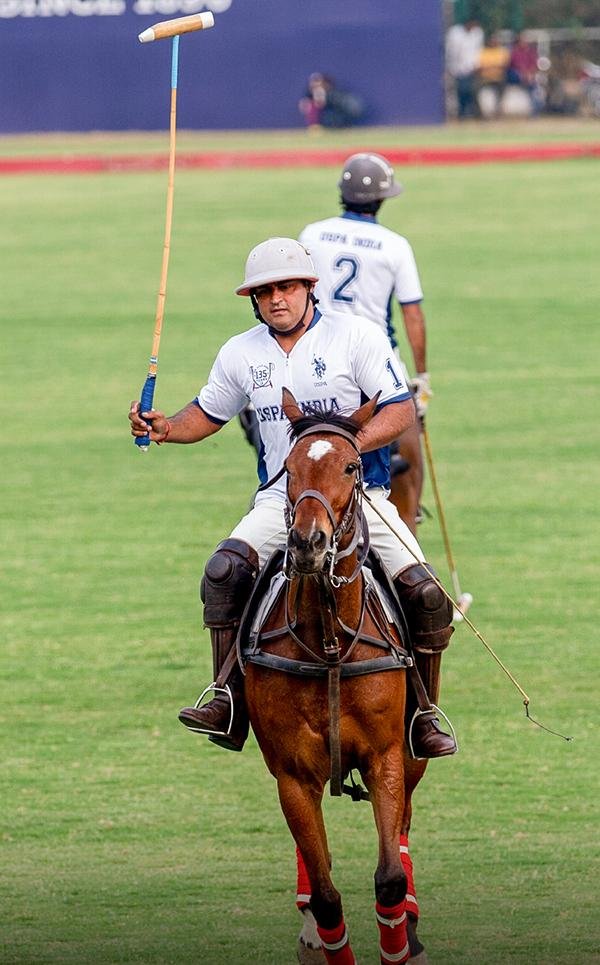
The Capitalyst: You’ve spent your career playing at the intersection of a demanding physical sport and an equally demanding equestrian discipline, where the horse’s training and temperament matter as much as your own skill. How much of what people credit to you as a player is actually a reflection of the horses you’ve ridden and trained with over the years, and how do you personally think about that partnership when people praise your game?
Syed Shamsheer Ali: Every horse has a different personality and way of playing. You have to understand them, trust them and learn how to bring out their strengths. Over time, you develop a connection where sometimes you almost know what the horse is going to do before it happens.
The Capitalyst: More than two decades since your first international appearance for India, with a son now following the same path you did under your father, what does the next chapter of your involvement in the sport actually look like, whether that’s playing, coaching, or growing the game itself in India, and is there a specific ambition for Indian polo’s future that you’re personally trying to push forward?
Syed Shamsheer Ali: For me, the next chapter is about continuing to play, but also about giving back to the sport that has been such a big part of my life. I want to keep competing for as long as I can, while also spending more time mentoring and coaching younger players.
All Image Rights Reserved. © LA POLO