The Capitalyst: You have watched this industry change from the inside for close to three decades, from the early cable and satellite TV era, through 24-hour news channels, all the way to OTT and digital-first content. If you had to sum up the single biggest transformation in how media is made, distributed, and consumed over those 30 years, what would it be, and did the industry see it coming, or was everyone caught off guard?
Avinash Kaul: The biggest change is who holds the remote. When I started, broadcasters decided what the country watched and when. Families planned their evenings around television schedules. Today those schedules have disappeared. Viewers decide what they want to watch, when they want to watch it, and increasingly an algorithm decides what they see first.
Everything else, cable television, 24-hour news, OTT, digital, is really part of the same story. Over the years, control shifted from institutions to individuals. Did we see it coming? We saw the internet coming. We just misunderstood what it would become. Most of us thought digital was another way of distributing content. It turned out to reshape the entire business. It changed what gets made, how it gets distributed, how people consume it, who earns from it, and even what prime time means.
The companies that came through this transition best weren’t necessarily the ones with the smartest forecasts. They were the ones willing to change while their existing business was still successful, before somebody else forced that change upon them.
The Capitalyst: You have previously noted that social media algorithms have inadvertently become the managing editors for the everyday public. As a traditional media leader who transitioned networks into the digital era, how do you balance the commercial pressure to feed the algorithm’s craving for sensationalism with the institutional responsibility of broadcasting credible news?
Avinash Kaul: There is a story in my book about a friend who proudly told me he chooses what to watch on Netflix. I smiled and told him, with all due respect, he doesn’t. Netflix chooses for him. It feels like free choice, but his decisions are constantly being influenced by an algorithm. News is no different, except the consequences are far more important.
Algorithms reward engagement. Journalism is supposed to reward trust. Those are two very different objectives. Having spent my career on the business side of media, I never found the answer complicated. I found it difficult. Sensationalism gets attention quickly, but you have to keep paying for that attention every single day. Credibility takes years to build, but once you earn it, it becomes your biggest competitive advantage.
You have to understand how platforms work. You have to package content for the way audiences consume it today. But you cannot outsource your editorial judgement to an algorithm. The day a news organisation does that, it gives away the one thing it can never recover: people’s trust.
The Capitalyst: You have written that you carried Kashmir not as a wound, but as a foundation. For many, trauma creates a hyper-risk-averse mindset, yet you went on to take massive corporate and strategic risks throughout your career. How did you consciously convert what could have been a permanent emotional scar into an operational superpower?
Avinash Kaul: After leaving Kashmir, I stood in a queue in Jammu to register my family as migrants. Without that registration, you effectively didn’t exist. Everything we owned had been left behind. When you’ve already seen your life reduced to zero, your relationship with risk changes forever. The downside that most people fear is something I had already experienced. That takes away a lot of fear. That doesn’t mean I became reckless.
Kashmir also gave me another gift. The mountains. My school took us on annual mountaineering expeditions. That’s where I learnt that preparation matters, teamwork matters, discipline matters, and ego doesn’t. In Class 10, a blizzard forced us to turn back just a few hundred metres before the summit. That experience stayed with me. Sometimes turning back isn’t failure. It’s good judgement.
Every major career decision I made followed the same principle. Prepare thoroughly, move one step at a time, and always have a plan if things don’t go as expected. From the outside it probably looked like risk-taking. From my side, it mostly felt like preparation.
The Capitalyst: The Next Mountain is described as a story of resilience, leadership, and purpose, rooted in your own journey from refugee camps to CEO. What did you want readers to feel or confront in this book that they might not get from a conventional success story?
Avinash Kaul: Most success stories are written from the top of the mountain looking back. Everything seems neat and inevitable. Real life isn’t like that. I wanted this book to include the difficult parts. The setbacks. The pauses. The wrong decisions. The descents. That’s where most of the learning actually happens.
Nobody remains at the top forever. At some point every one of us has to come down before we begin climbing again. We spend so much time talking about reaching the summit that we rarely talk about what comes afterwards.
I also wanted to remove the illusion that success is built on some secret formula. There wasn’t one in my life. There was no godfather, no blueprint, no shortcuts. Just the willingness to keep moving, even when I wasn’t sure where the path would lead. If readers finish the book thinking about their own mountain instead of mine, I’ll feel I’ve achieved what I set out to do.
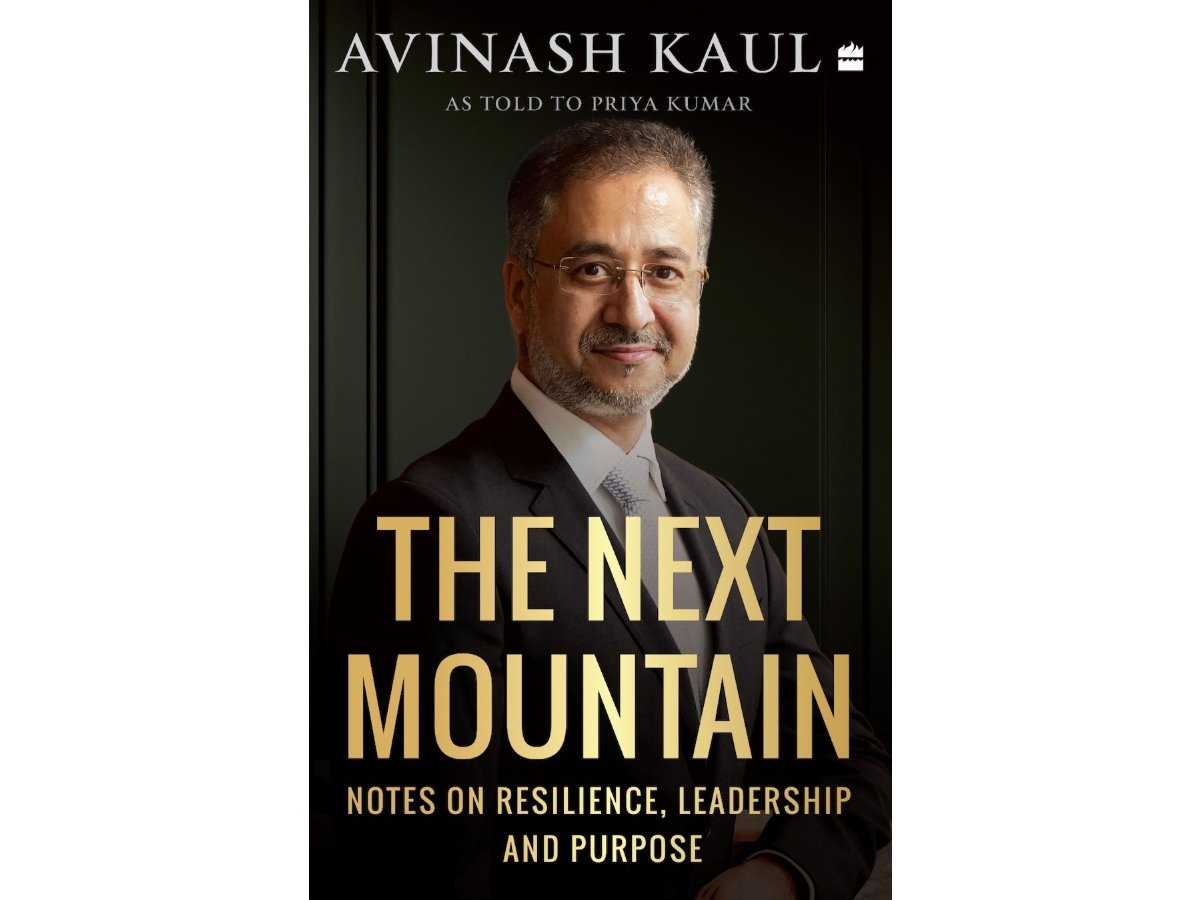
The Capitalyst: You have written that ambition is often inherited rather than chosen. How much of the book is drawn from your own career, and how much from observing other leaders you have worked with?
Avinash Kaul: The home I grew up in had a very simple philosophy. Work hard, live honestly and retire with dignity. Nobody spoke about building big careers or becoming CEOs. Ambition simply wasn’t part of our family vocabulary. So yes, I do believe ambition is often inherited. So are its limits.
During my MBA, I took up a summer job that paid a hundred rupees a day. I had to ask people where they would go on their dream holiday if money wasn’t a constraint. The answer I heard most often was Lonavala. That fascinated me. It wasn’t about whether Lonavala was right or wrong. It showed me that our ambitions are often limited by what we believe is possible.
The book is fundamentally my own story. Every major experience in it is something I lived through. But many of the lessons came from watching people over nearly three decades in business. I’ve never been someone who learnt leadership from self-help books. I’ve learnt by observing people, making mistakes, and living through the consequences.
The Capitalyst: One of the book’s central ideas is that success is not a single peak, it is a series of ascents. In your experience, how do you sustain momentum when the next mountain feels less glamorous or more uncertain than the last, and how do you decide when it is time to stop climbing and start mentoring others instead?
Avinash Kaul: Momentum has never been the difficult part for me. The difficult part is knowing what to do when things slow down. In mountaineering, you’re often most vulnerable when you stop because that’s when your body starts losing heat. Life isn’t very different.
Whenever I reach a quieter phase, I ask myself a simple question. Am I recovering, or am I becoming comfortable? If the answer is comfort, I know it’s time to change something before circumstances change it for me. I’ve always believed in rebuilding before I’m forced to rebuild.
As for the next mountain feeling less glamorous, I’ve stopped worrying about glamour. Glamour is for people watching the climb. Meaning is for the person doing it. People often think mentoring begins after you’ve finished climbing. I don’t see it that way. Helping someone else climb is another mountain altogether, and I suspect it may turn out to be the most rewarding one I’ve ever taken on.
The Capitalyst: The book is credited as co-authored. How did that collaboration work in practice, how much of the voice and structure came from you versus your co-author, and were there places where the two of you saw the story differently?
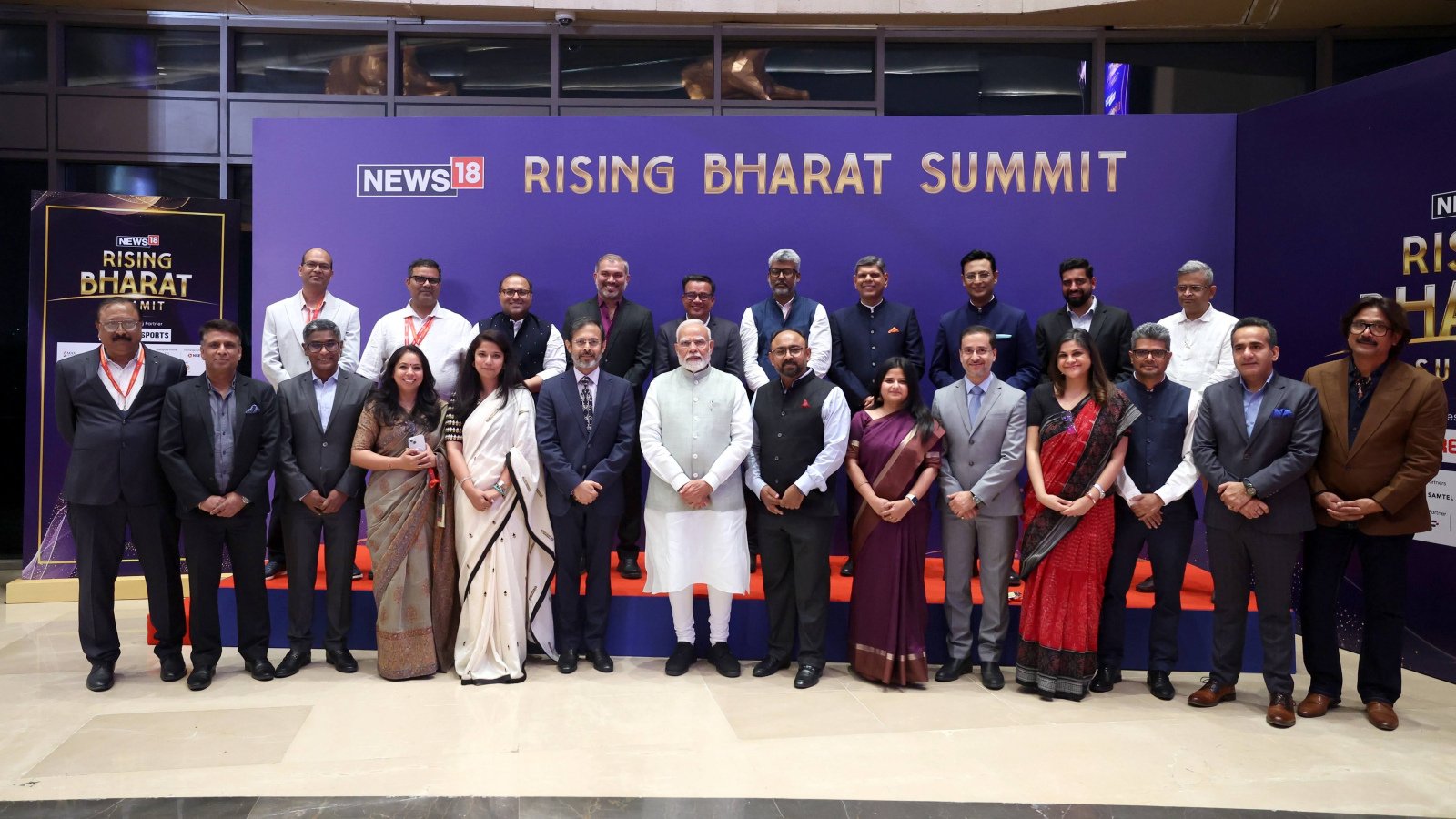
Avinash Kaul: The cover explains the relationship perfectly. As told to Priya Kumar. I brought the life. Priya brought the craft. That’s exactly how I wanted it. I’ve always believed in working with people who are better than me in their area of expertise. That’s how I built organisations, and that’s how this book was built.
The experiences, the memories and the lessons are mine. The storytelling is Priya’s. The one thing nobody else could write for me was honesty. You can help someone find the right words. You cannot help them tell the truth. What surprised me throughout the process was that Priya kept seeing significance in moments that I had dismissed as completely ordinary. Sometimes it takes someone standing outside your life to help you understand it.
The Capitalyst: If someone reads only one chapter or takes away only one idea from The Next Mountain, what do you want that to be?
Avinash Kaul: If readers remember only one thing, I hope it’s this. Success isn’t a destination. It’s a series of climbs. Every mountain eventually comes to an end. Then you recover, learn what that climb taught you, and start looking for the next one. And if they remember one sentence, I hope it’s this. I wasn’t the chosen one. There was no grand plan, no godfather and no connections. I just kept walking. If my journey convinces someone else to keep walking through their own difficult phase, then the book has done its job.