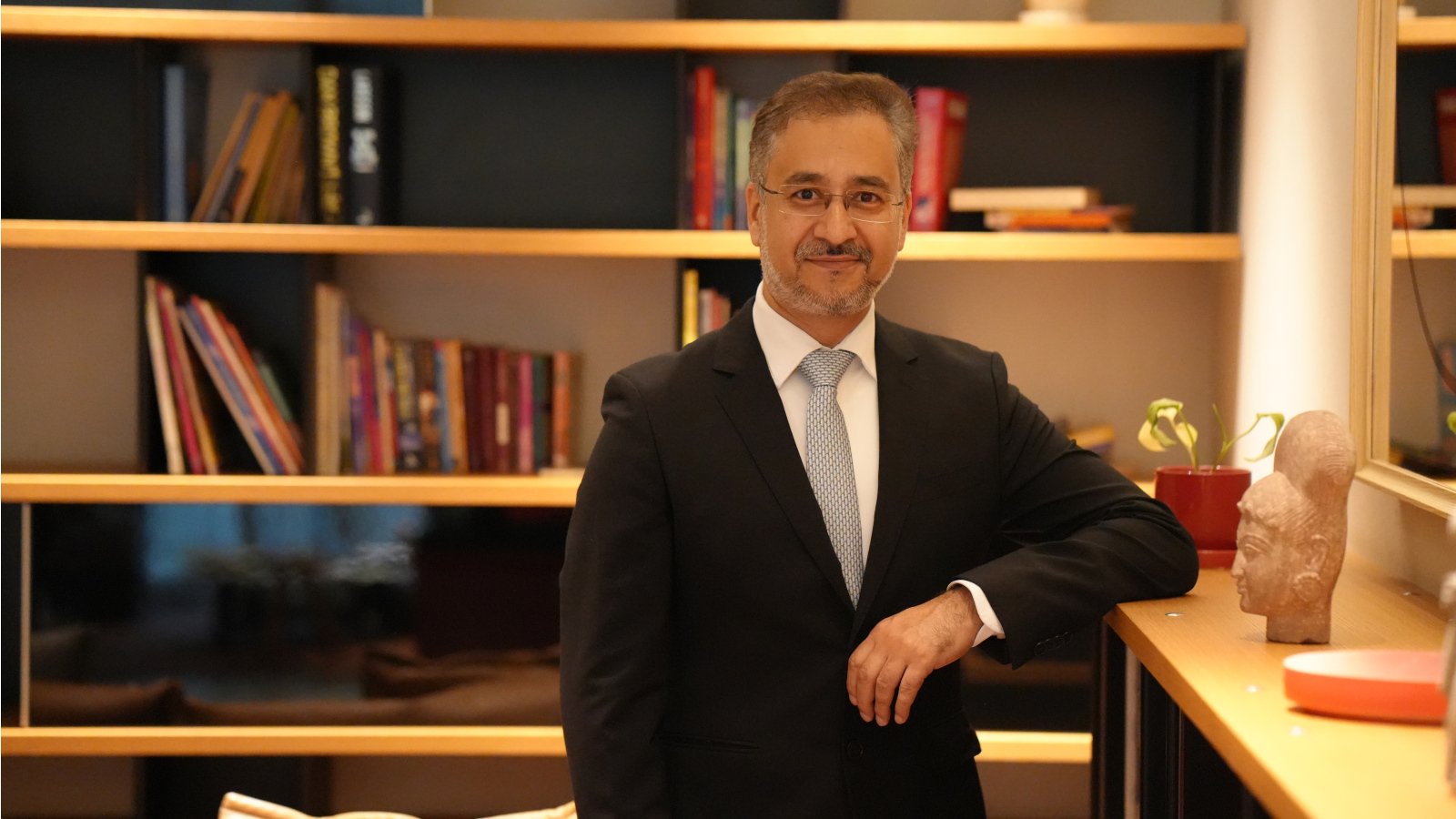
The Capitalyst: You began your career as an associate at J. Sagar Associates in 2008, representing power trading corporations and distribution companies, then moved to HSA Advocates as a senior associate handling infrastructure regulatory disputes, before founding SKV Law Offices in June 2013. Leaving two established, top-tier firms to start your own practice is a significant risk in a profession that traditionally rewards seniority and patience within a hierarchy. What was the actual tipping point that made you walk away from that ladder, and did the firms you left try to talk you out of it?
Shri Venkatesh: A small correction first: SKV was founded in 2012. And the honest answer is that I did not walk away from the ladder to start a firm. I walked away to become a counsel. The moment itself came at a celebration. I had just been promoted to senior associate and was out with my wife, Kanika, and a close friend. I said that five years from then I would be a partner, and a few years after that perhaps an equity partner. Kanika asked, “And what next?” I had no answer for about thirty seconds, and in those thirty seconds I realised the goal was not a sustainable one for me. If you want to be somebody in this profession on your own terms, at some point you have to be on your own. So I put in my papers. I actually wanted to leave electricity behind and do civil, criminal and Supreme Court work. Nobody tried to talk me out of it. When I called my father on the way from office to tell him I had resigned, before he could say congratulations, the first thing he said was, “You’re not going to work with me, you know that, right?” Within a week of my leaving, Hemant Sahai was kind enough to let me stay on as of counsel, because I was newly married and needed an income. And I had stepped off the ladder once before. After about a year and a half at JSA, I left to draft SLPs for Justice Nagendra Rai because I wanted to learn Supreme Court litigation. So the risk did not feel new.
The Capitalyst: Setting up an independent law firm in India carries a very different kind of risk than launching a startup in most other sectors, no venture capital ecosystem built for legal services, no real playbook for young firms to follow, and a profession that still prizes lineage and seniority over disruption. What did you find was the single hardest problem to solve in SKV’s first year that nobody had actually warned you about?
Shri Venkatesh: Nobody warns you that on day one you are not selling your skill. You are selling an institution that does not exist yet. I learnt that from a client. After I left, a company I had served earlier told me that if I started a firm, it would be easy for them to give me a mandate, because companies empanel firms, not individual lawyers. That conversation is the reason SKV exists. But it also meant I had to look like a firm before I was one. When I signed up for an email suite, it asked me for five addresses. I had only myself, so I created a few more, including one for a Delhi office that had nobody in it. For about two years I worked out of a small library in my father’s chambers that had been the interns’ lunch room. That came with its own hazards. Early on, a client came to see me about bail for his family members in a CBI matter. While he was explaining the case, the then CBI Director walked in to meet my father. My client looked as though he had seen a ghost. I told him that if anybody came to arrest him, it certainly would not be the Director. He still asked whether we could meet somewhere else the next time. The legal work was never the hardest part. Persuading a general counsel to trust a firm with no bench, no back office and no history was. The only way through was patience, and doing each matter well enough that the client came back.
The Capitalyst: SKV Law Offices describes its own growth as rooted in an entrepreneurial approach, a word firms in India’s legal industry rarely use to describe themselves. What does being entrepreneurial actually mean day to day inside a litigation practice, where the product is fundamentally your own expertise and courtroom judgment rather than something you can standardize or scale the way a typical business would?
Shri Venkatesh: For me it began with the pitch I used in those early years. I reconnected with everyone I had worked with at JSA and HSA, and whenever I got a meeting, I said the same thing: give me your lowest priority, worst matter, because I am better than whoever is handling it, and I will charge you slightly more than you are paying them. If you like my work, take me to the next step. Some people laughed. Some said it was beneath me. But that is how SKV started. Day to day, being entrepreneurial means doing the unglamorous things yourself, and taking a punt on spending money you are not sure you have, on people, space or systems, because the firm needs it. It also means being clear about what you are selling. We are a boutique firm that is prepared to punch above its weight. On most of our disputes the other side is a much larger firm with far more resources, so our only answer is to be better at the work. The judgment cannot be standardised, but the discipline around it can.
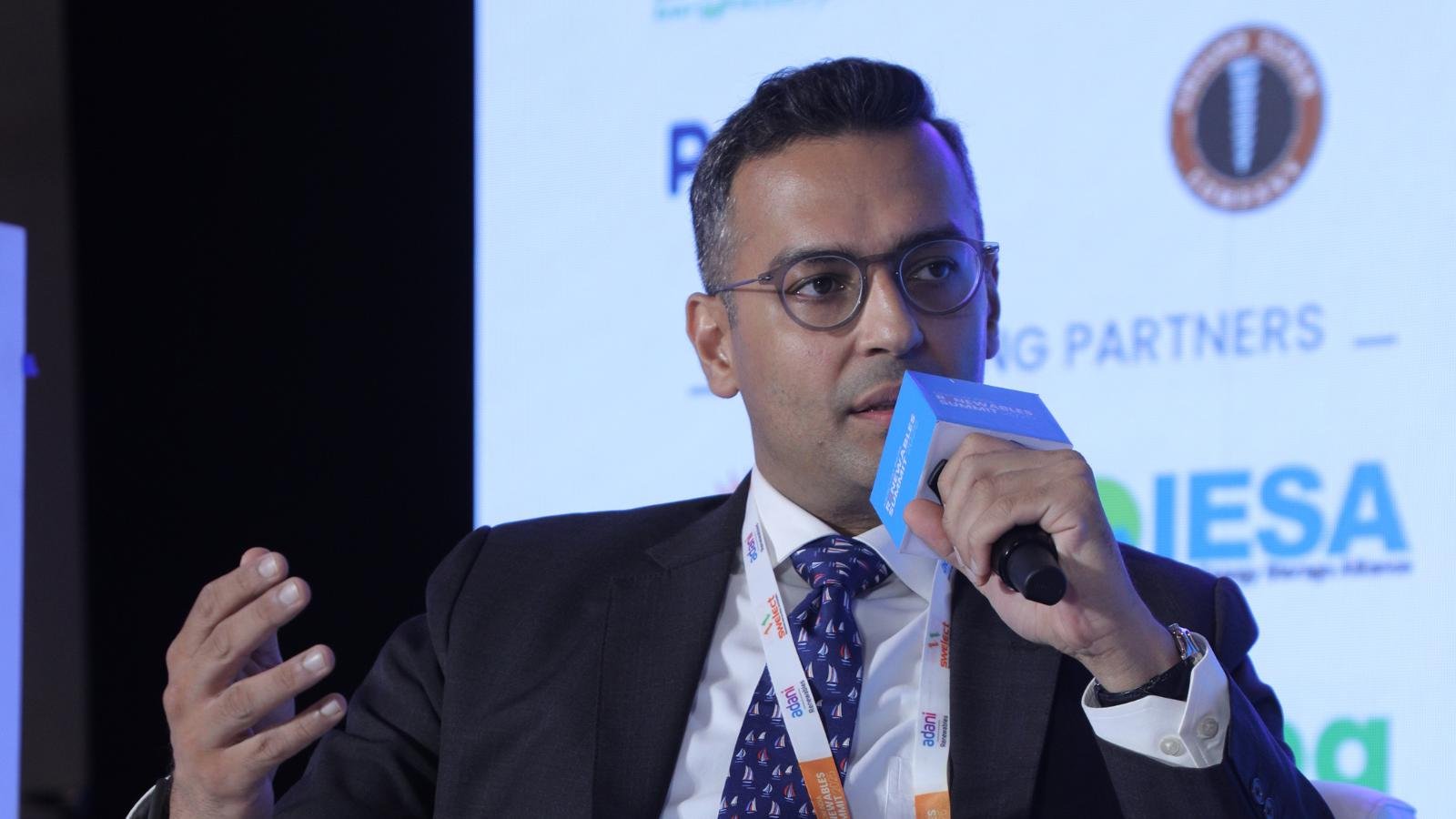
The Capitalyst: From a founding team of essentially yourself, SKV has grown into a firm running offices in Delhi and Mumbai with dozens of lawyers, while you’ve continued to personally argue matters before the Supreme Court, NCLT, and NCLAT rather than stepping back into a purely managerial role. How do you actually divide your time between building the institution and remaining the lawyer clients specifically want in the room, and has that balance gotten harder to hold as the firm has grown?
Shri Venkatesh: The balance became hard enough that it needed a structural answer rather than a personal one. Kanika Chugh is now our Managing Partner. When she took over, the first thing we did was write down what we wanted the firm to be. That frees me to do what clients actually engage me for. Being a litigator inside a law firm means preparing yourself to stand up in court and running a firm at the same time, and you can have the best of both worlds only if you are willing to put in twice the work. I manage it with a very regimented routine. I take out time for exercise every morning, then I go to work, and I do not really switch off while I am in the city. I appear across multiple High Courts and tribunals, so there is no such thing as a Supreme Court vacation for me: by the time one forum shuts, another opens. The only way I unwind is to leave the city with my family. Has it got harder? Yes. But I have never believed that a lawyer in a firm needs a senior designation to be taken seriously. If you are a good lawyer, you can make your point to any bench.
The Capitalyst: Your client roster includes some of India’s largest power and infrastructure names, Tata Power, Reliance Power, Vedanta, NTPC, and NHPC among them, built almost entirely around the deep sector expertise in energy and infrastructure law you developed at your earlier firms. When you started SKV independently, was that specialization already your competitive edge from day one, or did the firm’s identity around energy and infrastructure disputes emerge more gradually as those specific clients began to trust you?
Shri Venkatesh: It was not a plan. When I left my last firm, I actually wanted to run away from electricity. I did not want anything to do with the power sector. The sector pulled me back. The mandate that started SKV came from a client I had served at my earlier firms, and the relationships I rebuilt were almost all from my energy work at JSA and HSA. So the expertise was there from day one, but the identity was something clients gave us, not something I chose. Over time I have come to see sector depth as an advantage well beyond disputes. Our domain knowledge gives us an edge in infrastructure arbitration, in transactions involving infrastructure companies, and increasingly in areas people do not associate with power at all, such as data centres. I would rather not discuss specific client relationships, but every one of them was earned one matter at a time.
The Capitalyst: You actively advise State Electricity Regulatory Commissions on issues like licensing, tariff determination, and dispute resolution, which puts you on the regulatory side of an industry where you also represent major private players before tribunals. How do you navigate advising the regulator on one hand and litigating against or alongside regulated entities on the other, without either side ever questioning where your real loyalties sit?
Shri Venkatesh: The two roles are different in kind, and keeping them different is the whole discipline. When we advise a State Commission, the work concerns frameworks: licensing, tariff methodology and procedure. It is not advice on how to decide a particular party’s dispute. Where there is any doubt, we decline the instruction. What I would add is that seeing how a regulator reasons makes us better advocates for regulated entities, not compromised ones. Both sides come to us for the same reason: they know we will tell them what the law actually permits.

The Capitalyst: Alongside your energy practice, you’ve built substantial experience in insolvency and restructuring under the IBC, representing both creditors and corporate debtors before the NCLT, NCLAT, and Supreme Court. Insolvency work often means sitting on opposite sides of similar disputes depending on the client, one week fighting for a creditor’s recovery, the next defending a debtor’s restructuring plan. Does moving between those two positions ever create genuine tension in how you argue a legal principle, or does each case simply demand its own logic regardless of which side you’re on?
Shri Venkatesh: The tension is real, and I think lawyers who deny it are not being candid. The discipline I follow is to separate a legal proposition from its application. Insolvency jurisprudence is heard by a limited number of benches, and the same members will remember what you argued last month. So I will not argue a reading of the Code for a creditor on Monday that I would have to disown for a debtor on Thursday. What changes from case to case is the facts, the equities and the commercial outcome being pursued, not the meaning of the statute.
The Capitalyst: You’ve spoken in an earlier interview about setting up your own firm after years at top-tier practices, and today SKV is recognised specifically for a high degree of partner involvement rather than delegating client relationships down to juniors, something the firm itself cites as what sets it apart. As SKV has grown to dozens of lawyers across two cities, what has it actually taken operationally to keep that personal, partner-led promise intact rather than letting it quietly erode the way it does at many firms once they scale?
Shri Venkatesh: The complaint I hear most often from clients about large firms is that they hand over a significant matter and, when the conference happens, nobody senior turns up; two fresh associates do. That is exactly the promise we cannot afford to break, because it is the reason clients come to us. Operationally it has taken three things. First, a mindset that we are in a service industry, and every client, including the unreasonable ones, gets the attention the matter needs. Second, being very deliberate about laterals. When someone joins from a large firm, I sit them down and explain that this is not how things worked at their previous firm; here, the partner is in the room. Third, culture. Since 2012 I have insisted on a baseline of mutual respect below which nobody in the firm goes. That sounds soft, but it is operational. People would rather have a toxic client than a toxic work culture, and the people who stay are the ones who carry client relationships forward. As we have grown from one person to over fifty, we have also taken outside advice on partnership and remuneration structures, because nobody teaches you in law school how to run a law firm.
The Capitalyst: Building an independent litigation practice in India means navigating court backlogs, slow-moving tribunals, and a profession where trust and referrals still matter more than marketing or branding, obstacles that don’t map neatly onto how entrepreneurship is usually discussed in India’s startup conversation. What do you think the country’s broader entrepreneurial narrative, built mostly around tech founders and venture funding, consistently gets wrong about what it actually takes to build something as a legal entrepreneur here?
Shri Venkatesh: It assumes capital is the constraint. For us, it never was. A law firm cannot raise outside money and cannot advertise, so the only currency is trust, and trust is built one matter and one hearing at a time. The startup narrative also assumes you know what you are building. In your first several years, you do not. You are trying to meet the month’s salaries and rent, and you go step by step. It is only when you step back, perhaps eight or ten years in, that you ask what you want the institution to become. And it overestimates how far pedigree carries you. I am a second-generation lawyer, but I do not carry my father’s surname, and for years most people I worked with did not know. We have even appeared against each other. In a high-stakes Supreme Court matter, I was on Tata’s side and he was on Adani’s. When I stood up to point out that a submission was factually wrong, he told the court I was lying and should be held in contempt. The judge realised we were father and son, laughed, and asked us both to tone it down. Clients today are far too smart for a surname to matter. Visibility can put you on the list, but only the quality of your work keeps you there.
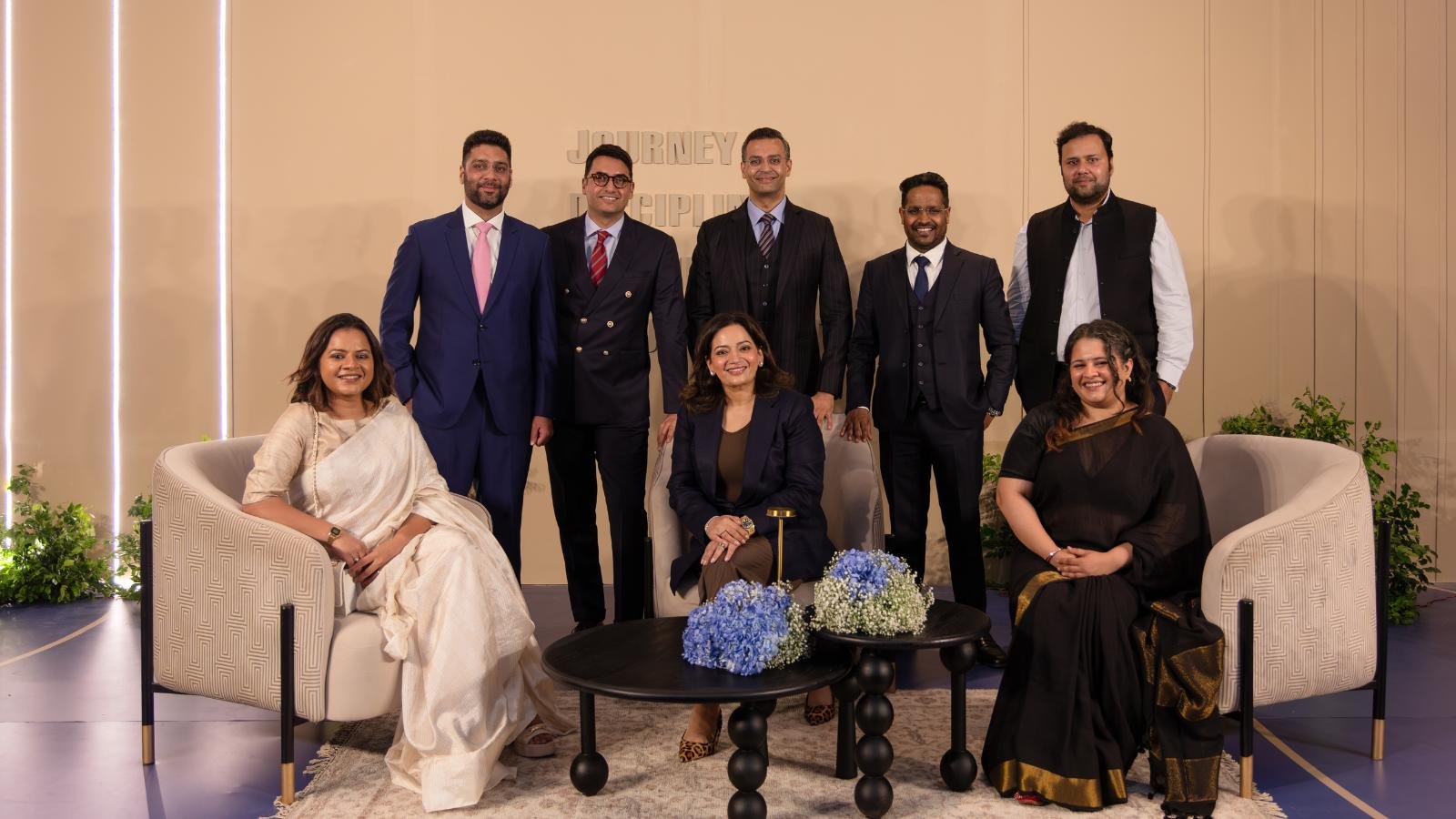
The Capitalyst: More than a decade after founding SKV, with a growing team and a client roster spanning some of India’s biggest power and infrastructure companies, what does the next phase of the firm’s growth actually look like under your leadership, and is there a practice area or ambition for SKV that you’re deliberately building toward but haven’t yet spoken about publicly?
Shri Venkatesh: Kanika leads the firm as Managing Partner, so the next phase is a shared one. The first part is depth around our core. If you pick a space and build around it, you can grow a firm of two or three hundred lawyers in India on domestic work alone, and infrastructure gives us plenty of room: transactions, arbitration and, increasingly, technology. Data centres are coming up across the country, and the next infrastructure lawyer will need to handle their disputes and transactions; that is why we brought in a partner to lead technology. The second is geography. Mumbai began as two colleagues in a shared workspace after a client asked me over dinner why we did not have an office there. The ambition I care about most is advocacy. I believe the future of litigation in India, as in Singapore or the United States, lies in specialist firms whose own lawyers can stand up and argue at any level. I want SKV to be a firm where a client never has to ask whether a senior counsel is needed.