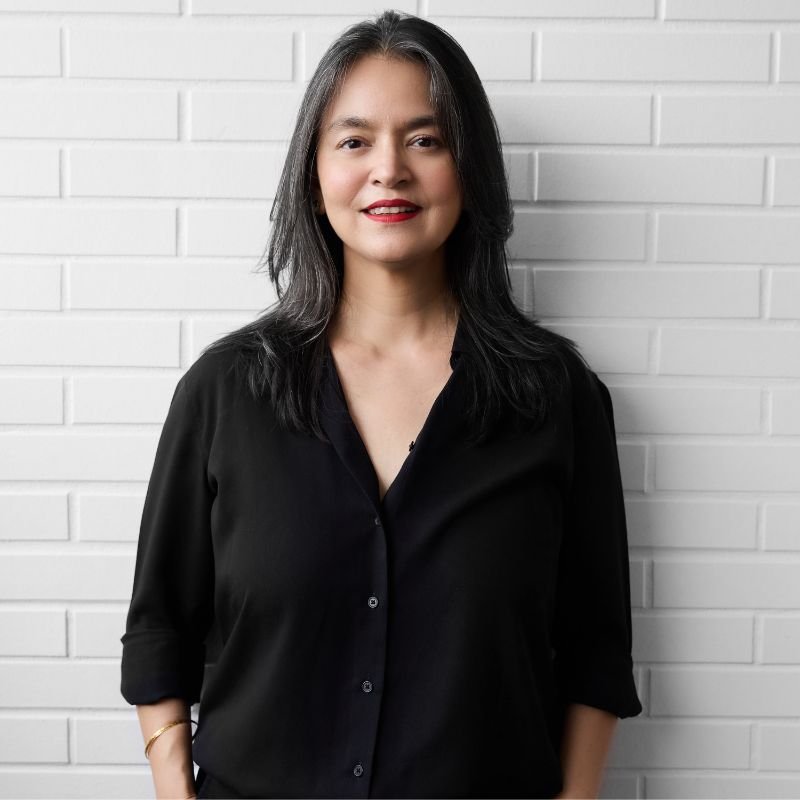
The Capitalyst: Before launching your own name-brand gallery, you co-owned Atelier Ecru in Ghent alongside Christophe Urbain, and were featured together as gallerist owners in the design book Visite Privée. What made you decide to eventually step out and build a gallery under your own name rather than continuing to grow that partnership, and what did you take with you from Atelier Ecru into how you run things now?
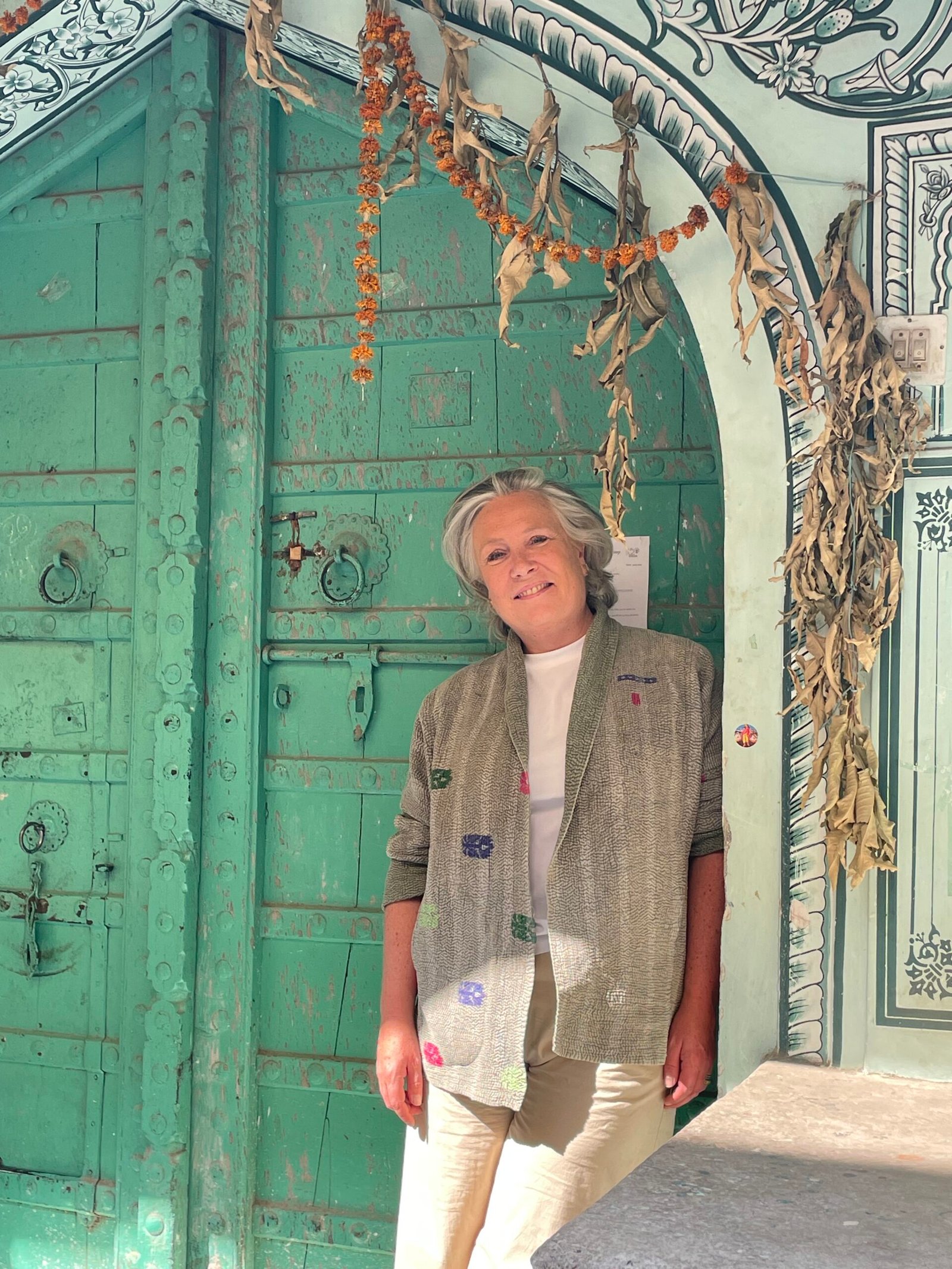
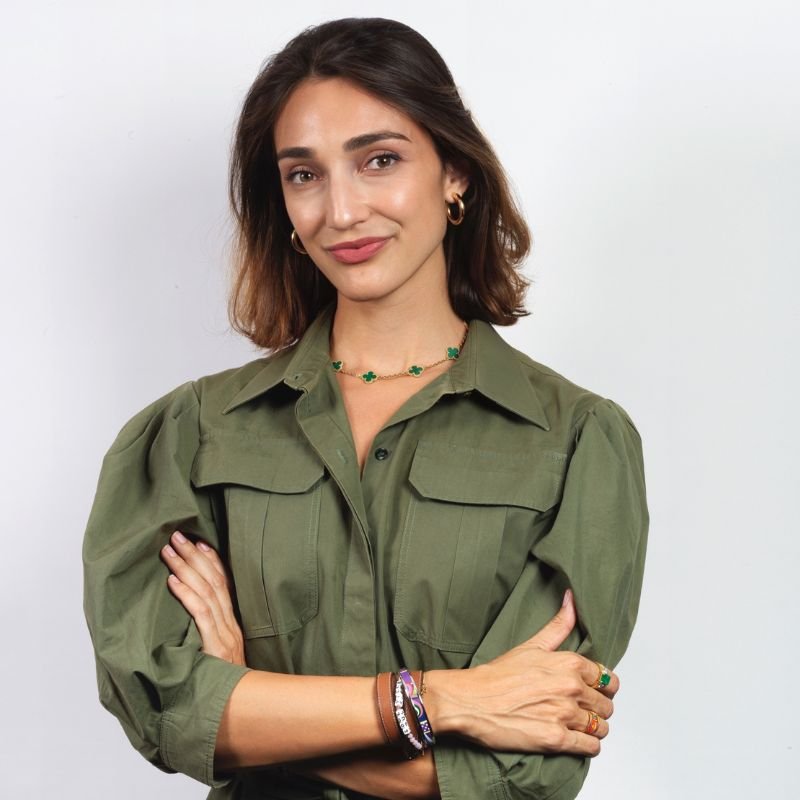
Stéphanie Frederickx: I was involved in the gallery from its very beginning, helping shape its vision and curate its exhibitions. I ran it as if it were my own, although I was never an owner or manager. Over time, this became an internal struggle, and I ultimately decided to go my own way. What I took from that experience is that I deeply value true partnership. If something doesn’t feel right, I would rather do it myself than compromise on something I don’t genuinely support. With my artists, I try to live by the principle of “not more, but better.” I believe in working more deeply and collaboratively, rather than simply collecting names. The goal is to build a strong identity for the gallery and, together with the artists, create something meaningful and distinctive.
The Capitalyst: Your gallery describes itself as “nomadic,” staying based in Knokke while curating exhibitions across Antwerp, Brussels, and Mexico. Most galleries anchor their identity to a single physical address that collectors learn to associate with the brand. What convinced you that moving the gallery itself, rather than staying fixed in one place, was actually the better model for the kind of collectible design and contemporary art you champion?
Stéphanie Frederickx: Oh, I think this comes from a personal creative urge. Creating magic requires an element of surprise, and moving around fits perfectly into that idea. We want to create an escape from the daily routine. Belgium is a particular country: it’s very small, and people often travel by car. It’s quite different from city life in Paris, New York, or London. Nevertheless, having a logistical base is interesting for my private and B2B clients, especially in between shows. I’m pushing ourselves towards constant activation rather than simply accepting the seasonal waves.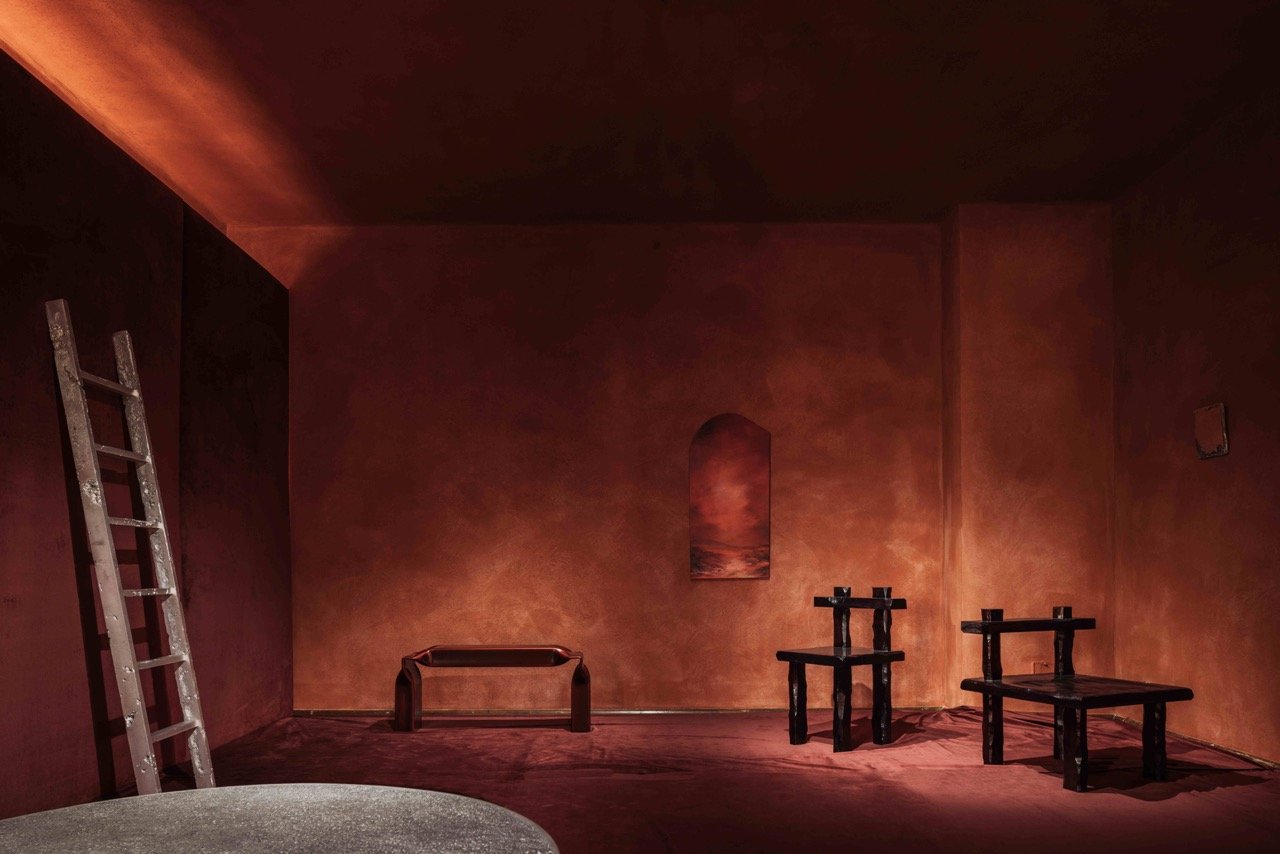
The Capitalyst: Your program brings together an unusually wide range of names, from Stijn D’hondt and Charlotte Jonckheer to Perla Krauze and Linde Freya Tangelder, spanning different countries, materials, and design languages under one curatorial vision. What is the actual thread that has to exist between a piece and your gallery before you’ll represent it, when the works themselves look so different from each other?
Stéphanie Frederickx: Material, elegance, and knowledge. And someone once told me, “a dash of clair-obscur.” I had to reflect on that myself, so I looked up its actual meaning: In poetry, clair-obscur describes a tension between light and darkness, clarity and mystery, beauty and melancholy, presence and absence. I believe that is what I try to bring: the balance between all the above.
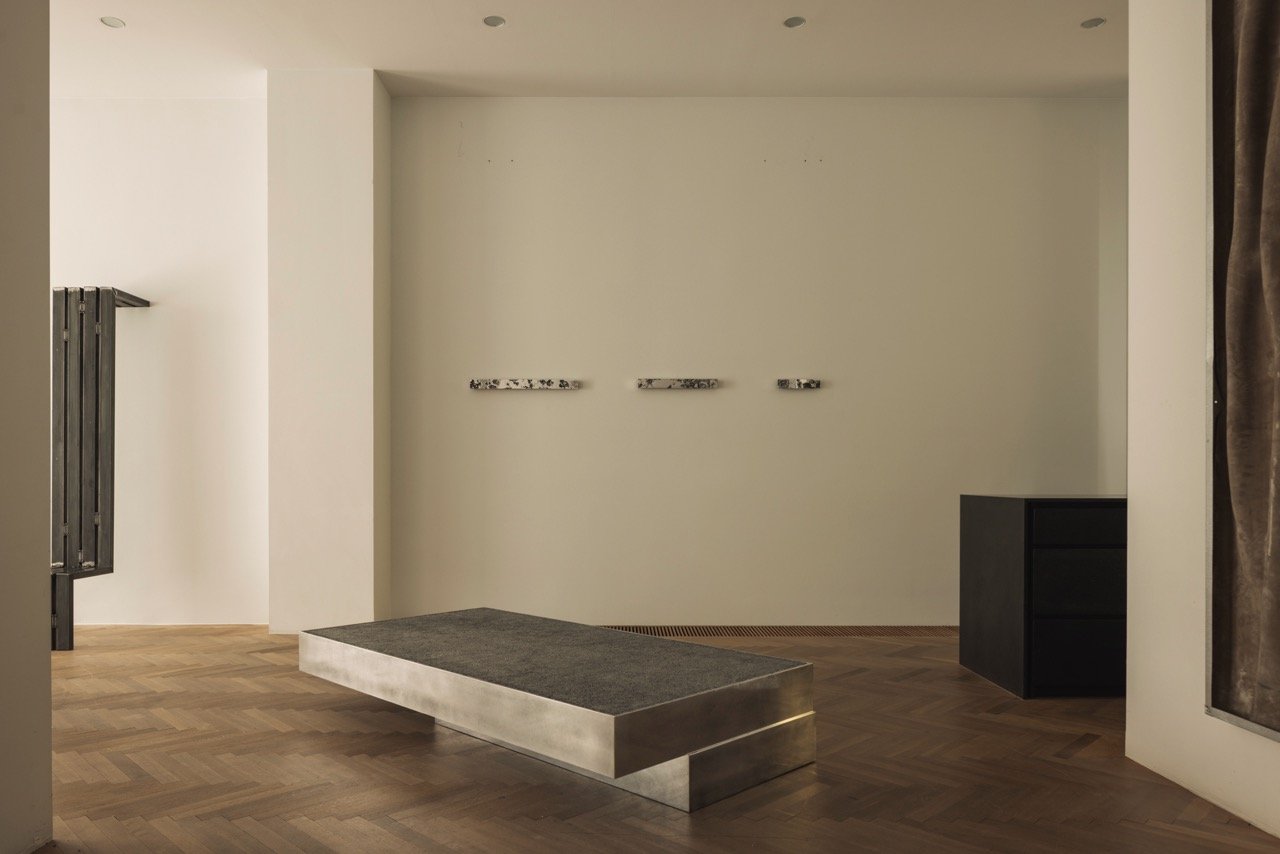
The Capitalyst: Each of your exhibitions is described as site-specific and immersive, built to foster a dialogue between space, object, and viewer rather than simply displaying pieces in a neutral room. When you’re scouting a new location for an exhibition, whether in Antwerp, Brussels, or Mexico, what do you actually look for in a space before you know it’s right for a specific body of work?
Stéphanie Frederickx: Light, sound, smell. Over the years, I’ve developed a cinematic eye and become very sensitive to the opening of a show. For me, the journey is just as important as the destination. Some shows or works need more freshness, others more warmth. I’m always thinking about the atmosphere, the senses, and how a visitor enters and moves through an exhibition. And I’ve always loved being a little off the beaten track.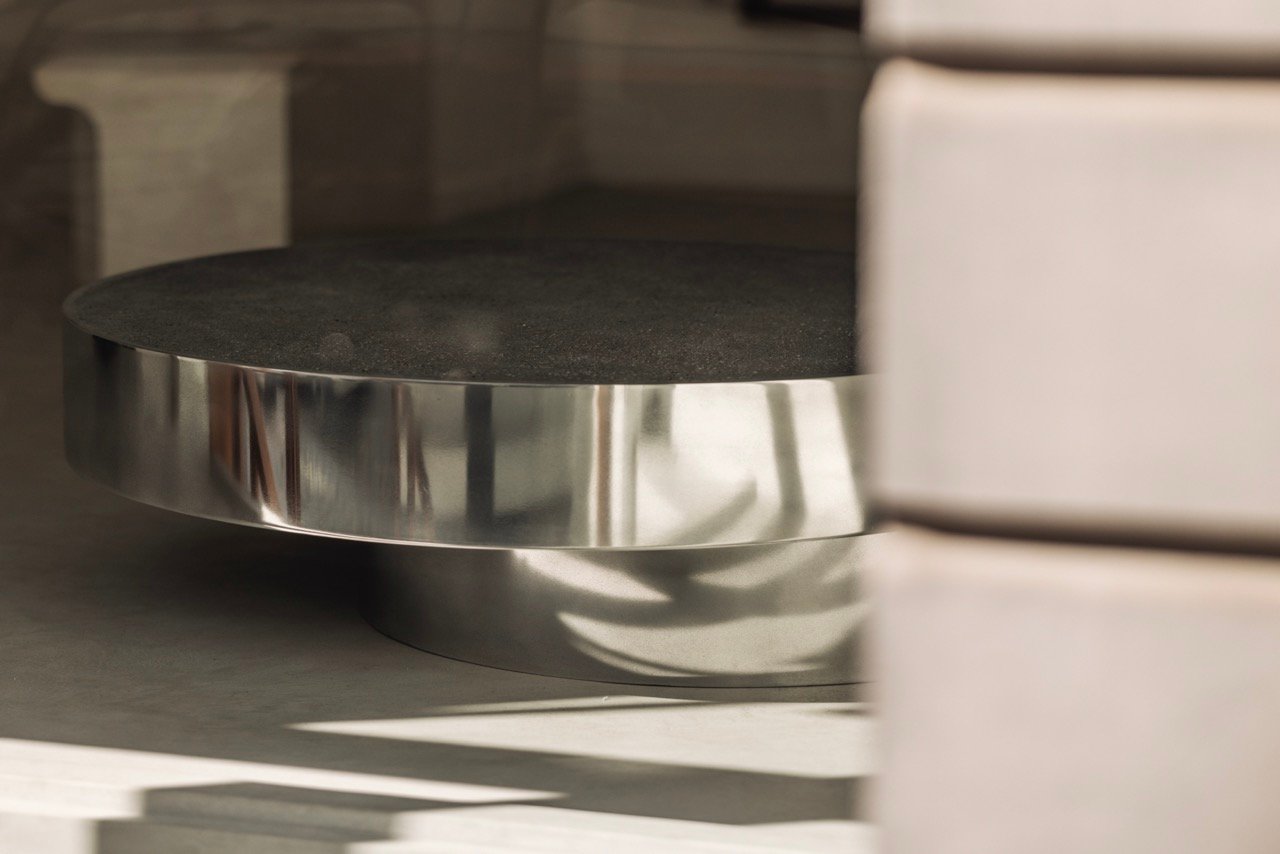
The Capitalyst: You’ve recently collaborated with 88 Gallery in London, extending your reach beyond Belgium and Mexico into the UK market. What does an international collaboration like that actually require in terms of trust and shared vision between two galleries with their own distinct identities, and how do you decide which parts of the exhibition are yours to shape versus theirs?
Stéphanie Frederickx: First of all, it’s about maintaining your own identity. If you were the same, there would be no point in collaborating. But you do need to share the same sense of respect for the business: goodwill, clear agreements, and respect for each other’s work and boundaries. Of course, I think it’s always easier to have one captain on board. I have a very strong scenographic vision, but nevertheless, if you decide to bring together works from different galleries (and therefore ultimately with different financial values and interests), I believe the only way to approach it is to keep an eye on the greater good: the overall result, and the dialogue between the works and the artists, regardless of where they come from.
The Capitalyst: Knokke is a resort town on the Belgian coast, not a traditional art capital like Brussels, Antwerp, or Paris, yet you’ve deliberately kept it as your gallery’s base while touring exhibitions elsewhere. What does Knokke actually give your practice that a more conventional art-world address wouldn’t, and has that choice ever worked against you when trying to attract international collectors or press?
Stéphanie Frederickx: Knokke is an art capital! It brings together some of the most beautiful summer and weekend homes of Belgian and international collectors. It’s a melting pot of the ‘fine fleur’, but it has its waves, which fits very well with my concept. For me, above all, the coast offers a sense of calm, both personally and for my clientele. Given my hectic, nomadic way of working, having an anchor here feels important. It gives me a place to return to, while still allowing the gallery to move, evolve, and stay in motion.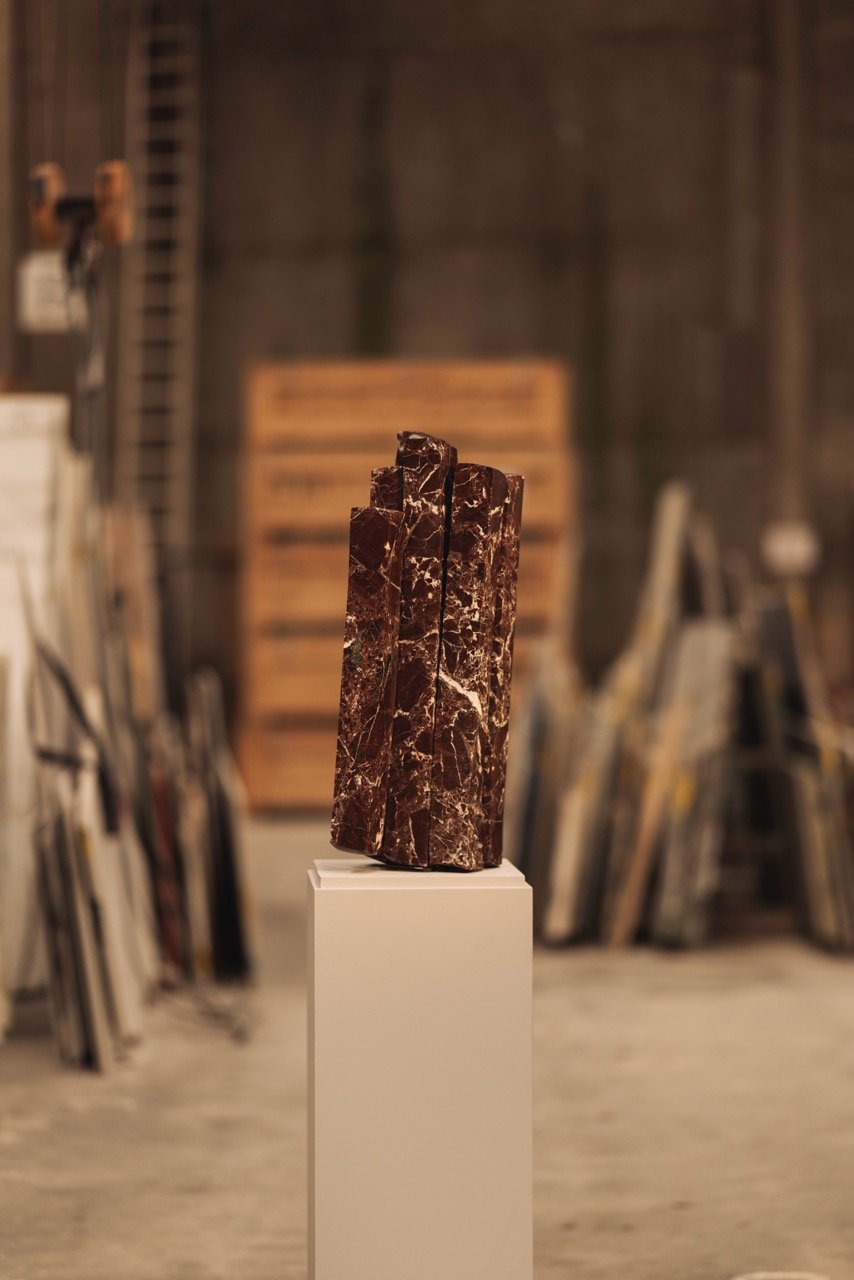
The Capitalyst: Your own description of your curatorial approach centers on emotion, a love of material, and a respect for harmony, deliberately stripping away superfluous elements down to pure form. That’s a fairly minimal, almost restrained philosophy to apply across as eclectic a roster as yours. How do you resolve that tension between wanting purity of form and representing artists whose work is genuinely diverse in style and material?
Stéphanie Frederickx: Ha! Such a great point. I believe in ‘structured chaos’. Nature is perfectly balanced, yet nothing is ever identical. Every single element has its own reason for being, and despite their differences, they come together in harmony, something we as humans sometimes forget. Bringing different materials, shapes, and textures together can be challenging, but for me, it comes quite instinctively. I enjoy finding the balance between contrast and coherence, allowing very different elements to coexist without forcing them to be the same.
The Capitalyst: You represent both established names and emerging designers within the same program, presenting them side by side rather than segregating by career stage. What responsibility do you feel toward an emerging designer showing next to someone with a much longer track record, and has putting them in direct proximity to each other ever changed how collectors responded to the newer name?
Stéphanie Frederickx: I think my responsibility towards the more established artists is to continue giving them a platform where they are presented at the level their work and position deserve. With emerging artists, I believe it is equally important that they have a strong identity and foundation of their own. I don’t believe in playing one against the other; it isn’t fair to either. As I said before, coexisting is a motto.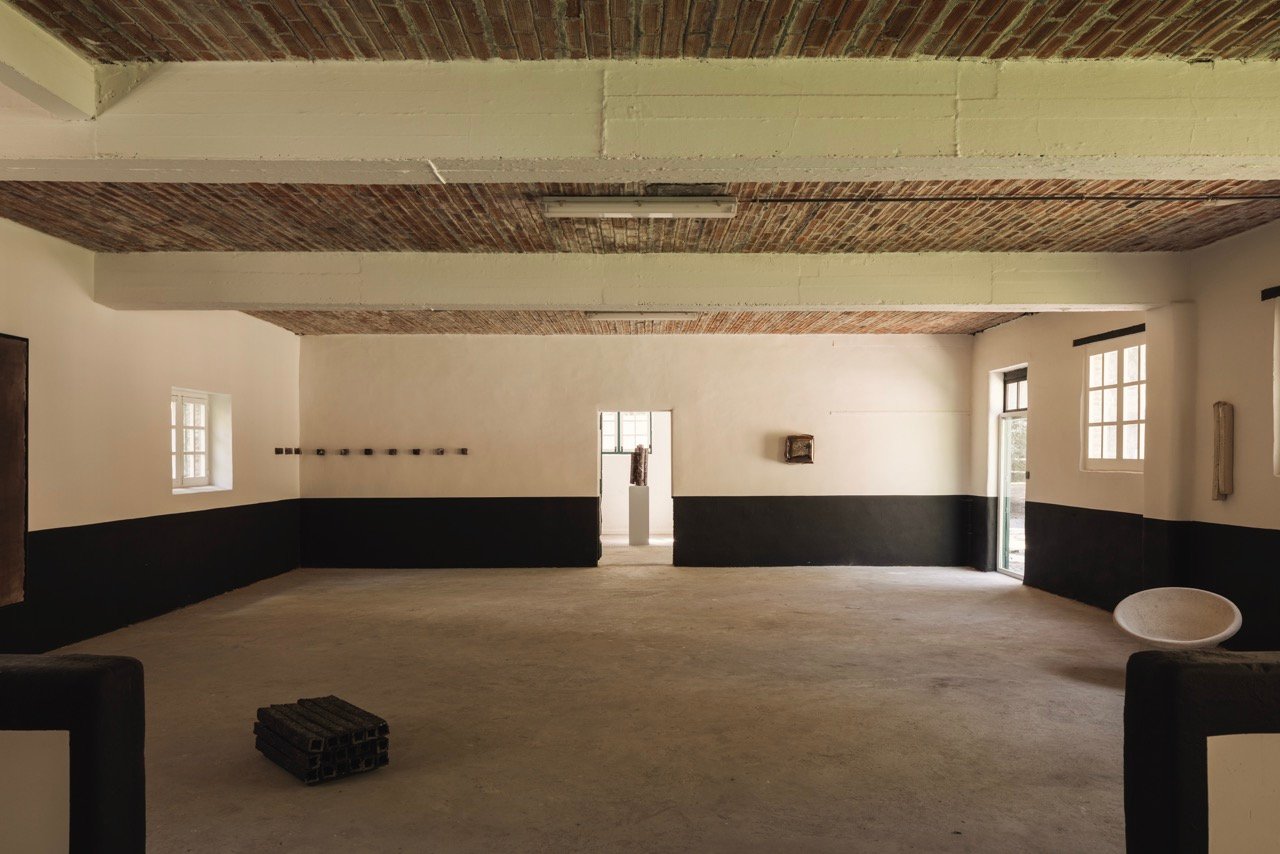
The Capitalyst: Running a nomadic gallery means you’re constantly managing logistics that a fixed-location gallery never has to think about: shipping, local partnerships, adapting installations to spaces you don’t own or control long-term. What has been the single hardest practical problem the nomadic model has created for you, the kind of thing collectors and visitors never see but that eats up your actual working hours?
Stéphanie Frederickx: It’s a one-shot deal. If the location is off, the timing is off, the curation is off, or the sales don’t come together… it’s done. All the effort and costs involved in shipping, adapting, promoting, and installing are lost. The works are still there, and the images remain, but the show itself is gone. That’s what makes this the most risky (and, in many ways, the most stressful) part of my concept. There is no second chance to get it right.
The Capitalyst: Between Knokke, Antwerp, Brussels, Mexico, and now London through your collaboration with 88 Gallery, your footprint keeps expanding into new geographies. If you had to choose the next city or region you most want the gallery to establish a real presence in, where would it be, and what is it about that place specifically that makes you think it’s ready for what you do?
Stéphanie Frederickx: I’m curious to see the world, obviously. I think many interesting shifts are happening globally, and they’re happening fast — which makes them perhaps a little unpredictable. So I’m keeping my eyes on the horizon!