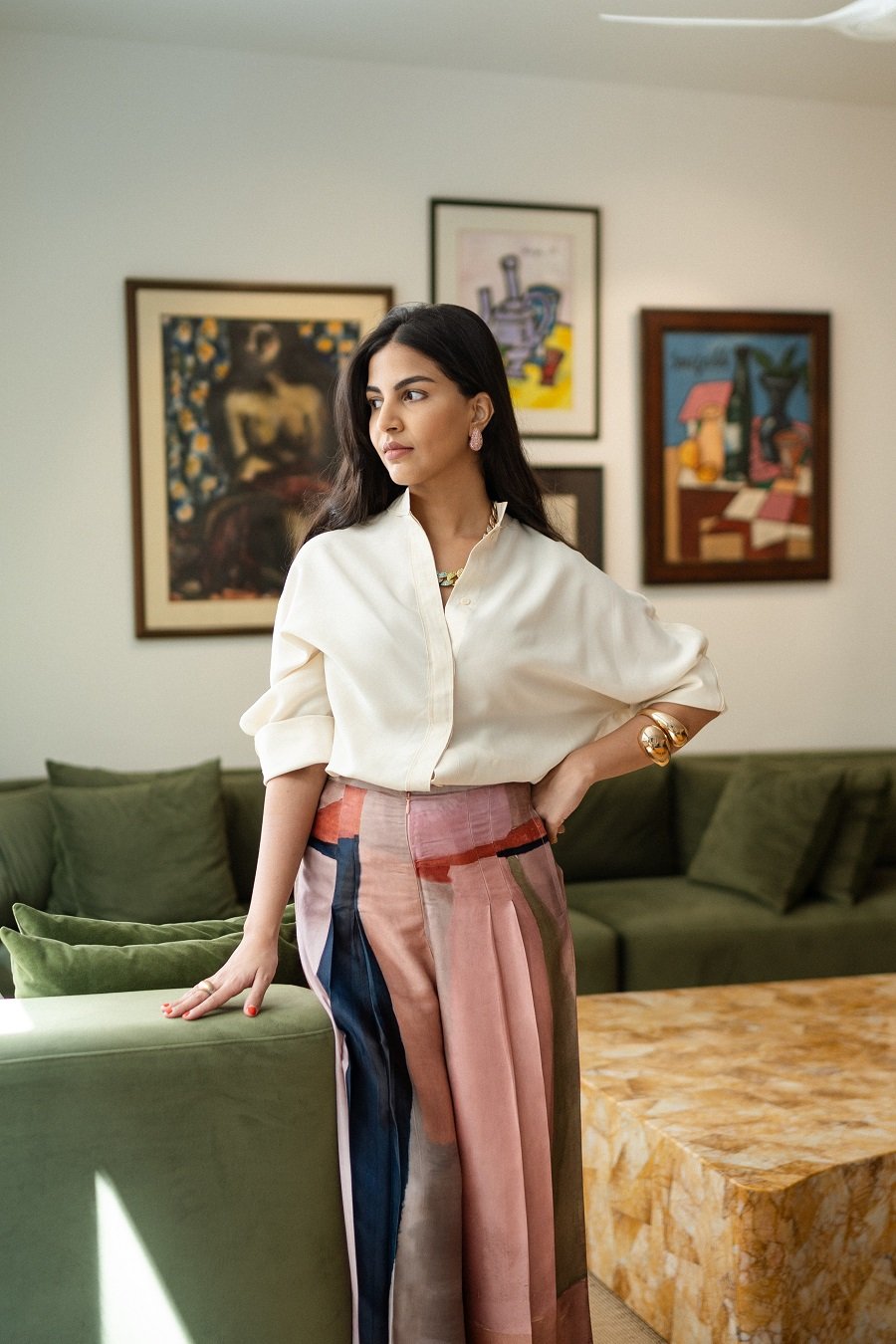
The Capitalyst: You grew up in a household in Mumbai that was constantly buzzing with artists, writers, and musicians. Looking back, what is one specific conversation or moment from your childhood that completely reshaped how you look at a piece of canvas today?
Rhea Kuruvilla: I don’t know if there was one defining moment. Art was just always around. It wasn’t treated as something precious or intimidating; it was part of everyday conversation and I think that was the point. I learned early on that you could live with art, feel it, question it and love it all at once.
The Capitalyst: For someone who has never worked with an art advisor before, how would you describe what you do in simple, everyday terms?
Rhea Kuruvilla: I connect people with works of art they’ll genuinely love waking up to every day. And behind that is the rigour: spending years building relationships with galleries and artists, understanding the market, tracking an artist’s career over time, comparing available works and knowing which works best, negotiating, carrying out due diligence, and handling every practical detail from sourcing to installation. I bring both the love as well as the labour.
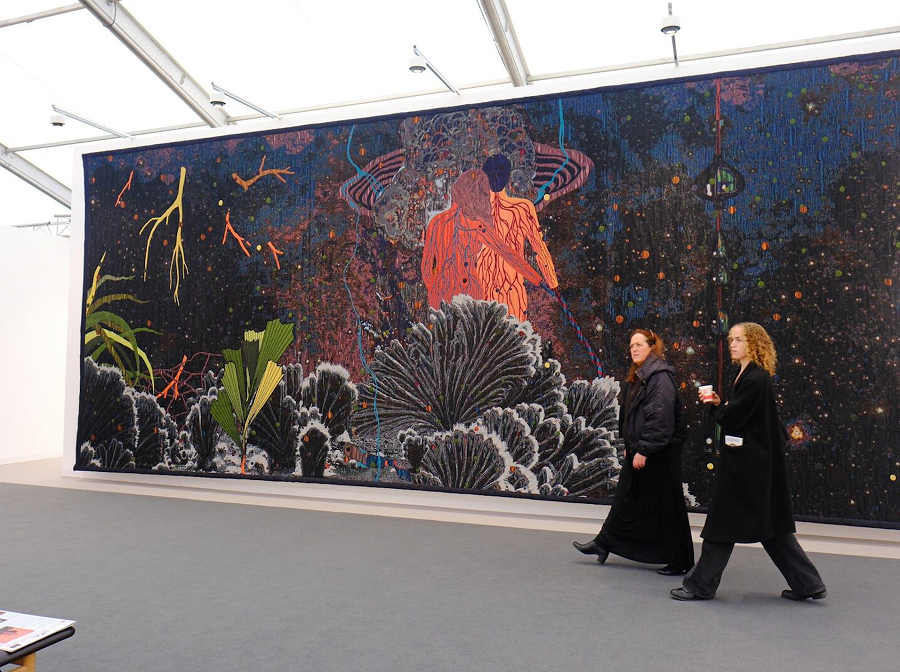
The Capitalyst: You have spoken before about art being a timestamp of our generation’s history rather than just a financial asset. How do you balance that deep, emotional reverence for art with the cold, hard data required to advise clients on high-value acquisitions?
Rhea Kuruvilla: I don’t think of these as opposing forces. I will tell a client exactly what the market says about an artist’s trajectory, and I will also tell them when a work matters for reasons no data will ever capture. Both things are true at once. Art is a funny thing to acquire, because it requires holding sometimes paradoxical truths at once without flinching
The Capitalyst: You work with both first-time collectors and seasoned ones. How different are those conversations, and which do you find more rewarding?
Rhea Kuruvilla: With a first-time collector, the conversation is mostly about navigation – helping them build a vision, understand the landscape, and feel comfortable in the space. With a seasoned collector, the conversation is about editing. They already know what they want, so the work is helping them want more precisely, if that makes sense. I love the sophistication of the second conversation, but there is a particular pleasure in watching someone acquire their first piece – something they love waking up to every single day. That is precisely why I do what I do.
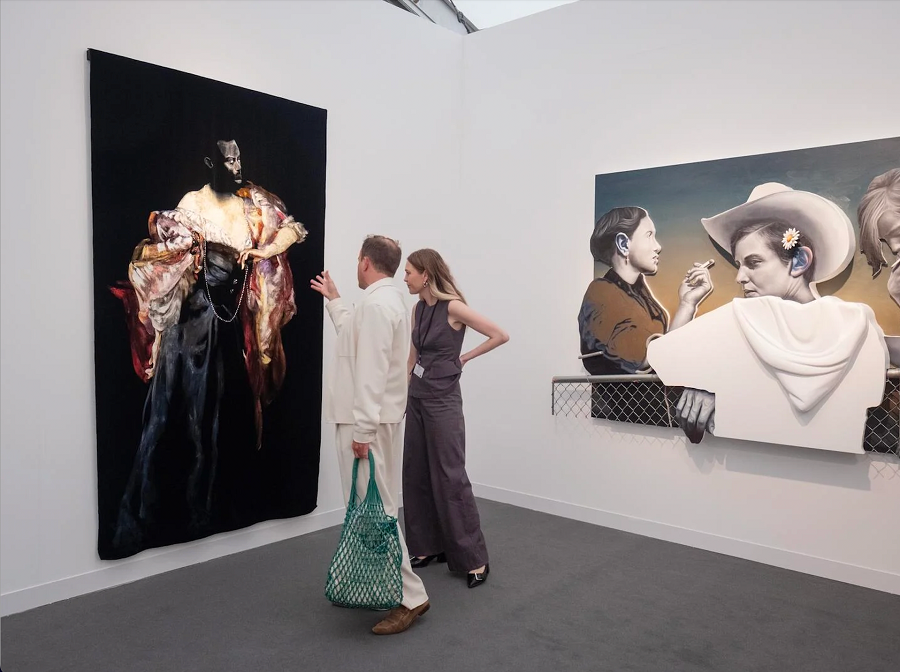
The Capitalyst: As the VIP Consultant for India at Frieze, you act as a vital bridge between the Indian art ecosystem and the global stage. What is the biggest misconception global collectors still hold about contemporary Indian art, and vice versa?
Rhea Kuruvilla: Global collectors still tend to arrive expecting just folk art or something legibly “Indian” in a way that matches whatever idea of India they walked in with. They are consistently unprepared for how current and international the work can be. On the other side, Indian collectors often assume the Western art market is uniformly priced at the astronomical numbers they read about, when in fact the headlines only cover the record-breaking auction moments, not the far wider (and far more accessible) market underneath. I think the role is in many ways translating both ways.
The Capitalyst: You went from working at Saffronart to co-founding Art Mumbai. Mumbai’s art ecosystem has evolved significantly. How does it compare to global art hubs like London or New York, and what makes it distinctly its own?
Rhea Kuruvilla: Global art capitals like London and New York have the cultural infrastructure Mumbai is still building – they have decades of galleries, museums, institutions and initiatives. What Bombay has is an organic energy. It’s funny, when we started Art Mumbai, the recurring feedback was that it felt like such a “personal fair.” Everyone genuinely knows everyone, and the ecosystem moves through relationships and word of mouth. Art Mumbai was, in part, a bet that this closeness is a strength to build on deliberately and, as a next step, expand outward from.
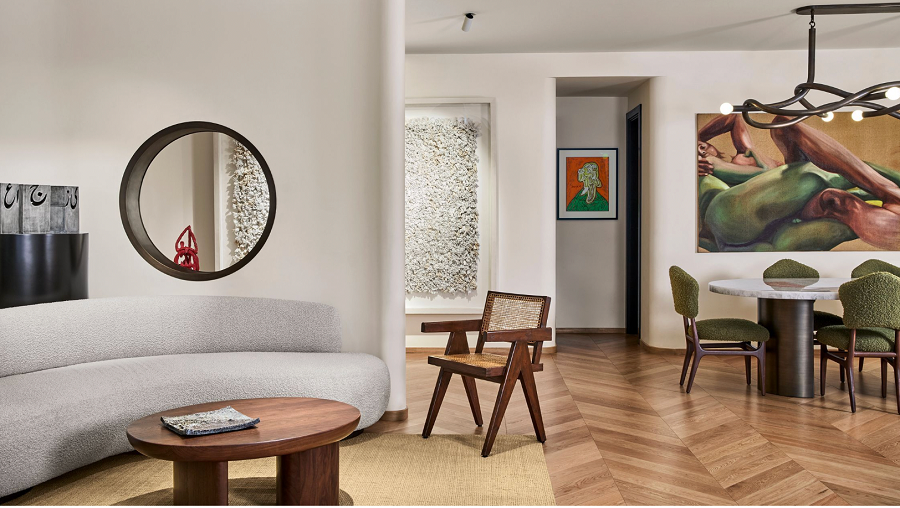
The Capitalyst: Beyond the canvas, you are frequently recognised as a lifestyle tastemaker, often blending vintage heritage with sharp, contemporary style. Do you view your personal fashion and the way you curate your living space as an extension of your art advisory practice?
Rhea Kuruvilla: I guess the eye doesn’t clock out. My mission is to surround myself with beauty and I think I’m drawn to the same things whether I’m choosing a work of art, a chair or a pair of earrings: character, craftsmanship, and storytelling. The goal is to create a world that feels distinctly yours.
The Capitalyst: What is something you are deeply passionate about that has absolutely nothing to do with art, design, or aesthetics?
Rhea Kuruvilla: Wildlife safaris. There is absolutely nothing else that could get me out of bed at 5 o’clock in the morning willingly. The thrill of the chase is completely unmatched.