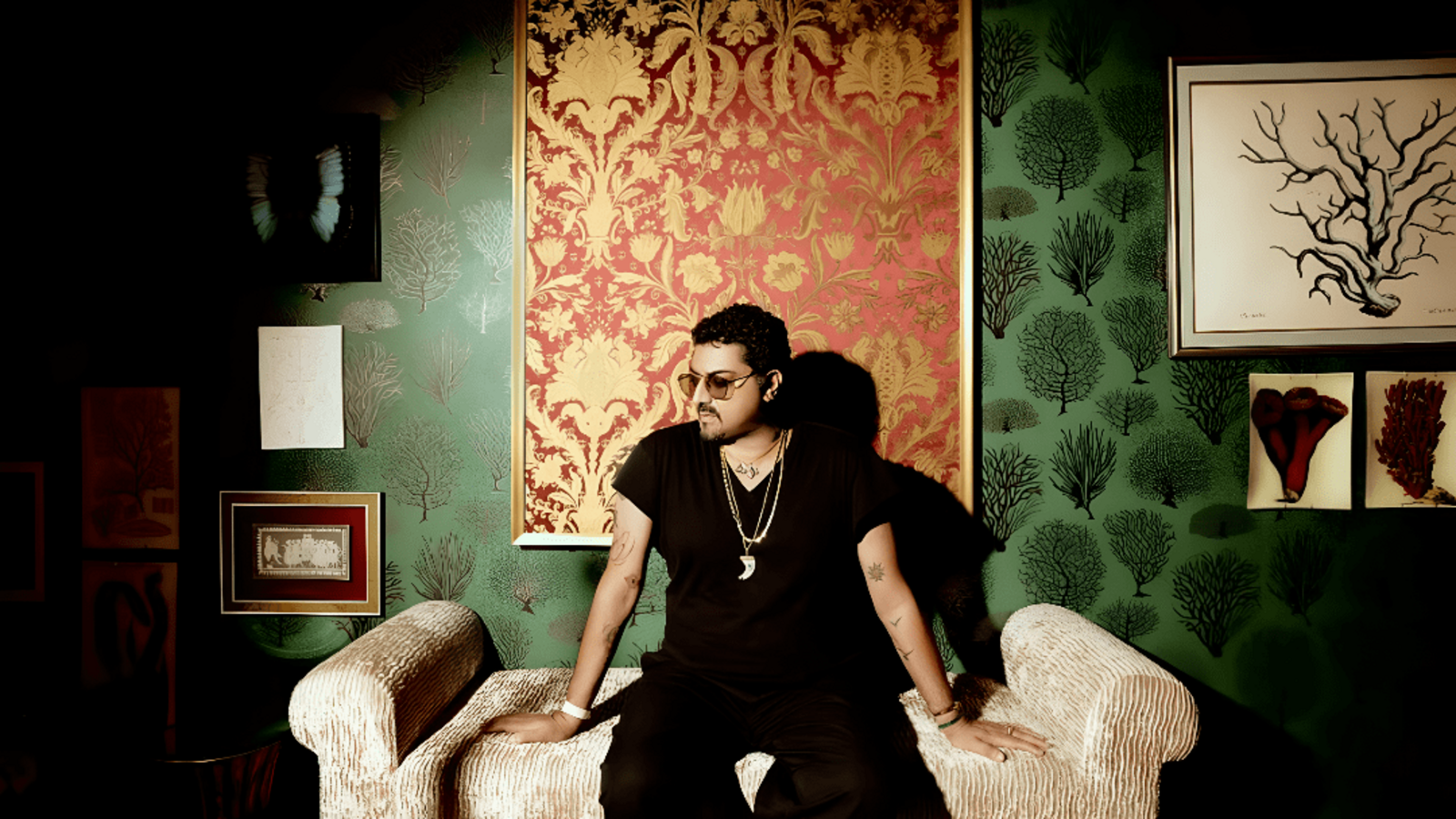
Hanut Singh: The Intuitive Alchemist of Modern Jewellery

Hanut Singh defies jewellery norms, drawing roots from Delhi, Mussoorie, and New York to craft “well-made cocktails” of past, present, and future. A spiritual “vessel” for designs, he champions organic growth over scaling, genderless adornment echoing Maharajas, and human soul over AI. After 25 years dressing Beyoncé and Cher, his ambition burns: “Miles to go before I sleep.”
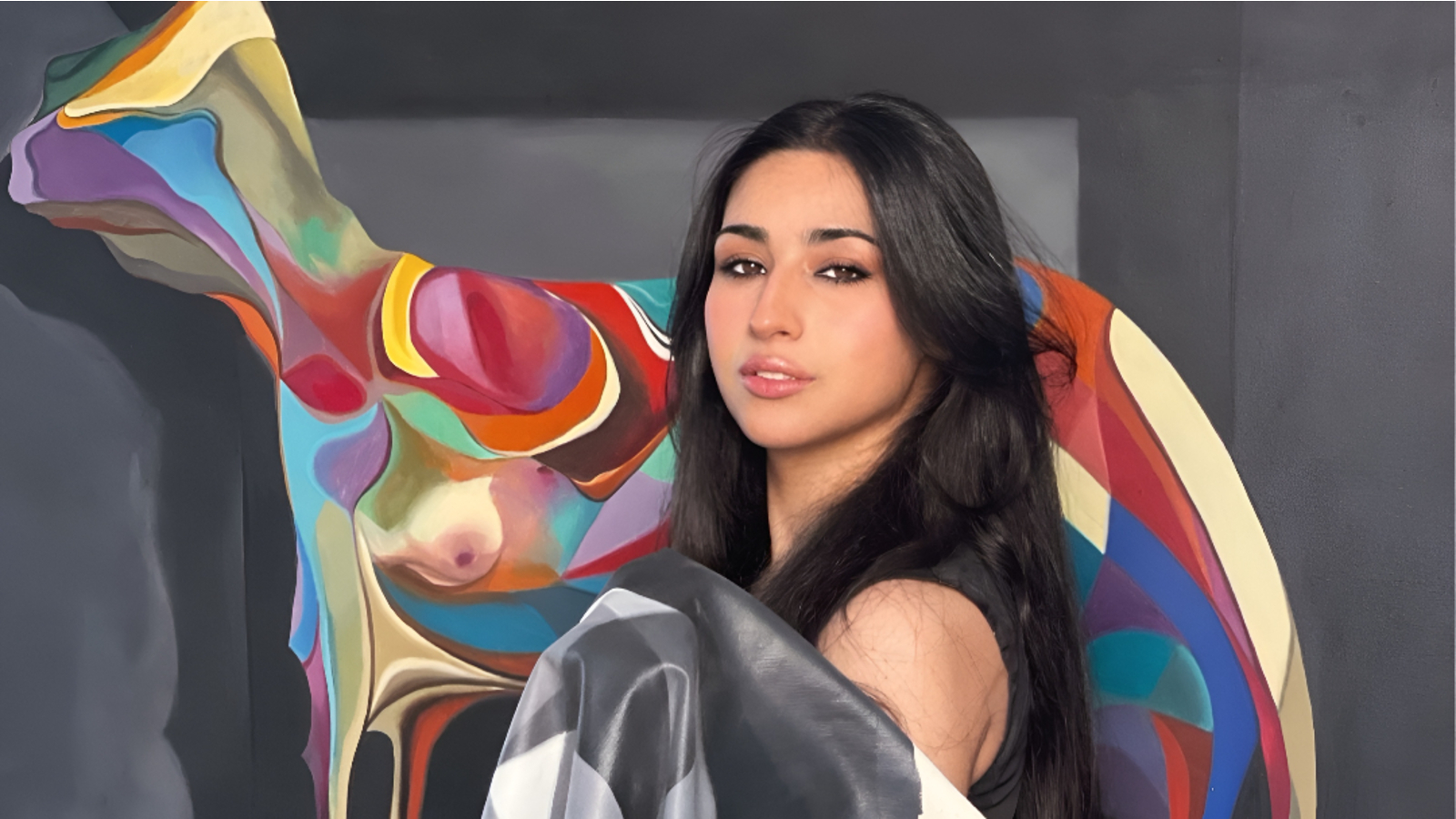
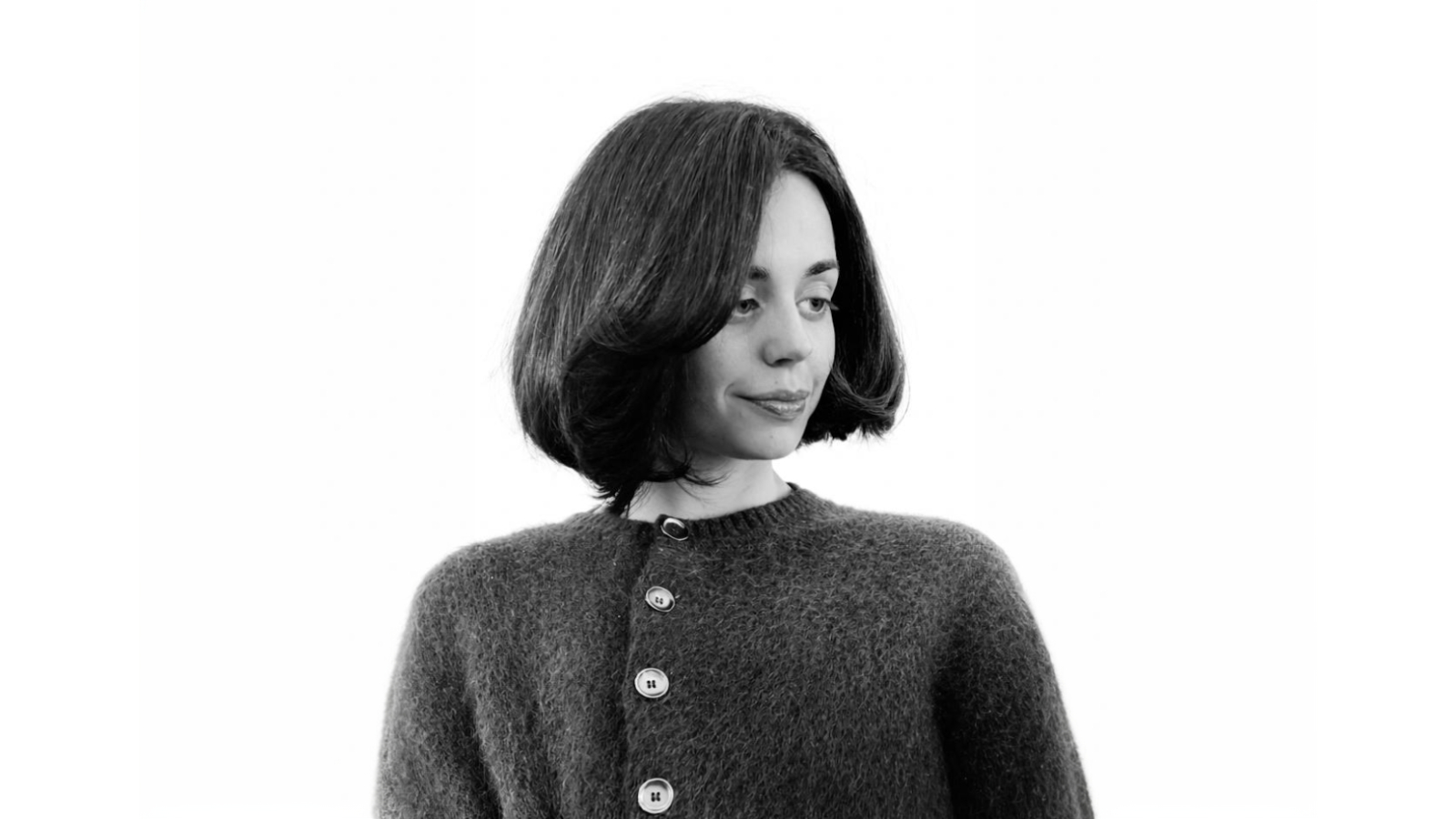
Tabarak Mansour: Iraqi Painter and The Quiet Language of Feeling and Form

Tabarak Mansour transforms anxiety into stubborn images—recurring shapes and colors—that evolve into paintings of emotional containment. Her timeless atmospheres evoke inner climates through veiled figures in boxes, balancing vulnerability with protective silence, while inviting viewers to complete open-ended meanings. She seeks deeper critique of Iraqi art beyond political frames.

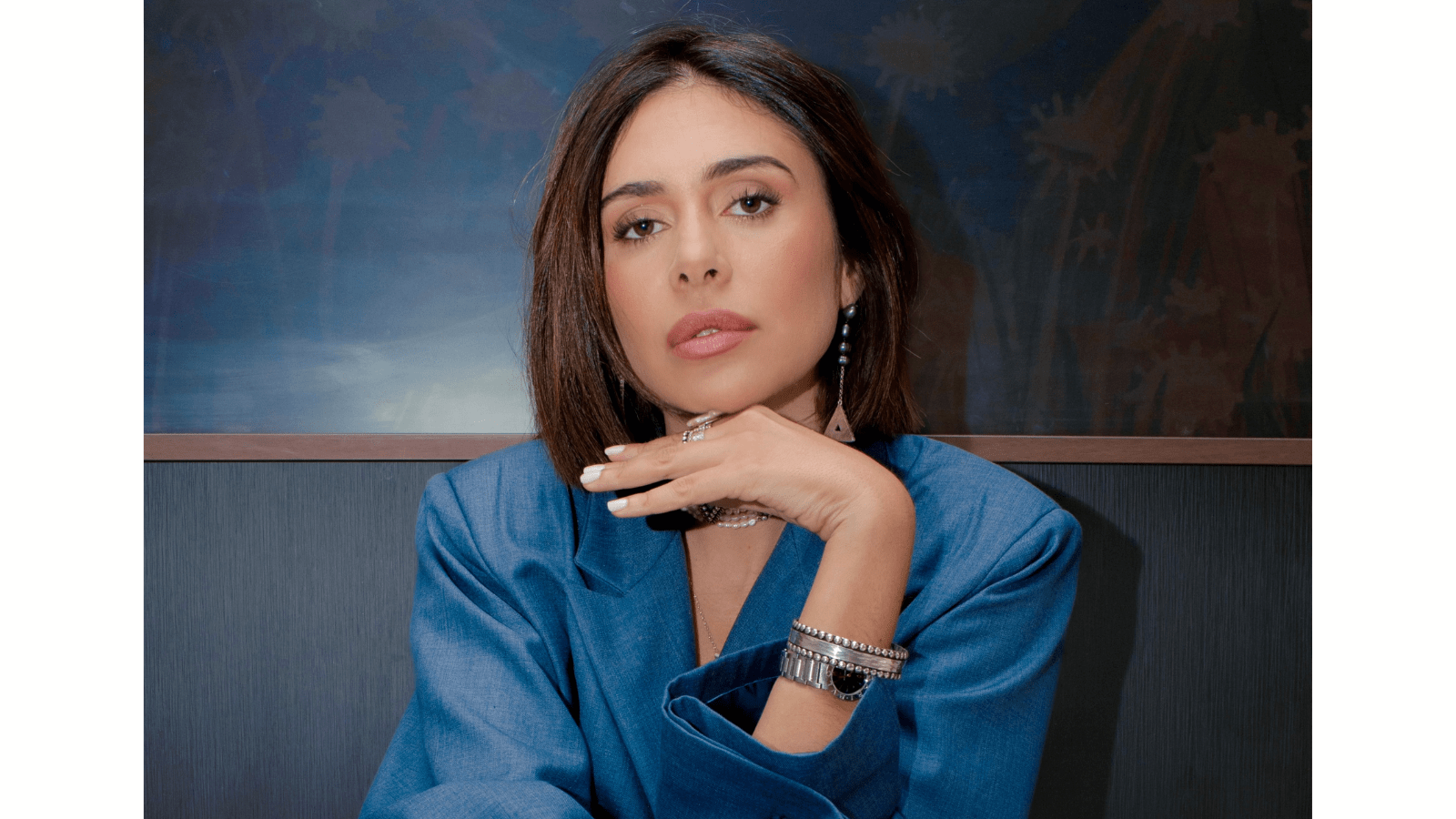
Malini Agrawal: Reinventing Influence Beyond ‘MissMalini’

Malini Agrawal transformed a 2008 hobby blog into MissMalini, India’s iconic Bollywood gossip powerhouse over 15 years. In 2025, she stepped away to launch IF (Idea Factory) with Tom Dawes, helping founders build authentic brands in the AI era. She champions a truth economy where human creativity amplifies technology, stories foster loyalty over algorithms’ reach.

Samuel Madeleine’s Madeleine Kimball: Crafting AI-Refined Modern European Heirlooms

Madeleine Kimball reimagines modern heirlooms at Samuel Madeleine, where AI-driven innovation meets timeless European craftsmanship. From her Weight of Beauty prints to luxurious furniture and Sportova’s refined fitness spaces, her designs fuse technology, poetry, and enduring materials—creating objects that gather memory and patina, worthy of passing down through generations.

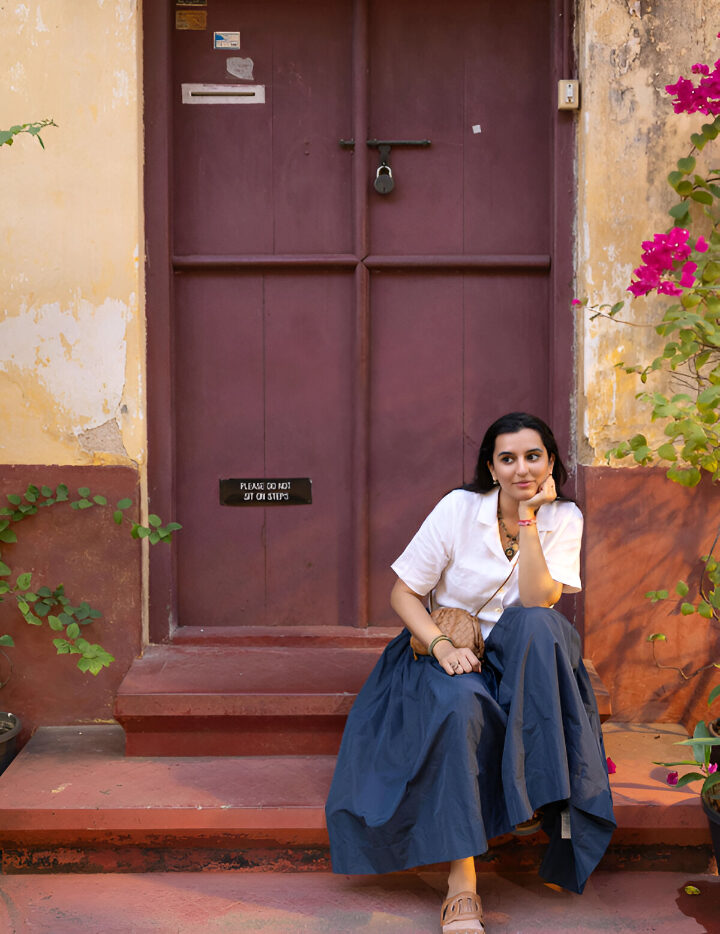
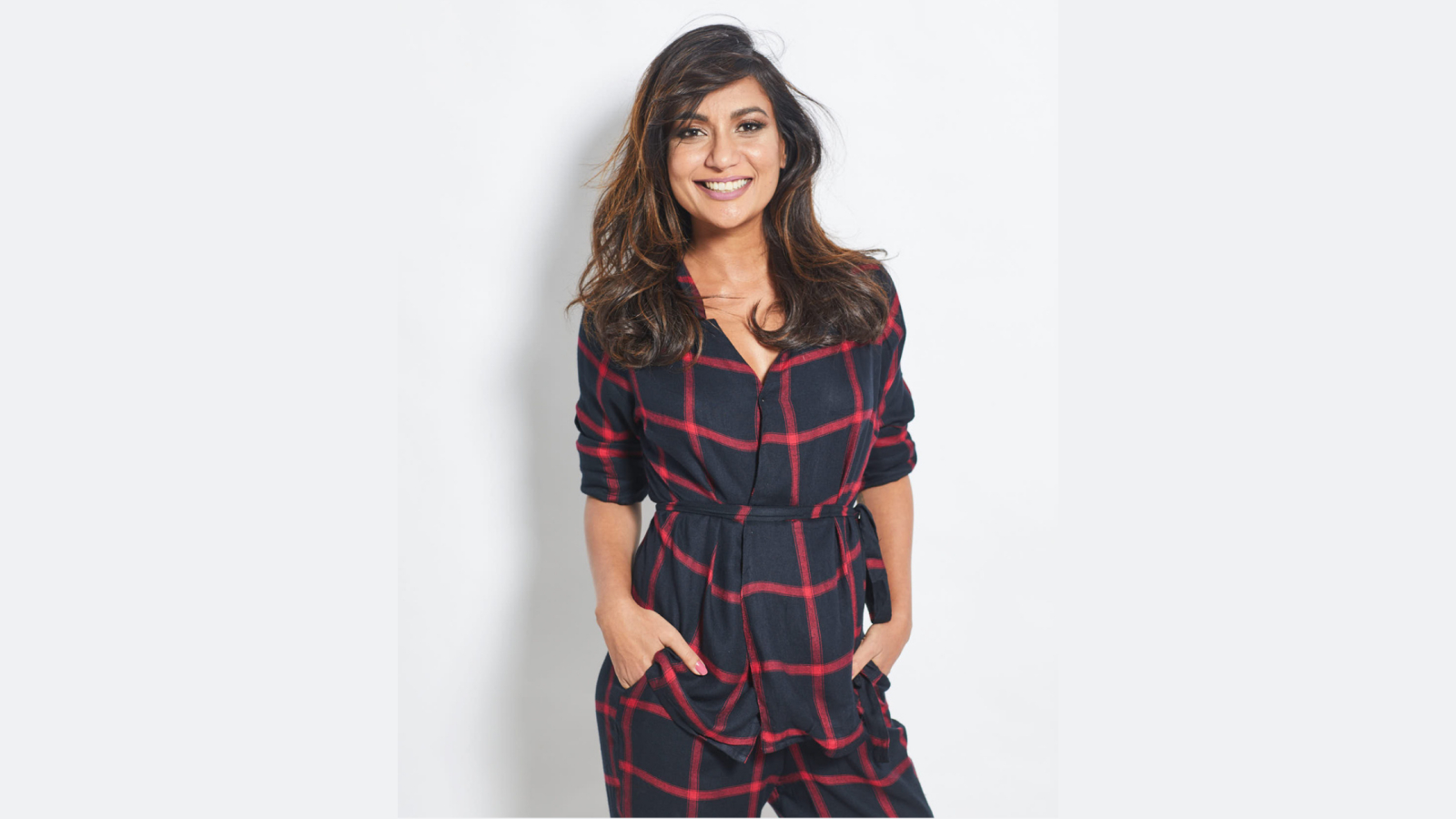
Karnika Kisnadwala: Elevating South Asian Artisanal Luxury with Kaanjj

KAANJJ bridges South Asian heritage with global luxury, curating sustainable fashion beyond bridalwear for everyday elegance—from pajama sets to cocktail attire. Founder Karnika Kisnadwala identified a market gap, prioritizing inclusivity, ethics, and artisanship. Her mother-daughter team built a made-to-order platform during the pandemic, now thriving from an India-based operation.