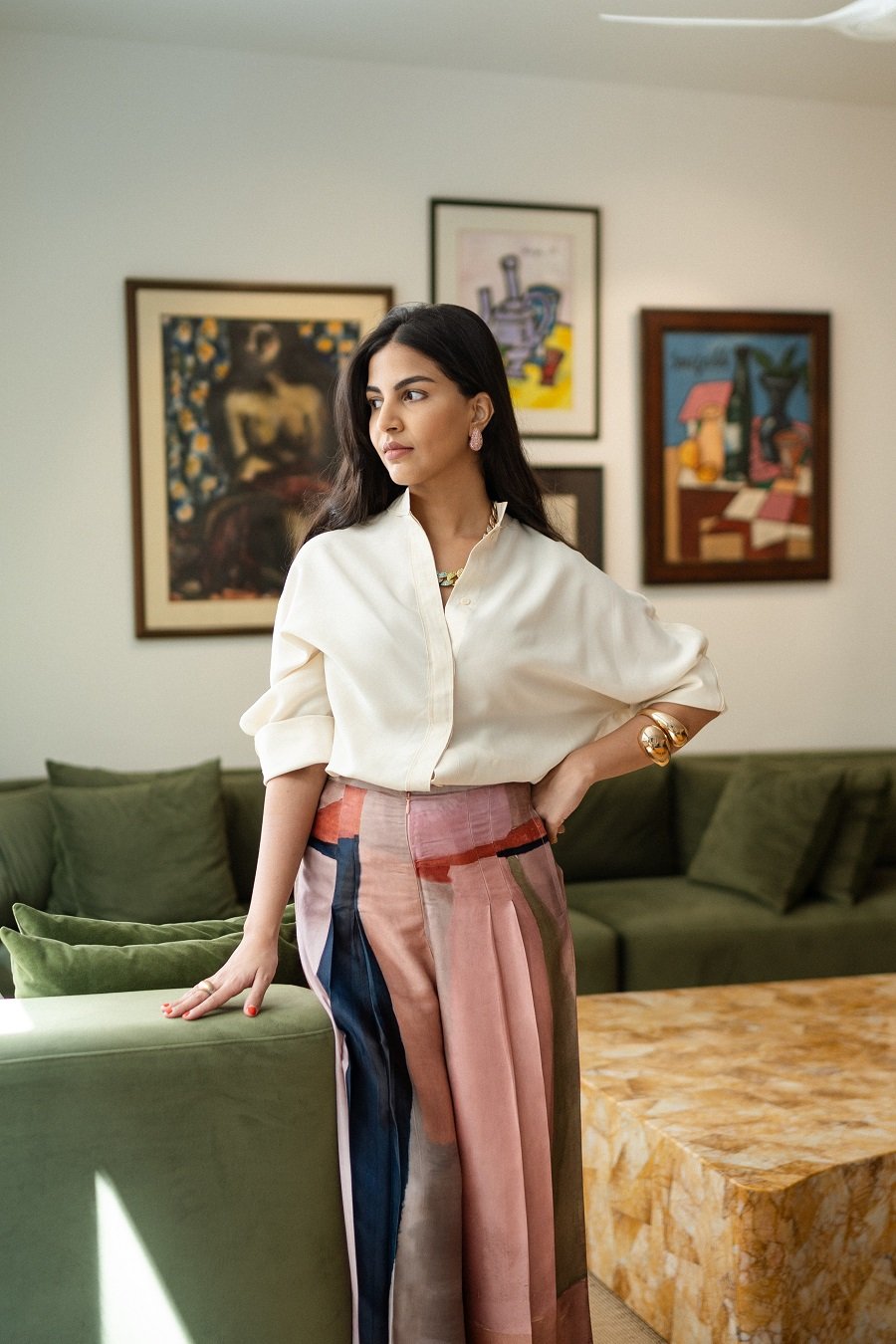
The Capitalyst: You spent over two decades building ELLERY into one of Australia’s most recognised fashion exports. What made 2023 the right moment to redirect that energy into collectible design?
Kym Ellery: Collectible design was a new direction professionally, but it never felt unfamiliar. I grew up with a mother who was an artist and art teacher, so creating has always been part of who I am. When I left Perth after school, my first intention was actually to study architecture, so I’ve always been interested in the dialogue between art, design and architecture. The immediate catalyst to create collectible was an invitation to exhibit at a design fair in Paris. I don’t think I would have accepted that invitation a few years earlier. I needed some distance from my previous practice to reflect on what I wanted to say next.
Creating a permanent object carries a different kind of responsibility; a collectible object is made with the hope that it will outlive you. I spent a long time thinking about what I wanted my first piece to communicate. It wasn’t about changing direction, it was about finding the right moment to begin this chapter.
The Capitalyst: Fashion and furniture both deal with the body in space, but very differently. What carried over from designing garments to designing objects, and what did you have to unlearn?
Kym Ellery: Interestingly, I don’t feel I had to unlearn anything. Whether I’m designing a garment or an object, I’m often thinking about the relationship between the body and the work. The creative process is remarkably similar. I spend a great deal of time questioning ideas before I make anything, allowing them to evolve.
Everything I learnt through my work designing garments continues to inform what I do today. The biggest difference has been expanding my technical vocabulary. I’m constantly learning new engineering, fabrication and material processes, which have opened entirely new possibilities for how ideas can come to exist.
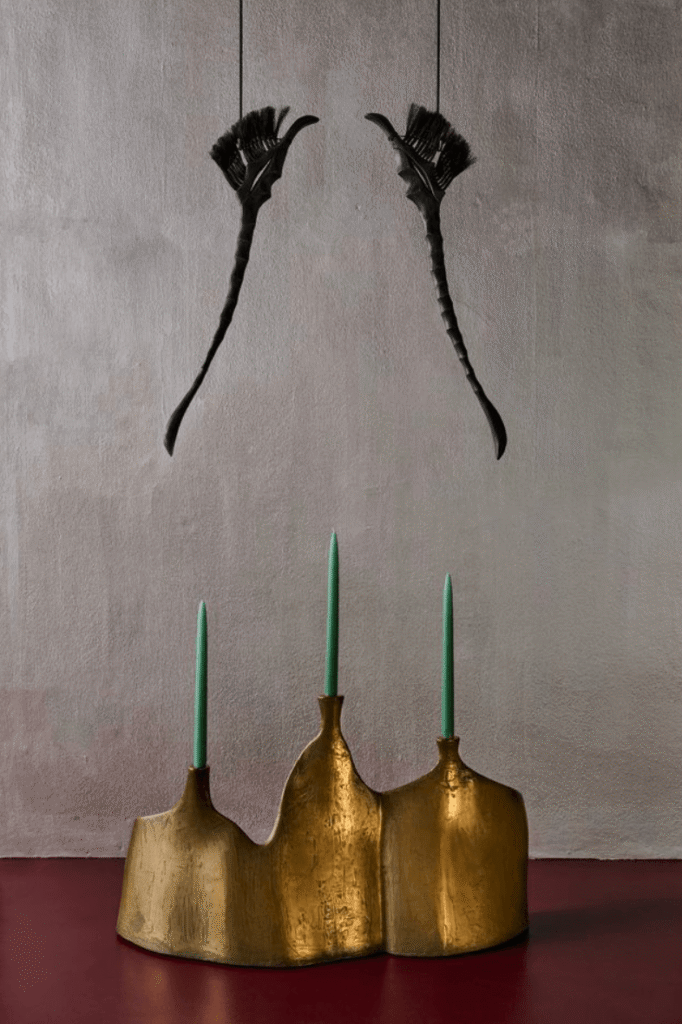
The Capitalyst: You launched your collectible design practice in 2023 with The Moulin Lamp. What was it about light and illumination that made it the perfect gateway for your debut piece?
Kym Ellery: I’ve always been drawn to kinetic objects, so the idea of creating a lamp whose light could move felt incredibly poetic to me. A subtle change in its position can completely transform the atmosphere of a room, and I loved the idea that the owner could choreograph that experience themselves.
Technically, it was far more complicated than I expected. I was told more than once that it wasn’t possible, which only made me more determined to find a solution. Working alongside mechanical and electrical engineers, we eventually developed a way to realise the idea. Looking back, I think it became the perfect first piece because it reflects what continues to interest me today: work that appears effortless but carries a quiet technical complexity.
The Capitalyst: You have stated that art and design are a powerful language. What is the main message or feeling you hope your current three-dimensional sculptural vocabulary communicates to the world?
Kym Ellery: More than communicating a message, I hope the work creates a feeling. The pieces are physically bold, but I hope there’s also a softness in the way they occupy space and invite interaction. I’m interested in how objects can subtly change the emotional atmosphere of a room or someone’s experience of a place. If one of my works allows someone to experience a familiar environment differently, then I feel it has done something meaningful.
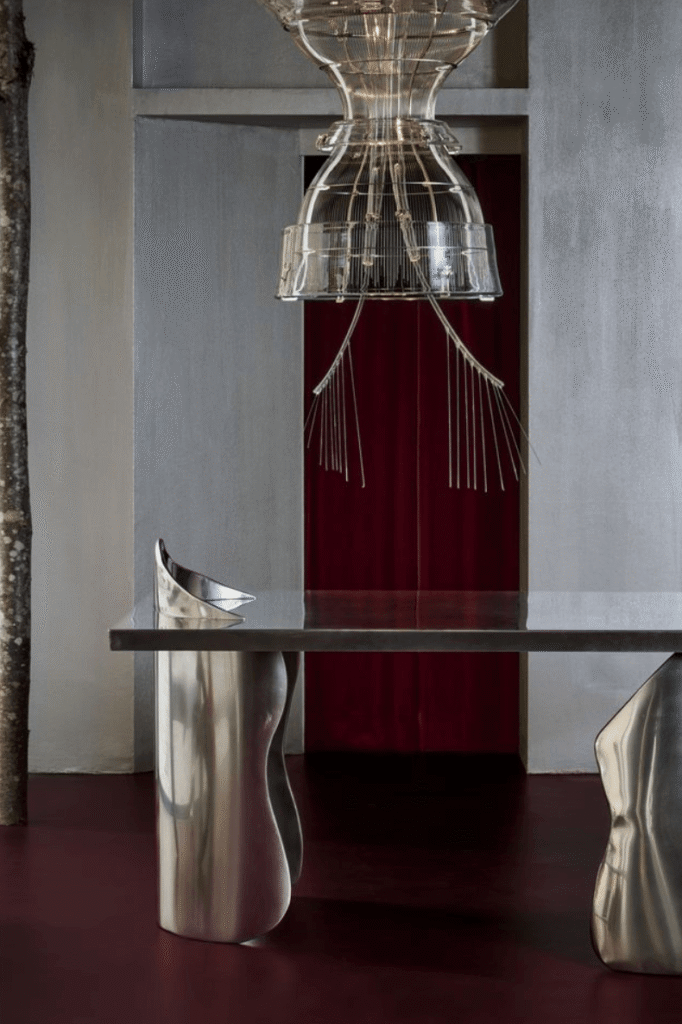
The Capitalyst: You move fluidly between functional furniture and pure sculptural works. At what point in your sketching process do you decide if an object will have a function, or if it will exist purely for reflection?
Kym Ellery: The beauty of collectible design is that a functional object can exist both for use and for reflection. I usually have a sense from the beginning of whether a work will be functional or purely sculptural, but I keep an open mind throughout the process.
Experimentation can reveal something unexpected, and sometimes the final form asks for a different role than the one I first imagined. I’m particularly interested in the moment when an object can hold a strong sculptural presence while also serving a purpose. There is something very satisfying about that tension.
The Capitalyst: Limited editions and rarity are core to collectability. Do you think urgency around scarcity will remain a primary value driver, or are buyers shifting toward other criteria such as story, craft, and sustainability?
Kym Ellery: I don’t think it’s one or the other. Scarcity will always matter because rarity changes the relationship we have with an object. Knowing that only a small number exist gives a work a different kind of presence and energy, and with that comes a sense of responsibility for the person who lives with it. At the same time, I think collectors increasingly want a human connection. They want to understand the person behind the work, the process, the ideas and the values that shaped it.
In a world that’s becoming increasingly digital, that sense of genuine human connection feels more valuable than ever.
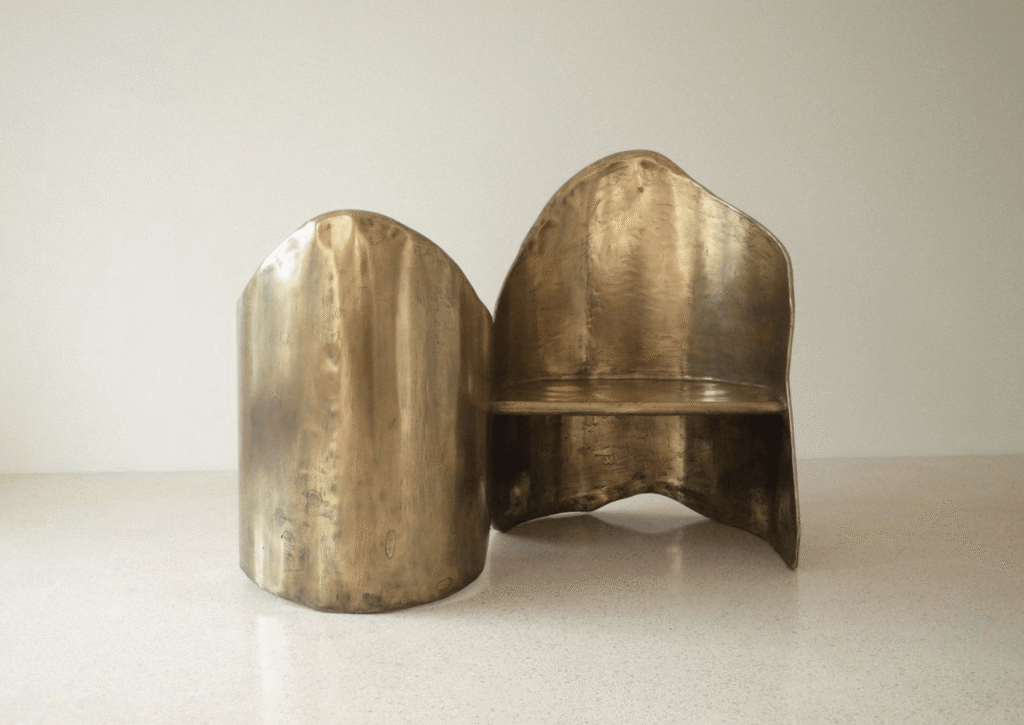
The Capitalyst: When you say you consider how objects live in a room, do you design a piece with a specific type of architectural space in mind, or do you expect the object to dictate the environment?
Kym Ellery: Neither, really. I don’t expect an object to dominate a room. I’m much more interested in the relationship that develops between the object and whatever architecture it finds itself in.
One of the most rewarding parts of my practice is seeing the work inhabit spaces I could never have imagined. Watching the dialogue between the piece, the architecture and the people who live with it continues long after I’ve finished making it.
The Capitalyst: How do you see the market for collectible design objects evolving right now? What is driving collector interest and what is changing about buying behaviour?
Kym Ellery: I’m probably too early in this chapter of my practice to make broad predictions about the market. What I do notice is that collectors are looking for more than beautiful objects. They’re looking for authenticity. They want to connect with an artist’s thinking and become part of an ongoing story rather than simply acquire something decorative.
For me, that’s encouraging because it places greater value on originality, craftsmanship and genuine artistic intent.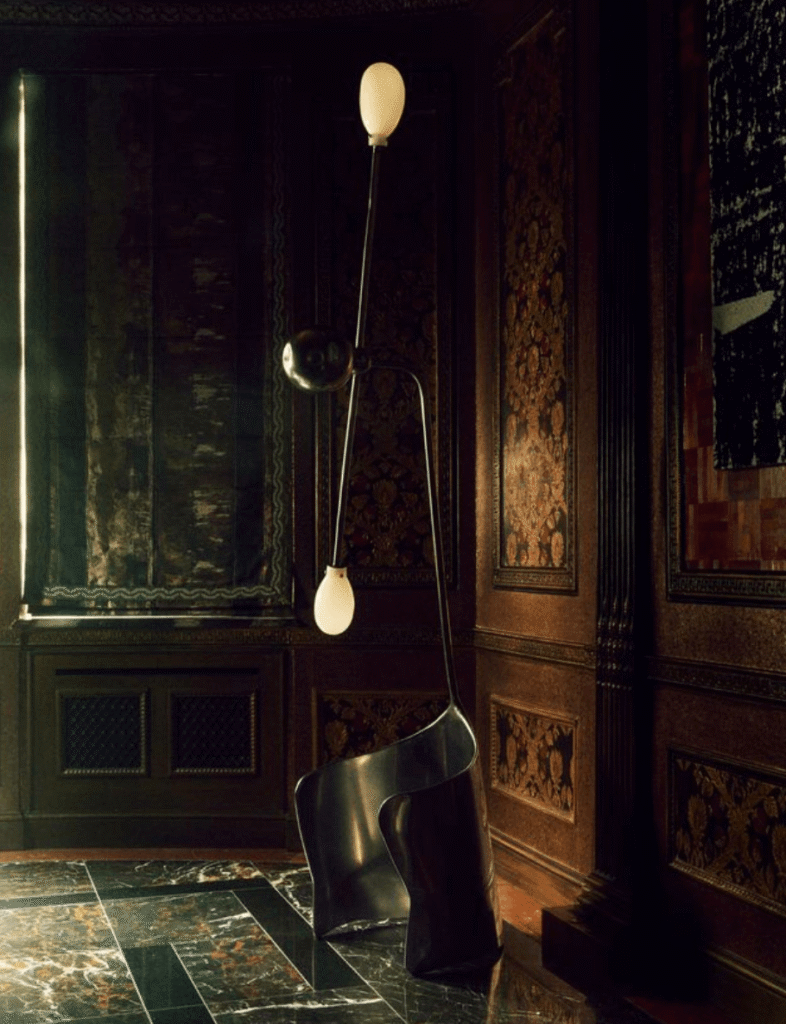
The Capitalyst: What does a typical working day look like for you as you balance the studio, the workshop, and your curatorial roles?
Kym Ellery: There probably isn’t a typical day. My work takes me constantly between studios, foundries, galleries, exhibitions and different cities. Travel has always been important to me, but now it has become part of the practice itself. Experiencing architecture, art, landscapes and different cultures continually reshapes the way I think.
Whether I’m in a workshop solving a technical problem or walking through a biennale, I’m collecting experiences that eventually find their way back into the work. My practice feels less like a fixed place and more like an ongoing conversation with the world.
Photo Credits: