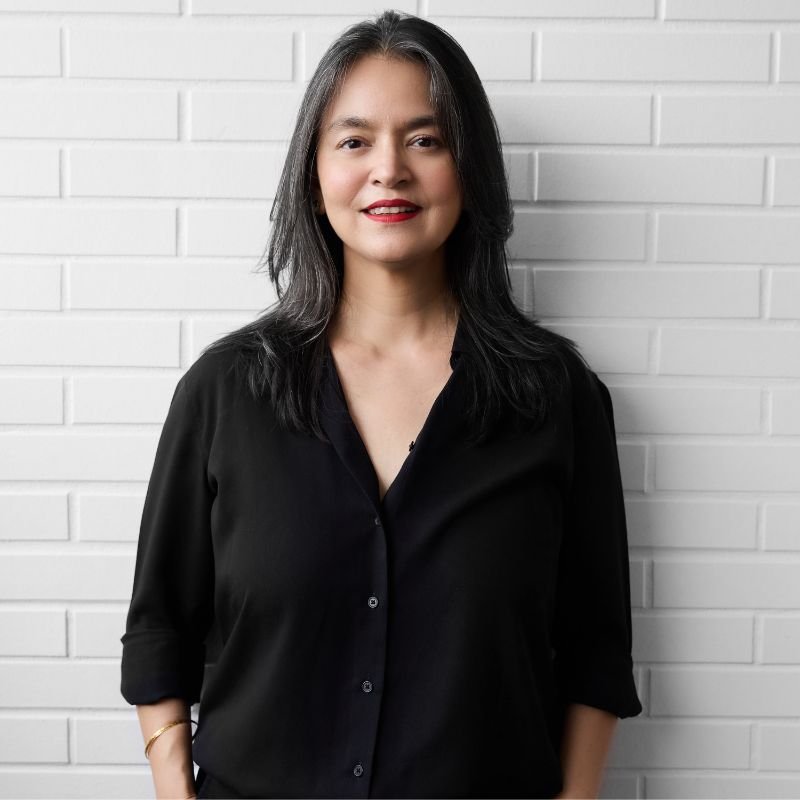
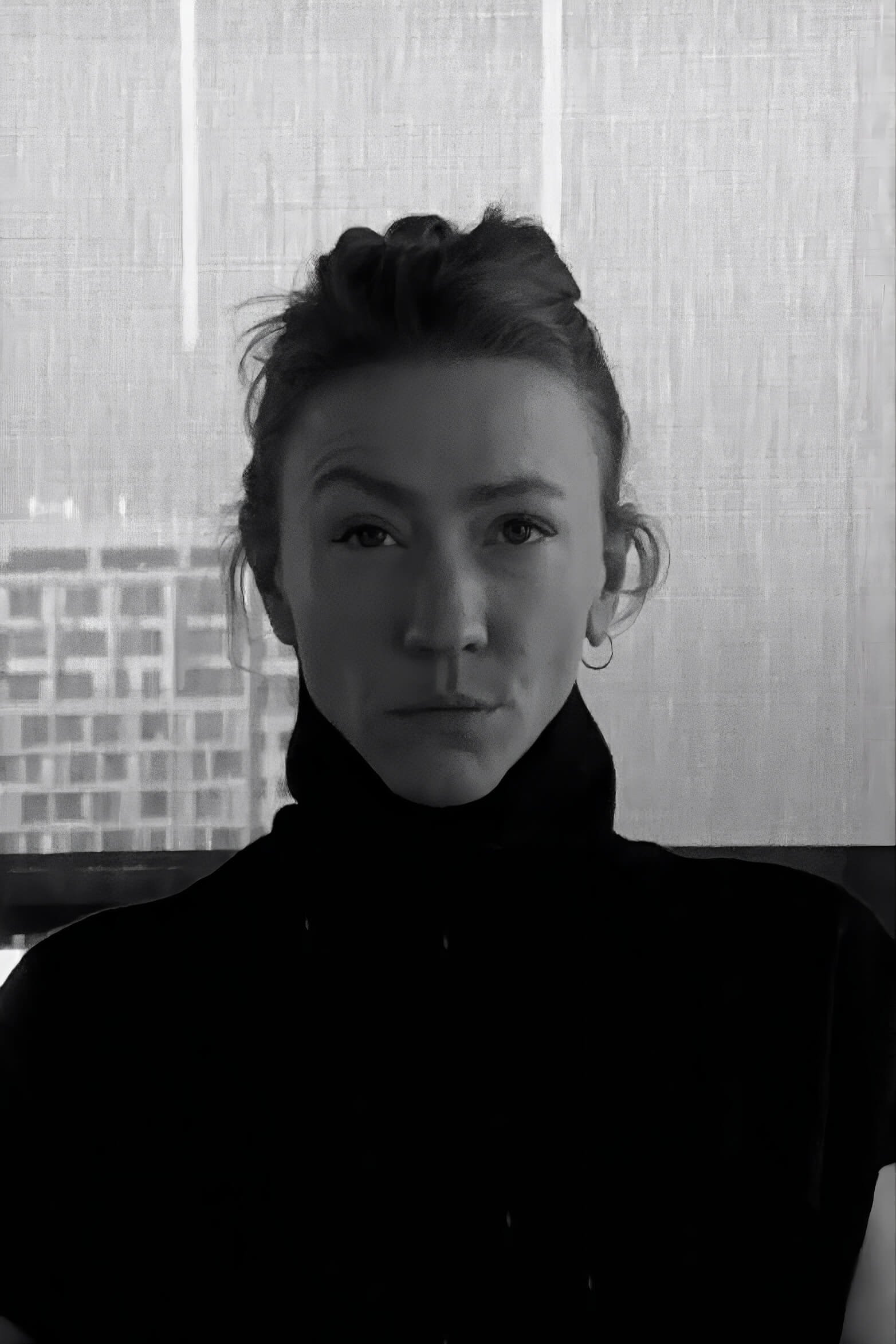
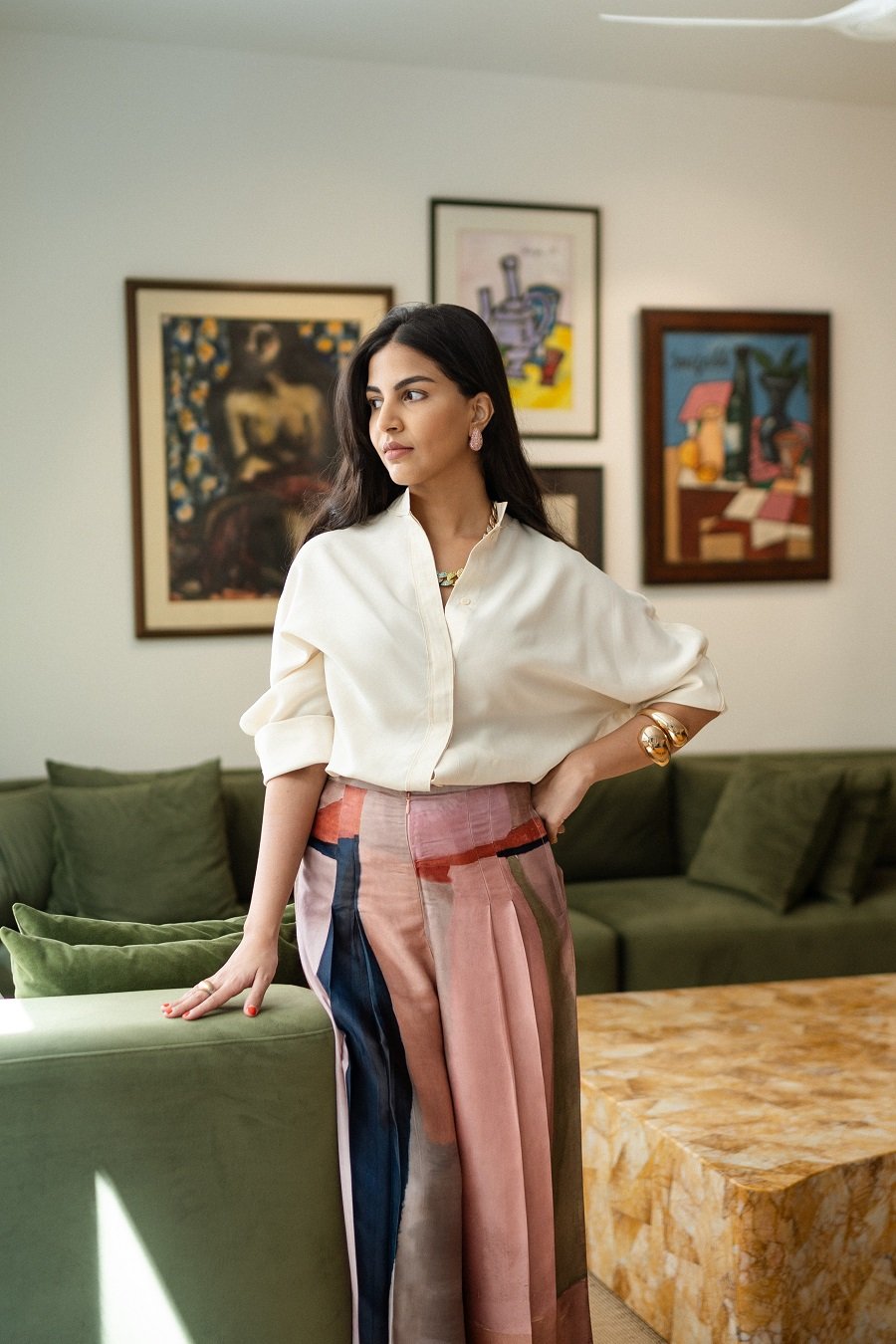
The Capitalyst: You grew up in a family of hereditary artists, surrounded by an atmosphere of creativity and freedom. How did that early environment shape the way you perceive space, colour, and design today?
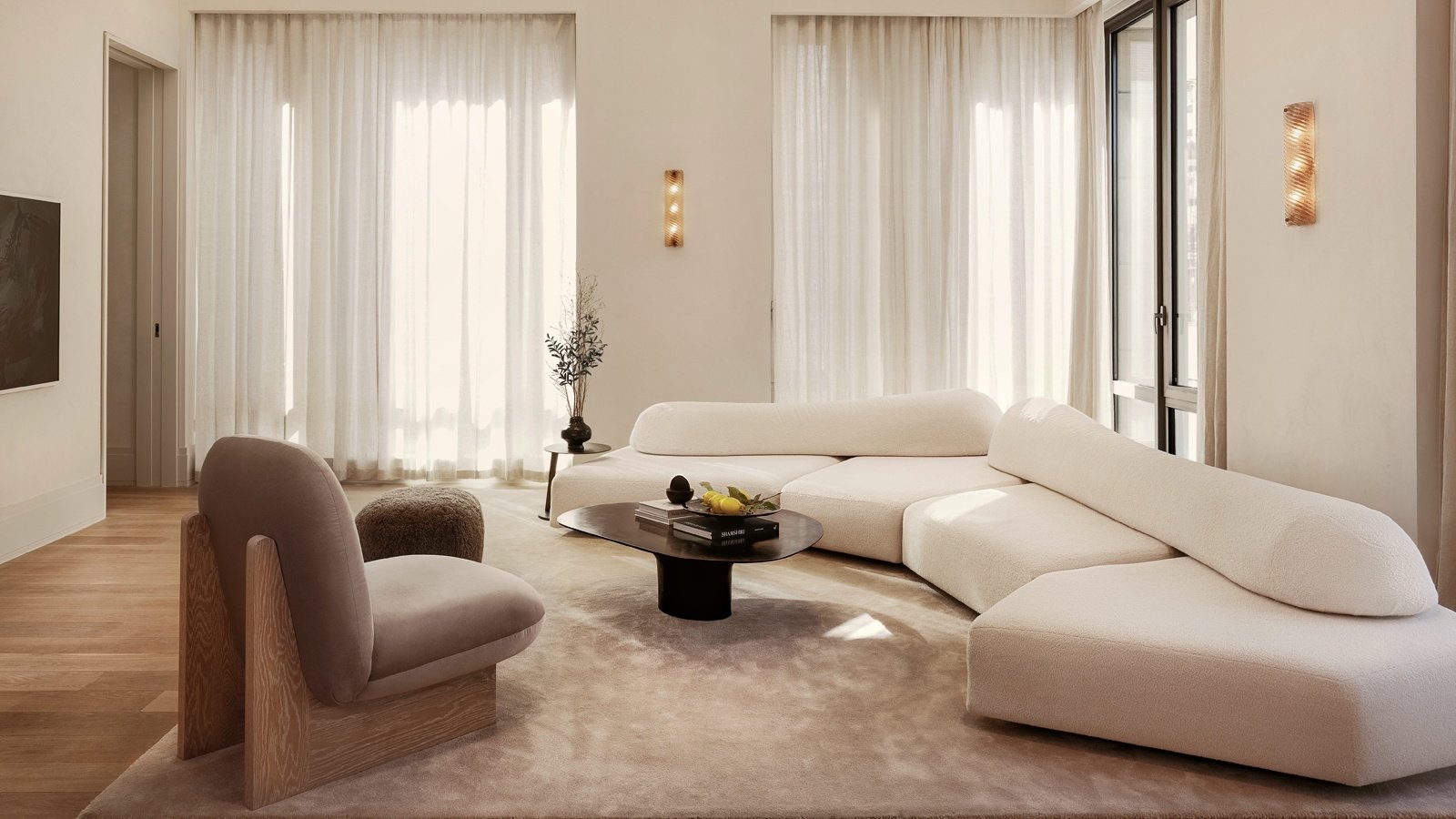
Alina Mehrle: I grew up in my grandmother’s studio, she’s a professional painter, so my childhood was full of color, freedom, and permission to make things. That matters more than people realize. When a child is accepted exactly as they are, they learn to be honest with themselves, and taste built on honesty rather than on approval becomes truly your own. Your eye stops belonging to other people. In that studio I learned to see a room the way a painter sees a canvas, as a place made to hold art and give it air. That instinct never left me. A space doesn’t come alive through what you add to it, but through what you’re brave enough to leave out. So I design by subtraction. But the emptiness itself has to be interesting. I love what the Japanese call ma, the charged space between things, and I love a room composed like a Morandi still life: a few honest objects, each one telling a story, and the silence between them doing just as much work as the objects themselves.
The Capitalyst: Before moving to New York, you reached the pinnacle of the design industry in Russia, working as a Creative Director and running your own hospitality design company. What was the most significant cultural shift you experienced when transitioning your design practice to the US market?
Alina Mehrle: Honestly, the biggest shift was learning a whole different definition of luxury. In Russia I came up in a tradition where luxury announces itself. Our heritage is imperial. Think the Ballets Russes, Bakst and all that saturated color, the scale of the palaces. Beauty was supposed to overwhelm you. I loved that world. It taught me drama, color, a certain fearlessness. America taught me kind of the opposite. Here, real luxury whispers. The American client, especially in residential, isn’t really asking “how impressive is it?” They’re asking “how does it feel to be inside it?” The whole question moves from status to experience. From the photograph to the actual guest walking through the door after a long day. That changed everything for me. And in a funny way it sent me back to my own roots, to the Constructivists like Rodchenko and Tatlin, who believed form should serve life, not just decorate it. I stopped designing rooms to be photographed and started designing them to be lived in. So it wasn’t about losing my identity. It was about editing it. America gave me the restraint that finally made my maximalism mean something.
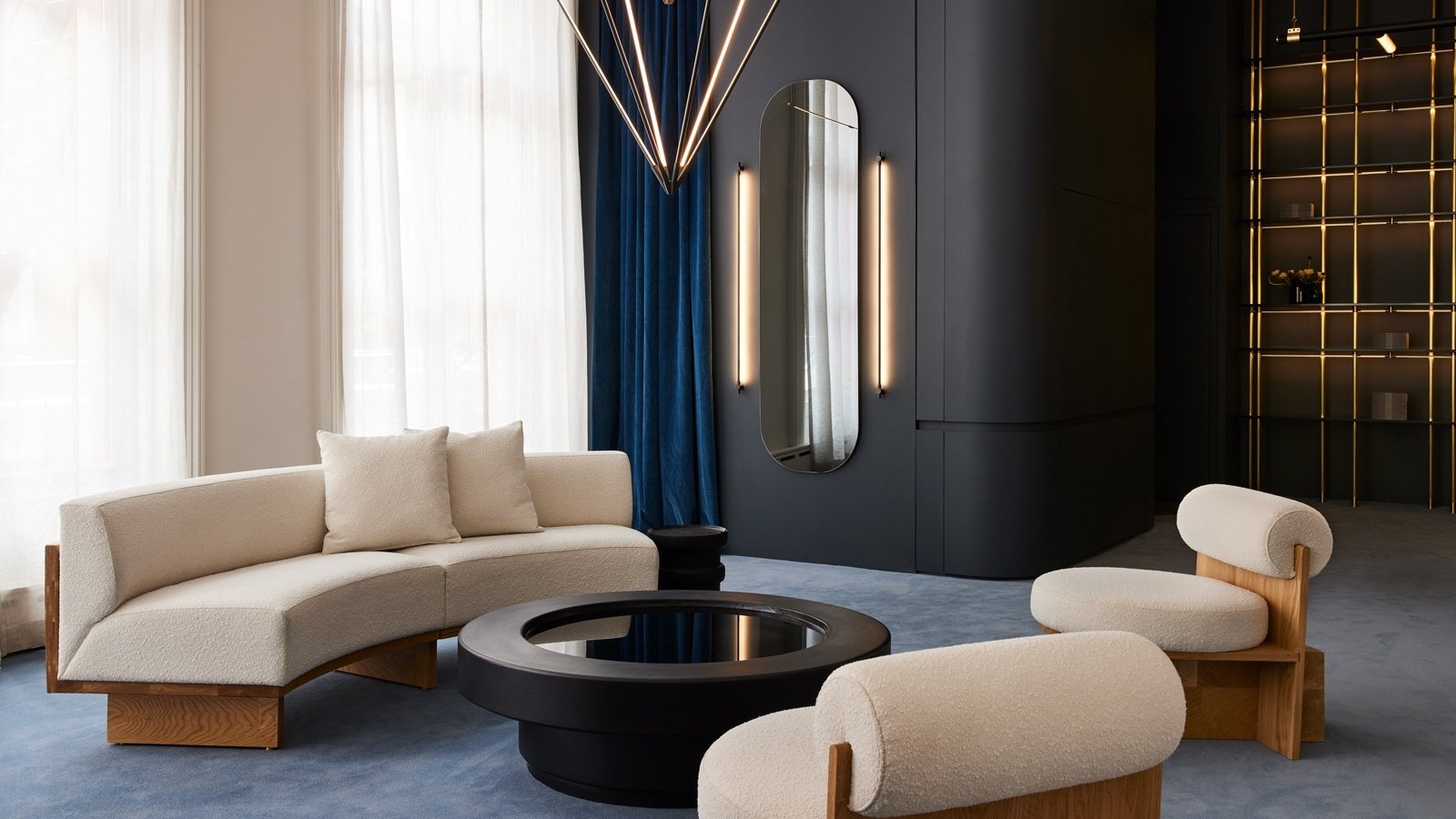
The Capitalyst: You and Julien Albertini launched Asthetique after both growing up in environments that nurtured your creative instincts. What was the moment or conversation that made you realise you wanted to build this firm together, and what did you each see the other bringing to the partnership?
Alina Mehrle: Honestly, I just knew. The first time I met Julien I had this gut feeling that he was the one to build something with, and I always trust my intuition. He was clearly the most talented person in the room, but he also had a good heart, which is rare. He brought everything I didn’t have in the same measure. Vision, but also this fearless grip on the hard technical stuff, the complex construction problems that scare most designers off. He could take an idea living only in the head and actually figure out how to make it stand. So we kind of grew up together, saw the world, made projects we’re proud of, and kept making each other better. That’s the whole thing.
The Capitalyst: At Asthetique Group, you aim to challenge the norm and deliver something truly visionary. What is the core mission and vision behind Asthetique, and how do you want the world to experience your projects, whether through your Instagram presence or a client walking into a space for the first time?
Alina Mehrle: The mission is simple to say and hard to do. I want a space to actually make you feel something, not just look good. So much design today is built to be photographed. It looks incredible for one second and then it’s empty. We want the opposite. Whether you find us on Instagram or walk into one of our hotels for the first time, I want that same little pause. That “oh, this feels different” before you can even explain why. I love what Luis Barragán called emotional architecture, the idea that a space should give you serenity, a bit of mystery, even surprise. That’s what we chase with light, restraint, and art. Not a room, a mood. To me visionary doesn’t mean loud. It means honest and a little brave. If someone walks into one of our spaces and forgets to check their phone for a minute because they’re just present, that’s the whole mission.
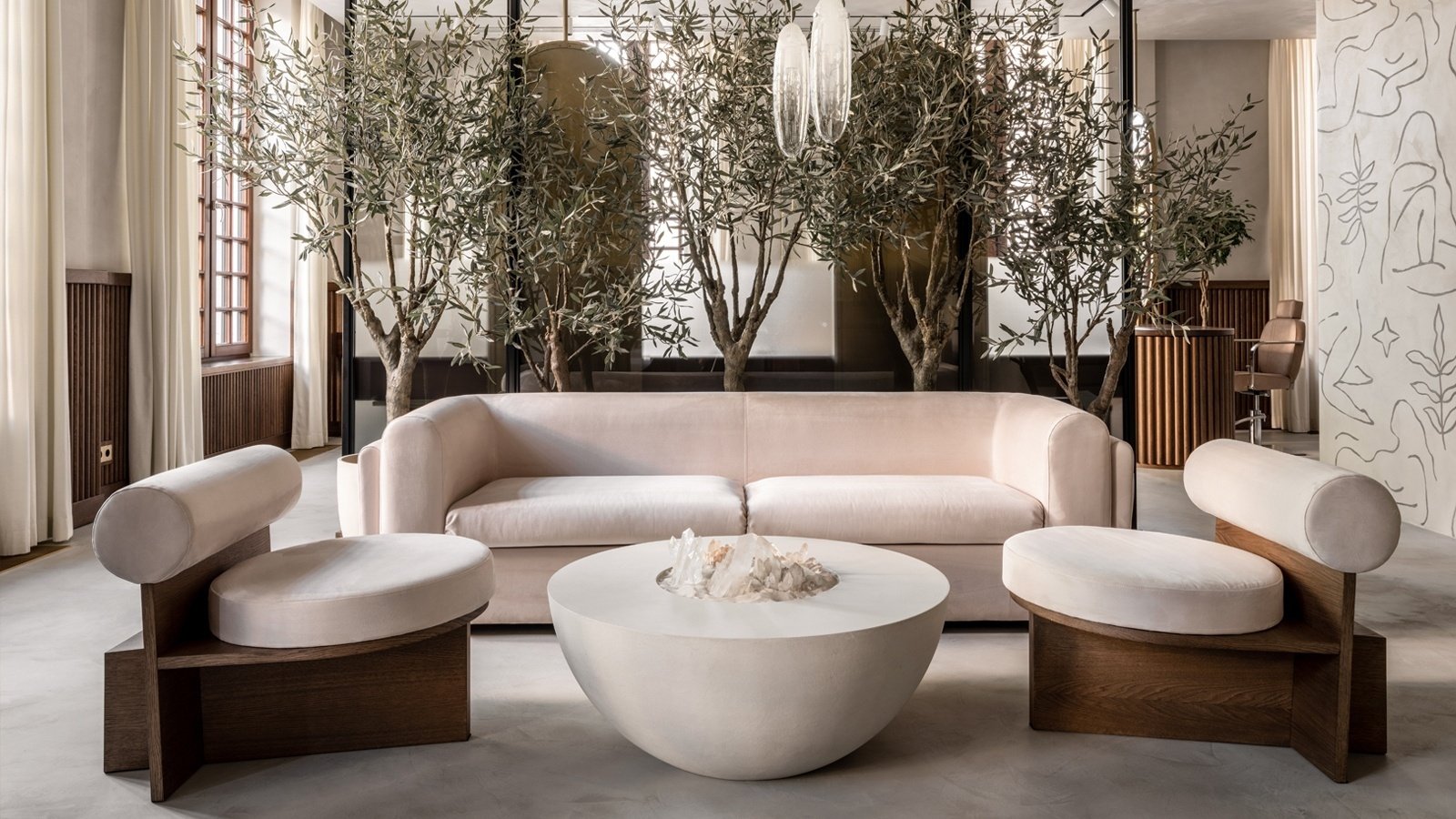
The Capitalyst: Asthetique now has offices in New York and Miami, with a multidisciplinary team working across residential, hospitality, retail, and branding. How did you structure the company to handle such different verticals without losing a coherent design language or brand identity?
PS: We closed office in Moscow when war is started.
Alina Mehrle: I think the vertical is just the format and the philosophy underneath never changes. A home, a hotel, a store, a brand, they all have to do the same thing for us. Make you feel something, tell a story, know what to leave out. So we don’t reinvent ourselves each time. We start from the same point of view and translate it into the right language. I think of it like a fashion house. A great maison does couture, ready-to-wear, fragrance, all completely different objects, but one creative director keeps the codes so you recognize it instantly. That’s us. Julien and I are the keepers of the DNA, and every project passes through that filter. The team is multidisciplinary, but everyone speaks the same design language. New York and Miami too. Two energies, one point of view.
The Capitalyst: You have said that interior design should be a process that brings joy to everyone. What does joy actually mean to you in a physical space, and how do you translate that intangible feeling into concrete design decisions?
Alina Mehrle: A space should feel alive in harmony with the person inside it and the nature outside it. Joy is that quiet feeling of rightness when everything is in proportion to you, not to someone’s ego. I translate it through very concrete things. Light first, always, how it enters and how it shifts through the day. Then the journey. I love to compress a space and then release it, a low intimate passage that suddenly opens into height and view, because delight lives in that contrast. Materials you actually want to touch. Scale built for a human body. Joy isn’t a color or an object. It’s the moment a space makes you exhale.
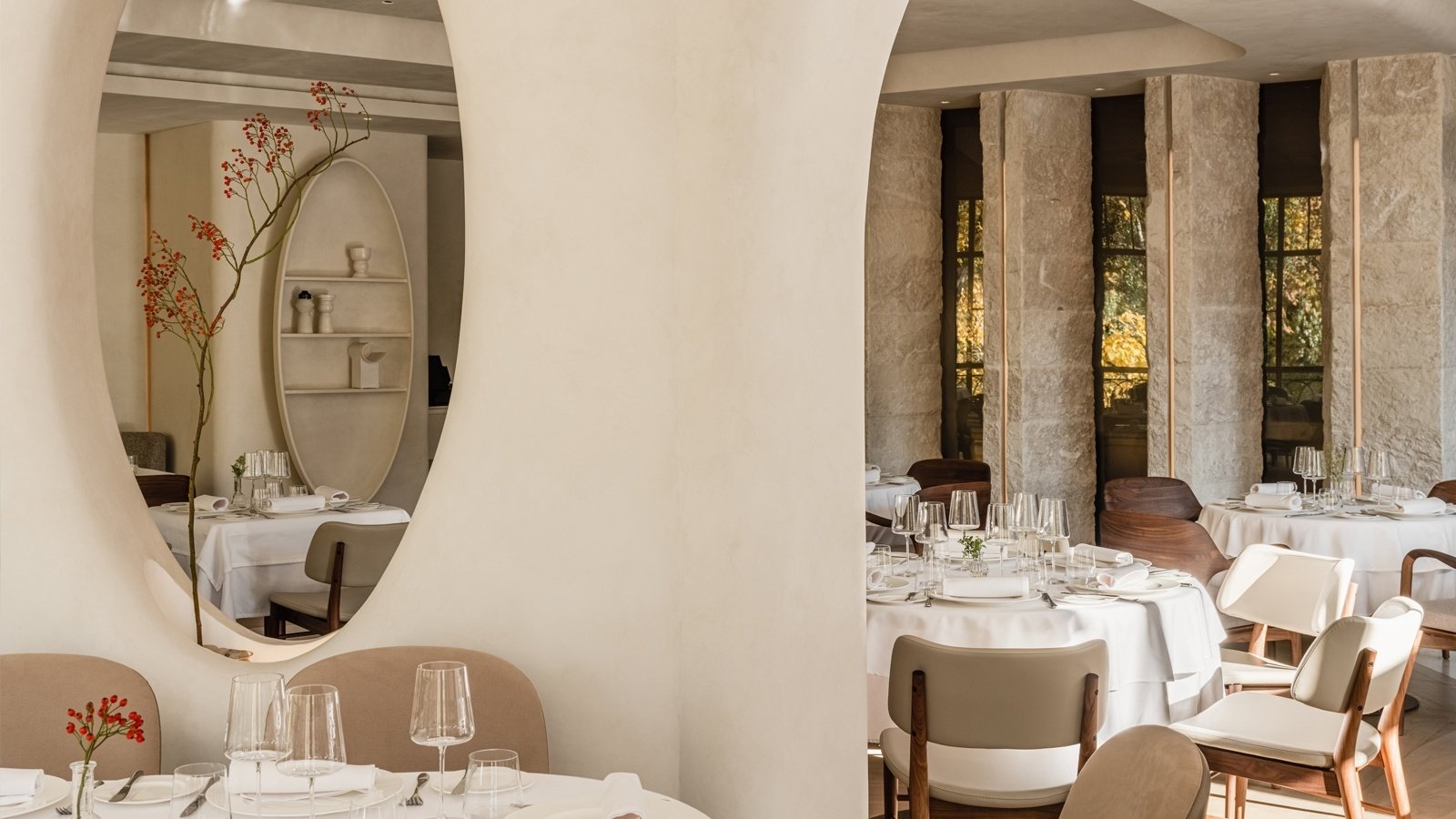
The Capitalyst: What is a design rule you were taught early in your career that you have since completely thrown out?
Alina Mehrle: That everything in a room has to match. Same era, same wood tones, one tidy family of things all in harmony. I was taught that coherence meant matching… I threw that out completely. The most alive rooms I know are full of tension. A raw antique next to something crisp and modern, a rough material against a precious one, objects from different centuries having a conversation. That friction is what makes a space feel human instead of a showroom. Matching is safe. Contrast is what people actually remember. Now I chase the kind of harmony that comes from things that shouldn’t work together, but somehow do.
The Capitalyst: At 30, you were diagnosed with cancer, and your healing journey profoundly changed you. Can you walk us through that period of your life, from diagnosis through recovery, and how it reshaped the way you approach design and space at Asthetique?
PS: Ameon was closed in the end of 2025 unfortunately. So maybe we can remove any mentions of AMEON and fully focus on Asthetique.
Alina Mehrle: At 30, right in the middle of building Asthetique, I was diagnosed with aggressive triple-positive breast cancer. For about six months before that, my body had been sending signals I didn’t understand. I was only eating watermelon and almonds, nothing else. Later a nutritionist explained the cancer was craving sugar while my body was fighting to feed itself. I went through eight rounds of and I kept working the whole time, honestly because design was the one thing that still felt like mine. But I never once believed I wouldn’t get through it. I saw it as a phase, not the end of my story. What that period really did was change how I see space. When you spend months in hospitals and recovery rooms, you feel in your body how much your environment affects healing. Light, calm, texture, even silence can either drain you or bring you back to life. I came out of it understanding that design isn’t decoration, it’s care. A space can genuinely help a person feel human again. That’s the lens I carried back into Asthetique. Everything we do now really comes down to that feeling of returning to yourself. Beauty that heals, not just beauty that impresses.
The Capitalyst: Between running a design studio, working with global brands, what does balance actually look like for you day to day, or is that simply a myth?
Alina Mehrle: Balance as this perfectly even thing is a myth and chasing it just makes you feel like you’re failing at all of it. I don’t look for balance I try to look for rhythm instead. Some weeks are all studio, some are all travel and clients, some are just quiet and mine. In design, balance was never about making both sides equal anyway. It’s tension held well, one bold thing answered by one calm thing. My life works the same way. Not evenly split, just composed.