The Capitalyst: Between exhibitions, artists, collectors, and fair planning, what does an average week actually look like for you as Director?
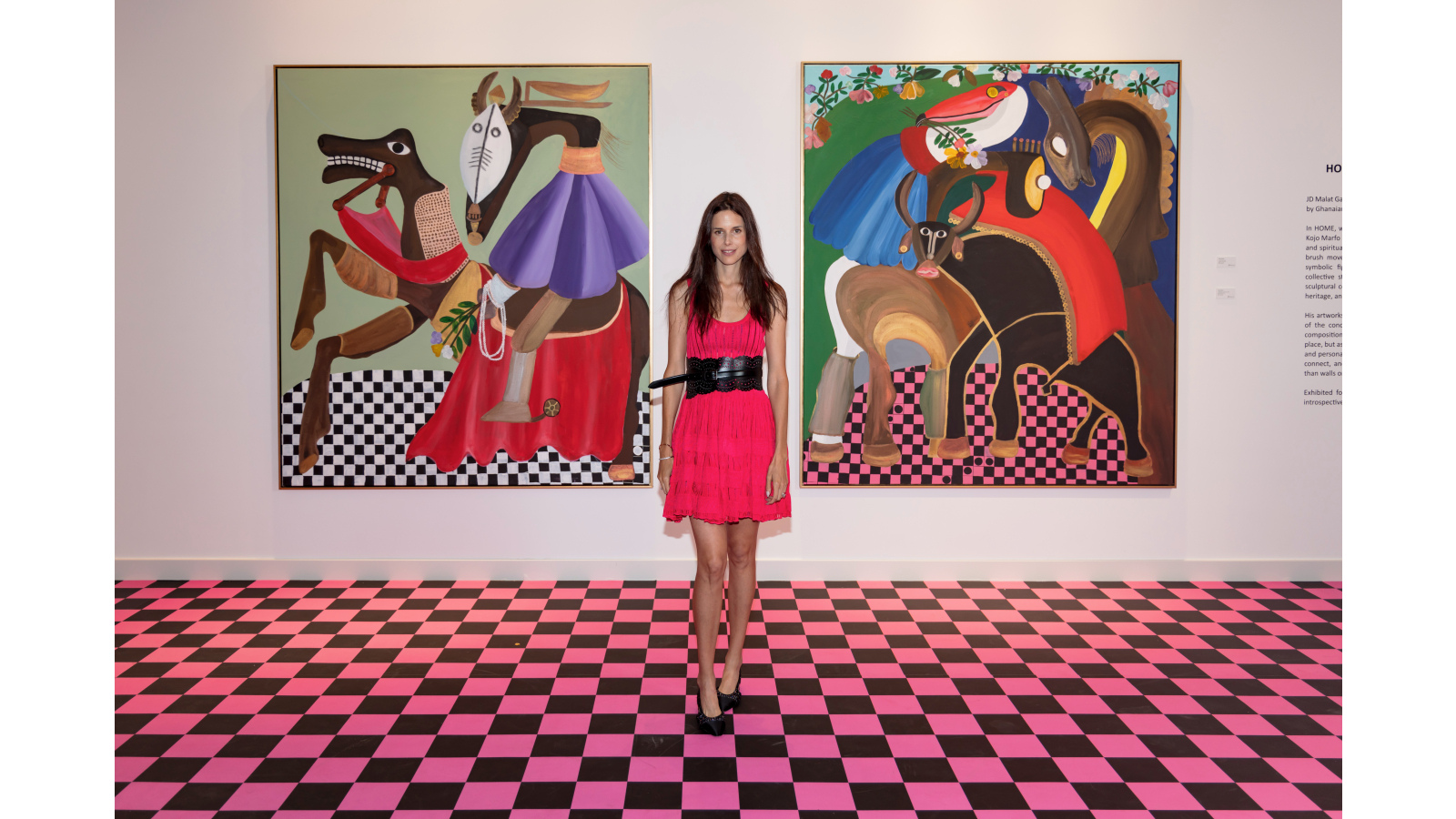
Victoria Aboucaya: One of the things I love most about this role is that there is no such thing as an average week. On any given day, I might be discussing a new body of work with an artist, advising a collector on an acquisition, planning an exhibition, or preparing for an international art fair. A large part of my role is relationship-building. We work closely with our artists to support their long-term careers while helping collectors build thoughtful and meaningful collections. At the same time, there is a huge amount of strategic planning happening behind the scenes. We are constantly thinking about future exhibitions, institutional opportunities, market positioning and how best to present our artists internationally. Working from Dubai gives us a unique vantage point. We sit at the crossroads of multiple cultures and markets, which means we are constantly engaging with artists, collectors and institutions from very different backgrounds. That diversity of perspectives is one of the most rewarding aspects of the role.
The Capitalyst: JD Malat has a strong presence in both London and Dubai, two very different art ecosystems. How do collector behaviour, taste, and overall energy compare between a historic hub like London and a fast-evolving market like Dubai?
Victoria Aboucaya: Dubai’s collector base is incredibly international, entrepreneurial and globally minded. What I find particularly exciting is the willingness to discover new voices and engage with artists from diverse cultural backgrounds. Many of the collectors we work with are building collections with a truly global perspective. They move comfortably between established international artists such as Kojo Marfo and Henrik Uldalen while also showing genuine enthusiasm for regional talent and emerging voices. I think we’re well beyond describing Dubai as an emerging art market. It has developed into a serious cultural hub with sophisticated collectors, ambitious institutions and a growing influence on the international art conversation. There is a real appetite for discovery, dialogue and cultural engagement, which makes it an incredibly exciting place to work.
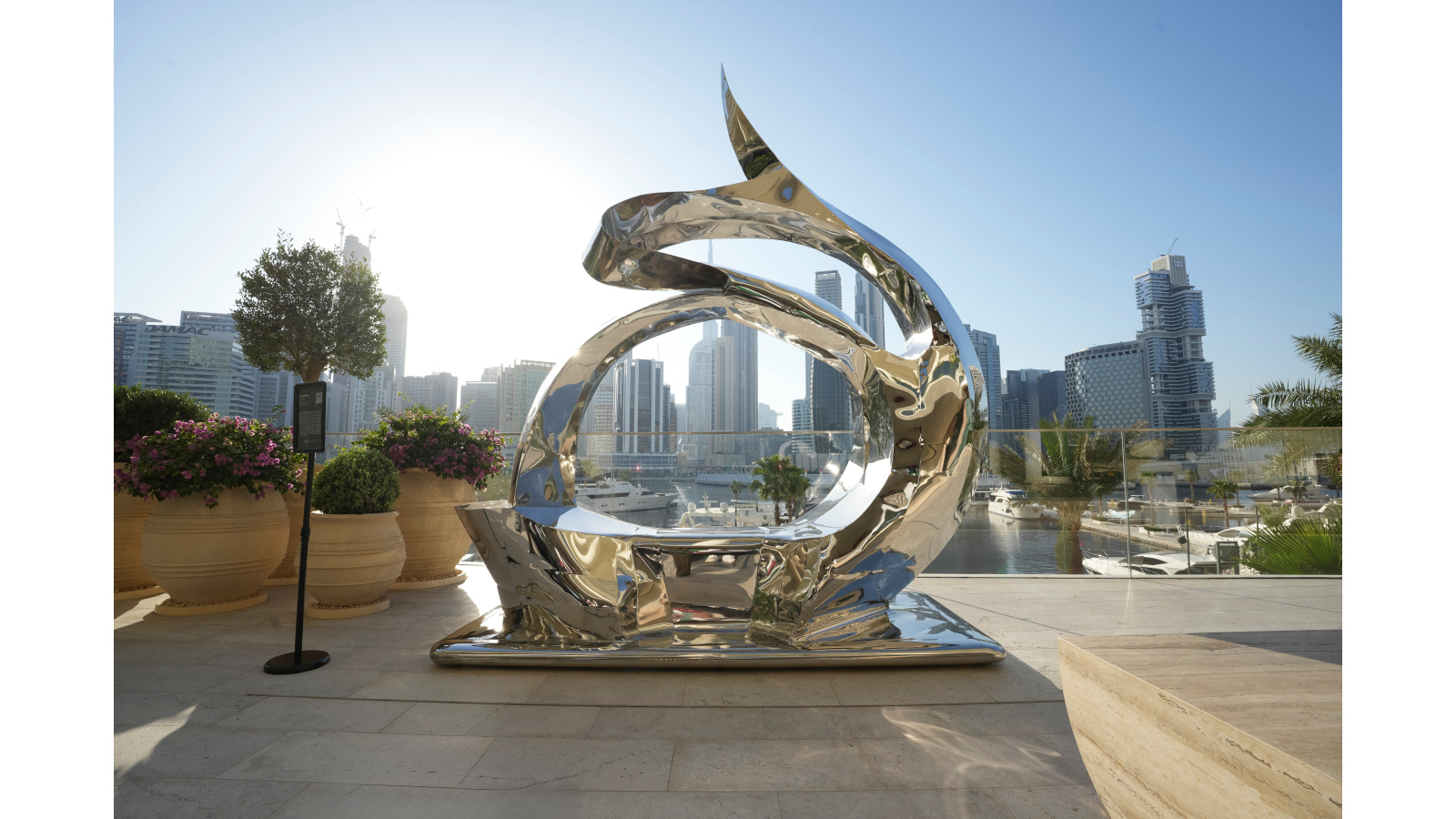
The Capitalyst: The art market can seem opaque from the outside. Looking back at your early career, what is one misconception about working in a top-tier gallery that you had to quickly unlearn?
Victoria Aboucaya: One misconception I had early on was that success was primarily about the artworks themselves. Of course, great artists and great works are essential, but I quickly realised that gallery work is fundamentally a relationship business. Trust, consistency and long-term thinking matter enormously. The strongest relationships with artists and collectors are built over years, not individual transactions. Galleries are often seen as places that sell art, but much of the work actually involves advising, supporting, educating and helping shape careers and collections over time. The art world may appear glamorous from the outside, but behind every exhibition or sale there is a tremendous amount of planning, coordination and relationship management.
The Capitalyst: Representing an artist is about more than selling a canvas. It is career-building. How do you balance pushing an artist creatively while protecting their commercial standing in a fickle market?
Victoria Aboucaya: I firmly believe that a gallery’s role is to build an artist’s legacy, not simply sell their work. The most successful careers are built on authenticity and creative growth. Our responsibility is to create the conditions that allow artists to evolve rather than encouraging them to repeat what has already proven commercially successful. If an artist stops taking creative risks, eventually both the work and the market suffer. At the same time, we have a duty to manage growth responsibly. That means being thoughtful about pricing, placement, production and exposure. Whether we are working with artists such as Kojo Marfo or Henrik Uldalen, the objective is never short-term momentum. It is to build careers that remain relevant and respected decades from now. When artistic ambition and thoughtful market stewardship work together, you create something far more valuable than a successful exhibition—you create longevity.
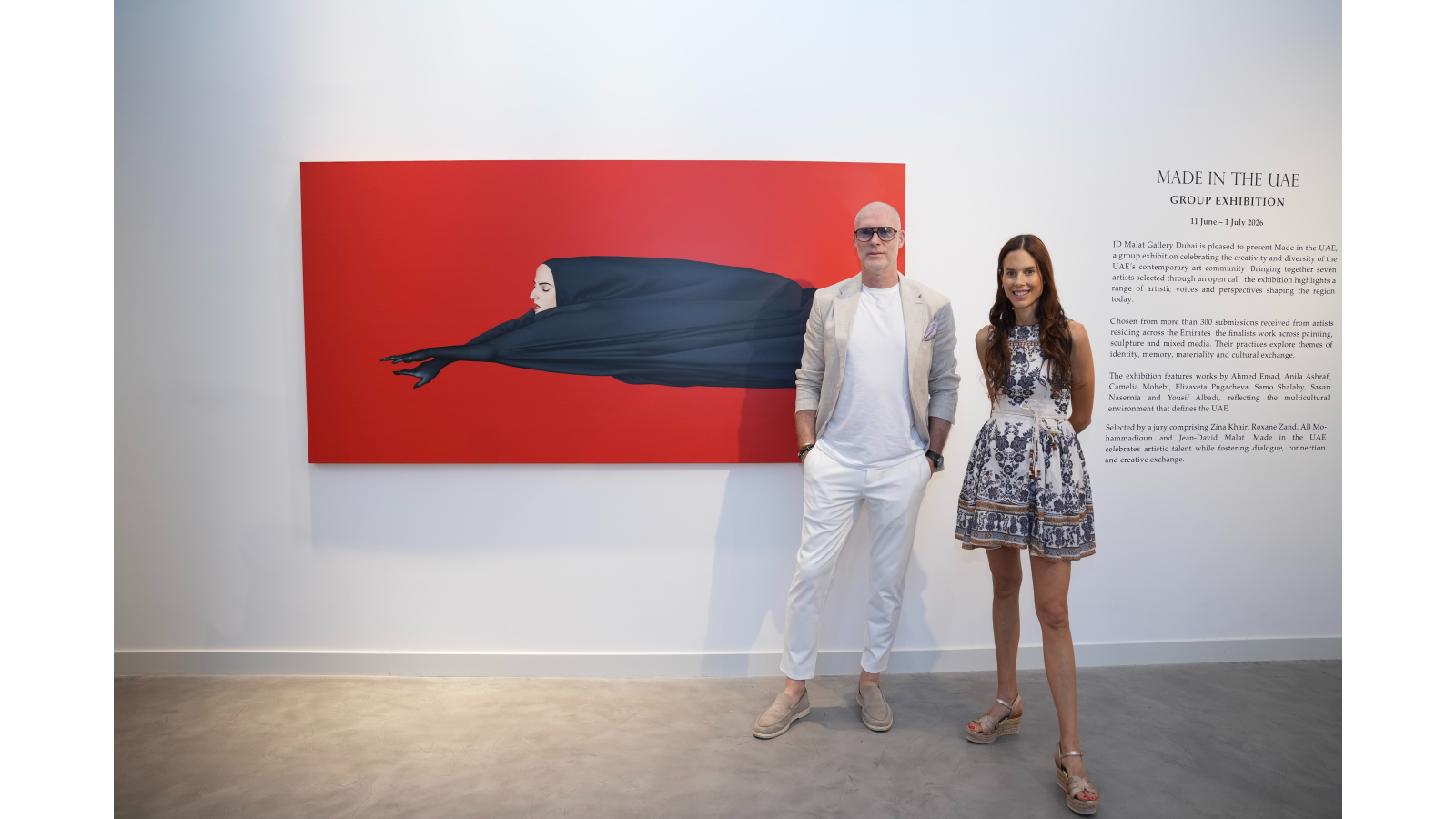
The Capitalyst: With a generational wealth transfer underway, a younger, tech-savvy collector base is entering the market. How are their values, such as sustainability and social commentary, and buying habits reshaping how traditional galleries operate?
Victoria Aboucaya: Younger collectors are changing the way galleries engage with audiences. They are highly informed, digitally native and often conduct extensive research before they ever walk into a gallery. They want transparency, access and context. They are not simply asking whether a work is important; they want to understand why it matters, what the artist stands for and how the work relates to broader cultural conversations. Many are also deeply engaged with themes such as identity, sustainability, technology and social commentary. They are interested in supporting artists whose practices reflect the world around them. This shift has encouraged galleries to become more educational, more transparent and more community-focused. Initiatives such as Made in UAE resonate strongly because younger collectors often want to engage with artists at an earlier stage of their careers and participate in the growth of local cultural ecosystems.
The Capitalyst: A few years ago digital art and NFTs dominated the conversation. Now that the hype has cooled, how do you think about the relationship between digital platforms and the physical experience of a gallery space?
Victoria Aboucaya: While the speculative frenzy around NFTs has subsided, the broader impact of digital technology on the art world is here to stay. Digital platforms have transformed how people discover artists and engage with galleries. Many collectors today first encounter an artist online before ever seeing the work in person. Digital tools have made the art world more accessible and global than ever before. That said, I still believe the physical experience of art is irreplaceable. Standing in front of a work by Santiago Parra, for example, is a fundamentally different experience from viewing it on a screen. Scale, texture, atmosphere and emotional impact simply cannot be fully replicated digitally. Rather than competing with each other, digital and physical spaces serve different purposes. Digital platforms expand access, while galleries provide depth, context and a human connection to the work.
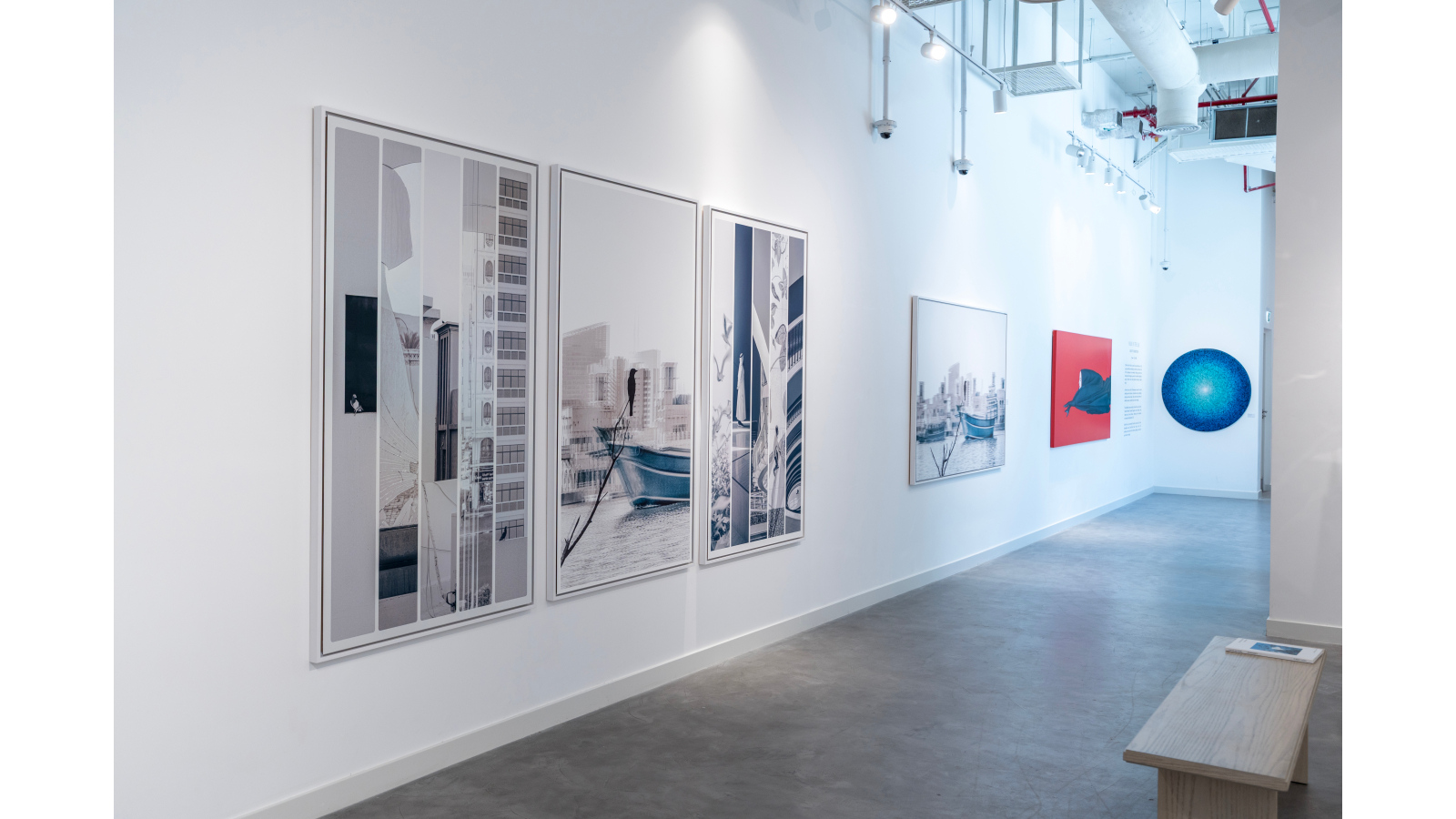
The Capitalyst: There has been a real surge of global interest in contemporary African, Asian, and Middle Eastern art. From where you sit, is the art world genuinely decentralising, or does the West still hold the centre of gravity?
Victoria Aboucaya: From where I sit in Dubai, the art world feels far more decentralised than it did even a decade ago. Important cultural conversations are no longer happening in just a handful of traditional centres. Artists, collectors and institutions are increasingly shaping the global conversation from a much broader range of geographies. Dubai has become a meeting point for collectors, artists and institutions from across the Middle East, Africa, Asia and Europe. Through initiatives such as Made in UAE, we are seeing local talent gain meaningful international visibility while remaining connected to the region. The most encouraging development is that collectors are increasingly looking beyond geography. They are asking whether the work is compelling, relevant and original rather than where the artist happens to be from. That ultimately creates a richer and more diverse global art ecosystem.
The Capitalyst: What would you tell someone starting out today who wants to build a career in gallery work or art advisory?
Victoria Aboucaya: Be curious and spend as much time as possible looking at art. Art history, market knowledge and commercial awareness are important, but nothing replaces developing your eye. Visit galleries, museums, artist studios and art fairs. See as much art in person as you can. I would also encourage people to be patient. This is an industry built on trust, reputation and relationships. The strongest careers are rarely built overnight. Finally, remember that the art world is ultimately a people business. Learn how to communicate, listen and build genuine relationships. The opportunities that shape your career often come through the trust you build over many years. To put it simply: spend less time networking and more time looking. The people who build lasting careers in this industry are usually the ones with genuine curiosity—about artists, collectors, culture and the world around them.