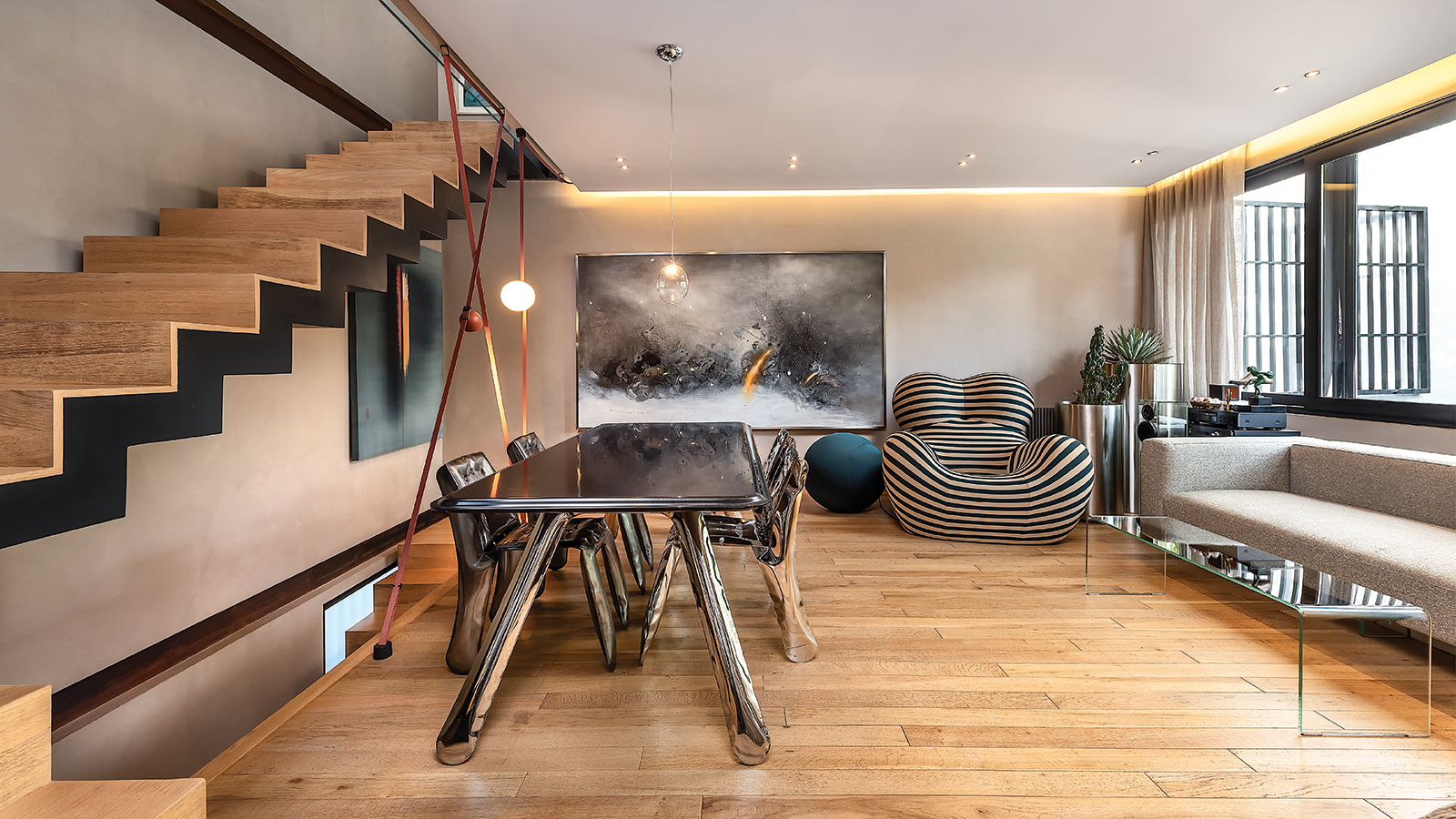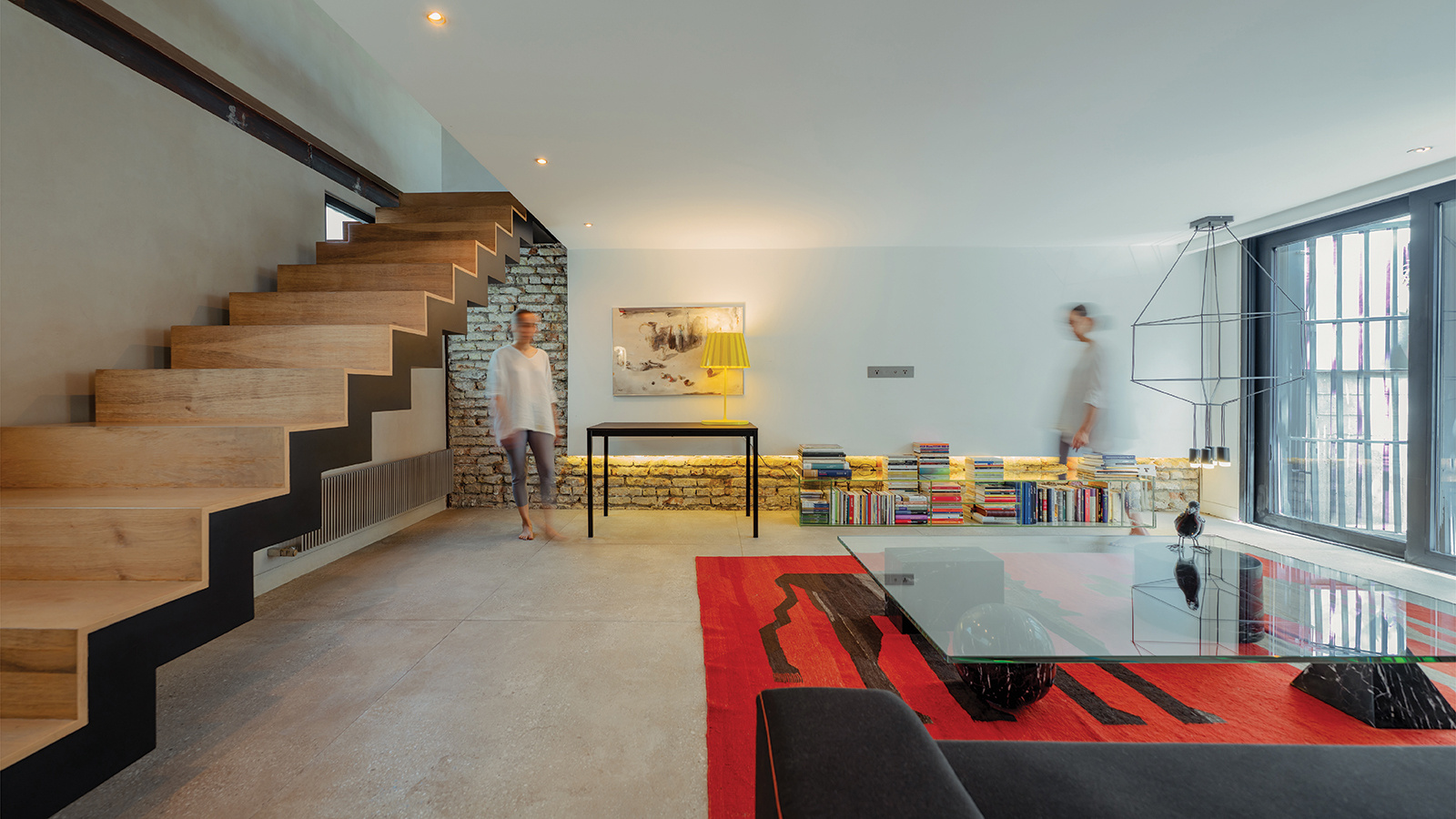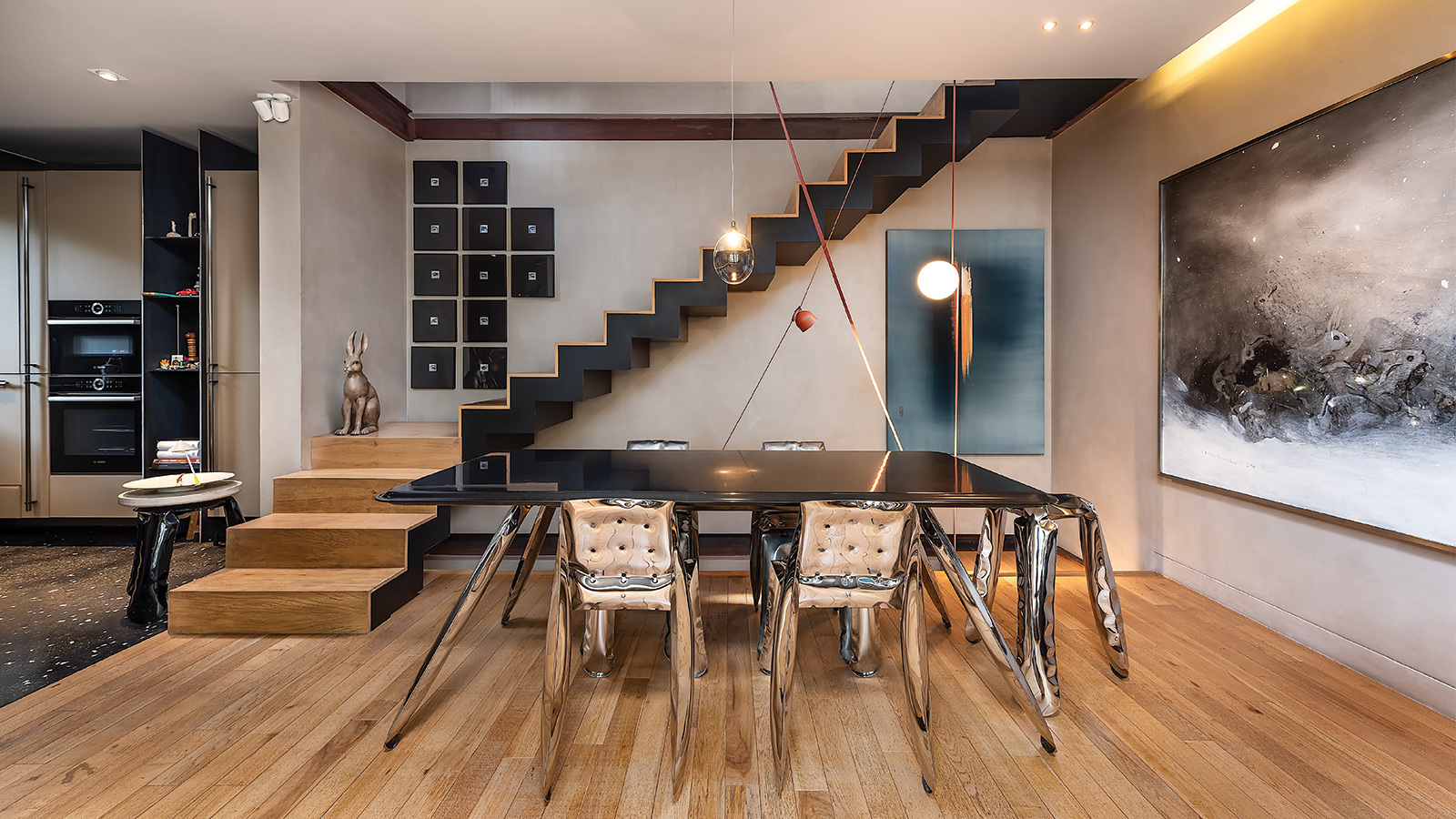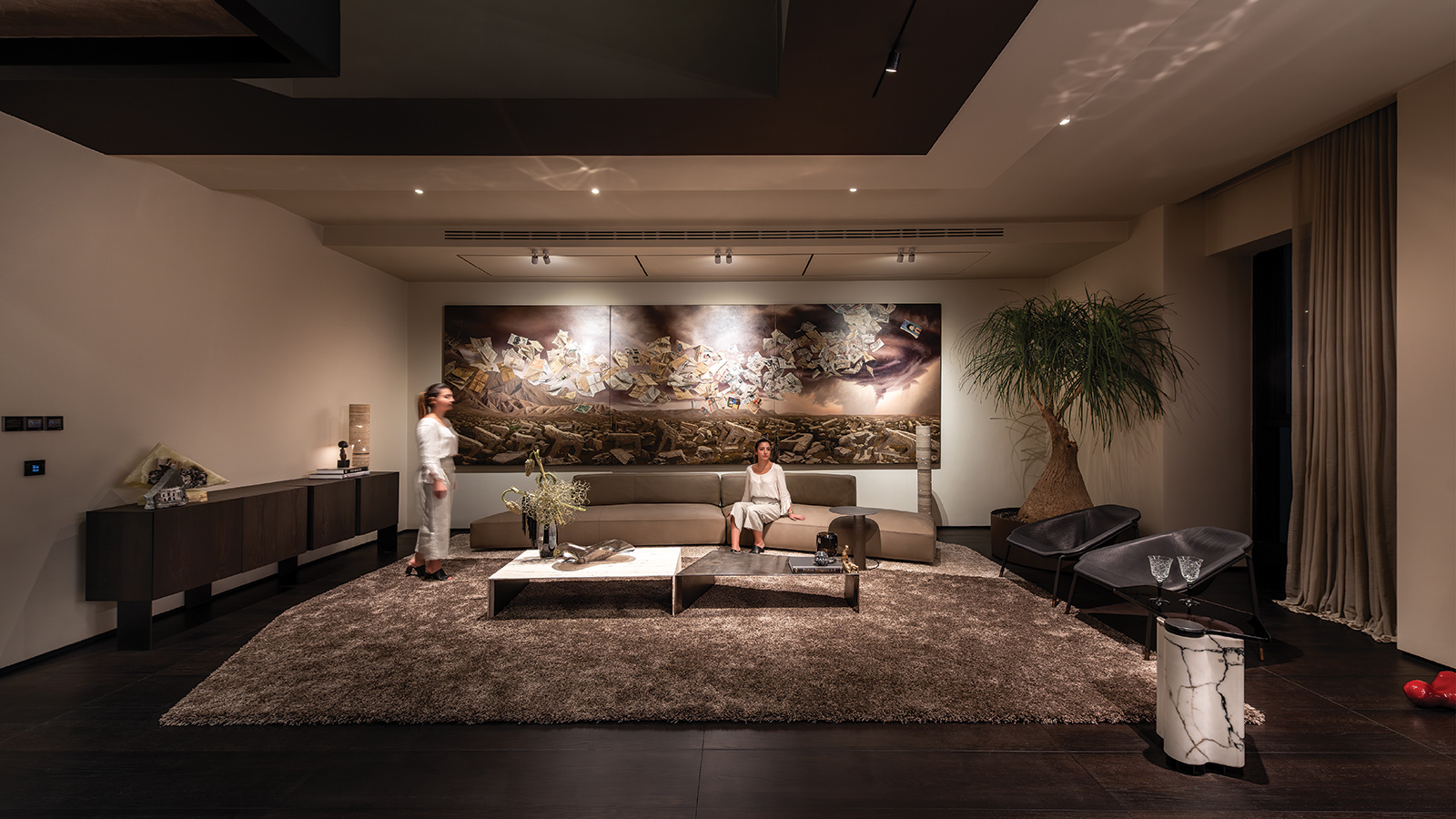
The Capitalyst: You founded Roshanak Tehrani Studio in Tehran in 2002, which means your practice has now spanned more than two decades of enormous change in how Iranian cities are built, occupied and imagined. Most architects describe their early work as a version of themselves they have since outgrown. What does the studio you run today understand about space that the studio you opened in 2002 did not yet know?
Roshanak Tehrani: When the studio was founded in 2002, our attention was primarily directed toward space itself: its form, proportions, materials, and quality of construction. Today, all of these aspects remain essential to us. Yet over the years, we have come to understand that interior architecture is ultimately about life, not merely about space.
Over the past two decades, cities in Iran have undergone profound transformations; from patterns of living and family structures to the pace of everyday life, technology, and even people’s expectations of their homes and workplaces. These changes have taught us that space is not a fixed object, but rather a setting for human relationships, memory, calm, and identity.
Perhaps the most important difference between today and 2002 is that we are now less concerned with designing a space that is simply “beautiful,” and more focused on creating an environment that can gain meaning through the lives of its users. Our understanding of architecture has gradually moved from the design of objects and forms toward the design of experience and the quality of living.
You have described your work as exploring belonging, movement and cultural memory, three concepts that are notoriously difficult to translate into walls, materials and floor plans. When a client comes to you with a brief that is essentially functional, more square metres, a certain number of bedrooms, a budget, how do you locate the emotional or cultural question inside that practical request, and is there a project where the client did not initially see that question themselves?
Roshanak Tehrani: In my view, architecture begins when it is able to discover a question that has not yet been put into words. A project brief is never entirely complete; architecture often begins by listening to what remains unsaid. Most clients initially come to us with a list of functional requirements: the number of spaces, square meters, budget, and technical constraints. Yet experience has taught us that the real project is often hidden behind these explicit demands.
A significant part of our design process is rooted in conversation and observation: observing how people live, how they relate to one another, and how they engage with space. There have been many occasions when the true issue of a project was not what had been expressed in meetings. For instance, a client who believed they needed a larger space was, in reality, seeking a deeper sense of belonging and intimacy within the home. Or a project that appeared to be about arranging a workplace was, in essence, about creating a sense of interaction, dialogue, and connection among people.
The Capitalyst: You describe yourself as a sustainable interior designer and environmentalist, a commitment that runs through your practice alongside the more poetic language of spatial storytelling. Sustainability in architecture is often reduced to materials and certifications, while you seem to be making a broader argument about the relationship between people and the environments they inhabit. What does sustainability actually mean inside your design process on a daily basis, beyond the materials you choose?
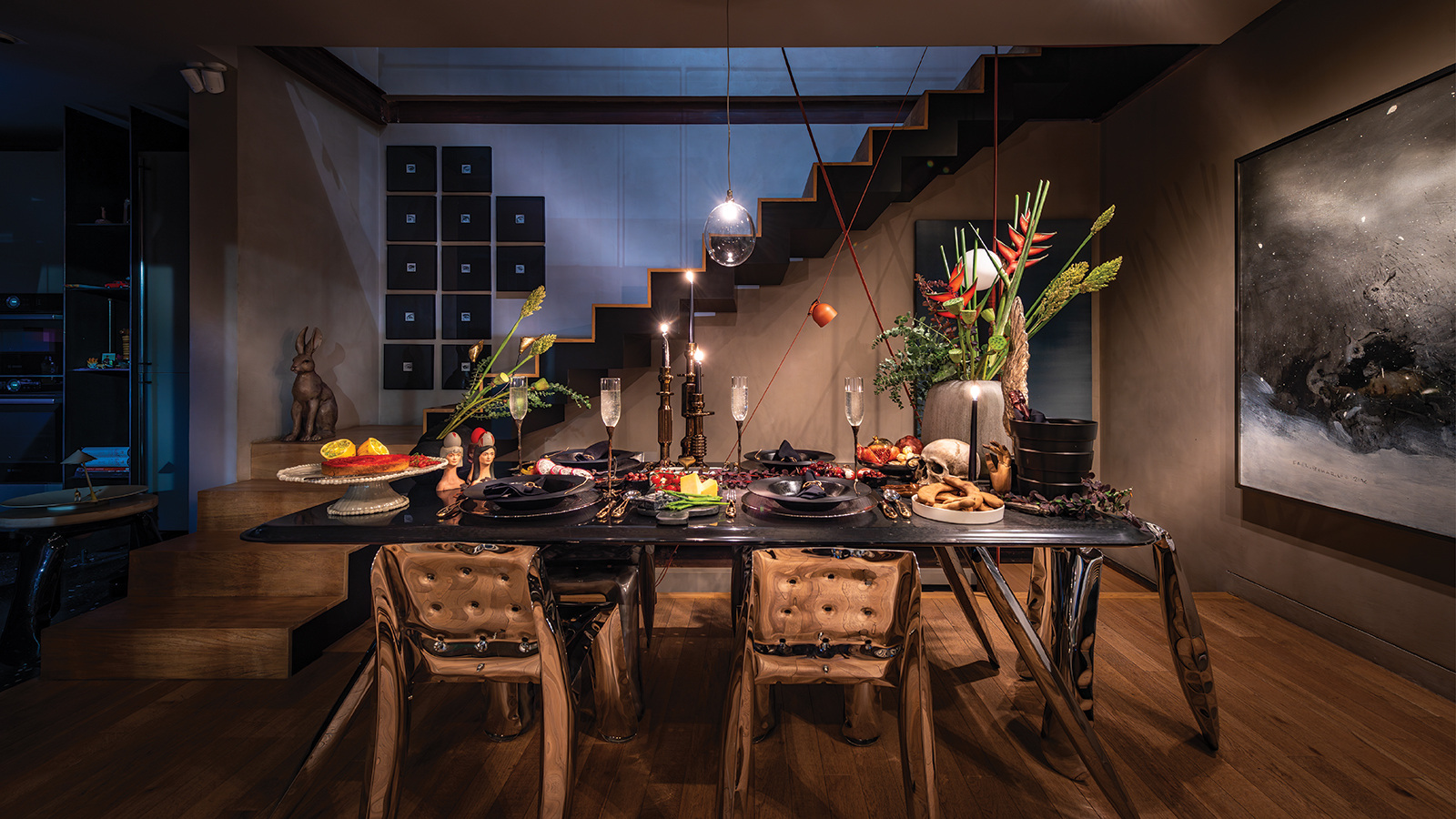
Roshanak Tehrani: For me, sustainability is, before anything else, about the durability of the relationship between human beings and space. A space that can preserve its meaning, function, and connection with its users over time is inherently more sustainable. In our interior projects, we first try to understand how people live, how they move, and what memories, habits, and rituals are formed within that space. When design responds to these real needs, the useful life of the space increases, and the need for frequent changes, renovations, and replacements is reduced. Of course, the choice of materials, the use of local resources, attention to the lifespan of materials, and reducing energy consumption are all important. However, I believe sustainability is not merely a technical matter. It is a form of responsibility toward people, culture, time, and the environment.
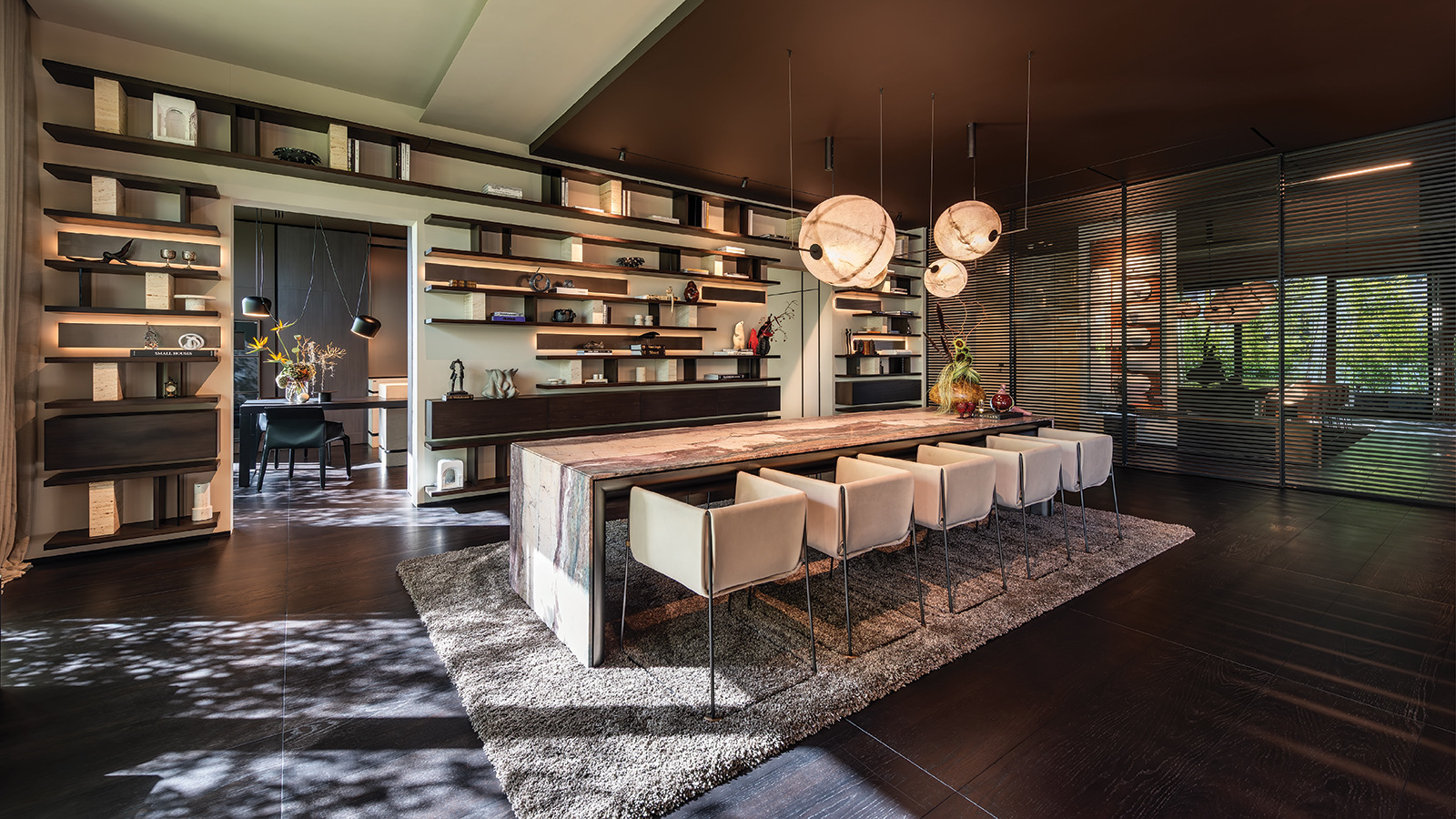
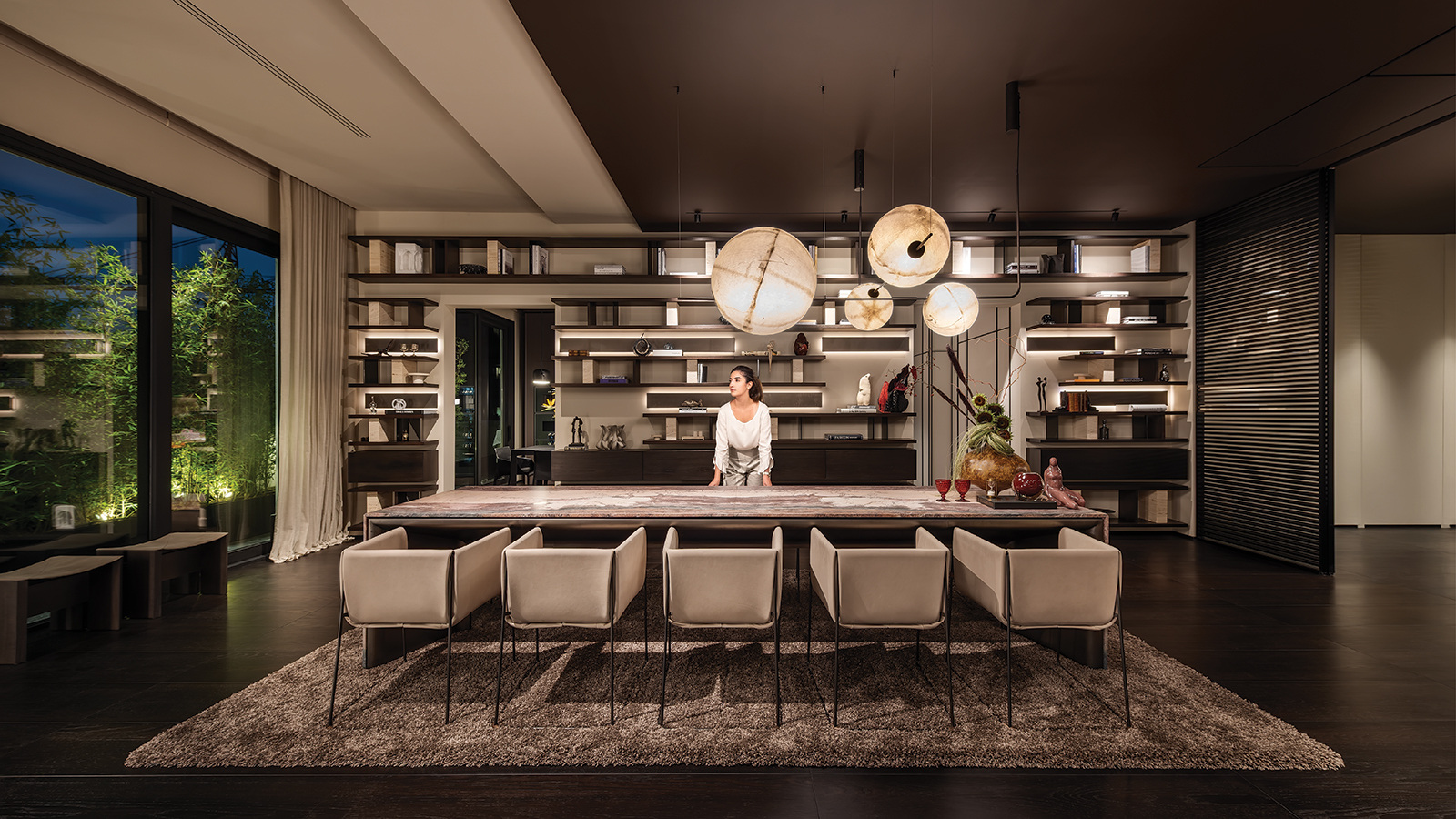
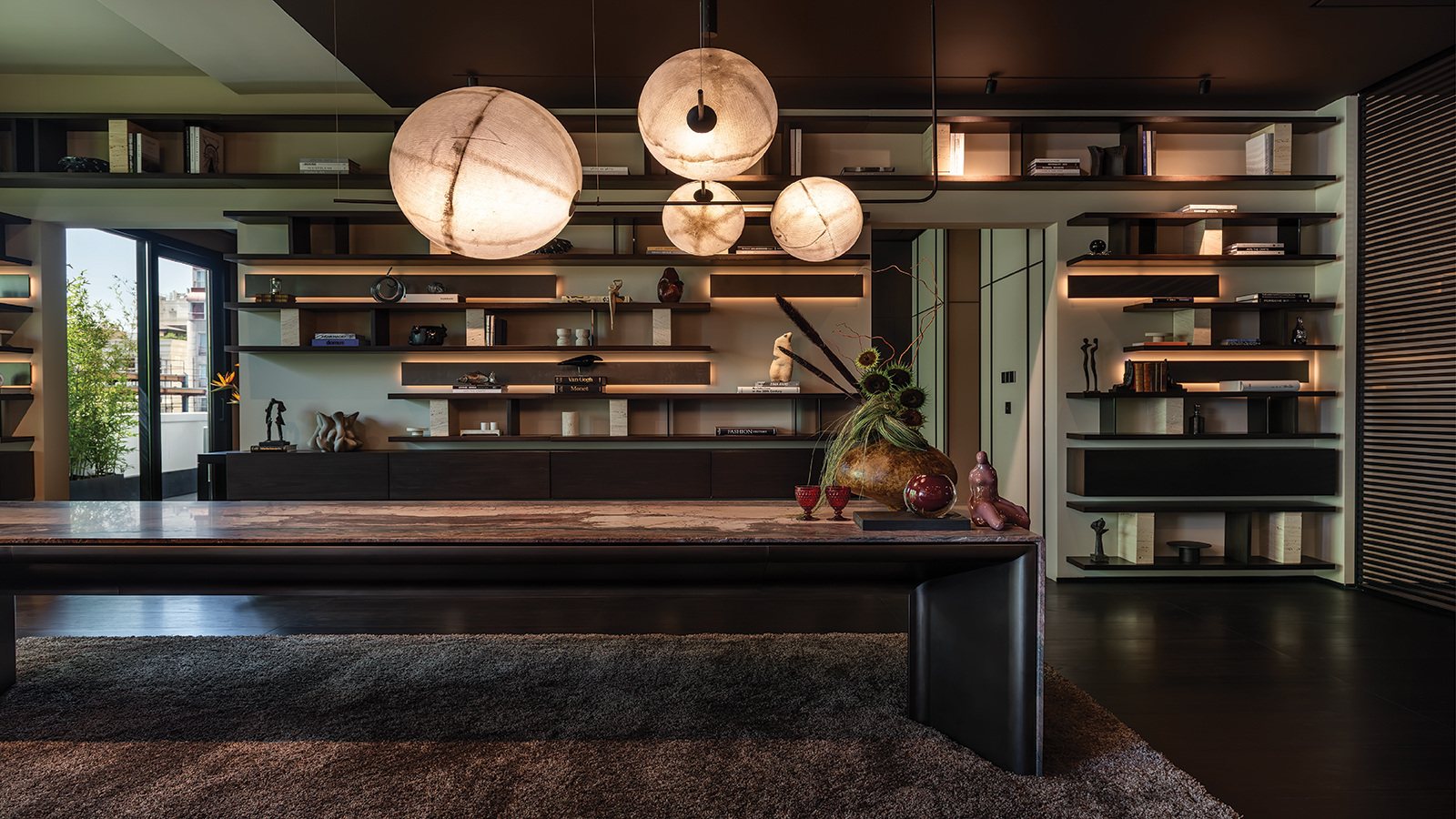
The Capitalyst: LETAJ No.1, your project in the Daroos neighbourhood of Tehran, brings together twelve floors, fifteen residential units and an unusually wide range of communal spaces, from a cinema and gymnasium to a green rooftop and Turkish bath, all under the motto Your Tradition is Infinite. That is a building trying to hold both contemporary luxury living and a sense of inherited identity at the same time. How did you navigate the tension between those two ambitions, and which one had to give ground to the other at certain moments in the design?
Roshanak Tehrani: What we have inherited from culture and tradition is not merely a collection of forms and ornaments, but a way of living; an understanding of light, scale, privacy, hospitality, and the relationship with nature. At the same time, contemporary life brings with it new needs, technologies, and expectations. In our projects, we try not to reproduce historical elements directly, but rather to extract their essence and underlying values, and reinterpret them in a contemporary language. For this reason, we usually do not see ourselves as being forced to choose between tradition and modernity.
Of course, in some projects, compromises are inevitable. Yet if one must be sacrificed for the other, I would rather distance myself from certain temporary and fashionable expressions than compromise the identity and authenticity of the space. What gives a project lasting value is its connection to its cultural and human context. For me, luxury is not about the display of wealth; it lies in the quality of experience, authenticity, and the lasting presence of a space.
The Capitalyst: You work across both architecture and interior design simultaneously, disciplines that are often handled by entirely separate practices with different timelines, different clients and different ways of thinking about a space. What does controlling both ends of that process, from the structure itself to the smallest interior detail, allow you to do that you could not do if you only worked at one scale?
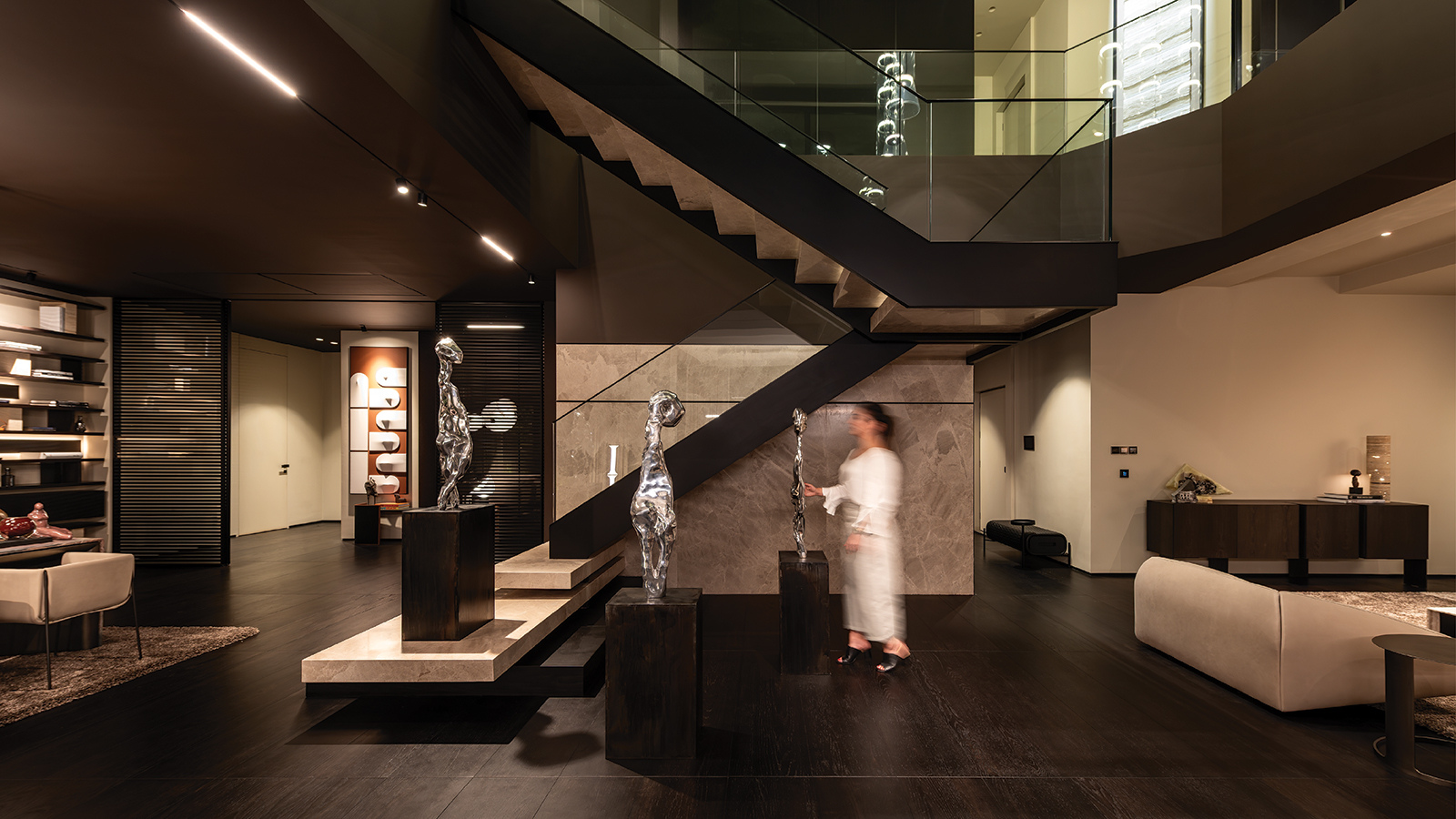
Roshanak Tehrani: Our practice is primarily focused on interior architecture and design, although we occasionally work on small-scale architectural projects as well. For me, architecture and interior design are not two separate professions, but two different scales of a single narrative. Architecture allows us to think about the relationship between a building and the city, the climate, and the overall structure of space. Interior design, on the other hand, gives us the opportunity to follow that same idea at the scale of daily human experience.
The Capitalyst: Running an architecture and design studio in Tehran for over two decades means building and sustaining client relationships, project pipelines and a creative reputation through periods of significant economic volatility in Iran. What is the hardest entrepreneurial decision you have had to make as the head of your own practice, one that had less to do with design and more to do with simply keeping the studio alive?
Roshanak Tehrani: Throughout more than two decades of practice, there have been many difficult decisions. At such moments, the main challenge has been to preserve a balance between the quality of design, our commitment to the client, and our responsibility toward the team. At times, we have had to moderate certain design ambitions. At other times, we have had to accept and design projects that were far from the studio’s usual approach and line of thought, in order to maintain the stability of the practice and the professional security of our colleagues.
I have never seen these decisions as a retreat from design. For me, managing a studio is not only about producing projects; it is about preserving a platform in which people can grow. Sometimes, sustaining a team, maintaining the trust of clients, and ensuring the continuity of professional practice are themselves part of the responsibility of design. Without that continuity, the possibility of creating valuable projects in the future would also disappear. In my view, quality is not defined only within a single project; it also finds meaning in the continuity of a working culture.
The Capitalyst: You talk about cultural memory as a design concern, which suggests you see a building or interior as something that has to hold a relationship to the past as well as serve the present. Tehran itself is a city where architectural memory is constantly being erased and rebuilt at a rapid pace. How do you decide what from a place’s past is worth preserving inside a new design, and what do you feel is acceptable, even necessary, to let go of?
Roshanak Tehrani: I do not believe that memory resides only in physical objects. For me, memory is embedded more deeply in the quality of space, in human relationships, in lived experience, and in the memories that a place carries. For this reason, when I encounter a place, I first try to understand what has made it unique. Sometimes this uniqueness lies in a courtyard, a path of movement, the quality of light, the proportion between spaces, or even in a ritual and a particular way of using the place; not necessarily in a wall, an ornament, or a specific physical element.
In a city like Tehran, which is constantly undergoing transformation, not everything can be preserved, and perhaps not everything should be preserved. A city is a living organism, and in order to remain alive, it needs change. Yet what deserves to be preserved are those layers of identity that give meaning to a place, offer its citizens a sense of belonging and a mental image, and distinguish it from anywhere else. In my view, the purpose of design is not to freeze the past, but to create a dialogue between the past and the present.
Therefore, in every project, we try to identify which elements carry memory and meaning and should be reinterpreted, and which elements are merely the product of conditions that no longer exist and may give way to new possibilities. Preserving memory does not mean preserving everything. It means recognizing what, if lost, would cause the spirit of the place to disappear with it.
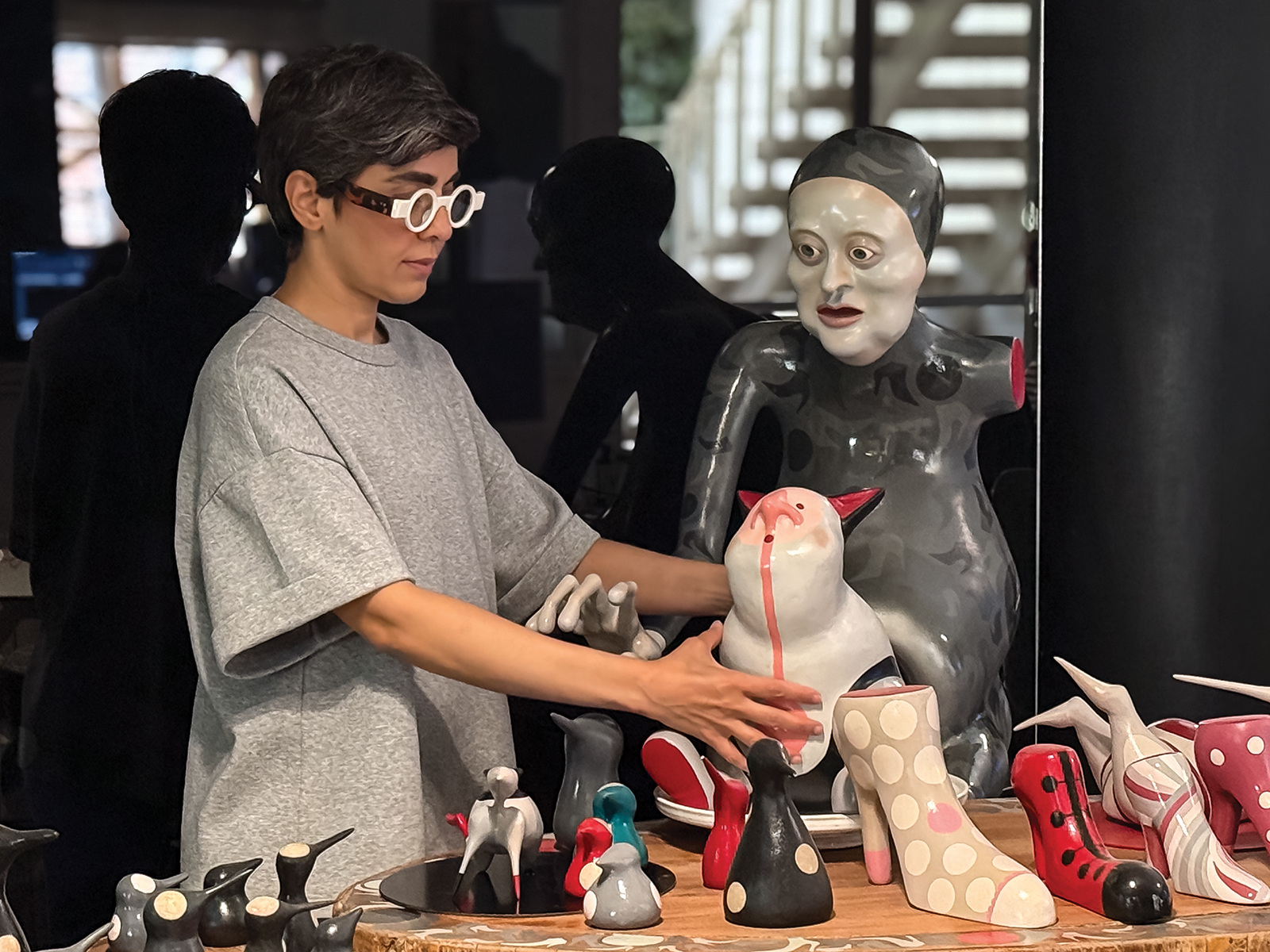
The Capitalyst: As a woman who founded and has led her own architecture and interior design studio in Iran for more than twenty years, what has been the most persistent professional obstacle that had nothing to do with the quality of your design work, and how has the nature of that obstacle changed, if at all, over the course of your career?
Roshanak Tehrani: If I were to speak about the greatest challenges of my professional journey, I would say that the most significant one has been finding a balance between the different responsibilities I have carried over the years; from design and studio management to entrepreneurship, while also navigating my role as a woman within the professional landscape of Iran. Alongside this, the limitations related to the availability of specialized materials, new technologies, and skilled professionals have always been part of the reality of our work. Yet perhaps the most valuable lesson of these years has been learning how to create opportunity within limitation, and how to preserve quality despite constraints.
The Capitalyst: Looking at everything you have built across two decades, from the studio’s founding in 2002 to projects like LETAJ No.1 today, what is the spatial idea or the design question you still feel you have not fully resolved, and what would the project that finally answers it actually look like?
Roshanak Tehrani: Today, more than seeking a final answer to a specific question, I feel that I have reached a point in my professional life where experience and intuition have come into balance. The early years of my career were mostly spent learning, experimenting, and confronting different limitations; practical, economic, cultural, and at times even temporal limitations. But today, I feel that many of those experiences have turned into a kind of inner awareness.
For this reason, I believe that my best projects have probably not yet been designed. Not because I am dissatisfied with my past work, but because now, more than ever, I feel closer to my own personal language; a language shaped by years of experience, observation, mistakes, doubt, and learning. If I have one aspiration for the future, it is to have the opportunity to create projects in which I can express what I truly believe in, without the inevitable compromises that often accompany practice; projects that offer a more honest reflection of my view of human beings, time, memory, and space.