The Capitalyst: You were born in Kigali, Rwanda, into a Kutchi Indian family whose merchant roots stretch back to trading between western India and the east African coast since the 19th century, spent your formative years across Rwanda, Kenya, Belgium, England, Canada and the United States, attended Lower Canada College in Montreal, completed a BA in Art History at the University of Toronto, and then pursued your Masters and PhD in London. Your mother gave you a Polaroid camera and took you to the Louvre at six, and by ten you had seen many of the major museums in Europe. That is a biography built almost entirely on movement, displacement and cultural crossing. Do you think your own experience of never quite belonging to one place shaped the intellectual questions you brought to art history, particularly your lifelong focus on hybridity and the meeting of cultures?
Dr. Amin Jaffer: Absolutely, my exposure from an early age to multiple cultures fostered a deep interest in material exchanges across the globe. This interest inspired my first projects Furniture from British India and Ceylon, Encounters: the Meeting of Asia and Europe, 1500-1800 and Made for Maharajas: a Design Diary of Princely India all of which address hybrid objects and lifestyle.
The Capitalyst: You co-curated Encounters: The Meeting of Asia and Europe at the Victoria and Albert Museum in 2004, which Jonathan Jones described in The Guardian as an exhibition that removes screens from the mind, and Maharaja: The Splendour of India’s Royal Courts in 2009, also at the V&A, both landmark moments in how Western institutions presented Indian culture to global audiences. Looking back at those two exhibitions from where you stand now, what did they get right about how to tell the Indian story to a Western audience, and what would you do differently today?
Dr. Amin Jaffer: Both exhibitions attempted to interpret objects from multiple perspectives. Encounters was particularly original in that it revealed through works of art how Asian responses to Europe mirrored European responses to Asia. In terms of re-assessing these subjects today, all would depend on the objects and scholarship presently available for such projects.
The Capitalyst: As Director of The Al Thani Collection, an encyclopedic holding of over 5,000 works spanning millennia founded by His Highness Sheikh Hamad bin Abdullah Al Thani, you oversaw the opening of the permanent museum space at the Hôtel de la Marine in Paris in 2021 and have mounted exhibitions ranging from the Great Mughals to the Maharajas at the Grand Palais, to Medieval Treasures from the Victoria and Albert Museum in 2023. Private collections of this scale operate outside the accountability structures of public institutions but also outside many of their constraints. What does the private collection model allow you to do curatorially that a national museum cannot, and where does it ask you to be more careful rather than less?
Dr. Amin Jaffer: Private collections benefit from swift decision-making and a clear singular vision. Staging exhibitions at the Hotel de la Marine, a French historic monument managed by the Centre des Monuments Nationaux, The Al Thani Collection upholds the standards of public museums in France.
The Capitalyst: You served as one of the Artistic Directors of the second Islamic Arts Biennale in Jeddah in 2025, held at the SOM-designed and Aga Khan Award-winning Western Hajj Terminal at King Abdulaziz Airport, building on an inaugural edition that attracted over 600,000 visitors, working alongside Artistic Directors Dr Julian Raby and Dr Abdul Rahman Azzam. That is an institution still defining itself, in a city and a country also in the middle of redefining their cultural identity on the world stage. What does curating for an audience and an institution that are both simultaneously forming ask of you that an established biennial like Venice does not?
Dr. Amin Jaffer: My curatorial approach is always the same: to develop projects that can be understood and appreciated by the widest possible public, ranging from art-informed visitors to those with little prior understanding of the subject.
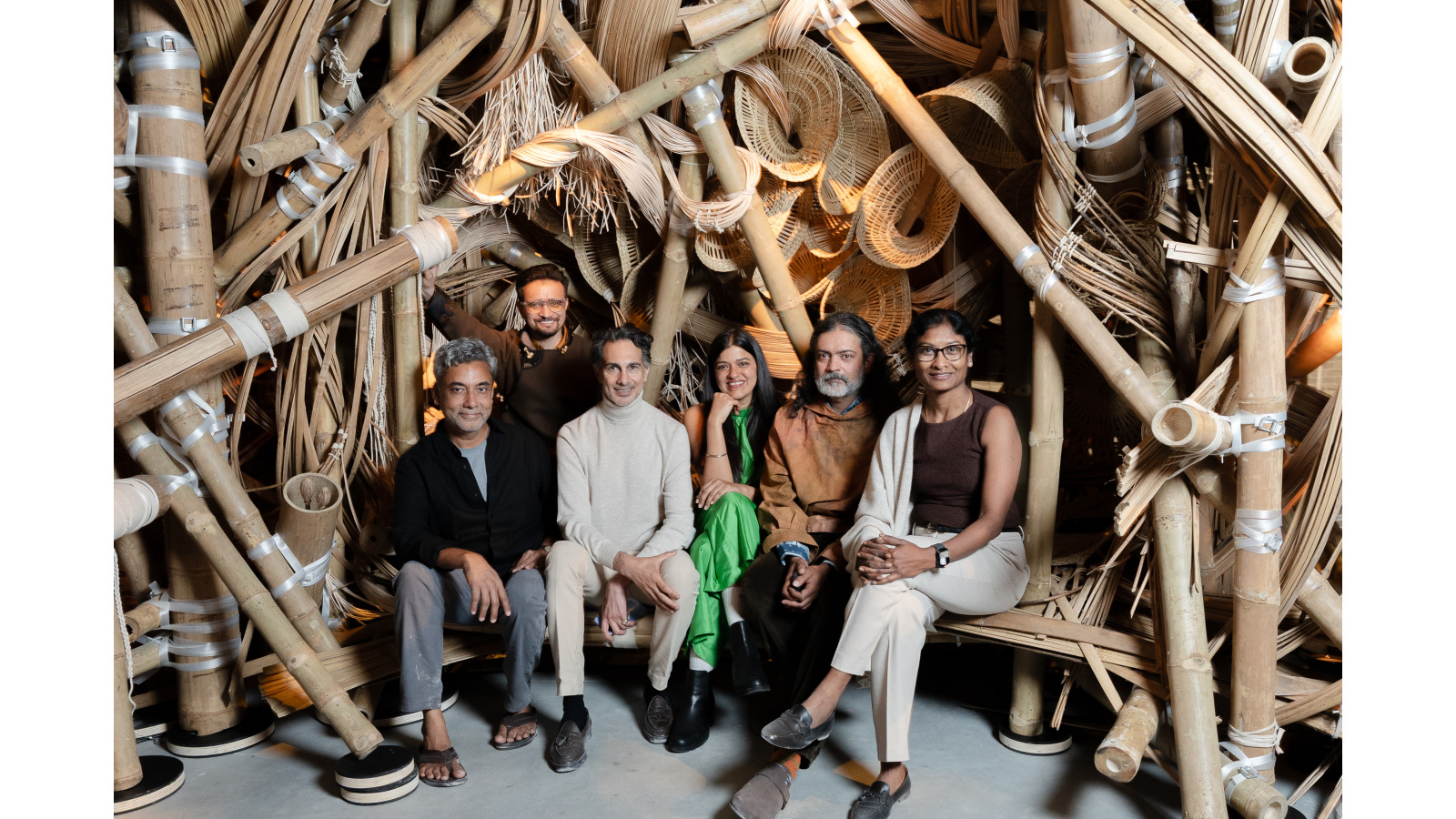
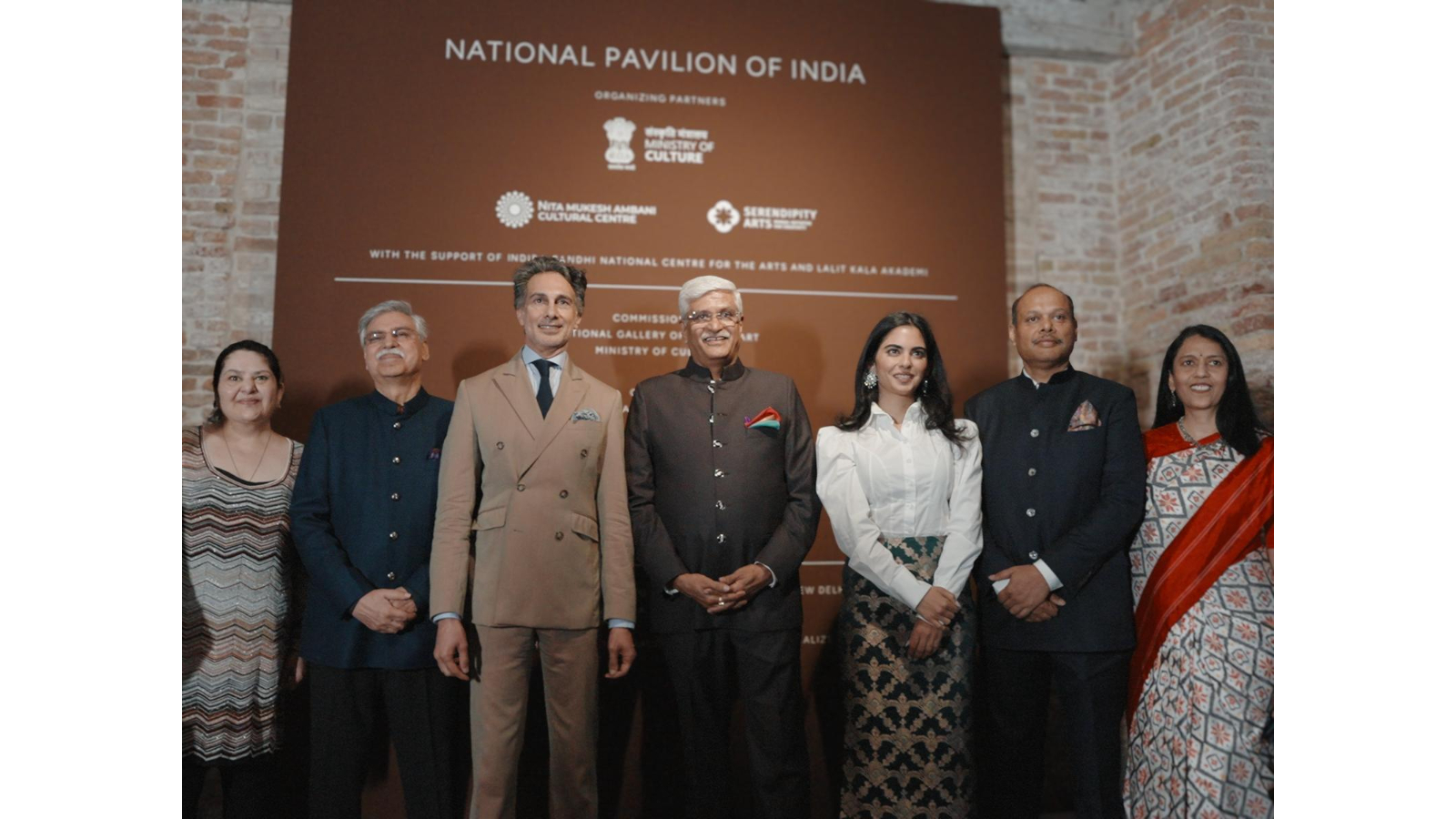 Dr. Amin Jaffer with Isha Ambani of Reliance Industries, Sunil Munjal of Hero Group and others at Venice Biennale.
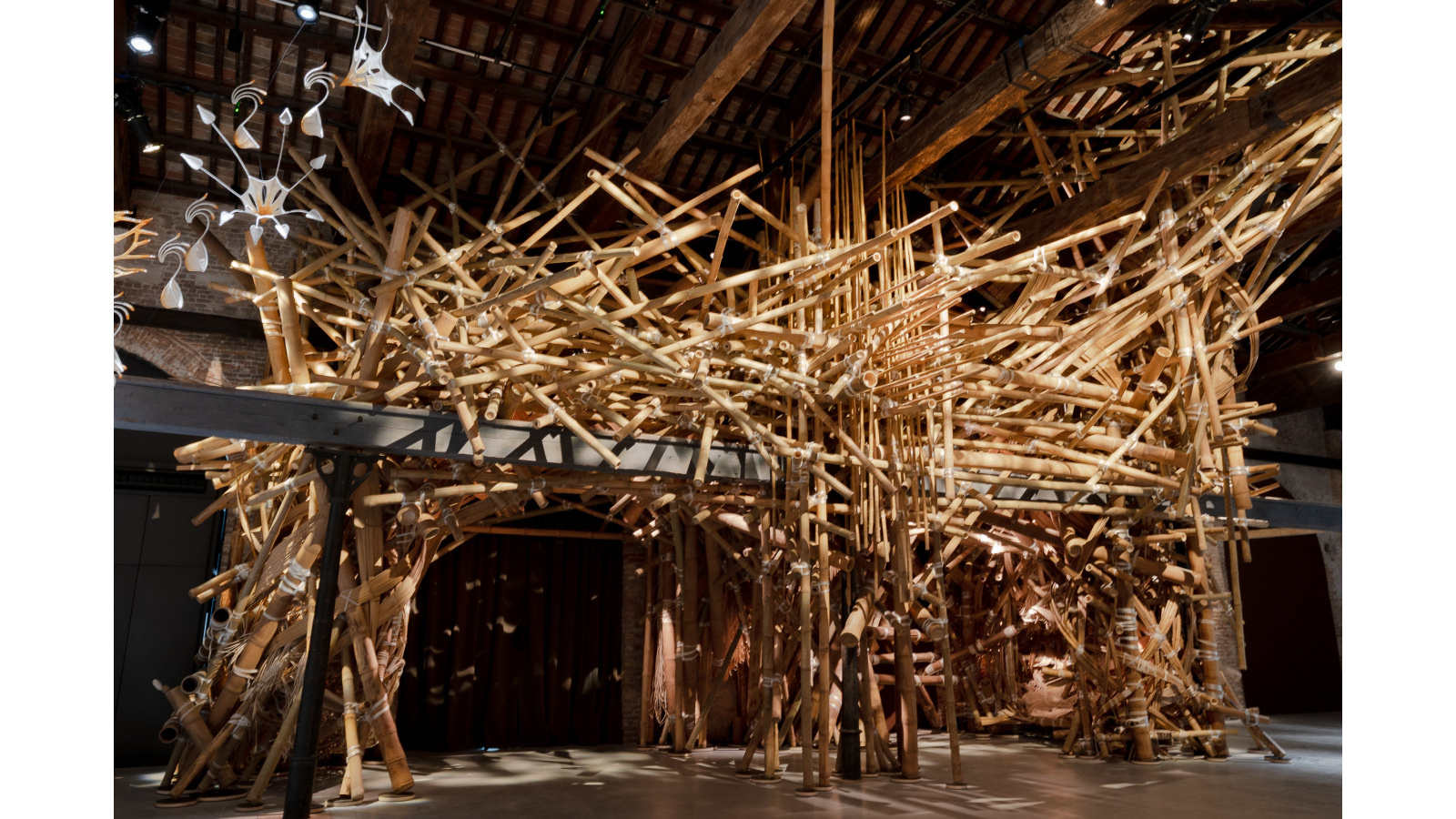
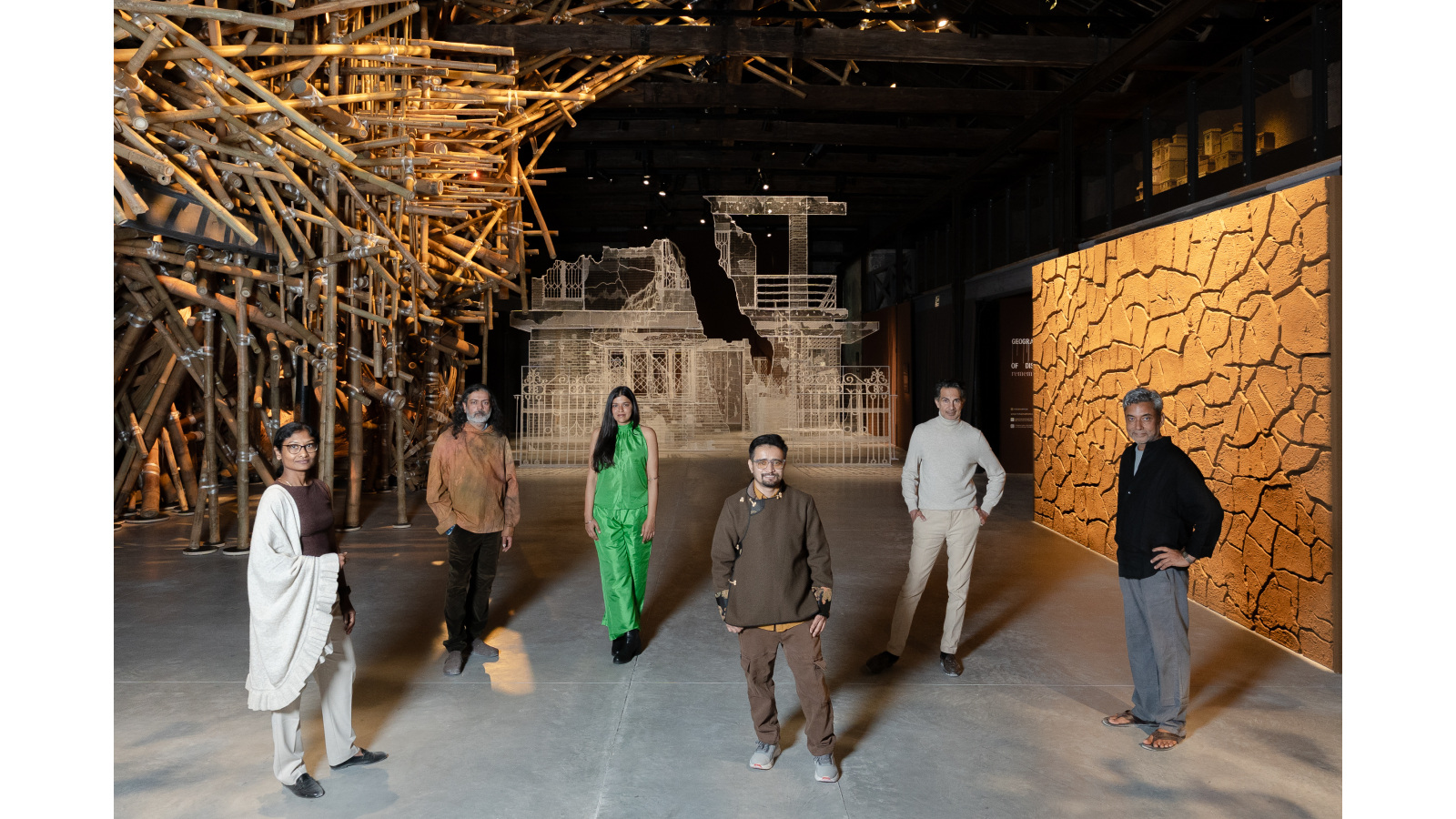
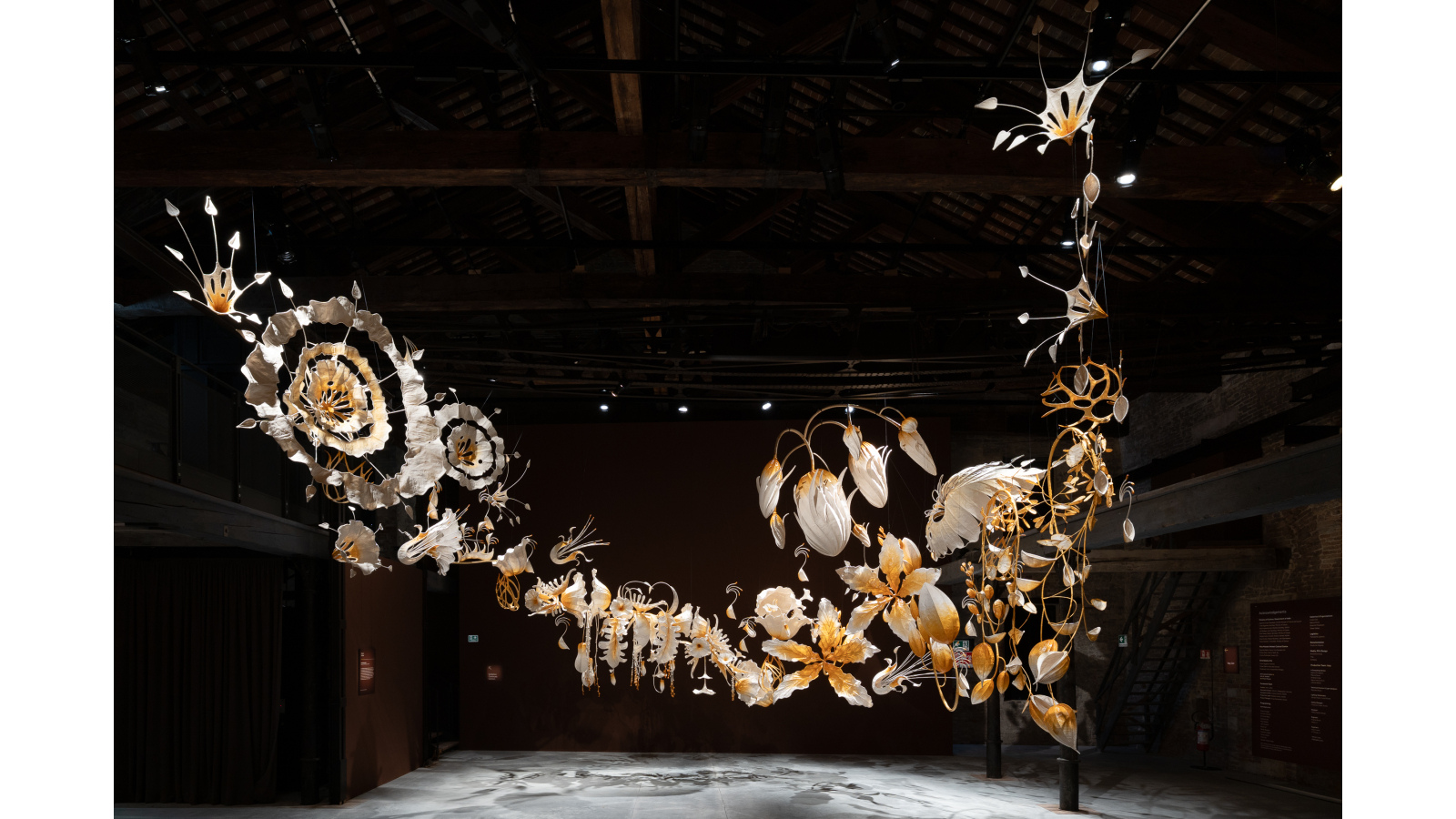
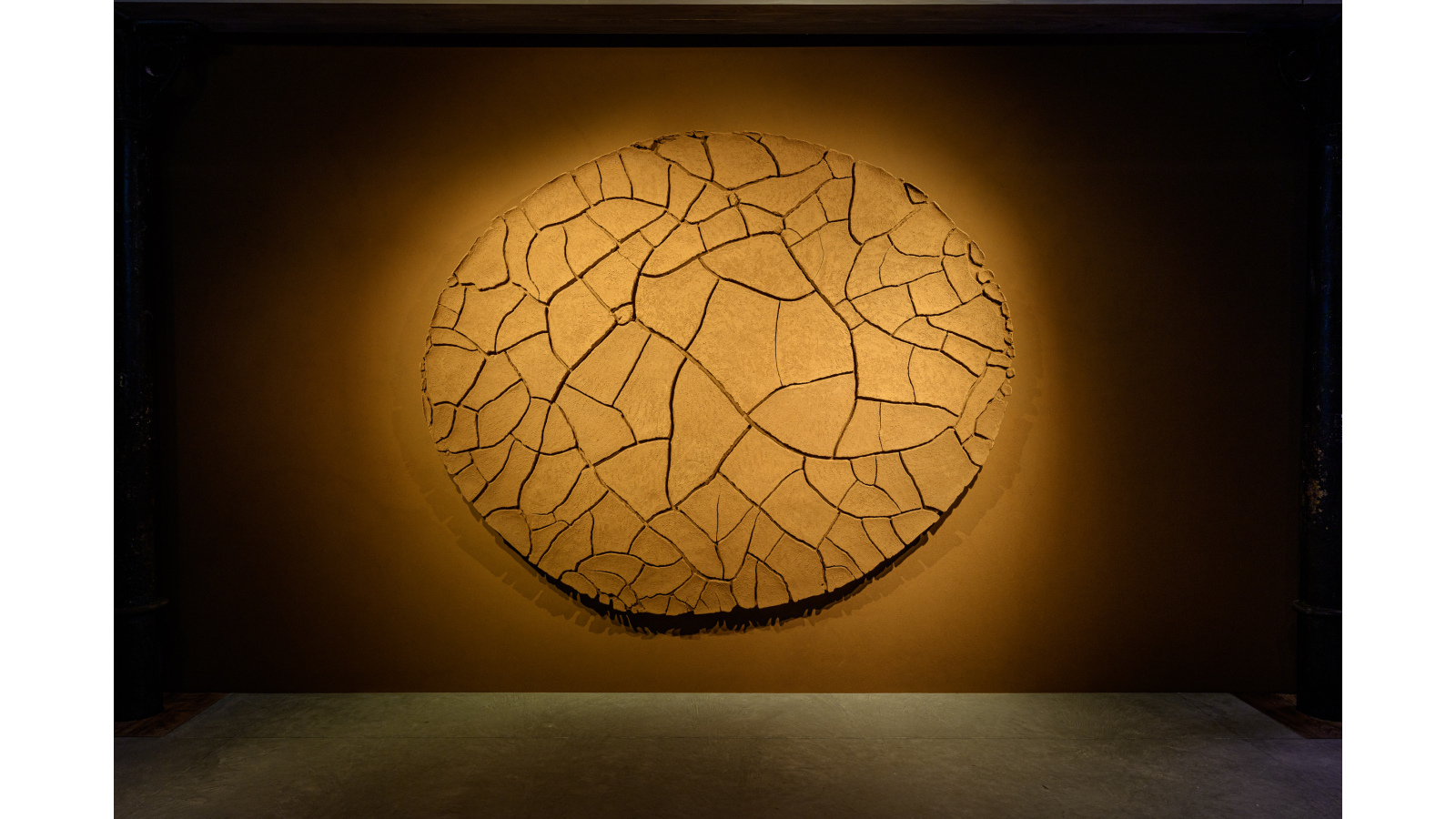
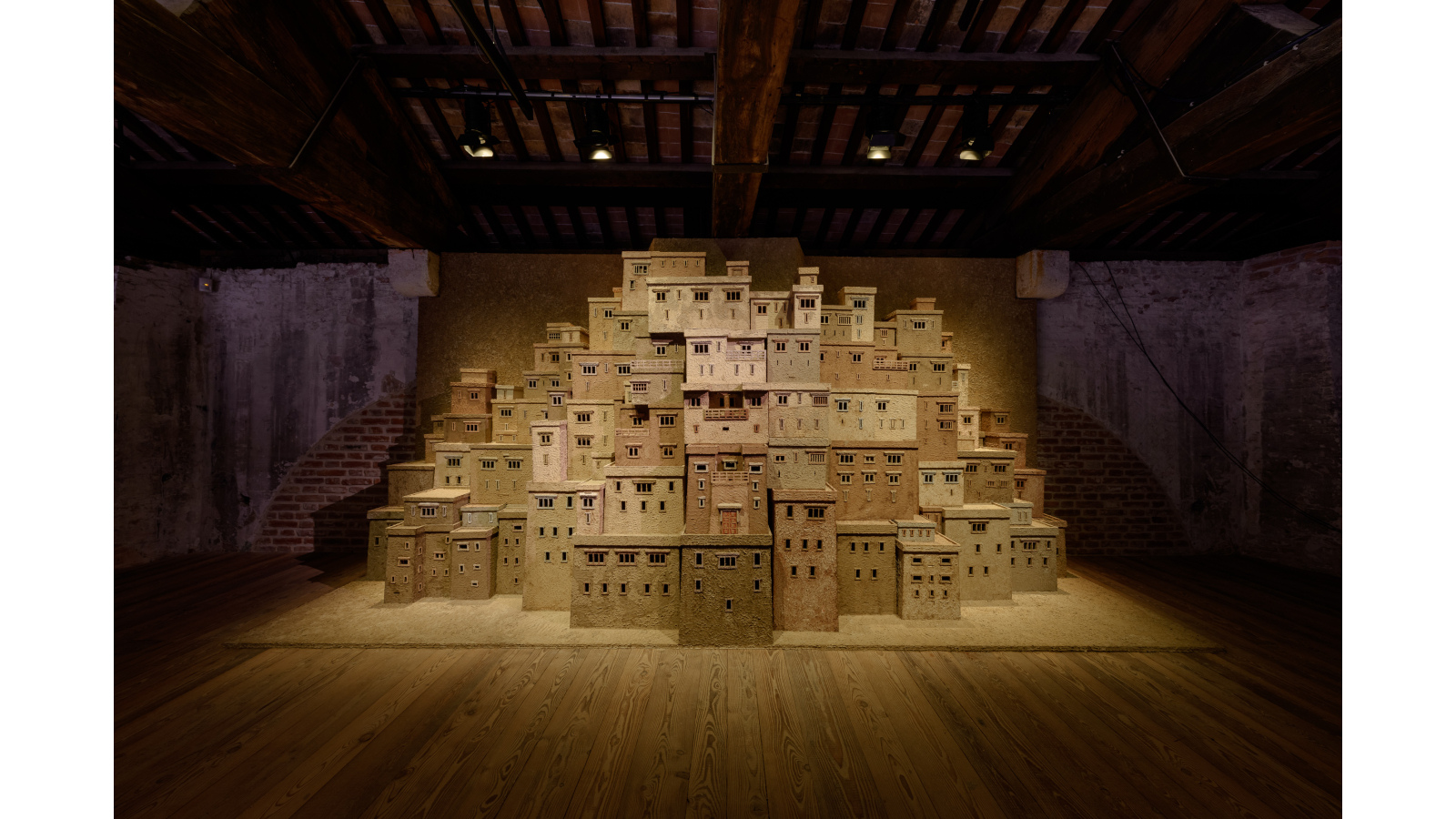
The Capitalyst: You curated India’s return to the Venice Biennale in 2026 after a seven-year absence, presenting Geographies of Distance: Remembering Home, bringing together five artists working with organic materials — Alwar Balasubramaniam, Sumakshi Singh, Ranjani Shettar, Asim Waqif and Skarma Sonam Tashi — in response to the Biennale’s overarching theme In Minor Keys conceived by the late curator Koyo Kouoh, in partnership with the Nita Mukesh Ambani Cultural Centre and Serendipity Arts Foundation. A national pavilion is a very specific curatorial form, one where you are simultaneously representing a country, responding to a global theme and creating space for five distinct artistic practices. How did you hold those three obligations together without any one of them collapsing the others?
Dr. Amin Jaffer: Large-scale projects are always defined by multiple parameters. In the case of the India Pavilion, although the curatorial vision was conceived by me, it was chosen by the Ministry of Culture from among a number of proposals and executed by a body that represented the Government of India, the Nita Mukesh Ambani Cultural Center and Serendipity Arts. All decisions taken towards the realisation of the project were discussed and validated as a group. The Pavilion is the result of a large team effort.
The Capitalyst: You have described working with the theme of home, identity and the feeling of belonging since you were eighteen or nineteen years old, rooted in your own experience as a member of the Indian diaspora raised with Indian culture, language, food, music and values while living outside India. The India Pavilion theme Geographies of Distance: Remembering Home is in that sense also a deeply personal statement. At what point in your career did you understand that your biography was not incidental to your curatorial practice but actually its deepest source, and what does that recognition ask of you in terms of transparency with your audience?
Dr. Amin Jaffer: Personal experience has been a determining element in my academic work since my undergraduate days. In the realm of material culture studies, I developed an early interest in objects made for export or whose production relied on exchanges in taste and technology across the globe, a direct reflection of my own experience growing up in a hybrid cultural environment. Whether my early writings on western-style furniture in India or ‘Geographies of Distance: remembering home’, my personal story forms part of the research process and forms part of the project narrative.