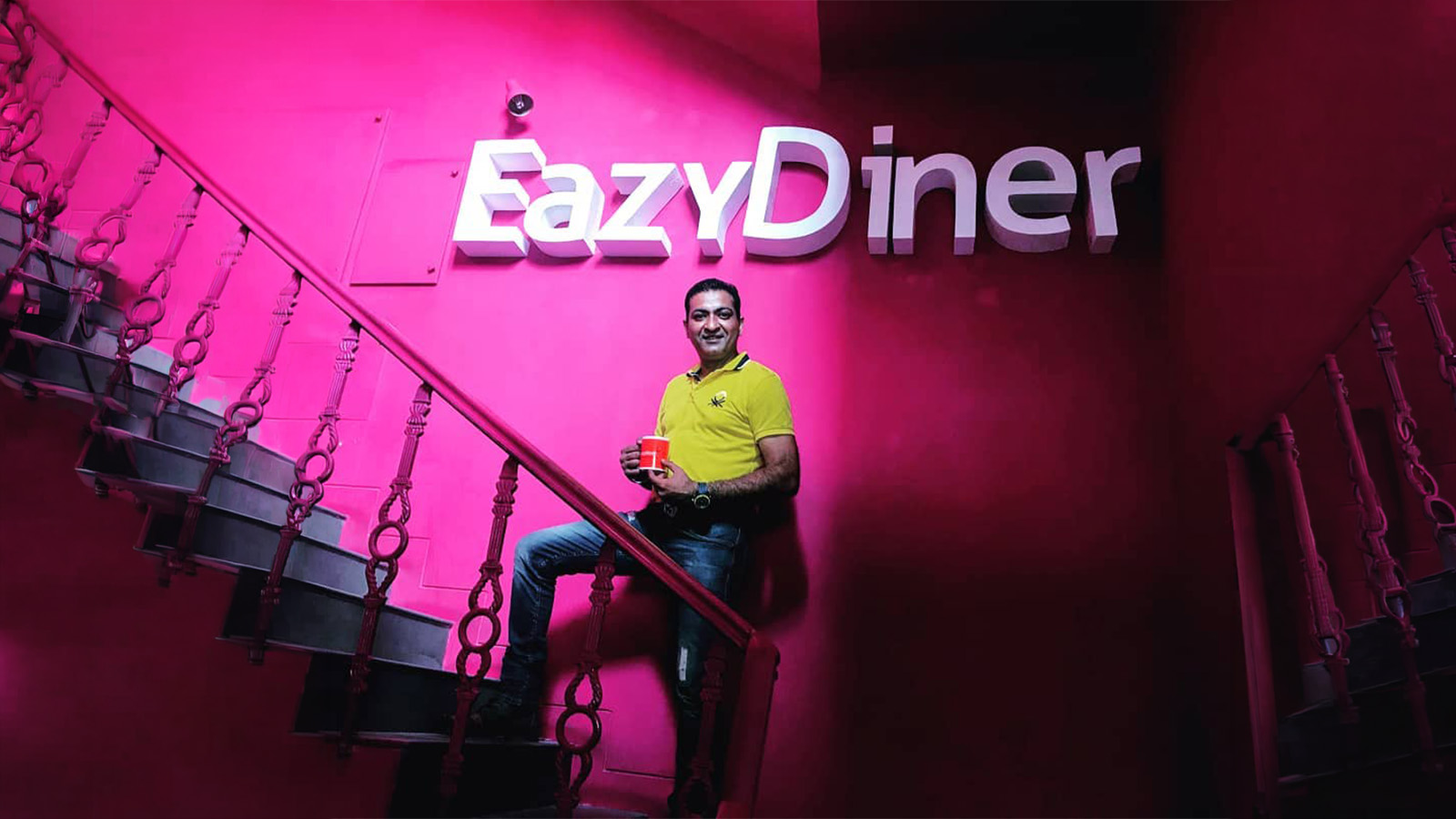
The Capitalyst: You trained in hotel management at SRM IHM Chennai, graduated in 1997, and spent your early career inside some of Delhi’s most storied hotels, Radisson Blu, Grand Hyatt, The Imperial and The Claridges, before eventually going on to Cornell University for a Masters in Hospitality Management between 2011 and 2013. That is a very deliberate and unusually long investment in formal education in the middle of an already established career. What were you going to Cornell to find that fifteen years of working inside five-star hotels had not given you?
Sachin Pabreja: By the time I went to Cornell, I already knew how great hotels operate from the inside, service culture, operations, guest experience, crisis management and the leadership on ground. Fifteen years in luxury hospitality trains you on instincts, resilience and the art of managing people in a way no classroom can.
What I felt I still lacked was altitude. Working in hotels teaches you how to run a property, Cornell taught me how to think about the industry itself, as a global business shaped by finance, strategy, consumer behaviour, real estate, technology, and changing demographics. I wanted to move from operational excellence to strategic leadership.
It was also a deliberate pause to challenge my own assumptions. When you spend years inside one system, experience becomes both, your strength and your limitation. Cornell exposed me to different markets, an array of diverse management philosophies and peers from around the world who looked at hospitality through entirely different lenses.
The Capitalyst: Before EazyDiner you were Head of Operations at juSTa Hotels and Resorts and later Head of Projects at ANYA Hotels and Resorts in Gurugram. You were a seasoned hotelier operating comfortably inside a well-understood industry. Co-founding a tech startup in 2014 as a hospitality professional, at a time when India’s restaurant tech space barely existed, was a significant departure from everything you had built. What was the specific observation about how India was dining out that made you believe a platform like EazyDiner was not just possible but necessary?
Sachin Pabreja: Moving from established hotel brands to an unproven tech startup in 2014 felt like jumping off a cliff, but it was driven by a glaring disconnect I saw on the ground.
In luxury hotels, we spent every waking hour obsessing over personalizing the guest experience. Yet, the moment a guest stepped outside the hotel to dine at a standalone restaurant in India, that seamless experience vanished. Booking a table was a chaotic mess of busy phone lines, unconfirmed diaries, and arriving only to be told you weren’t on the list.
I realized that while India’s middle class was exploding and dining out was transitioning from an occasional luxury to a lifestyle habit, the supporting infrastructure was stuck in the 1990s. Restaurants were losing revenue to empty tables because they had no way to fill them in real-time, and friction-filled discovery frustrated diners.
The hospitality professional in me saw this not as a tech problem, but as a massive reservation and yield-management challenge, scaled city-wide instead of confined to a hotel lobby. I believed EazyDiner was necessary because technology was the only way to democratize that five-star friction-free booking experience for every diner and restaurant owner in India. We weren’t just building an app, we were building the digital grid for an entire industry.
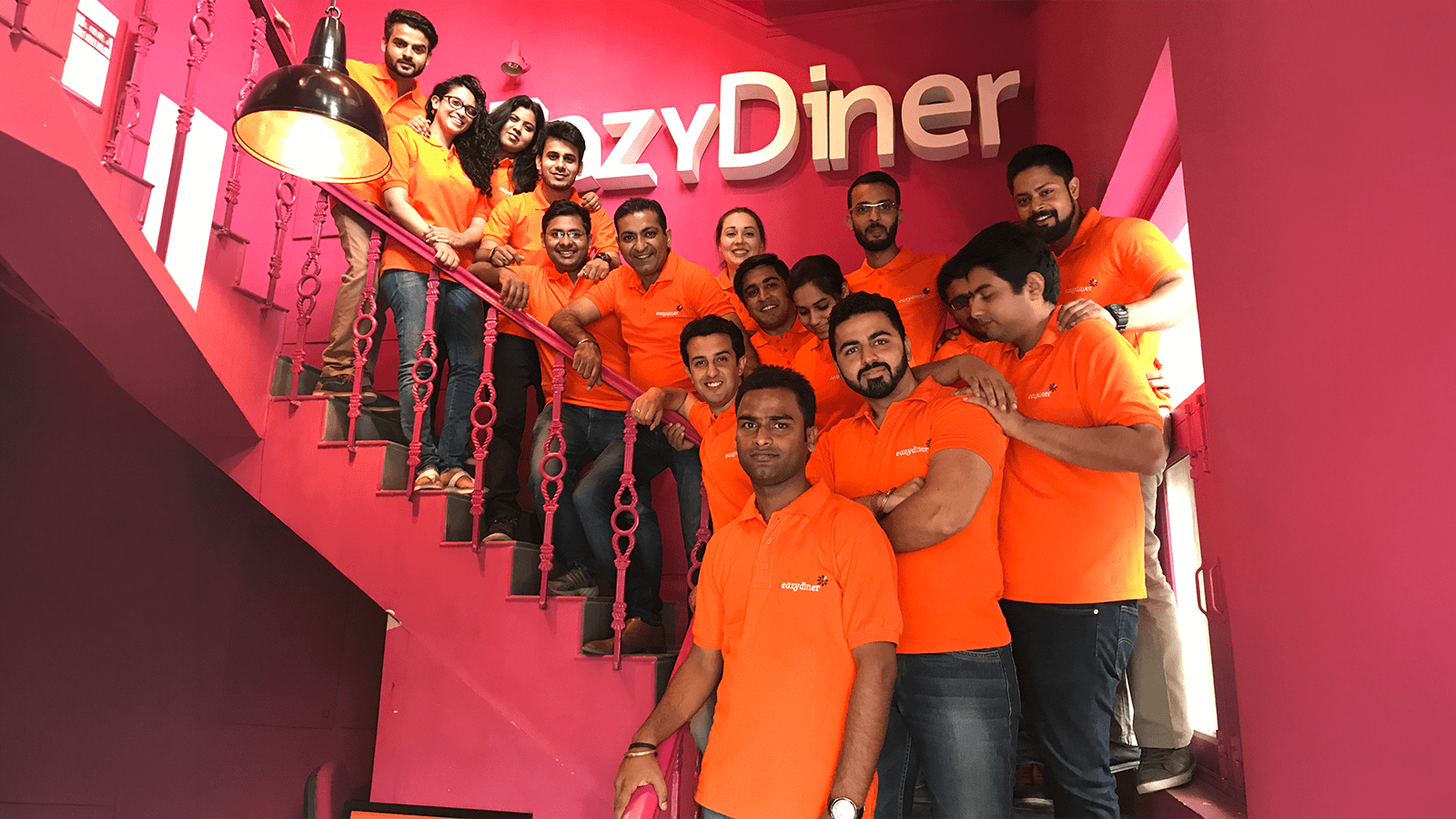
The Capitalyst: EazyDiner was co-founded alongside Kapil Chopra and other distinguished hoteliers, restaurateurs, tech architects and media professionals simultaneously. That is an unusually diverse group of founding personalities. How did you navigate the creative and operational tensions of building a company where the people at the table came from such radically different professional worlds, and what did each discipline bring that the others could not have supplied alone?
Sachin Pabreja: EazyDiner’s strength came from the diversity of its founding team. We had hoteliers, restaurateurs, technologists and media professionals all looking at the dining ecosystem from very different perspectives. That naturally created debate, but also better decisions.
Kapil Chopra and the hospitality veterans brought operational expertise and industry relationships. Restaurateurs brought ground-level realities, tech architects built scalable solutions, and media professionals understood consumer behaviour and storytelling. The key was aligning everyone around one shared goal: improving the dining experience for both consumers and restaurants. Once that mission became central, our different backgrounds became complementary rather than conflicting.
The Capitalyst: You joined EazyDiner initially as Chief Innovation Officer, a role that sits at the intersection of technology and operations, not the most obvious position for someone whose entire background was in front-of-house hospitality. What did moving into the technology function of a startup teach you about the hospitality industry that you could not have seen from inside a hotel, and was there a specific moment when you understood that tech and hospitality were actually solving the same underlying human problem?
Sachin Pabreja: Moving into technology at EazyDiner taught me that hospitality and technology are ultimately solving the same human problem which was, reducing friction and making people feel cared for. Hotels do it through personal service and intuition but technology does it through systems, scale, and data. I realised many guest frustrations such as delays, uncertainty, inconsistency, lack of personalization, that could be solved proactively through better digital experiences. The real shift for me was understanding that a seamless app and a great hotel concierge create the same emotional outcome, trust, ease, comfort, and confidence.
The Capitalyst: In February 2022 you were appointed CEO of EazyDiner, taking on full operational and strategic leadership of a platform that had already survived the most catastrophic period in the history of restaurants globally, the pandemic. Most businesses that survived that period did so by contracting. What did EazyDiner do during those two years, and what did operating through that crisis reveal about the resilience or fragility of India’s restaurant industry that the data on your platform made uniquely visible to you?
Sachin Pabreja: The pandemic was an existential moment for the restaurant industry, but it also revealed its extraordinary resilience. At EazyDiner, instead of simply contracting, we focused on staying deeply connected to both restaurants and consumers, helping partners drive demand, adapt digitally, and rebuild customer confidence as dining gradually returned.
What became very visible through our platform data was that restaurants which adapted quickly, through stronger customer engagement, flexible formats, digital adoption, and experience-led dining, recovered far faster than those waiting for the old normal to return.
The crisis also exposed how emotionally important restaurants are in India’s social fabric. People didn’t just miss food, they missed connection, celebration, and shared experiences. The recovery in dining behaviour, once restrictions eased, showed that hospitality is far more resilient than most people assumed because it fulfils a deeply human need for community and belonging.
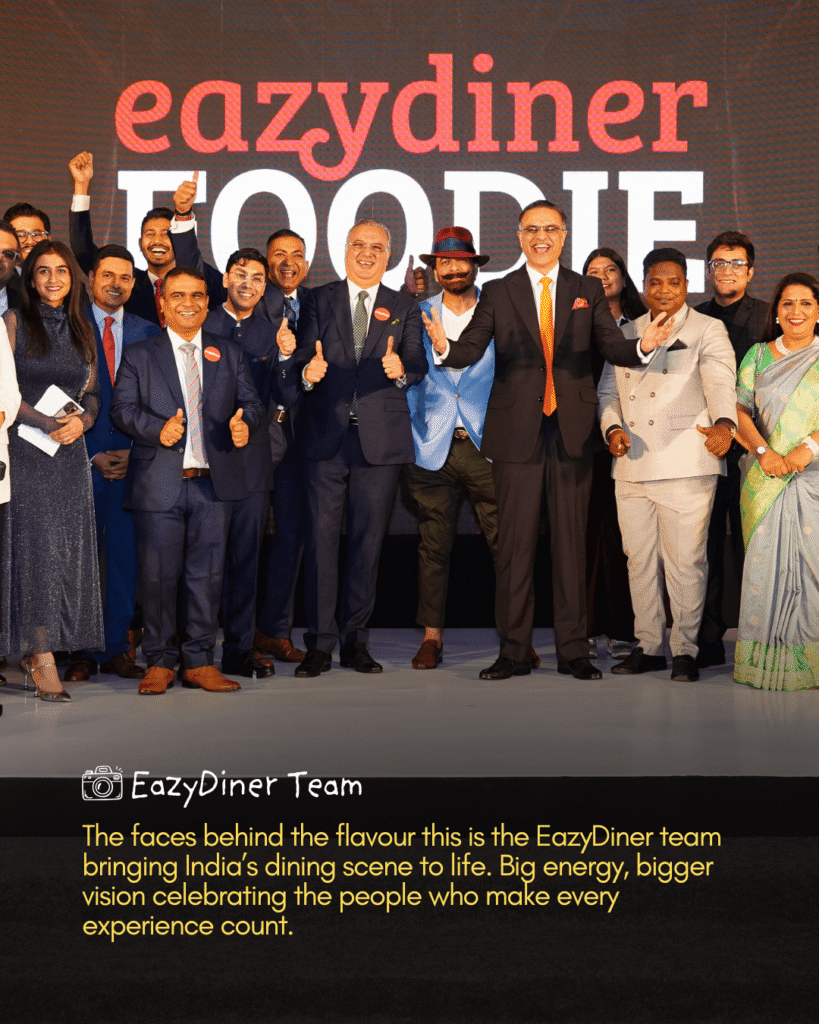
The Capitalyst: EazyDiner has raised $21 million across multiple funding rounds from investors including DSG Consumer Partners, Saama Capital, Hindustan Media Ventures, BEENEXT and DMI Sparkle Fund, growing to over 30 lakh users and more than 12,000 restaurant partners across India and Dubai, with user numbers growing 5 times and payment volumes growing 18 times year on year in 2022. That is a scale most consumer tech companies in India take a decade to reach. What has been the single hardest thing about building a two-sided marketplace, one that has to serve both the diner and the restaurant simultaneously, and where do those two sides most consistently want opposite things?
Sachin Pabreja: The hardest part of building a two-sided marketplace is balancing the very different expectations of diners and restaurants at the same time. Diners want convenience, availability and great offers, while restaurants want profitability, loyal customers and control over their brand experience.
The biggest conflict is usually around discounting. Customers love deals, but restaurants are cautious about relying too heavily on discounts or attracting only price-sensitive diners. Finding the balance between customer acquisition and restaurant sustainability has been one of the toughest challenges at EazyDiner.
At the end of the day, trust is everything. Diners expect a flawless experience, and restaurants expect measurable business impact. If either side stops seeing value, the marketplace does not work.
The Capitalyst: PayEazy, EazyDiner’s payment solutions arm, moves the platform from discovery and reservation into the actual transaction, completing the full dining journey inside one ecosystem. That is a significant expansion of the business model beyond what any hospitality background would have prepared you for. What did building a payment product inside a restaurant reservation platform require of you that pure hospitality or pure tech experience could not have provided, and what behavioural barriers did you have to dismantle to get diners to trust a relatively new platform with their money at the table?
Sachin Pabreja: Building PayEazy required us to combine hospitality, technology and financial trust in a way that neither pure hospitality nor pure tech experience alone could prepare us for. Payments are far more sensitive because the moment money is involved, reliability, security and consumer confidence become critical.
The biggest behavioural challenge was changing the habit of diners treating payments as an offline activity. People were comfortable booking restaurants online, but still preferred paying by card or cash at the table. We had to prove that paying through EazyDiner was not only safe, but also faster, more seamless and more rewarding.
For restaurants too, trust was essential because payments directly impact cash flow and customer experience. Ultimately, PayEazy was less about technology and more about building credibility and trust on both sides of the ecosystem.
The Capitalyst: You host a recurring interview series called Tête à Tea on the EazyDiner platform, where you sit down with some of India’s most interesting restaurant founders and F&B entrepreneurs. Having those conversations publicly, as a co-founder yourself, gives you a very particular vantage point, you are simultaneously a peer, a platform partner and an interviewer. What have you learned from those conversations about what separates the restaurant businesses that endure from the ones that do not, and is there a pattern in the stories of the ones that fail that the industry still does not talk about honestly enough?
Sachin Pabreja: One thing I’ve consistently learned from conversations on Tête à Tea is that restaurants that endure are rarely built only on great food. The successful ones usually have clarity of identity, operational discipline and an obsessive focus on consistency. Customers may visit once for novelty, but they return because the experience feels reliable every single time.
The founders who build lasting brands also tend to think long term. They understand unit economics, invest deeply in people and culture, and adapt constantly without losing the core essence of the brand. Many of them are far more process-driven than the industry outwardly appears.
On the other hand, one pattern behind failure that the industry does not talk about honestly enough is the tendency to confuse early hype with a sustainable business. Social media popularity, celebrity visibility or packed opening weekends can create the illusion of success, but restaurants ultimately survive on repeat customers, operational efficiency and financial discipline.
Another uncomfortable truth is that many founders underestimate how emotionally and operationally demanding the business really is. Hospitality looks glamorous from the outside, but behind the scenes it is a relentless business of execution, margins, staffing and consistency. The restaurants that survive are usually led by people who respect that reality rather than chase only the spotlight.
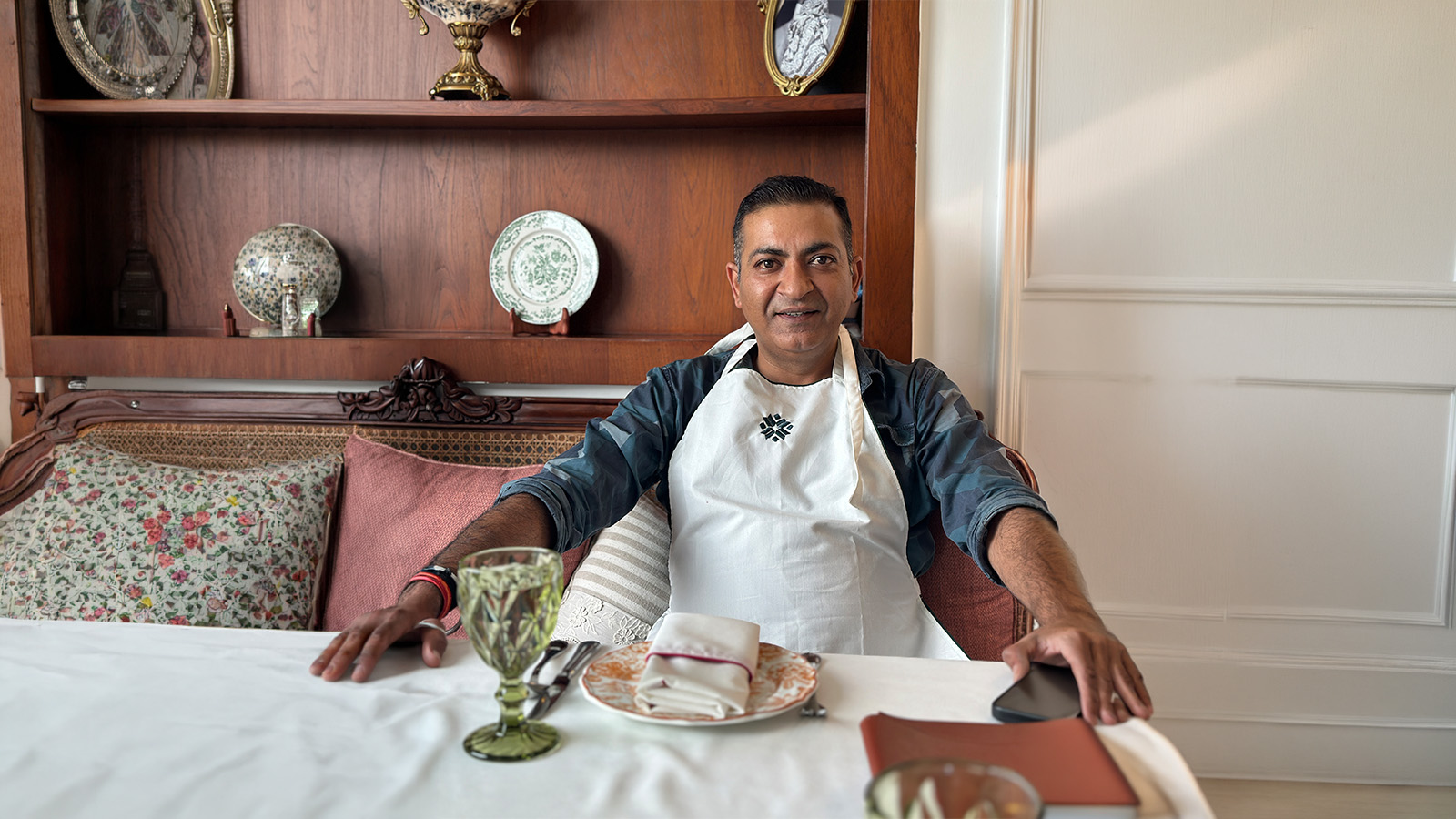
The Capitalyst: India’s restaurant reservation and dining tech space has grown dramatically since EazyDiner launched, with new competitors, aggregators and food delivery giants all competing for the same dining occasion. You have described EazyDiner’s differentiator as the quality and curation of its restaurant network rather than the volume of listings. In a market where scale is usually the winning argument, how do you defend a curation first position, and at what point does restraint in growth become a liability rather than a strength?
Sachin Pabreja: Scale is important, but in dining, trust matters more than sheer volume. Restaurants are experiential businesses, and one bad recommendation can damage user confidence faster than adding thousands of listings can improve it. Our belief at EazyDiner has always been that discovery should feel curated, not cluttered, making it an experience that would make memories.
A curation-first approach helps us maintain quality, build stronger restaurant partnerships, and create a more reliable experience for diners. In a market where many aggregators eventually look identical, trust and consistency become the real differentiators, not just listing count.
That said, restraint only works if it evolves with consumer behaviour. If curation becomes too restrictive and starts missing relevant new restaurants or dining trends, then it shifts from being a strength to a limitation. The goal is not to avoid scale, but to scale without diluting the experience that made users trust the platform in the first place.
The Capitalyst: You describe yourself on Instagram as a hotelier turned tech disruptor changing how India dines. That arc from Guest Services Associate at Radisson Blu in 1998 to CEO of India’s leading restaurant reservation platform in 2022 spans more than two decades and multiple complete reinventions of both yourself and your industry. Looking back at the person who checked in guests at Radisson in 1998, what would surprise him most about where you ended up, and what does the next decade of how India dines out look like from where you are sitting now?
Sachin Pabreja: The person checking in guests at Radisson in 1998 would probably be most surprised that technology, not hotels, became the defining part of my journey. Back then, hospitality was a deeply traditional industry driven by personal relationships and intuition. The idea that millions of dining decisions would eventually be shaped by smartphones, AI driven recommendations and digital platforms would have seemed unimaginable.
What has not changed, however, is the core of hospitality itself. Whether you are welcoming a guest at a hotel reception or building a dining platform, the job is still about understanding people and creating memorable experiences. Technology simply allowed us to do that at scale.
Looking ahead, I believe dining out in India will become far more personalised, experience led and technology integrated. Consumers will increasingly rely on AI driven platforms for discovery and transactions, while restaurants will compete as much on experience and emotional connection as they do on food. The future will belong to businesses that combine intelligent technology with genuine hospitality, because even in a digital world, dining out remains a deeply human experience.