The Capitalyst: Baby Space grew to a 16,000+ community, which sounds like a success story, but you walked away from it to build Humm Care. What did your community data or user conversations tell you that a spreadsheet couldn’t? How did the Humm Care journey start?
Carina Kohli: Our journey began during the pandemic in 2020. Everyone was locked in, the healthcare system was overwhelmed, and expecting parents were suddenly navigating one of the most vulnerable periods of their lives with almost no support. I started interviewing people – doctors, expecting parents, new mothers – and I couldn’t stop. By the time I was done, I had spoken to over 1000 women and 40 doctors/experts, and what I kept hearing, over and over, was that the information gap was enormous. People didn’t know what was normal, what was dangerous, who to trust. So Baby Space started as a ‘beta’ attempt to fix that – doctor-verified information, a community where people could ask questions and get verified answers, a place that felt like an empathetic community rather than only clinical.
And it worked, in the sense that 16,000 people found their way there. But what those 16,000 people showed me was something the interviews hadn’t fully prepared me for. The conversations at two in the morning, the posts from women who were clearly struggling postpartum but seeing it as personal failure, the sheer relief people expressed just at being heard – none of that showed up in a dataset. It told me that what people needed wasn’t just better information. They needed support and a system that was tangible, proactive and personal. They needed actual access to medical and non-medical care, at the right time, through a system that treated them as whole people rather than just scattered symptoms. Baby Space was what we call the ‘beta version’. Humm Care is our solution and attempt to address the actual problem.
The Capitalyst: Studies show a very high percentage of Indian women experience postpartum anxiety or depression, yet the system barely talks about it. Why did you choose to make postpartum and mental health one of Humm’s core pillars, and what’s the hardest thing to fix about the stigma around it?
Carina Kohli: My own experience of navigating women’s health in India – trying to find information that was empathetic, non-judgmental, and actually doctor-verified, was part of what motivated me build a company that focuses in women and family care in the first place. The absence of that wasn’t abstract; it was something I had felt personally. And when I started talking to hundreds of doctors and parents during the pandemic, postpartum mental health kept surfacing as this vast, largely unaddressed stage. Postpartum care is the most neglected stage of maternal health. And today mental health challenges in postpartum are prevalent. Postpartum depression is experienced by approximately 25% of new mothers in India. And Postpartum Anxiety is experienced by approximately 70% of new mothers in India. And this seeps into physical health challenges, productivity, ability to re-enter the workforce post maternity leave and parenthood. Maternity leave is the point of highest attrition among women employees in the workforce in India. And with women still being a minority in our workforce – this felt like critical problem to solve for.
The stigma around asking and receiving help is still the most challenging part when we look at healthcare in India – especially sensitive topics and areas. The hardest thing to fix about stigma is not just changing what other’s think about it but how one sees getting help themselves. It is creating a space that one feels safe enough to think asking for help is okay and there’s nothing wrong or nothing to feel ashamed of. Its building a network that one can genuinely trust and rely on – so that they truly feel less alone. It’s a long journey but we’re on our way!
The Capitalyst: You’ve built a B2B clientele alongside your consumer product. What does it take to convince an Indian organisation that postpartum care or maternal mental health is their problem to solve, and not just the employee’s? What’s the conversation in that boardroom actually like?
Carina Kohli: The first thing I learned is that you cannot lead with just empathy in a pitch – not because they don’t care or that the intent isn’t there, but because empathy alone doesn’t survive a budget conversation – and at the end of the day, for businesses numbers matter. So the conversation starts with attrition. A skilled employee with five or more years of institutional knowledge who goes on maternity leave and doesn’t return is a real, quantifiable cost to employers. When you show organisations that insufficient reintegration support, lack of genuine health care access and absent mental health infrastructure are directly driving that attrition, the room begins to shift.
My background in HR, finance, and strategy has been helpful here, because I can speak both languages. I understand what an HR leader is trying to defend internally and what a CFO needs to hear. The argument isn’t just moral – it’s that investing in working parents and caregivers, in managers who know how to support employees through life transitions, in structured return-to-work programs, is a sound business decision. And the DEI angle matters too. Organisations today are prioritising improving gender ratios in their workforce. Helping more women join, return after maternity leave, and supporting them well enough that they actually stay and grow, is one of the most direct levers available.
What we’ve found with the clients we work with, is that once the business case opens the door, the human concern is already in the room. HR leaders, many of them women, know exactly what we’re describing. The work becomes giving them the language and data to advocate for their employees in conversations levels above them. That, in the end, is what we’re doing: equipping people inside organisations to fight for something they already believe in.
The Capitalyst: “Unlimited and affordable” is the promise, but India’s wealth divide is extreme, as you’ve pointed out yourself. Who is Humm Care actually built for right now? And how do you think about bridging the urban-rural gap without compromising on the quality you’re trying to deliver?
Carina Kohli: I’ll be straightforward about where we are. The primary user right now is the urban, formally employed Indian – someone whose company has signed up with us, who has a smartphone, who is comfortable navigating a digital product. That’s the reality of where we’ve built first, and it’s not something we try to dress up as more than it is. As a startup with limited access to funds, this was a place we felt was feasible to start. However the dream is much larger, and this is just a starting point for us.
The architecture was always built with the wider goal in mind. Teleconsultations matter not just because they’re convenient for someone in a metro city, but because they are often the only realistic path to quality specialist care for someone or a their family member in a town where no specialist exists within a hundred kilometres. The access problem in Tier 2 and Tier 3 India isn’t primarily a technology problem – it’s a trust, awareness and language problem. A platform built with urban English and urban assumptions embedded in its design will fail a rural user even if the connection is technically there.
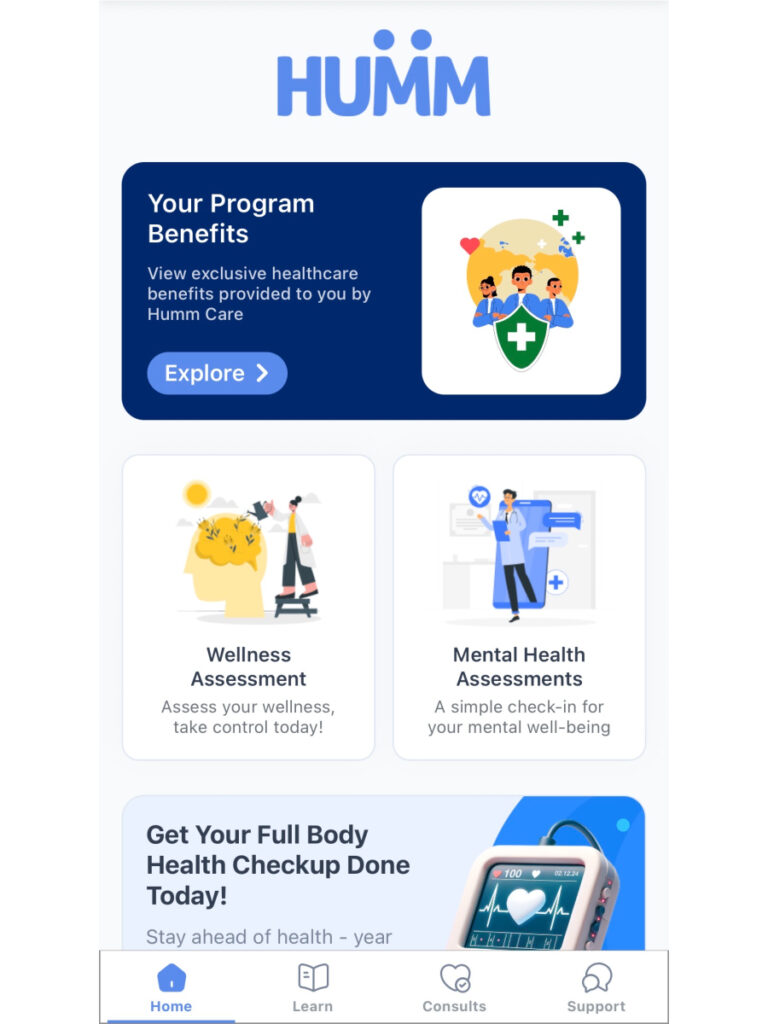
Bridging the gap meaningfully means going back to the experience itself – we have doctors/experts that speak 40+ languages on the app, culturally resonant framing, care team touchpoints that earn trust in places where formal healthcare has historically been absent or inadequate. Through the network we have built with our partners, now we have 3000+ doctors/experts, 100+ clinincs and hospitals and can service 400+ cities as part of our serviceability network in India. We are not there yet. I think the honest thing to say is that we know exactly where the gap is and are building toward it deliberately, rather than claiming we’ve already solved something we haven’t. We’re on our way.
The Capitalyst: In a world hyper-fixated on automating everything with AI, how does Humm Care draw the line between where technology handles the process and where a real human expert must step in?
Carina Kohli: The line becomes fairly clear once you stop asking what technology can do and start asking what the person actually needs in a given moment. Scheduling, reminders, routing someone to the right specialist, surfacing a relevant article at the right point in their pregnancy, tracking a due date – these are things the app handles better and with less friction than any human intermediary could. Nobody should have to explain their situation to three different people before reaching the person who can help them. That’s a solvable operational problem, and technology solves it well.
But the moment someone is in genuine distress – not browsing resources, but struggling – a chatbot isn’t the best answer. We have a 24/7 mental health helpline with a counsellor because there are moments when the only thing that helps is a voice that belongs to a real person. I don’t believe that technology can or needs to replace a medical practitioner and that human intervention one needs in a crisis situation. However technology can help build personalisation, seamless coordination, integrate and automate different actions to make the experience seamless for the user as well as the doctor or counsellor treating the patient. It can help all around.
Our approach has been to let technology carry the operational and administrative weight so that when a human doctor/expert shows up, they are fully present rather than stretched thin, and all the paperwork is taken care of. Technology in service of the human connection, not as a substitute for it.
The Capitalyst: The femtech space has been called “the next big thing” for a few years now, and you said back in 2022 that “this is just the beginning. “Four years later, does India’s femtech ecosystem feel like it’s living up to the hype? What’s moved, and what’s frustratingly stuck?
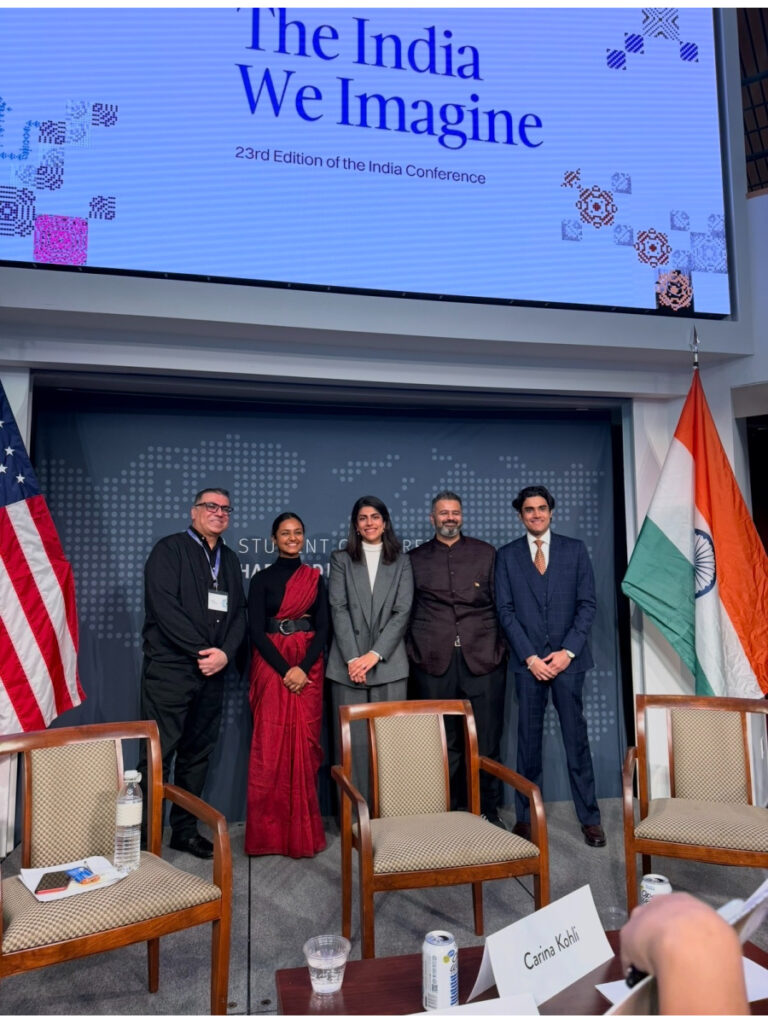
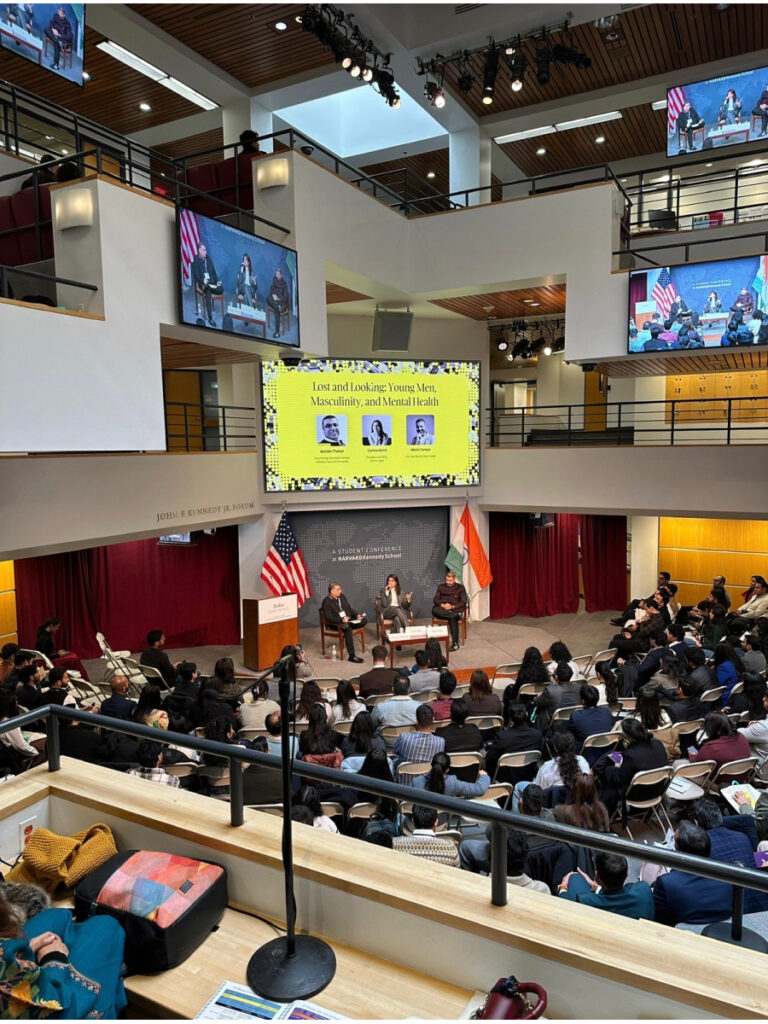
Carina Kohli: What’s moved is the conversation. Four years ago, you had to explain to a room what femtech meant and why it mattered. Today, investors, HR leaders, and increasingly even policymakers know the category exists. There is also genuinely more product – more period trackers, more fertility platforms, more services addressing PCOS, menopause, postpartum care. Being recognised as Next in Femtech Asia by the Women’s Health Innovation Series in 2023, and being listed among women in healthtech globally by Healthtech World UK, speaking at the India Conference at Harvard in 2026 – those kinds of acknowledgements feel different from even three years ago. The ecosystem has real momentum.
What’s stuck is the depth. A lot of what got built is still surface-level – content platforms dressed up as healthcare, apps that collect data without meaningfully improving outcomes, products designed more for a funding narrative than with a clinical framework or protocol. The stigma around women’s health hasn’t dissolved; it’s just become slightly more discussable in some rooms. And the funding, while growing, still doesn’t reflect the actual scale of the opportunity. Half of India’s population, across their entire reproductive and post-reproductive lives, represents an enormous healthcare gap. What we have so far is proof of concept. The structural, scaled version of femtech in India is still being built. We have something exciting in the Femtech space we’re building – more on this in a few months!
The Capitalyst: Beyond the app and tele-consultations, what single policy change or systemic shift in India’s healthcare system would massively accelerate what Humm is trying to do for women and families? And how are you trying to influence that conversation?
Carina Kohli: If we first look at the workforce as a starting point – if corporates prioritise or if it’s mandatory for employers to provide health care benefits – more than just insurance. If employers can provide or subsidise costs for different benefits such as health check-ups, mental health services such as therapy, helplines and all round wellness plans for women’s health and caregiving. I think if this happens – we will see a huge shift in the workforce and see the number of working women increase and stay at work. We will see more inclusivity in the workforce, a healthier workforce with better performance, lower attrition and higher retention.
If we build on awareness and more education around health care and the benefits of wellness programs where there’s a tangible benefit in a proactive and integrated approach to our health. At Humm we’re actively trying to start and continue this conversation – through social media, talks, workshops, free sessions. Building on awareness, resources and educational tools are an essential accompaniment to providing healthcare – to guide people how to use it and truly benefit in the long run.