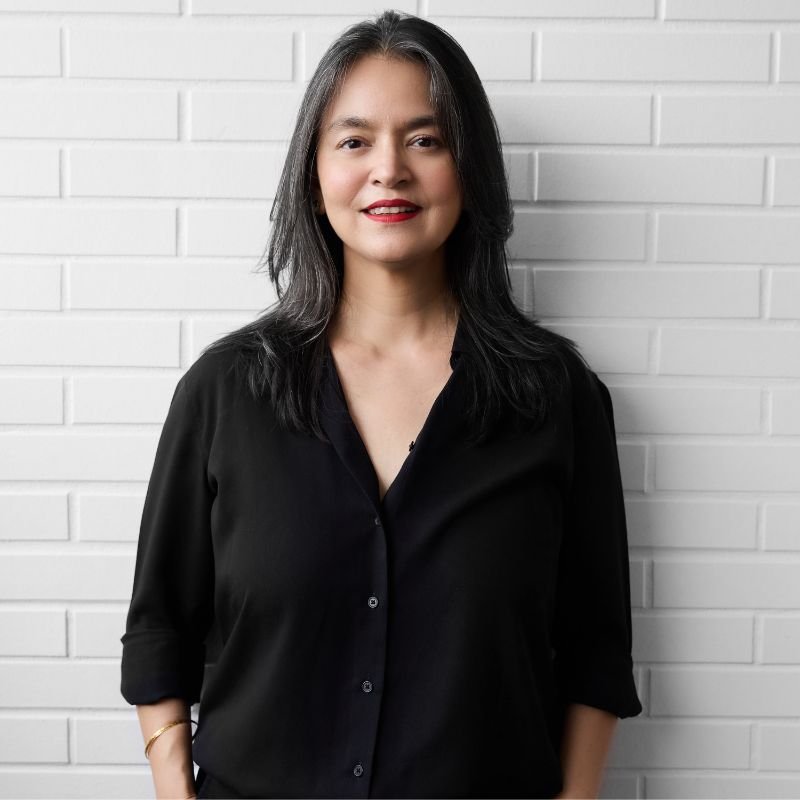
The Capitalyst: You spent over 17 years at sea, circumnavigating the globe and eventually making history as the first Indian Executive Chef with Cunard Line. Managing a kitchen on a cruise ship is a masterclass in supply chain and operational efficiency. Tell us more about that experience and how those years shaped your approach to managing restaurant logistics and scaling your business back on land.
Vicky Ratnani: Those years at sea were like attending a three-dimensional, fast-track business school. On a cruise ship, everything is finite: space, ingredients, manpower. You have to anticipate the needs of thousands of passengers weeks in advance, plan menus meticulously, and ensure absolute efficiency without compromising creativity. I learned to streamline processes, negotiate with global suppliers, and build systems where even small errors could ripple across the entire operation. Bringing that mindset to land meant I could scale operations while keeping quality uncompromised—a kitchen, I realized, is as much about people and logistics as it is about food.
The Capitalyst: Your cooking is described as progressive and global, yet deeply rooted in Sindhi flavours. How much of that identity is a conscious choice, and how much of it just sneaks into your food whether you like it or not?
Vicky Ratnani: Honestly, it’s both. Sindhi flavours are in my DNA—they’ve shaped my palate since childhood. Even when I experiment with international techniques or global ingredients, the essence of home sneaks in: a pinch of spice here, a balance of flavours there. That said, I am deliberate about fusion; it’s not about forcing tradition into every dish, but letting it converse naturally with modernity.
The Capitalyst: You’ve built a massive digital footprint, from your early TV shows to your new custom-built kitchen studio. In 2026, what actually builds a culinary empire — a Michelin star or a million followers? And why?
Vicky Ratnani: Neither alone is enough. A Michelin star brings credibility and mastery; a million followers bring reach and influence. The modern culinary empire blends both: excellence in the kitchen and the ability to share that excellence with a global audience. Social media amplifies your story, but authenticity is what holds it together.
The Capitalyst: Vicky Goes Veg came at a time when vegetarian cooking wasn’t considered serious fine dining. Did you have to fight for that idea, and do you think the world has finally caught up?
Vicky Ratnani: Absolutely, it was a fight. Vegetarian was often seen as “simple” or “home-style,” but I saw it as a blank canvas for creativity. Today, I’m thrilled to see vegetarian and plant-based fine dining taken seriously. Diners are curious, experimental, and conscious of sustainability—the world has finally caught up, and it tastes delicious.
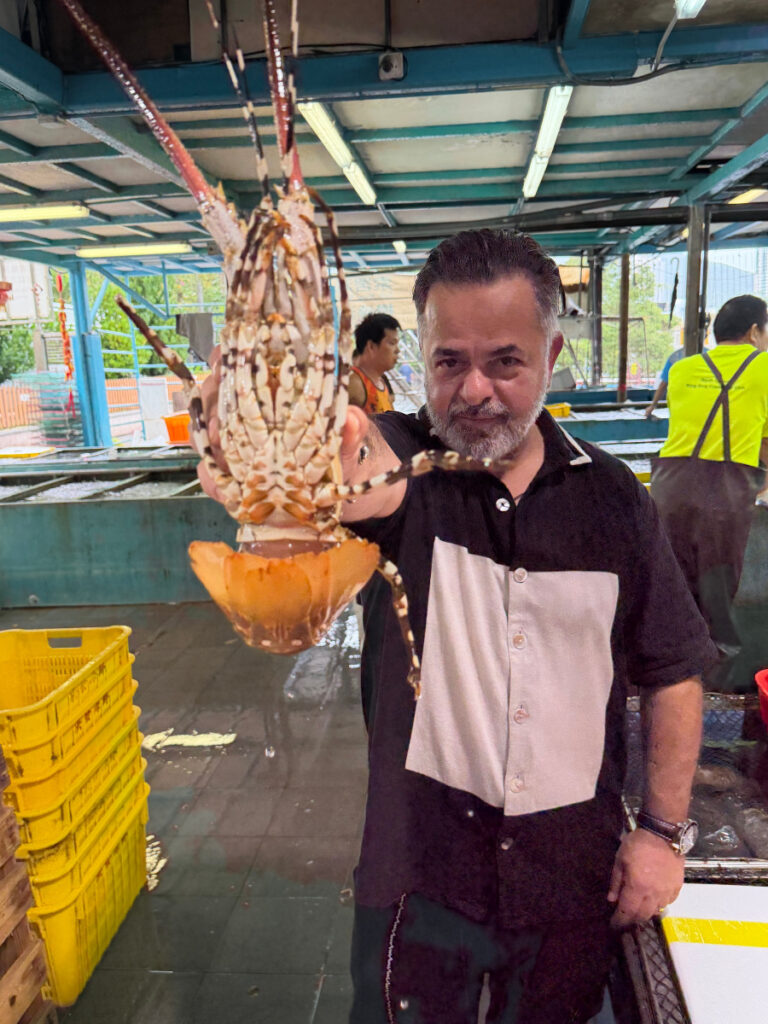
The Capitalyst: Some of the most technically complex and layered food in the world is being sold off a cart for twenty rupees. Do you think street food vendors are the most underrated chefs on the planet, and has a street food dish ever genuinely humbled you as a professional?
Vicky Ratnani: Street food chefs are true masters of flavour and intuition. They work under extreme constraints—time, cost, ingredients—and still deliver perfection in every bite. I’ve been humbled countless times; a perfectly spiced pav bhaji or a simple chaat can teach more about balance, texture, and immediacy than years in a Michelin kitchen. Greatness doesn’t always wear a white jacket.
The Capitalyst: Sustainability is a major focus in your kitchens, particularly in how you utilise local and organic ingredients while minimising waste. From a business perspective, how does this impact the bottom line? Is true sustainability an added premium cost, or is it actually a more economical way to run a kitchen when done correctly?
Vicky Ratnani: Sustainability can feel like a premium at first, but when integrated thoughtfully, it often saves money. Local sourcing reduces transport costs, seasonal menus prevent overstocking, and waste minimization turns potential loss into efficiency. Beyond the numbers, it builds brand loyalty and responsibility. True sustainability is both ethical and smart business.
The Capitalyst: Having seen the industry evolve the way you have, where do you see the next major shifts coming in Indian food and beverage over the next five years? And is there a trend quietly building right now that most people in the industry are still sleeping on?
Vicky Ratnani: I see a major shift toward authenticity with innovation—chefs revisiting regional Indian cuisines and presenting them with modern techniques. There’s also a quiet revolution in plant-based Indian cooking and functional foods; fermented, probiotic-rich dishes are gaining traction. International fine dining has embraced these trends, but much of India’s culinary scene is still catching up. Those who experiment now will set the stage for the next wave.
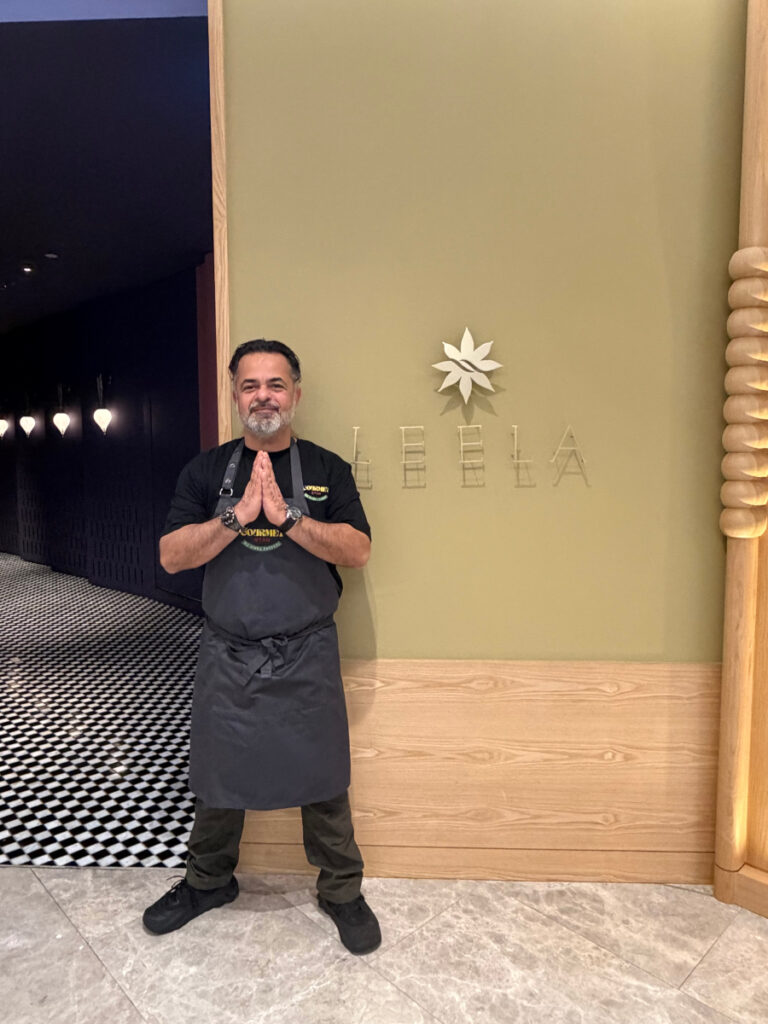
The Capitalyst: You have cooked for Nelson Mandela, Bollywood royalty, and billionaires on private jets. But if you could seat just three people, dead or alive, at your dinner table tonight, who is sitting down and what are you cooking?
Vicky Ratnani: I’d invite Anthony Bourdain, my grandfather, and Cleopatra. Bourdain for his curiosity and stories, my grandfather for roots and wisdom, and Cleopatra for intrigue and history. I’d cook a menu that bridges worlds: a delicate, modern interpretation of Sindhi Sai Bhaji to honour tradition; a Mediterranean-inspired seafood dish for Cleopatra; and an inventive, global tasting platter for Bourdain—a fusion that sparks conversation and curiosity at every bite.