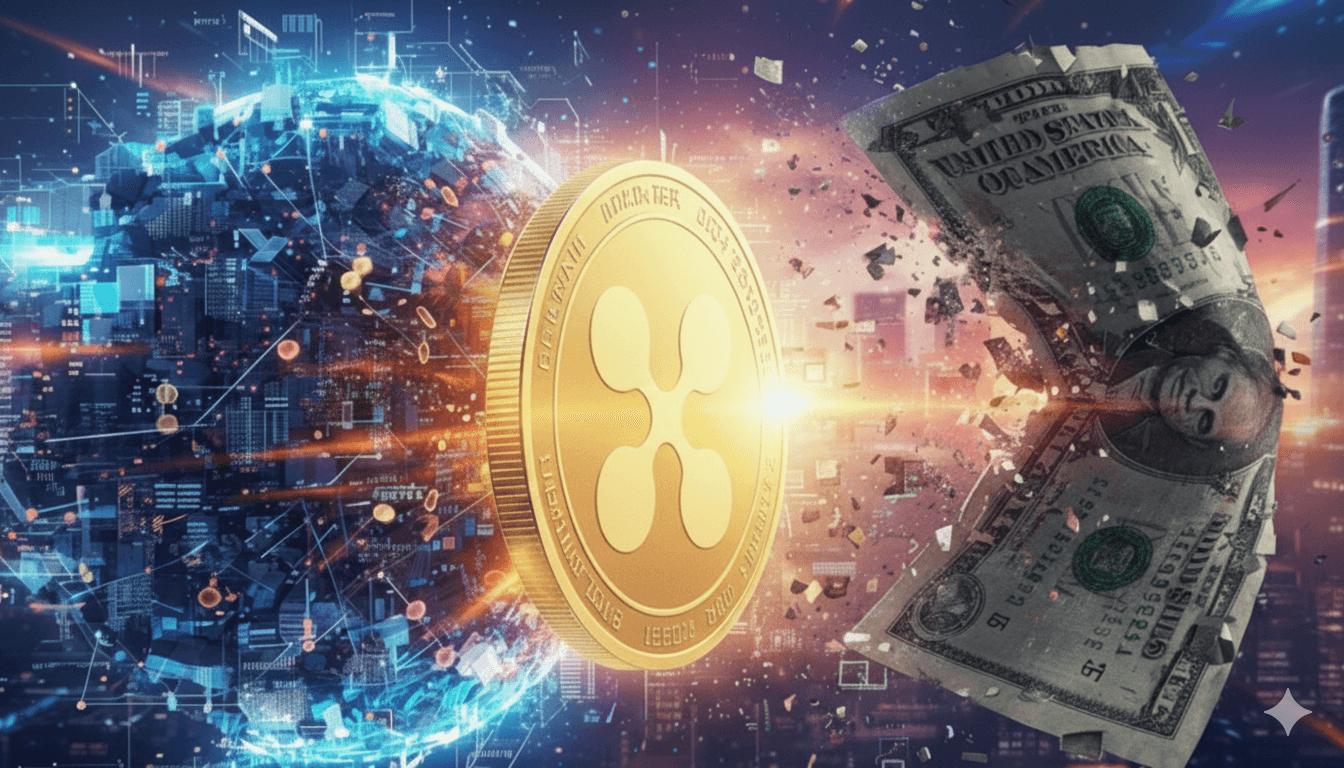
Remember when your bank took three days to clear a simple wire transfer? Well, while you were waiting, India and the UAE just completed a massive crude oil transaction in seconds using XRP ledger technology, completely sidestepping the US dollar and traditional banking systems. This isn’t just another crypto story; it’s a glimpse into the future where digital currencies could fundamentally reshape global trade and challenge America’s financial dominance.
Lightning-Speed Payments That Never Sleep
Get this: while traditional oil transactions crawl through multiple banks over days, potentially getting stuck in compliance checks or weekend delays, this XRP-powered trade happened at lightning speed. We’re talking about a 24/7 payment system that doesn’t care if it’s Christmas morning or 3 AM on a Sunday.
BRICS Nations Building Their Financial Fortress
Here’s where things get really interesting. This isn’t just India and the UAE going rogue. Six countries were invited to become BRICS members in 2023, with Egypt, Ethiopia, Iran, and the UAE officially joining in January 2024. These nations aren’t just talking about alternatives to the dollar; they’re actively building them.
As of mid-2024, BRICS nations collectively held 5,700 tonnes of gold, representing 16% of global reserves, with these reserves growing threefold over the past two decades. That’s not accumulating gold for fun; that’s building a foundation for a financial system that doesn’t bow to Washington’s whims.
The Digital SWIFT That Doesn’t Need America’s Permission
Remember how Russia got kicked out of SWIFT faster than you could say “sanctions”? Well, decentralized ledgers like XRP operate differently. You can sanction banks, freeze traditional wire transfers, and even shut down entire payment networks. But try shutting down a decentralized blockchain that’s already processing sovereign trades across multiple countries.
BRICS nations are considering blockchain payment systems, gold-backed currency, and reserve currency alternatives, signaling a strong move towards de-dollarization. It’s like building a highway system that doesn’t have any toll booths controlled by a single country.
Dollar Dominance Was Never About Freedom
Let’s be honest here. Dollar dominance was never about promoting freedom or democracy. It was about control. Controlling oil markets, controlling trade routes, and most importantly, controlling global payment systems. When you control the money flow, you control the game.
But India and the UAE just showed the world that this control is breakable. Core BRICS currencies now represent 6.4% of global payments via SWIFT as of 2024, growing from virtually nothing just a few years ago. It’s like watching cracks appear in what seemed like an unbreakable foundation.
What This Really Means for Global Trade
Think of this transaction as dropping a stone in a pond. The ripples are just starting to spread. The US dollar’s share of global reserves has dropped to around 57.8% by the end of 2024, down from much higher levels in previous decades.
When major oil-producing and oil-consuming nations start trading without dollars, other countries start paying attention. It’s like watching the first person leave a party; suddenly everyone’s wondering if they should head for the exit too.
The Bigger Picture: A Multipolar Financial World
We’re witnessing the birth of a multipolar financial system where the US dollar is just one option among many, rather than the only game in town. Russia’s deputy foreign minister revealed that the de-dollarization agenda took center stage at the BRICS summit in October 2024, showing this isn’t just economic policy; it’s geopolitical strategy.
This XRP oil trade between India and the UAE isn’t just a transaction; it’s a declaration of financial independence. It proves that alternative payment systems aren’t just theoretical anymore; they’re operational, efficient, and ready for prime time.
The dollar won’t disappear overnight, but its monopoly on global trade is officially over. And that changes everything for how we think about money, trade, and power in the 21st century. The future of finance isn’t just digital; it’s decentralized, and it doesn’t need anyone’s permission to exist.