The Humble Beginning: A Coffee Bean Shop in Pike Place Market
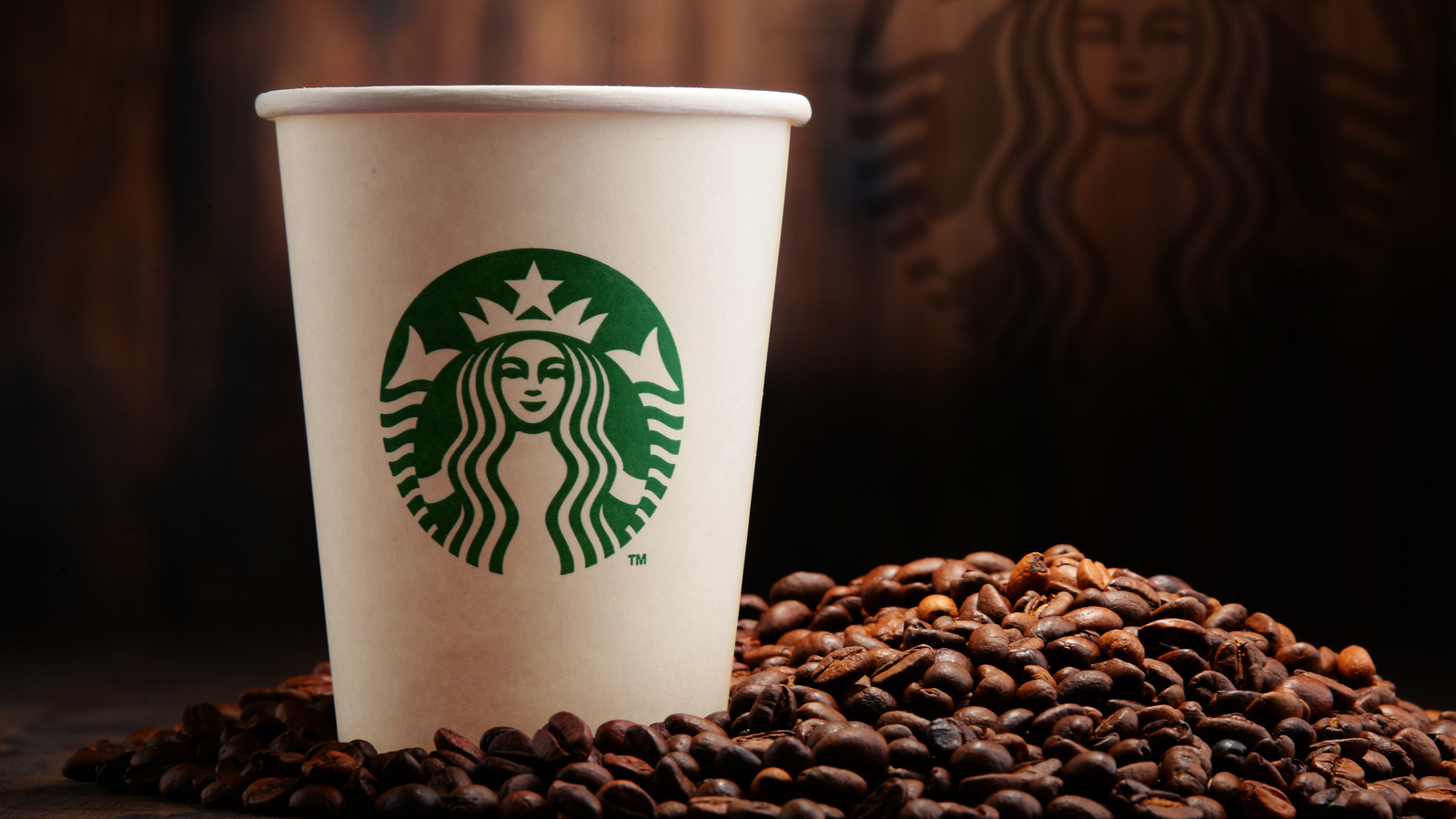
The Starbucks story began far from the global empire it would become. In 1971, three college friends (Jerry Baldwin, an English teacher; Zev Siegl, a history teacher; and Gordon Bowker, a writer) opened a modest storefront at 2000 Western Avenue in Seattle’s iconic Pike Place Market. The original Starbucks did not sell brewed coffee at all. Instead, it focused exclusively on selling high-quality coffee beans and home brewing equipment.
The founders drew inspiration from Alfred Peet, a pioneer in artisan coffee roasting who initially supplied their green coffee beans. For over a decade, Starbucks remained a small but quality-driven retailer, meticulously developing roasting techniques aimed at introducing premium coffee to the American market.
The Schultz Revolution: Transforming Coffee into an Experience
The pivotal moment that would reshape Starbucks came in 1982 when Howard Schultz joined as director of marketing and retail operations. Schultz had been a sales representative who noticed Starbucks’ unusually large orders, prompting him to visit the company. What he found impressed him so deeply that he pursued a career with the small retailer.
The true transformation began after Schultz’s life-changing trip to Milan in 1984. Exposed to Italy’s vibrant espresso bar culture where cafés buzzed with energy, conversation, and community, Schultz envisioned bringing this experience to America. He wanted to create a “third place” between home and work, where people could gather, connect, and linger over quality coffee.
His proposal initially met resistance from the founders, who preferred maintaining their focus on retailing beans. Undeterred, Schultz left Starbucks in 1985 to start his own espresso bar chain, Il Giornale. By 1987, with crucial funding that included support facilitated by Bill Gates Sr., Schultz raised enough capital to purchase Starbucks for approximately $3.8 million and merge it with Il Giornale. He immediately rebranded all Il Giornale outlets as Starbucks and fundamentally shifted the business model to serve espresso-based drinks and cultivate a comprehensive coffeehouse experience.
The Explosive Growth Years: Building a Coffee Empire
Under Schultz’s leadership, Starbucks embarked on aggressive expansion. The company opened its first locations outside Seattle in Chicago and Vancouver, Canada, in 1987. By 1989, Starbucks boasted 55 stores across the United States.
The watershed moment came in June 1992 when Starbucks went public. At the time of its IPO, Starbucks had 140 outlets with revenue of $73.5 million, up from $1.3 million in 1987. The company’s market value was $271 million. This capital infusion enabled rapid expansion, with the store count doubling over the next two years.
The Frappuccino Game-Changer
In 1994, Starbucks acquired The Coffee Connection, a Boston-area chain, gaining the rights to the “Frappuccino” beverage. The drink had been invented by George Howell in summer 1992, starting as a frozen cappuccino made in a granita machine with coffee, sugar, and milk.
Starbucks introduced the Frappuccino under its own name in 1995, and by 2012, the beverage was generating over $2 billion in annual sales. The sweet, blended beverage captured the imagination of millions and became a cultural phenomenon, introducing coffee culture to consumers who might never have ordered a traditional espresso drink.
Global Domination
The late 1990s and early 2000s witnessed Starbucks’ transformation into a truly global brand. The company entered Japan in 1996, expanded into Europe in 1998, and opened stores in China in 1999, recognizing the massive future potential. By the 2000s, Starbucks operated thousands of stores worldwide, becoming synonymous with premium coffee culture.
The company didn’t just sell coffee. It sold an experience, a lifestyle, and a sense of community. Starbucks stores became cultural touchstones, offering free Wi-Fi, comfortable seating, and a welcoming atmosphere that made them ideal for everything from business meetings to first dates.
The Stumble: Overexpansion and Crisis
By the mid-2000s, Starbucks faced serious challenges that threatened its dominance. Rapid expansion led to too many stores saturating markets, risking diluted brand exclusivity and sales cannibalization. In some urban areas, Starbucks stores appeared on seemingly every corner. While this maximized convenience, it also diluted the brand’s premium appeal, led to inconsistent customer service as rapid hiring outpaced training, and diminished the unique, community-focused atmosphere that had defined the brand.
When the 2008 financial crisis struck, consumer habits shifted dramatically. Customers who once thought nothing of spending $4-5 on a latte began reconsidering discretionary spending. Starbucks, positioned as a premium brand, became vulnerable to the economic downturn.
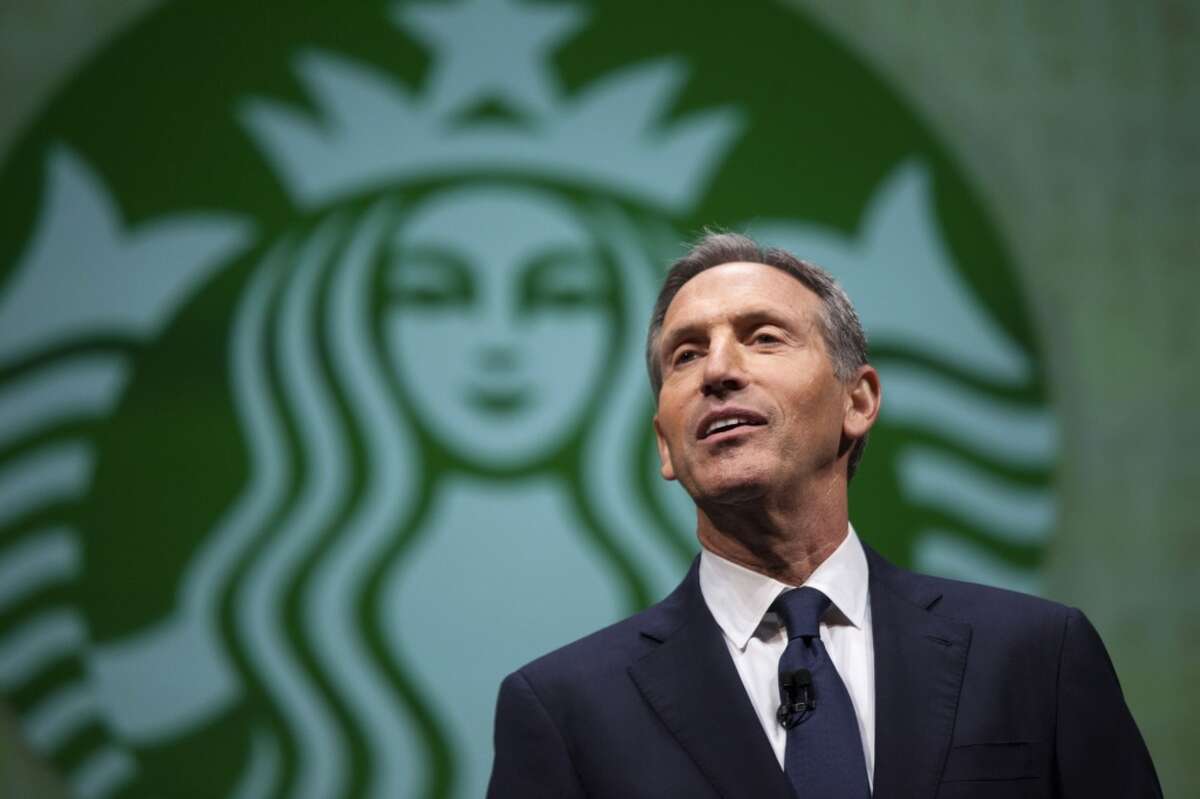
Recognizing the severity of the situation, Howard Schultz returned as CEO in 2008 to orchestrate a bold turnaround. He closed approximately 900 underperforming stores, revamped product offerings with new menu items, improved service standards through enhanced training, and refocused on the core coffeehouse experience. These actions stabilized Starbucks and repositioned it for steady growth through and after the recession.
The Digital Age: Innovation and Adaptation
The following decade witnessed Starbucks embracing technological innovation while maintaining its community-focused roots. Starbucks emerged as a leader in digital customer engagement through Mobile Order & Pay, which revolutionized how customers ordered coffee, and created one of the most successful loyalty programs in retail. By July 2013, more than 10% of in-store purchases were made on customers’ mobile devices via the Starbucks app.
The company aggressively expanded in emerging markets, particularly China, while deepening its commitment to sustainability and ethical sourcing. Stores increasingly became community hubs: warm, inviting spaces offering free Wi-Fi, comfortable seating, and menus tailored to local tastes.
The 2025 Wake-Up Call: Restructuring for Resilience
Despite its strengths and history of innovation, Starbucks announced a major restructuring in September 2025, signaling that even industry leaders must adapt to changing market dynamics.
Starbucks announced a $1 billion restructuring plan involving roughly 500 gross store closures (about 1% of its North American locations) and the layoff of approximately 900 nonretail employees. This marked the second round of layoffs under CEO Brian Niccol’s tenure, following 1,100 corporate workers laid off earlier in the year.
In a letter to employees, Niccol explained that the company had reviewed its footprint and identified locations “unable to create the physical environment our customers and partners expect, or where we don’t see a path to financial performance.”
The closures were driven by consumers who moved away from urban centers during the Covid-19 pandemic. The chain was shedding leases in areas with notably less business, while sales at stores open for at least a year had dropped for six straight quarters. The company had veered too much into mobile orders, which “took a lot of the soul” out of the brand.
The Niccol Turnaround: “Back to Starbucks”
Enter Brian Niccol, who joined Starbucks as CEO in September 2024 from Chipotle, where he had engineered a remarkable turnaround. Wall Street loved his appointment. Shares soared 24% on the day of the announcement, the best day ever for Starbucks stock.
Niccol’s turnaround strategy, dubbed “Back to Starbucks,” focuses on returning the business to its community coffeehouse beginnings with more inviting stores and a less complex menu. He contrasts this with his predecessor’s plan called “Triple Shot Reinvention with Two Pumps,” saying “I don’t know what that means.”
The Core Strategy
Reclaiming the “Third Place” Identity: After years of prioritizing digital orders and drive-thrus, Starbucks is creating community spaces with more seating, bringing back ceramic mugs for customers who linger, and adding new menu items. The company had removed 30,000 seats from locations in recent years, a decision now being reversed.
Personalizing the Experience: Sharpies are making their triumphant return for handwritten messages on cups, after being supplanted by printed labels. The company is also serving coffee in ceramic mugs to customers who choose to stay in cafes.
Simplifying Operations: In February 2025, Starbucks cut 30% of its menu to simplify processes and reduce costs, discontinuing primarily less popular or more complex items. The company is focusing on drinks that can be prepared in under four minutes and bringing back self-serve condiment bars to speed service.
Investing in the Workforce: The “Green Apron Service” model involves a $500 million investment in labor hours across company-owned cafes to improve speed, hospitality, and accuracy.
Store Portfolio Optimization: Closing underperforming locations that don’t fit the new vision, planning to renovate more than 1,000 locations over the next 12 months, and opening strategically placed new outlets that emphasize the coffeehouse experience.
The company posted its best-ever U.S. sales week for company-owned locations when pumpkin spice lattes and other fall drinks returned to menus. Howard Schultz made a surprise appearance at the company’s Leadership Experience in Las Vegas and endorsed Niccol’s plans, saying he “did a cartwheel” in his living room when Niccol first coined the “back to Starbucks” strategy, calling it “brilliant.”
The Road Ahead
Niccol insists the company is not just “getting back to Starbucks” but “building a better Starbucks.” The 2025 restructuring and closures, while painful, represent strategic choices about where and how Starbucks competes. The company is betting that quality matters more than quantity: that fewer, better-designed stores offering exceptional experiences will outperform a saturated network of inconsistent locations.
What started as a local Seattle bean shop redefined the global relationship with coffee. The current challenges are simply another chapter in a longer story of adaptation and resilience, one that shows even iconic brands must continuously earn their relevance in an ever-changing market. The question isn’t whether Starbucks will survive but what form its next evolution will take.