The Birth of a Silent Giant
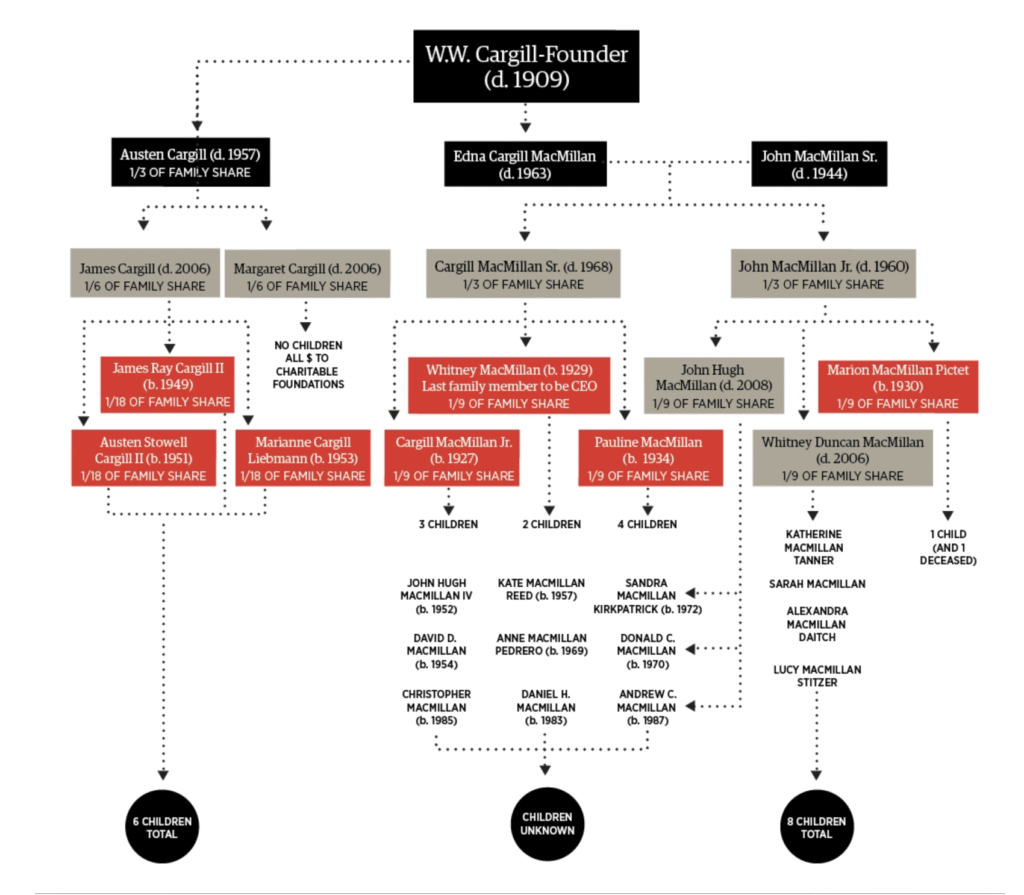
The story of the Cargill-MacMillan dynasty begins in the heartland of 19th-century America, with William Wallace Cargill, a grain trader who set up a small warehouse in Iowa in 1865. What started as a modest family business soon grew into a vast grain empire, intertwining with the MacMillan family through marriage and strategic partnership. This union would set the stage for the creation of Cargill Inc.—a behemoth that, by the 21st century, would become the world’s largest privately held food company, influencing supply chains and dinner tables on every continent.
A Family Legacy Built on Secrecy and Scale
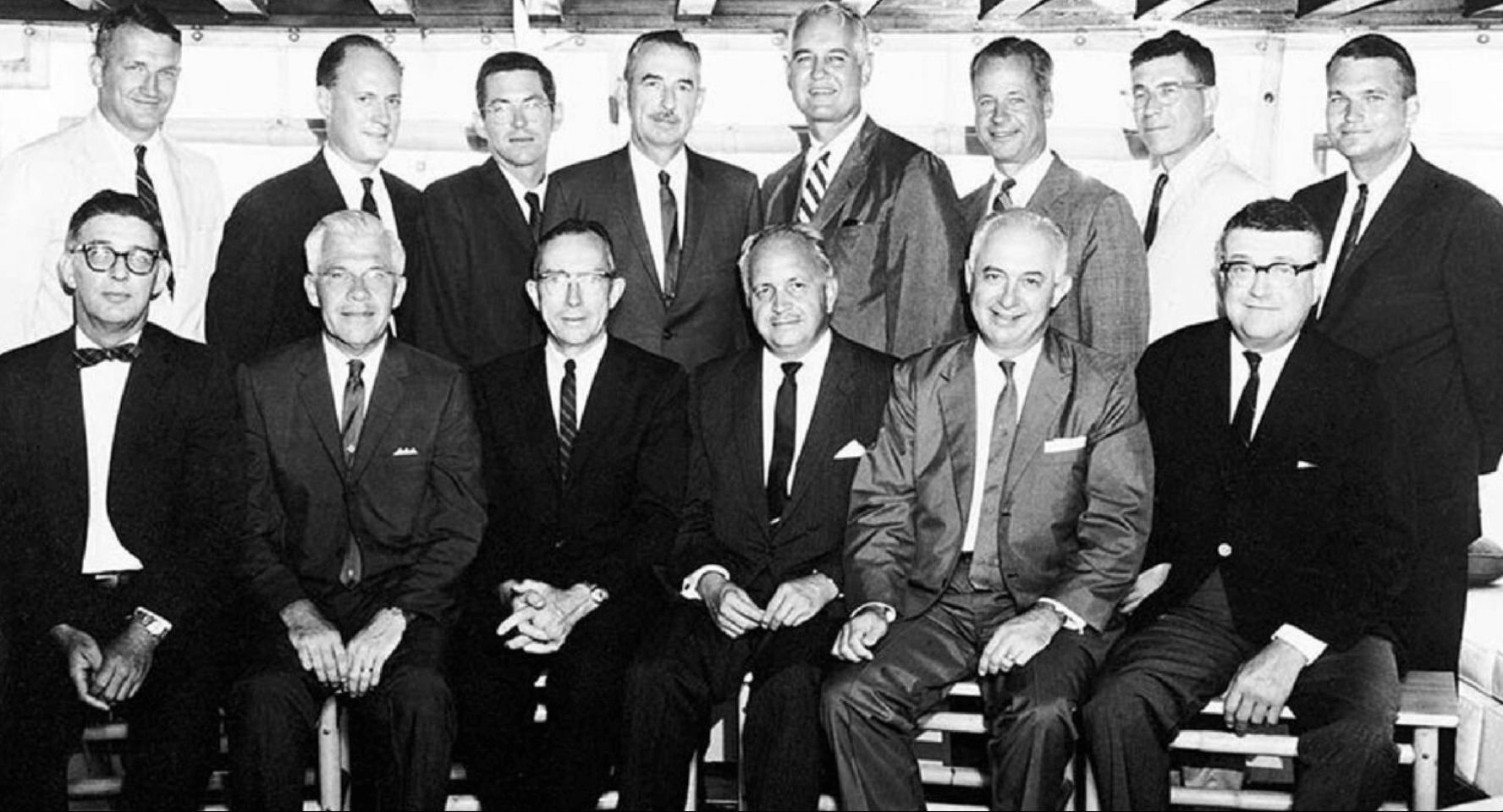
As decades rolled on, Cargill expanded outwards—acquiring competitors, building shipping and processing infrastructure, and embedding itself in the logistics and insurance that underpin global food markets. Unlike publicly traded corporations, Cargill remains fiercely private. Nearly 90% of Cargill’s shares are controlled by descendants of the Cargill and MacMillan families, producing a dynasty with at least 14 billionaires, most of whom rarely appear in the media or public life. This discretion is by design: family members avoid the limelight, steering the company’s fortunes through trusts and private boards that keep outsiders at bay.
Their secrecy offers competitive advantages. Free from shareholder scrutiny, the dynasty can take risks, shift strategies, and capitalize on industry volatility in ways public companies cannot. This autonomy has enabled Cargill to weather world wars, trade embargoes, environmental disasters, and economic crises—often emerging from turmoil more powerful than before.
How the Cargill-MacMillan Dynasty Controls Your Food
Cargill’s global presence is almost invisible to everyday consumers, yet its influence is everywhere. The company operates in 70 countries and employs more than 160,000 people, trading, producing, and transporting food commodities on a scale rivaled only by a handful of others. From the salt on your fries at McDonald’s to Gemini oil in an Indian kitchen, Cargill’s supply lines touch billions of lives every day.
The secret to this influence is control over the infrastructure, rather than final products alone. Cargill dominates grain elevators, shipping fleets, animal feed, meat packing, and oilseed processing—acting as the toll collector on each step between farm and plate. The company is one of the “ABCD” giants (Archer Daniels Midland, Bunge, Louis Dreyfus, and Cargill) whose combined dominance means that just a few corporations set global grain prices, decide where and what farmers grow, and even influence which brands land in your supermarket.
Cargill’s sway is felt most acutely in moments of crisis. During wars and famines, or in events like the recent Russian invasion of Ukraine, Cargill’s ability to redirect global supply lines and leverage its stockpiles can mean the difference between scarcity and surplus. When grain exports from Ukraine stalled, Cargill seized the opportunity, reporting record profits while global prices soared and other firms struggled.
Criticism and Controversy Along the Way
With great power comes criticism. Environmental advocates have long spotlighted Cargill’s role in deforestation and the spread of monocultures that endanger local ecosystems and biodiversity. The company has faced accusations of price manipulation, consumer price-fixing, and unfair labor practices—problems exacerbated by its vast reach and lack of transparency.
Its intelligence network, tracking commodity flows and market trends, rivals that of many governments. Yet Cargill’s structure makes it difficult to hold the dynasty accountable for social and environmental consequences. The result is a paradox: the family’s commitment to philanthropy and sustainability on paper, and its simultaneous deep ties to controversies that shape the food security of millions.
The Dynasty’s Lasting Influence
For over 150 years, the Cargill-MacMillan dynasty has survived and thrived by anticipating and adapting to change. Their influence is felt both in boardrooms and on farms, where multinational reach and technological innovation redefine what’s grown, traded, and consumed. The family’s legacy is less about public recognition and more about operational dominance: the unseen force behind supply chains, shaping market outcomes from shadows rather than headlines.
Despite changes in leadership and the emergence of new competitors, the Cargill-MacMillan dynasty shows no signs of slowing down. Today, as the global population rises and food systems strain under climate pressures, their decisions—made behind closed doors—still ripple out, affecting the price and availability of food for nations, communities, and families worldwide.
Conclusion: The Power of Being Unseen
The enduring power of the Cargill-MacMillan dynasty is not only in enormous wealth or a sprawling empire, but in its ability to quietly, efficiently, and almost invisibly shape the global food industry. While the world’s attention often focuses on branded giants and Wall Street titans, it is this private family whose reach extends into the kitchens, restaurants, and communities that feed the planet.
As food security becomes ever more pressing in the years ahead, the world may soon have to reckon with the influence of dynasties like Cargill-MacMillan—whose legacy is written not on billboards, but across the supply chains and table spreads of humanity itself.