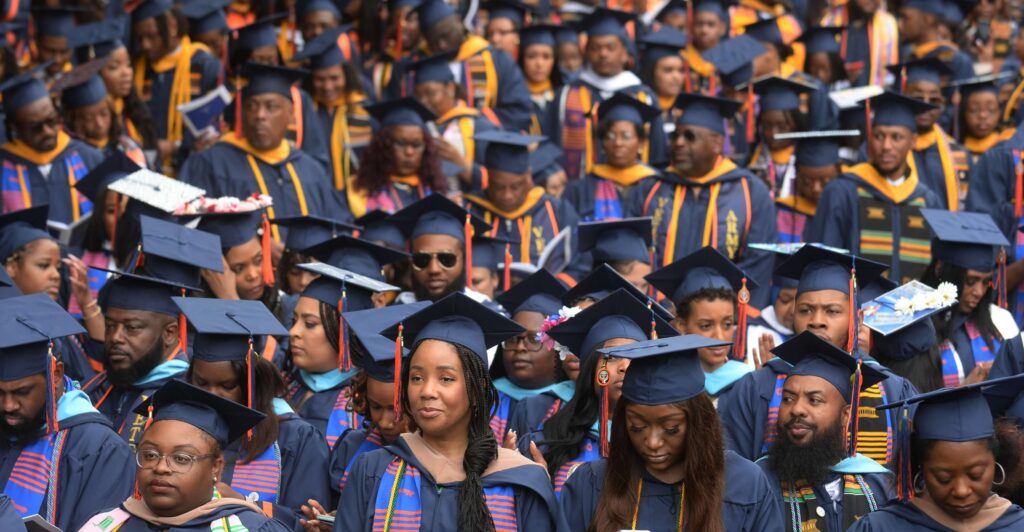
Picture this: You’ve just thrown your graduation cap in the air, clutching a hard-earned degree and a mountain of student debt. You are ready to conquer the job market. Except… the market is not quite as impressed as you had hoped.
Welcome to the paradox of modern higher education, where the rules of the game have fundamentally changed, but nobody sent you the memo.
The Golden Ticket That Lost Its Shine
Remember when a university degree was basically a cheat code for life? Your parents probably do. For decades, getting into university meant you had made it: a secure job, upward mobility, and financial stability were practically guaranteed. That is not dramatic exaggeration; it is how the system actually worked.
But here is the uncomfortable data: In 2010, young American graduates had a six-percentage point advantage in employment over their non-graduate peers. By 2024? That gap had shrunk to just one percentage point. Read that again. The “graduate advantage” has essentially evaporated.
European numbers tell the same story. The unemployment rates for young people with university degrees now barely differ from the general youth population. The degree that once opened doors is now just… a degree.
So, what happened?
The decline is not because of one single villain. It is a perfect storm of interconnected changes that have quietly reshaped everything.
The Credential Inflation Problem
When everyone has a degree, no one does. Universities expanded access (a good thing in theory), but this mass democratization has diluted the signal that degrees once sent to employers. What used to scream “exceptional candidate” now whispers “meets minimum requirements.” Some argue admissions standards dropped along the way, creating wider variation in graduate quality. Whether fair or not, employers have noticed.
The Curriculum-Reality Gap
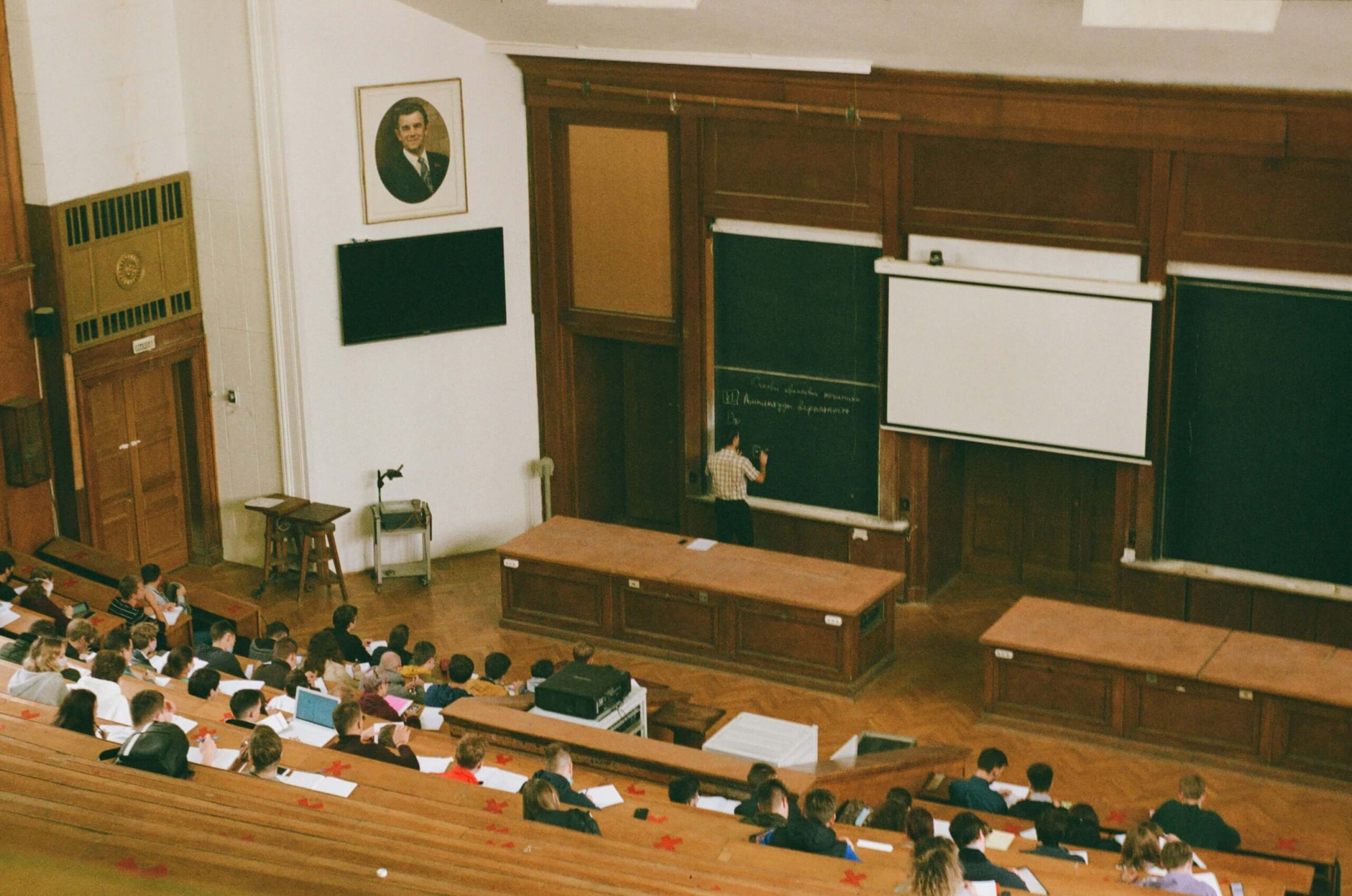
Here is an awkward question: Are universities actually teaching what the modern workplace needs? Many graduates walk across the stage having mastered theories and concepts that look great in textbooks but feel alien in actual offices. When your education does not match real-world demands, your impressive GPA starts looking less impressive to hiring managers who need people who can hit the ground running.
The Great Job Contraction
The types of jobs that traditionally gobbled up graduates are shrinking. From 2009 to 2024, youth employment in finance and insurance across the EU dropped 16%. In Britain, twenty somethings working in law and finance fell 10% since 2016 alone.
Before you blame AI (everyone’s favorite scapegoat), consider this: These jobs started disappearing before ChatGPT became a household name. The real culprit? Many graduate-heavy industries never fully recovered from the 2007-2009 financial crisis. The golden age of lucrative investment banking jobs ended over a decade ago. We are just now fully reckoning with the aftermath.
The AI Elephant in Every Room
Now AI is changing things: radically and rapidly. One striking statistic: The proportion of IT professionals worried that AI might make their skills obsolete jumped from 74% to 91% in a single year. Let that sink in. Even the tech experts are spooked.
The skills most vulnerable to AI tend to be the specialized, technical ones that universities love teaching. Can write elegant code? AI is learning to do that faster. Can analyze complex data? There is probably an algorithm for that.
But can you navigate office politics? Build genuine client relationships? Adapt when everything changes overnight? Think critically about problems that don’t have textbook answers? Those messy, deeply human skills? AI struggles with those. And increasingly, they are what actually matters.
Are People Giving Up on University?
In America, the answer seems to be “sort of.” Bachelor’s degree enrollment dropped 5% between 2013 and 2022. The cost-benefit analysis is not adding up for many young Americans.
But plot twist: Across most developed countries (excluding the US), university enrollment actually increased from 28 million to 31 million in the decade leading to 2022. Why? Public funding makes education more affordable elsewhere, cushioning the financial blow.
There is just one problem: Students are not always making strategic choices. Arts, humanities, social sciences, and journalism remain popular despite notoriously tough job markets. There is nothing wrong with studying what you love, but let us be honest about the realities you will face afterward.
A Harvard study reveals that even 10 traditionally strong degrees, including business, computer science, and economics, are losing value. Economists David J. Deming and Kadeem Noray found that tech-focused graduates in fields like computer science and engineering initially earn well, but their advantage diminishes over time.
As skills become outdated and competition grows, these early career earnings gains fade. This research challenges assumptions about safe degree choices and suggests that no field guarantees long-term career security in today’s rapidly changing job market.
What Actually Sets Successful Graduates Apart?
It’s not just the degree; it’s what you do with it.
A university degree may open doors, but it does not guarantee the journey beyond. The graduates who thrive are not necessarily those with the most impressive certificates, but those with the agility to learn, unlearn, and relearn throughout their careers.
We are shifting toward a lifelong learning economy where education is no longer a one-time achievement but a continuous act of renewal. Universities cannot operate as if knowledge acquired in one’s twenties will sustain an entire career. Students must build skills iteratively, constantly updating their learning portfolios to stay relevant.
Beyond technical knowledge, employers increasingly value adaptability and problem-solving abilities. An OECD report identifies communication, empathy, collaboration, and critical thinking as irreplaceable skills in the AI era. Universities can nurture these through group projects and coursework, but the real test comes outside the classroom.
Apprenticeships, internships, and on-the-job learning provide the practical experience that transforms theoretical knowledge into workplace readiness. The most successful graduates understand that their education does not end with a diploma. It is just the beginning of a lifelong learning journey.
Today’s graduates need to think like entrepreneurs, regardless of their career path. This means identifying problems, creating solutions, and taking calculated risks. Students should pursue side projects, freelance work, or build personal brands through portfolios and social media. This entrepreneurial approach is not about starting a business; it’s about owning your career trajectory and continuously adding value. Those who embrace this mindset transform from passive job seekers into active career architects.
The Bottom Line
University is not dead but has evolved. The degree alone will not save you, but used strategically, it can still be a powerful tool. The key is understanding that we are in a new era where the credential matters less than what you do with it, who you meet, what you experience, and how you adapt.
The world is changing faster than ever. The only guarantee? There are no guarantees. But armed with versatility, experience, and an appetite for continuous growth, you can build a career that survives whatever comes next.
Just maybe do not expect your degree to do all the heavy lifting. Those days are over.