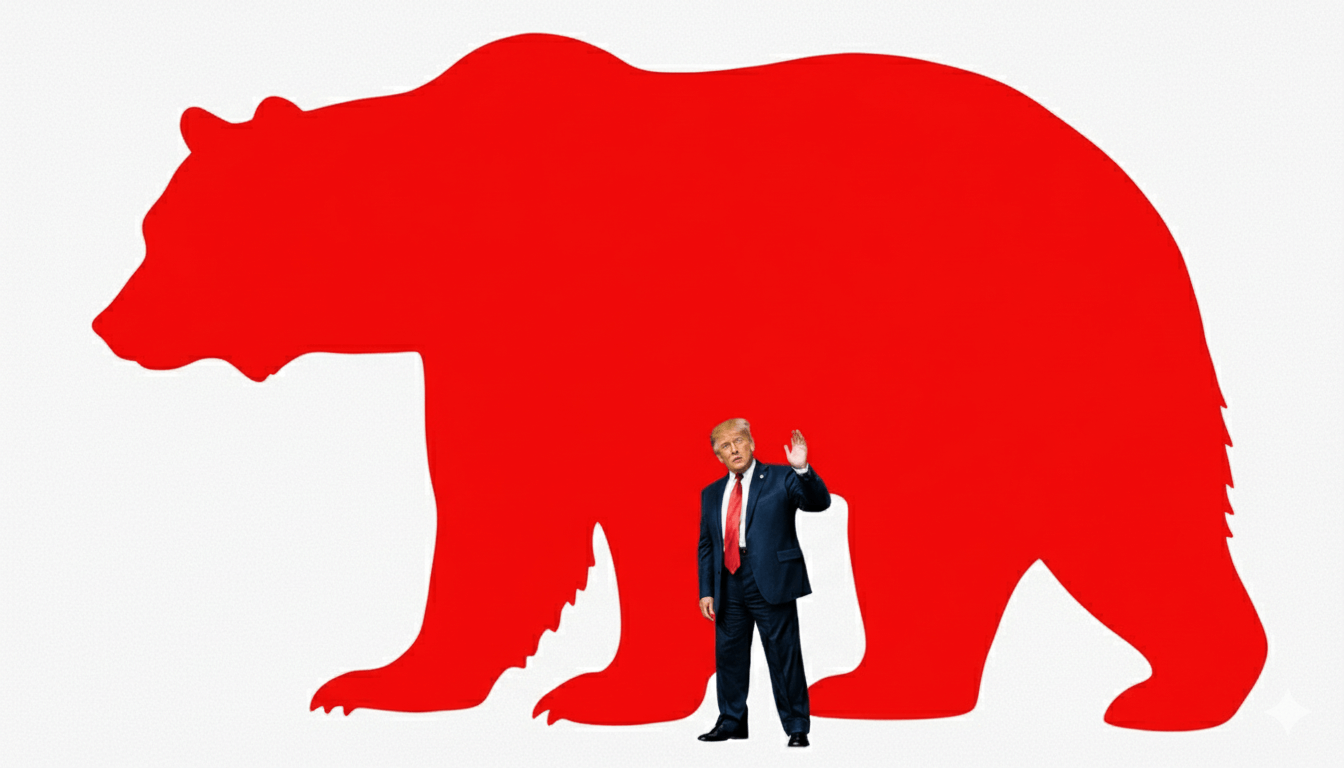
When the stock market experienced significant volatility in April 2025, a counterintuitive theory began circulating in financial circles. Bitcoin investor Anthony Pompliano posed the question starkly on social media: “The President and his team are intentionally crashing the market. Is this a master plan or are we watching uncontrolled destruction?!” The suggestion that the Donald Trump administration might be deliberately destabilizing markets seemed absurd—until the evidence started mounting. But why would any president deliberately tank the stock market? The answer lies in an often-overlooked aspect of economic policy: bond yields and the massive US debt burden that needs refinancing.
The Looming Debt Crisis
To understand this theory, we must first grasp the magnitude of America’s debt challenge. The United States currently holds over $37 trillion in total debt, and approximately $9 trillion of that debt needs to be refinanced in 2025 alone. This isn’t just an abstract number—it represents real money that the government must borrow at current interest rates.
Here’s where it gets critical: when the government refinances debt, it essentially takes out new loans to pay off old ones. The interest rate on these new loans depends on bond yields. Even a small change in yields can translate to billions of dollars in additional interest payments—or savings. For a government facing such massive refinancing needs, lowering bond yields isn’t just preferable; it’s potentially a fiscal imperative.
The Bond Yields Connection: Why They Matter More Than Stocks
While the media obsesses over the Dow Jones and S&P 500, the Trump administration has reportedly been laser-focused on a different metric: the 10-year Treasury yield. Officials have stated their aim to lower this yield to cut borrowing costs, and there’s a practical reason for this priority. As one report noted, “Bond yields, not the Dow, are the administration’s new North Star.”
Consider this: roughly 80% of American households carry some form of debt—mortgages, car loans, credit cards—while only about 60% own stocks. Political strategist Bradley Tusk explained it simply to Fortune: “More voters are impacted by interest rates than the S&P.” Bond yields affect interest rates across the economy, impacting far more people than stock market movements. Lower yields mean lower mortgage rates, cheaper car loans, and reduced government interest payments.
The inverse relationship between bond prices and yields is crucial here. When bond prices rise, yields fall. So the question becomes: how do you make bond prices rise? The answer may lie in creating conditions that drive investors toward the safety of Treasury bonds. One financial strategist managing $150 billion in investment funds put it bluntly: “Trump cares more about the 10-year Treasury than about the stock market.”
The Mechanism: Market Crashes and the Flight to Safety
Here’s where the theory gets interesting. During market crashes, a predictable pattern emerges called the “flight to safety.” When stocks plummet, panicked investors don’t stuff cash under their mattresses—they flee to the safest assets available: US Treasury bonds.
This surge in demand for bonds drives their prices up, which mechanically pushes yields down. It’s basic supply and demand. If enough money flows out of stocks and into bonds, yields can drop substantially. For a government refinancing $9 trillion in debt, even a one percentage point drop in yields could save hundreds of billions of dollars in interest payments over time.
But there’s a second layer to this strategy. If markets crash severely enough, the Federal Reserve might be forced to cut interest rates to prevent a full-blown recession. Lower Fed rates typically lead to lower bond yields across the board, further reducing government borrowing costs. The theory suggests that controlled market chaos could create the conditions for massive debt savings.
Evidence from Recent Events
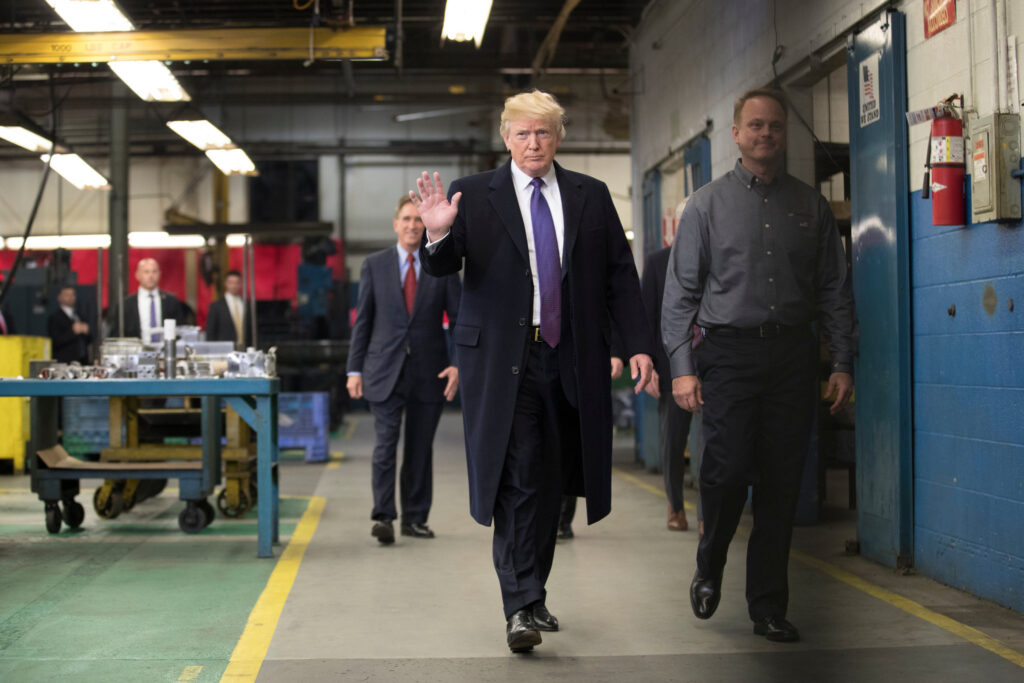
The evidence supporting this theory is circumstantial but intriguing. Reports indicate that bond yields, not stock market crashes, were the “pain point” that influenced Trump’s decision to pause certain tariff policies. While stocks were tumbling, the administration seemed relatively unconcerned—until bond yields started spiking. As one CNBC analyst observed, “If he wasn’t paying attention to the stock market, now we know he’s paying attention to the bond market.”
In early April 2025, the 10-year yield initially dropped as markets wobbled, seemingly validating the strategy. The Trump administration cited this drop as a benefit of its tariff plan. However, yields then surged to 4.5% by April 9, demonstrating the complexity and unpredictability of financial markets. The timing of policy decisions relative to these market movements has fueled speculation about intentionality.
Adding to the puzzle, recent legislation raised the debt ceiling by $5 trillion, providing significant relief on borrowing limits. This move, combined with the focus on yields, suggests a comprehensive strategy to manage the debt burden through various mechanisms.
The Counterarguments and Risks
Before accepting this theory at face value, we must consider significant counterarguments. Presidents are historically judged by economic performance, particularly stock market health. Deliberately tanking markets carries enormous political risk and could backfire spectacularly.
There are also dangerous unintended consequences. A market crash deep enough to substantially lower yields could trigger a recession, destroying jobs and devastating retirement accounts. The human cost could far outweigh any fiscal savings. Additionally, if foreign investors lose confidence in US economic management, they might dump Treasury bonds altogether, spiking yields and defeating the entire purpose.
It’s also possible that market volatility is simply a side effect of other policy goals—like reshaping trade relationships or domestic manufacturing—rather than an intentional strategy. Correlation doesn’t always equal causation, and financial markets are notoriously complex with multiple variables at play simultaneously.
Implications for Everyday Americans
If this theory holds any truth, the implications extend far beyond Wall Street. Mortgage rates, credit card interest, and auto loans all respond to changes in Treasury yields. Americans refinancing homes or buying cars could benefit from lower rates, even as their 401(k) balances suffer.
This creates an uncomfortable trade-off: short-term market pain for long-term fiscal sustainability. It’s essentially asking current investors and workers to sacrifice for reduced government borrowing costs. Whether such a strategy is ethical, sustainable, or even feasible remains hotly debated among economists and policy experts.
The Verdict: Theory or Reality?
The theory that Trump wants the stock market to fall to pay off US debts remains exactly that—a theory, not proven fact. However, the unprecedented focus on bond yields over stock market performance, combined with the massive 2025 refinancing needs, makes it a theory worth examining seriously.
What’s undeniable is that we’re witnessing an unconventional approach to economic policy. Whether it’s a calculated strategy to tackle the debt crisis or simply the chaotic byproduct of aggressive policy changes, only time will reveal. For now, investors and citizens alike would be wise to watch bond yields as closely as stock prices—they may tell us more about the administration’s true priorities than any official statement ever could.