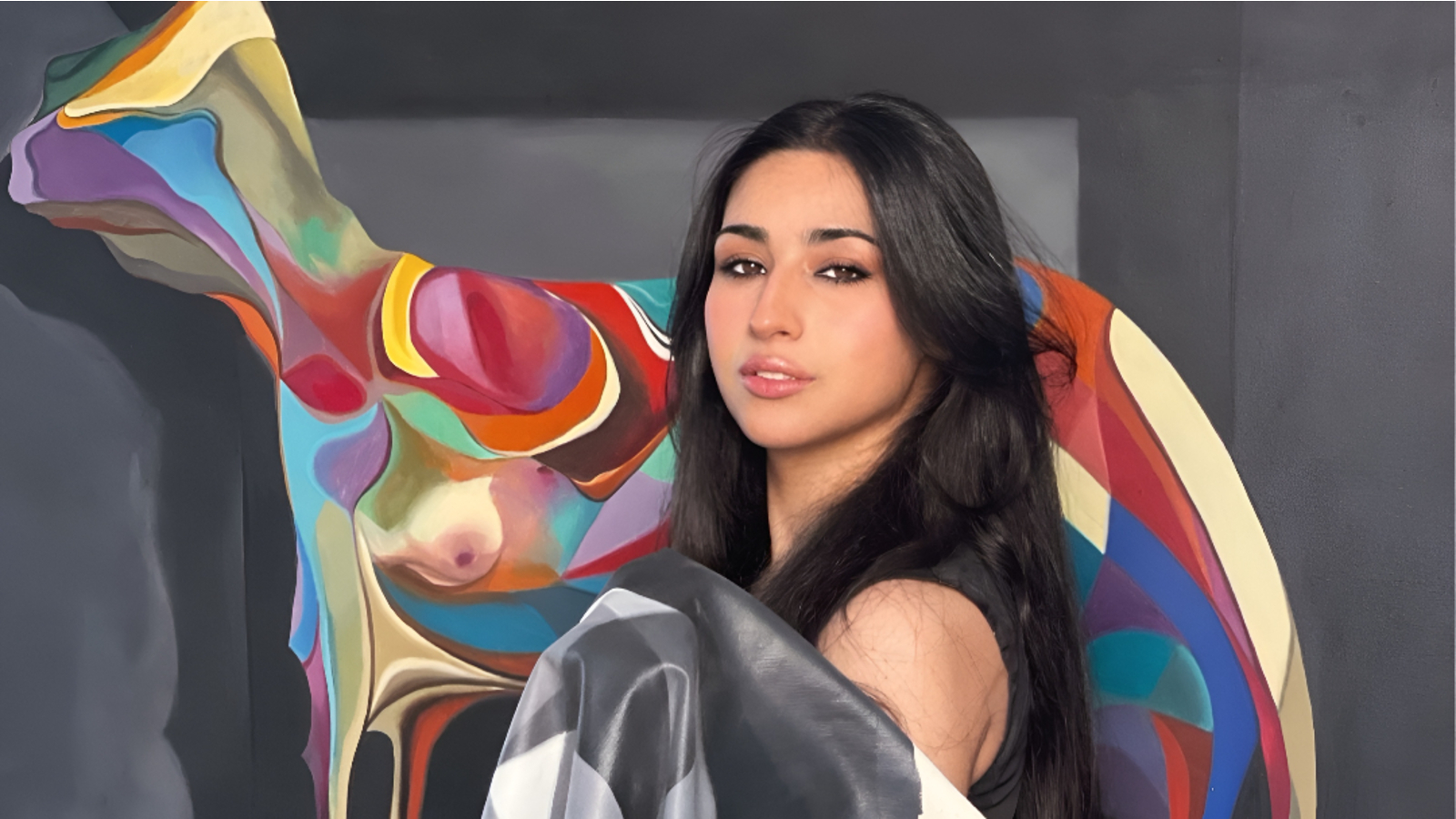
The Capitalyst: Your work often privileges internal states over external events. How do you recognise when an emotion or sensation is ready to become an image, rather than remaining unresolved or private?
Tabarak Mansour: Art is part of how I look after my mental health. When anxiety or pain builds up and starts to feel physically heavy, it often surfaces as a stubborn image, a colour, a shape that keeps returning. That repetition is usually my first sign that the feeling has moved out of chaos and into something I can hold. I let it settle for a little while, then I come to the paper to see what it wants to become. Painting is a quiet confrontation for me, and it’s also a kind of care. I bring light to what hurts so I can name it and understand it. In medicine they say diagnosis is already half the treatment, and I find something similar happens inside the work. When the image can carry that weight without swallowing me, I know it’s ready to become a painting.
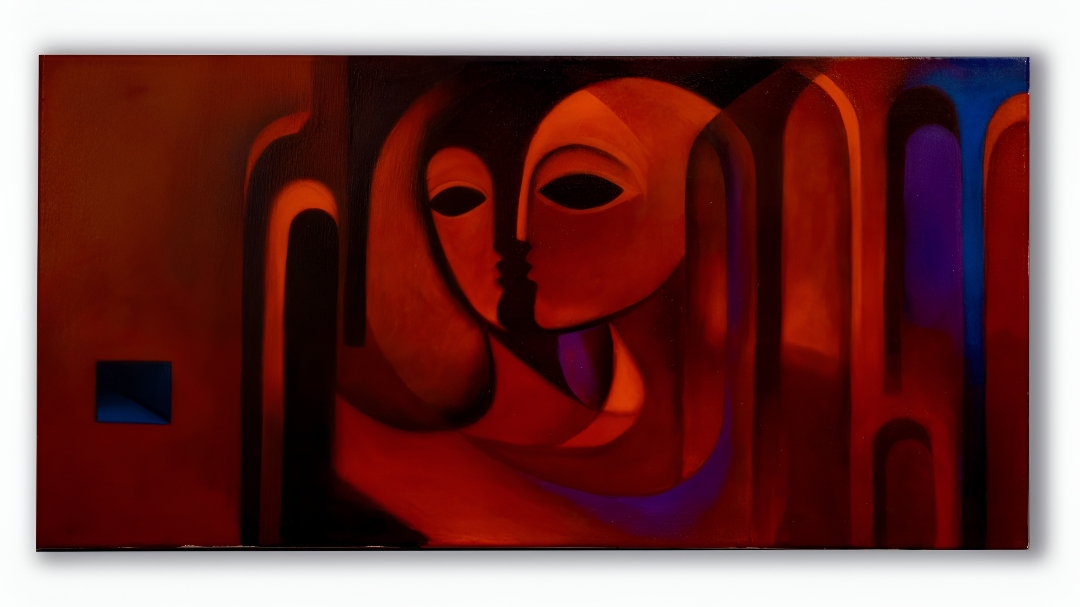
The Capitalyst: Rather than depicting specific places, your paintings construct atmospheres that feel suspended and timeless. How do you think about setting when geography is present emotionally but absent visually?
Tabarak Mansour: In my work, setting is less a point on a map and more an inner climate. At times I treat the body as a place in its own right, a space that keeps its own memory and a certain hidden weight. I often paint women who carry place inside them, as if something unseen is resting on their shoulders. When I paint figures sleeping in boxes, or drifting in open space, I’m not chasing geography. I’m chasing the feeling of containment, or the ache of isolation. A box can read as a room, a homeland, a body, even an idea. Open space can feel like freedom, or like being unmoored. I keep recognisable landmarks out of the frame because I want atmosphere, light, and emptiness to do the naming. Without a fixed address, the image becomes easier for others to inhabit, each viewer finding their own place inside it. For me, the real question isn’t where something happens. It’s where it is felt.
The Capitalyst: Objects in your work appear as presences rather than props. What determines when an object carries enough psychological weight to enter a composition?
Tabarak Mansour: I paint what I feel, and what moves through my mind finds its way onto canvas and paper. Sometimes I paint only a chair, and still you may feel something when you look at it. An object enters the painting when it carries a real feeling and changes the emotional atmosphere of the work. What makes that possible, for me, is that I paint with honesty.
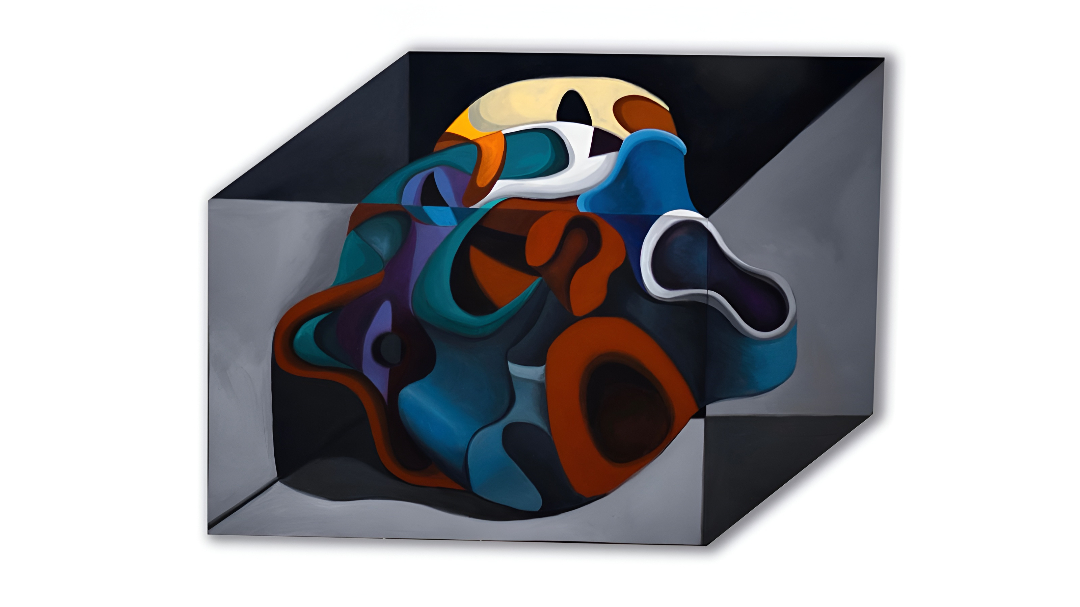
The Capitalyst: There is a recurring tension between exposure and protection in your figures. How do you choreograph vulnerability so that it remains controlled rather than consumable?
Tabarak Mansour: This is a very perceptive question, and I feel it reads my work accurately. People often say that artists paint figures who resemble them in some way, and I find that true in my work as well. Even in sadness, I tend to hold a certain balance, and in pain or vulnerability there is always something I show and something I keep. That is why I try to let my figures remain protected by their own boundaries. I present them with real feeling, without display or exaggeration, through posture, space, and through what is revealed in the composition and what stays outside it. What matters to me is that the viewer feels human closeness and a measure of respect at the same time, so vulnerability is seen as an inner truth, not as something to consume.
The Capitalyst: Silence feels structurally important in your compositions. How do you build quietness into an image without allowing it to become passive or empty?
Tabarak Mansour: Quietness in my work is not emptiness. It comes from how I organise space and leave room to breathe around the body or the element at the centre of the composition. What keeps the image from becoming passive is the presence of that figure itself, in its posture or in its gaze, where tension begins to appear. I like the surface to feel calm and balanced, even when the work is dense, and keeping that same rhythm is part of the challenge for me. The rhythm between colours and elements can feel intuitive, but it is also carefully considered. The stillness is intentional and built into the composition.
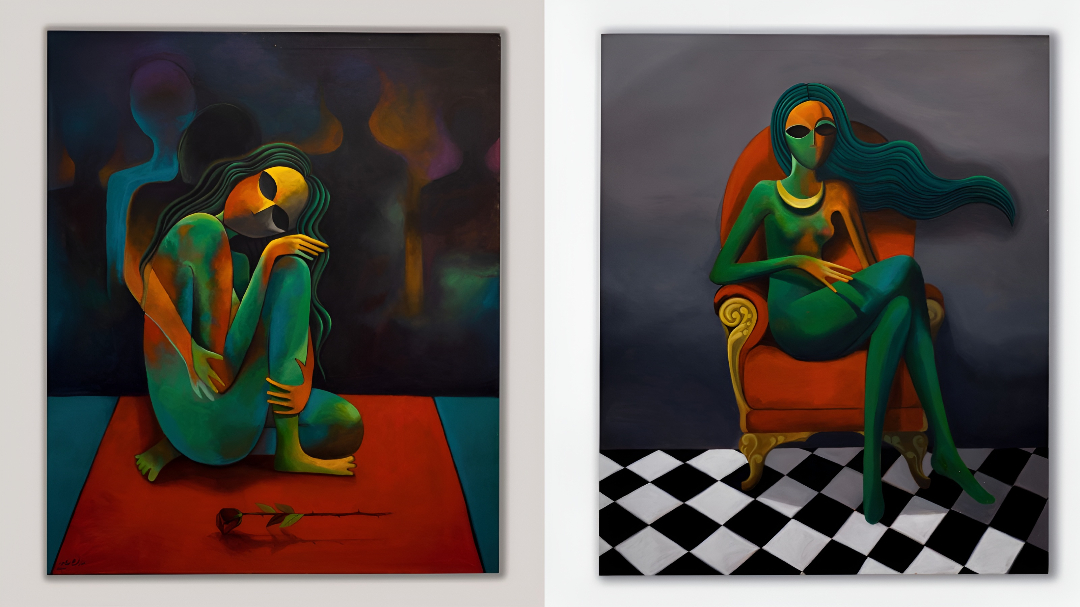
The Capitalyst: Your practice resists narrative closure. How do you think about leaving a work unresolved, and what role do you believe the viewer plays in completing meaning?
Tabarak Mansour: I’m not looking for a fully resolved narrative ending in a painting, because I paint states of being more than events. I leave the work open so meaning can keep breathing and remain open to interpretation. Part of that meaning is formed within the painting itself, and the rest is completed by the viewer through their own memory and feeling.
The Capitalyst: As Middle Eastern art gains global visibility, it is often framed through broad or simplified narratives. From your perspective, what kinds of artistic language remain underrepresented in conversations around Iraqi and regional art today?
Tabarak Mansour: I believe much of the international reading of Iraqi art still rushes toward political meaning and postpones sustained looking at the work itself. In that move, complex works are reduced to broad headlines, while the artistic language recedes, space, rhythm, material, the body, and private memory. What we need more urgently is specialised criticism, serious archiving, and writing that knows how to read an image from within. When that happens, Iraqi art emerges as a complete visual thought, not as a footnote to the news.
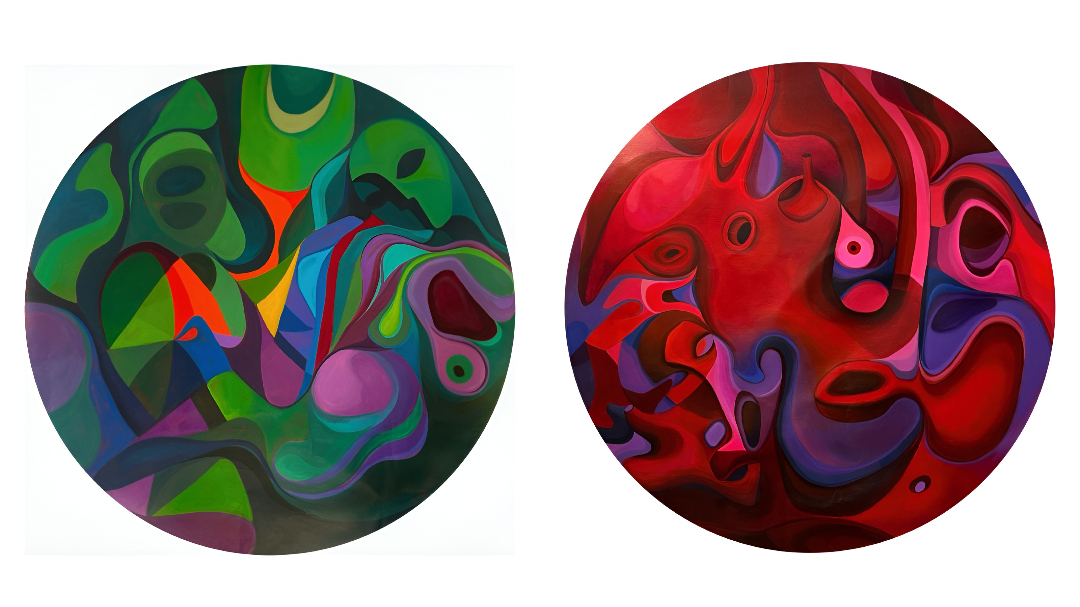
The Capitalyst: Looking ahead, are there formal or conceptual risks you feel compelled to take that might challenge the restraint and inward focus that currently define your work?
Tabarak Mansour: Yes, I do feel a strong pull toward taking new formal and conceptual risks in the next phase of my work, especially through colour and atmosphere, as well as scale and denser compositions. I am currently working on a new body of work that feels richer in its visual climate and structure, and it moves closer to dreams, and to the relationship between our mental state, the quality of our sleep, and what appears to us in dreams. What draws me in this direction is the chance to test the limits of my current language and push it into more challenging territory, while keeping the inner core I have always worked for.