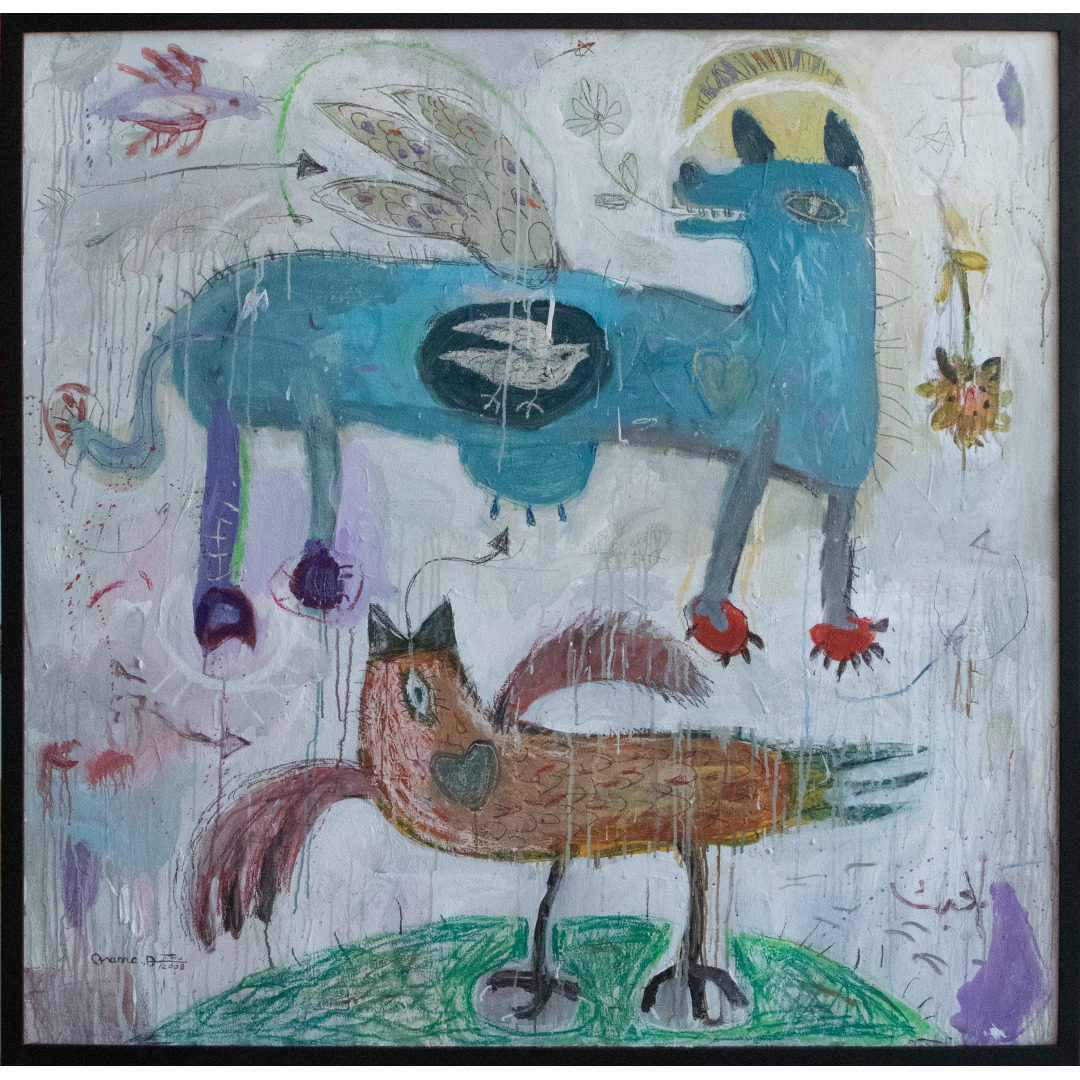
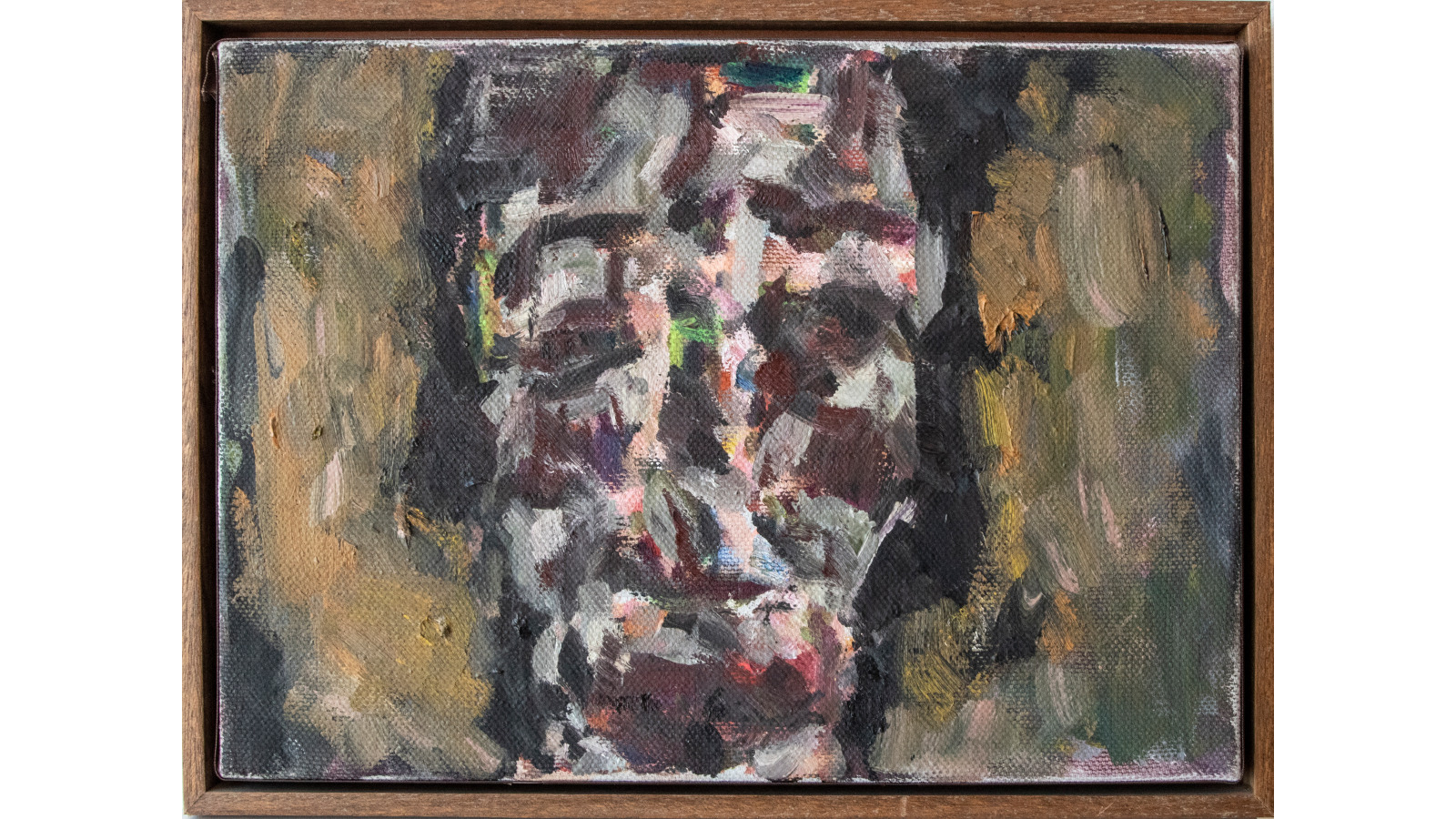
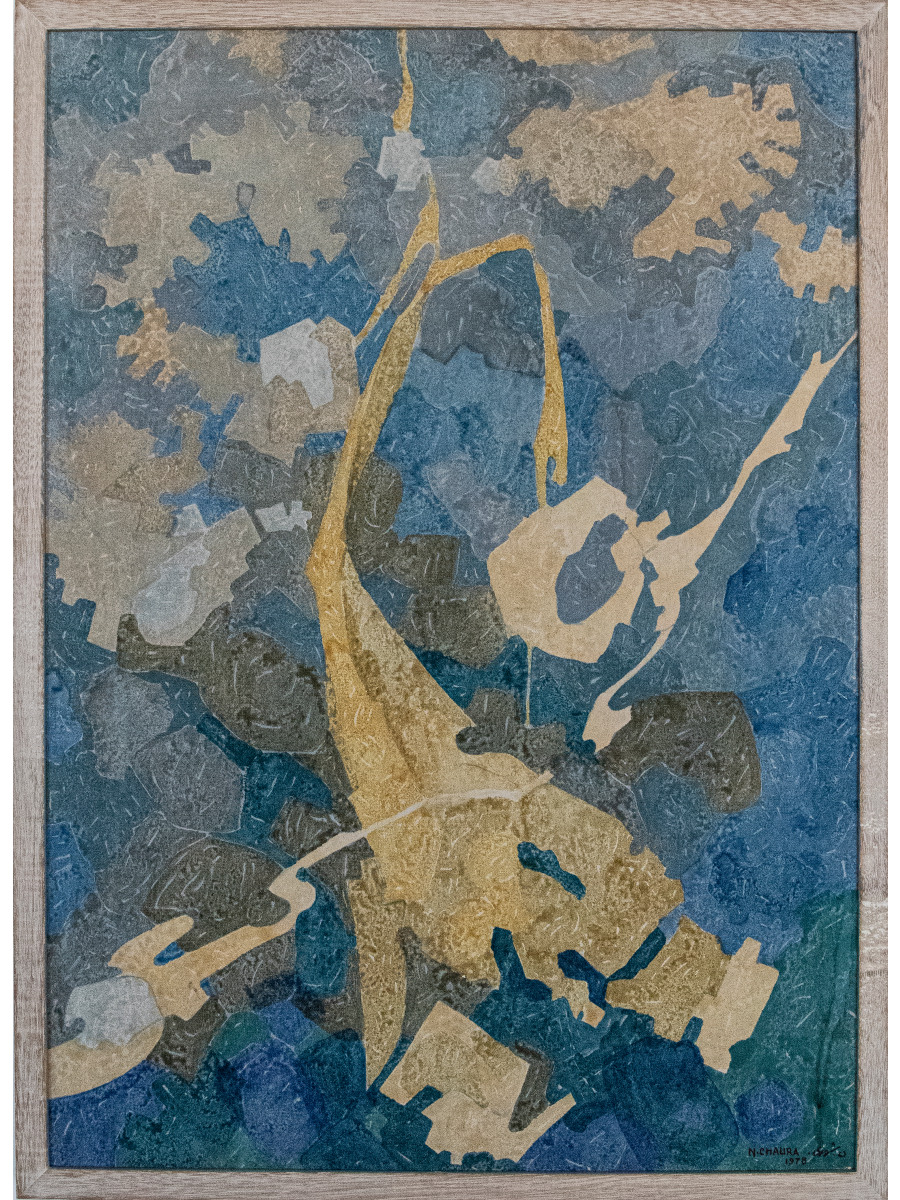
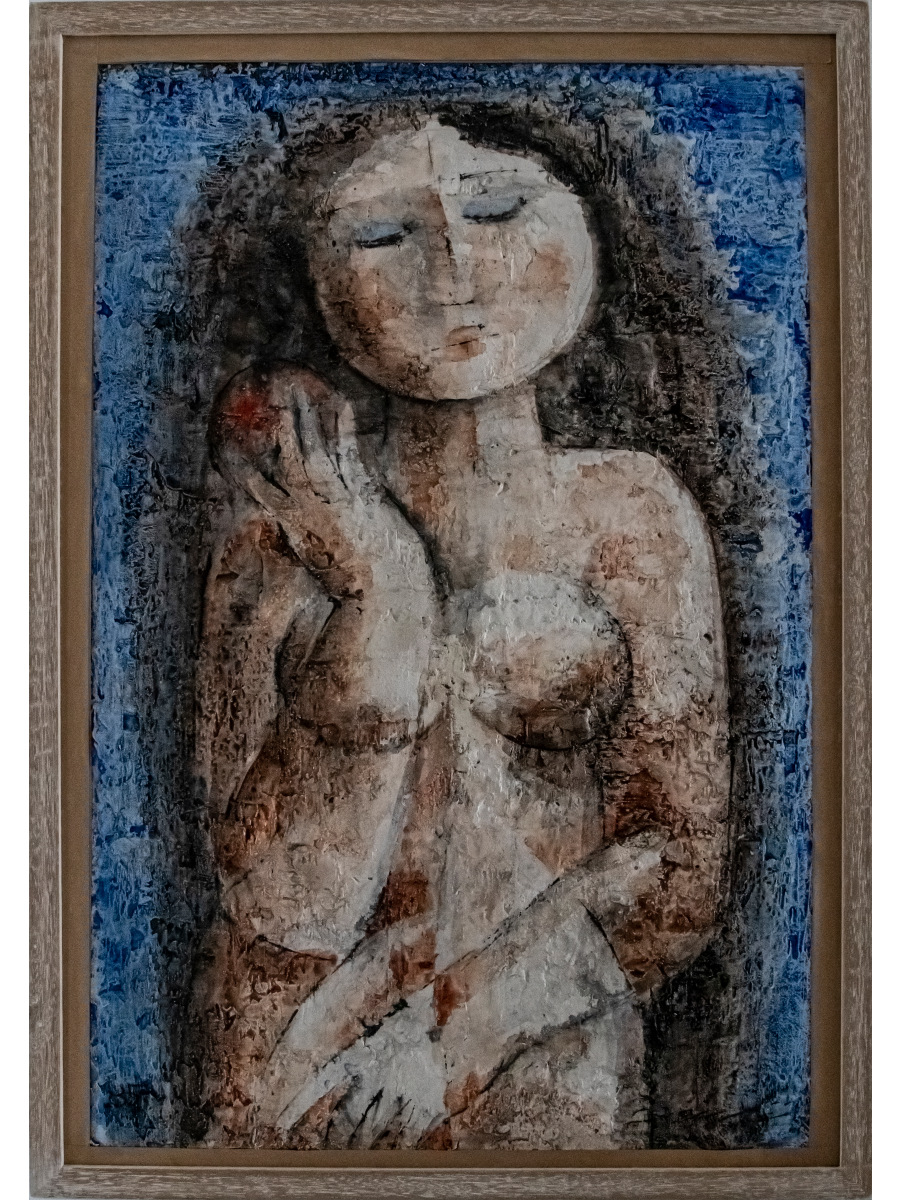
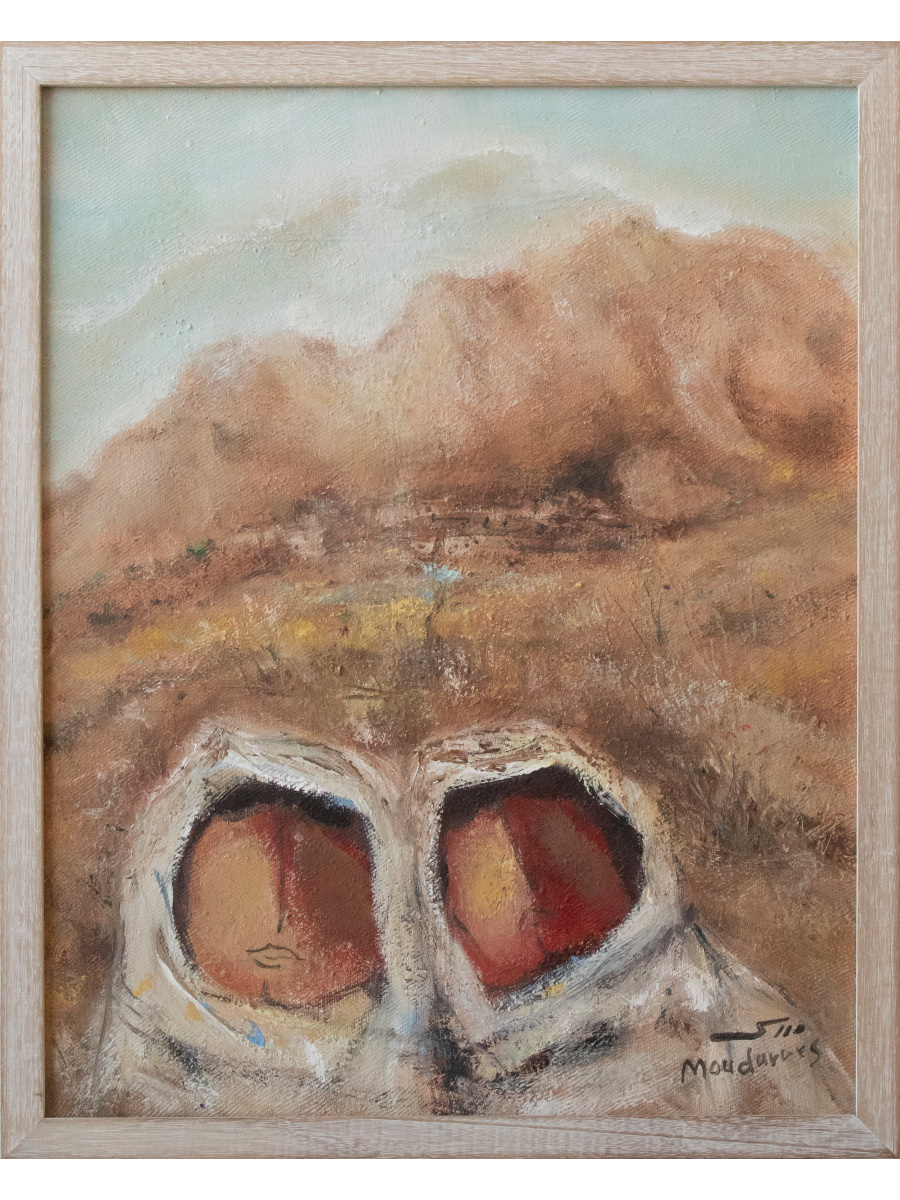
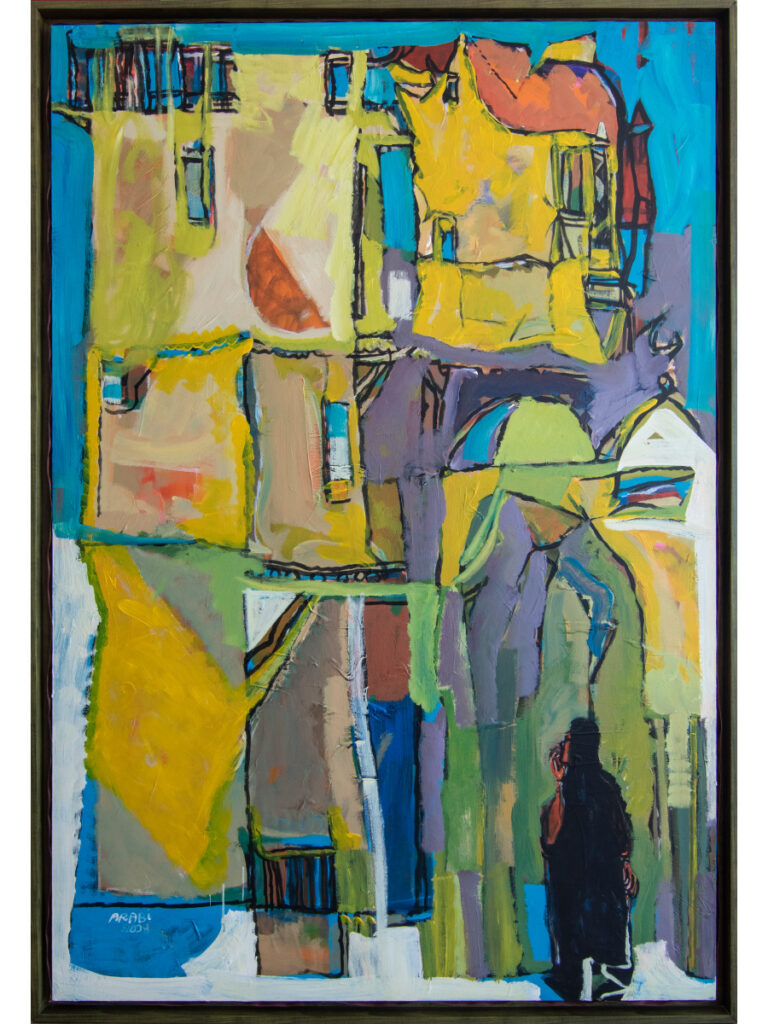
The Capitalyst: You bought your first artwork in Damascus in1994 – from your very first salary, choosing a painting by Fateh Moudarres over a bag or jewellery. Most 20-somethings don’t make that call. Where did that instinct come from, and did you know in that moment that it was going to define a whole chapter of your life?
Zina Khair: It didn’t feel like a bold or unusual choice at the time. It felt natural. I grew up in a home where art wasn’t something you learned about, it was something you lived with. So when I had my first salary, buying a painting by Fateh Moudarres didn’t feel like choosing art over something else. It felt like continuing something that was already part of me. I didn’t know it would define a whole chapter of my life. But looking back, I think it already had.
The Capitalyst: You grew up with walls literally covered in Moudarres’s work – your parents had befriended him personally and collected his canvases for years. When art is that ambient in a home, how do you develop your own eye rather than simply inheriting someone else’s taste?
Zina Khair: When art surrounds you so completely, the challenge isn’t inheriting taste — it’s learning how to listen to your own response within it. What I inherited was sensitivity, not direction. Over time, you begin to understand which works stay with you, which ones shift something internally. That’s where your own eye begins. Although my parents were deeply focused on Fateh, and my first acquisition was also one of his works, I very quickly realized that my curiosity extended beyond that. The Syrian art scene was incredibly rich at the time, and it naturally led me to explore other artists, other voices. So my eye expanded. I moved, I discovered, I responded. At the same time, one thing remained constant: the conscious decision to stay within Syrian art — not out of limitation, but out of conviction. There was, and still is, more depth, urgency, and brilliance than I could ever fully absorb. Preferences shift with time — and that is part of the beauty of it. What stays intact is the way you relate to the work. The emotional honesty of that connection. That, for me, is what truly defines an eye.
The Capitalyst: You started your career in TV production alongside your father, then ran the Adonia Awards for Syrian Drama, then co-founded an NGO for the blind and visually impaired – and now fashion and art collecting. Most people pick a lane. What’s the thread that actually connects all of it for you?
Zina Khair: It may seem like different paths, but for me, they’ve always been connected. I don’t really believe in predefined lanes or in the idea that one should follow a single, fixed direction. I believe more in life itself — in where it takes you, how you respond to it, and how your priorities evolve over time. I started in television alongside my father. It was a family environment, but it was also something I became genuinely passionate about. Running the Adonia Awards was a natural continuation of that. At the time, the Syrian drama industry was one of the most important in the region, and it deserved recognition and a platform that reflected its impact.
The NGO came from a different place, but not a separate one. Philanthropy was always part of our lives growing up in Syria — it’s something many of us are raised with. I simply found a way to engage with it more consciously, more structurally, and in a way where I felt I could truly contribute. Fashion came later, in Dubai. But Le Marais 101 was never about trends. It was about perspective — about encouraging people to express themselves through what they already own, to stand out without constantly consuming more. It’s about individuality, intention, and a more thoughtful way of engaging with fashion. And art collecting was never a decision or a phase. It has always been part of my being. So while it may look like different directions, the thread has always been the same: creating meaning, holding space for it, and allowing people to connect — to themselves, to culture, to each other. Most people pick a lane .But I’ve never believed that what most people do is necessarily what one should do.
The Capitalyst: You co-founded an NGO to support the blind and visually impaired in Syria in 2005 – people for whom visual art, the thing youlove most, is conventionally inaccessible. What did that work teach you about what art actually does beyond what it looks like?
Zina Khair: It didn’t introduce something completely unfamiliar — in a way, it gave clarity to something I had already experienced without fully naming. I had grown up living with art as something beyond the visual. The works around us carried conversations, emotions, memories — they were part of our daily life, not just something we looked at. Working with the blind and visually impaired made me more aware of that. Many of them experience art in ways that are just as rich — through touch, through description, through memory, through imagination. Some are artists themselves, engaging with form and expression in deeply intuitive ways. What that experience did was make it explicit. It made me consciously understand that art exists just as much in how it is felt, remembered, and imagined as in how it is seen.
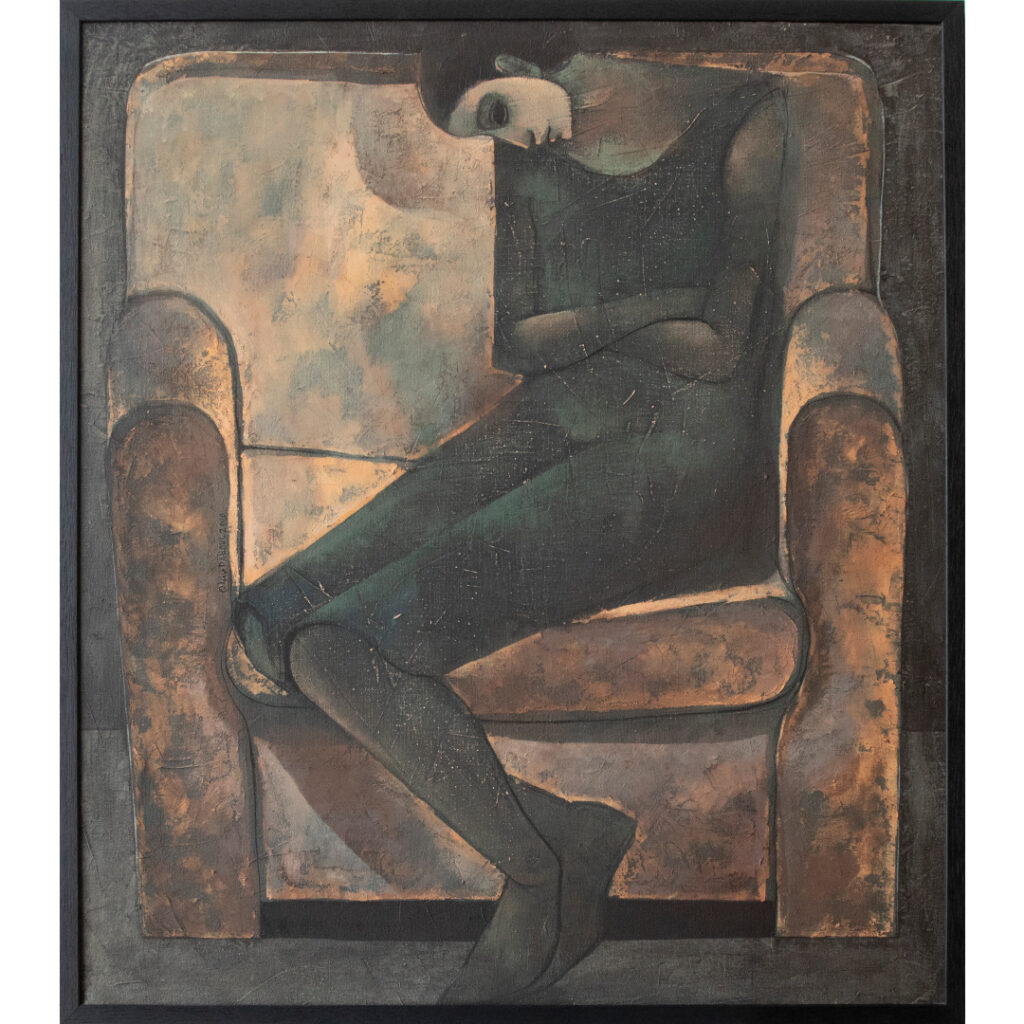
The Capitalyst: When you left Syria in 2012, you took almost nothing – except photo albums and your art. Most people would have grabbed documents or practical things first. What does it tell you about yourself that those were what you reached for?
Zina Khair: It tells me that, for me, meaning comes before practicality. In that moment, I wasn’t thinking about what was useful. I was thinking about what could not be replaced. After family photo albums, the art was the first thing that came to mind. Those works carried memory, identity, continuity. They held a life that was suddenly being interrupted. I think, instinctively, I was trying to hold on to that.
The Capitalyst: You spent two and a half years in a furnished apartment in Dubai refusing to hang a single painting on the wall. The day youfinally did was the day it became home. What made you ready, and what was the first piece you put up?
Zina Khair: Hanging art makes a space yours — it turns it from temporary into something personal. And for a long time, I resisted that, because it meant accepting a new home, something I wasn’t ready for. But Dubai has a way… it slowly finds its place in you. Until one day, without realizing it, it has already settled into your life. The day I finally hung my art, something shifted. It grounded me. The space stopped feeling like somewhere I was staying, and started feeling like somewhere I belonged. If you see my walls, you’ll understand that I don’t experience the works individually. They come together almost like a quiet conversation unfolding across the wall. Not in the way things are often spaced and isolated now, but as a whole , each piece in dialogue with the others. I don’t prefer one over another. They complete each other .And together, they form something larger — something that feels whole, much like the way I relate to them.
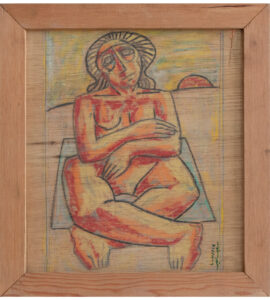
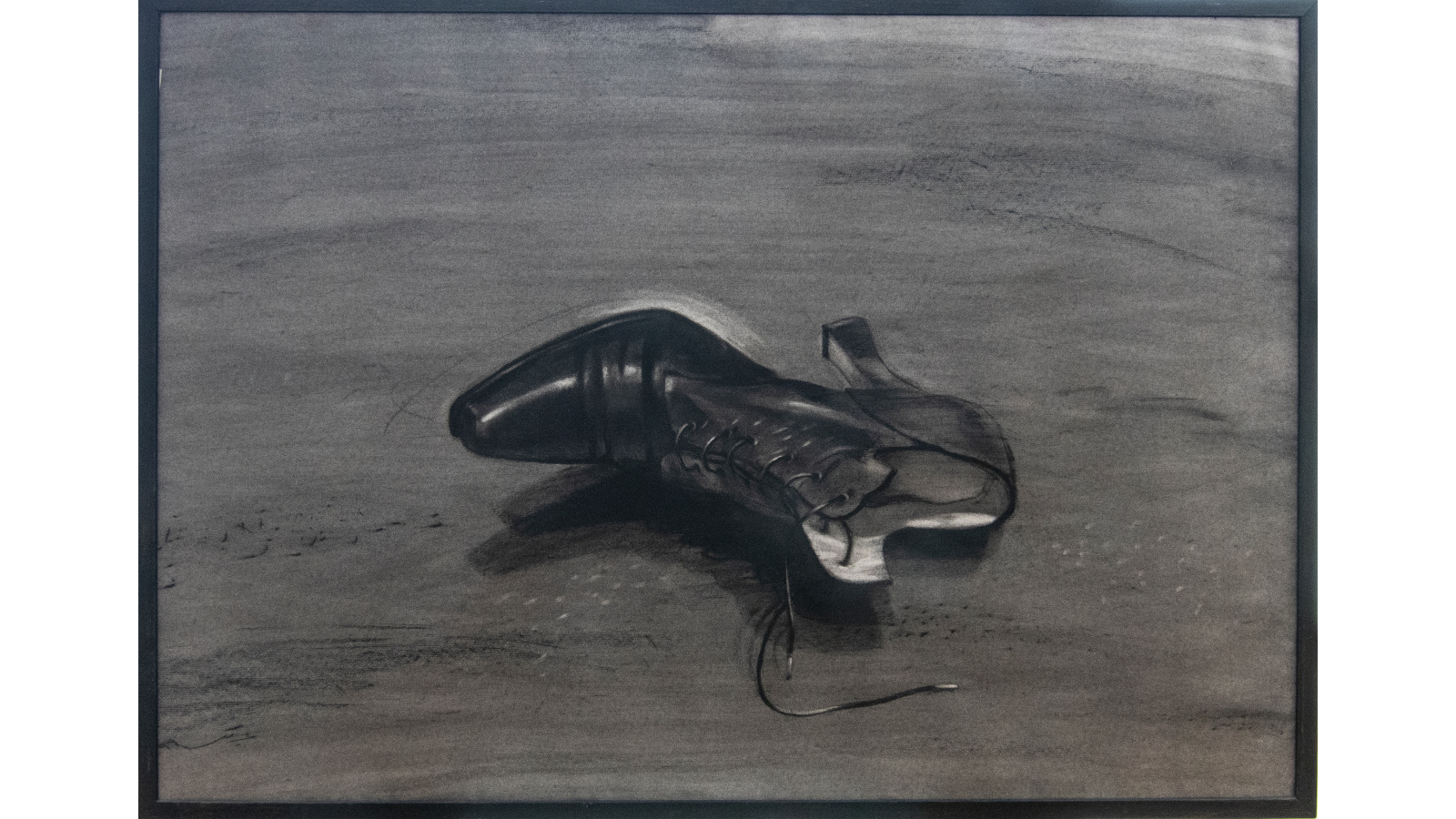
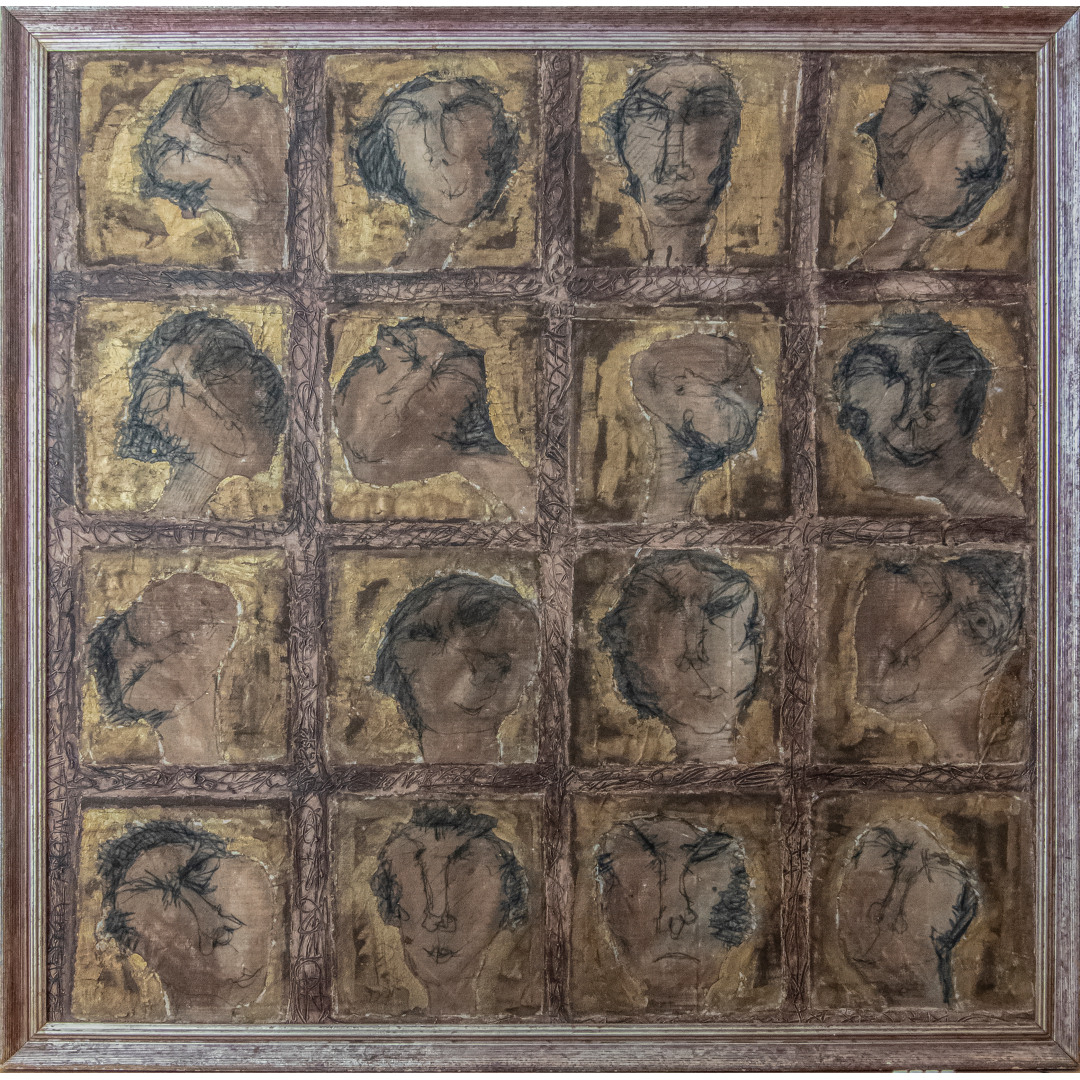
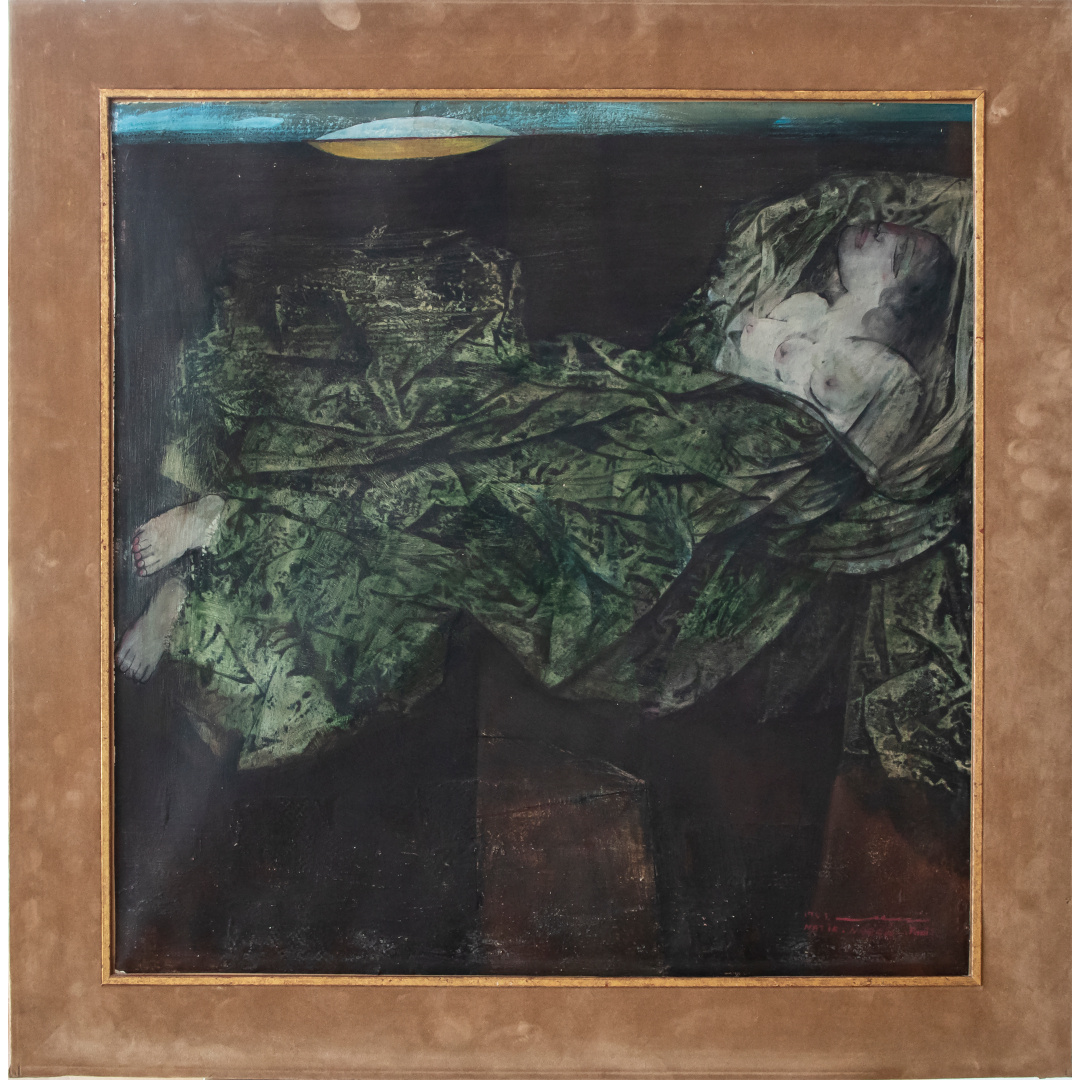
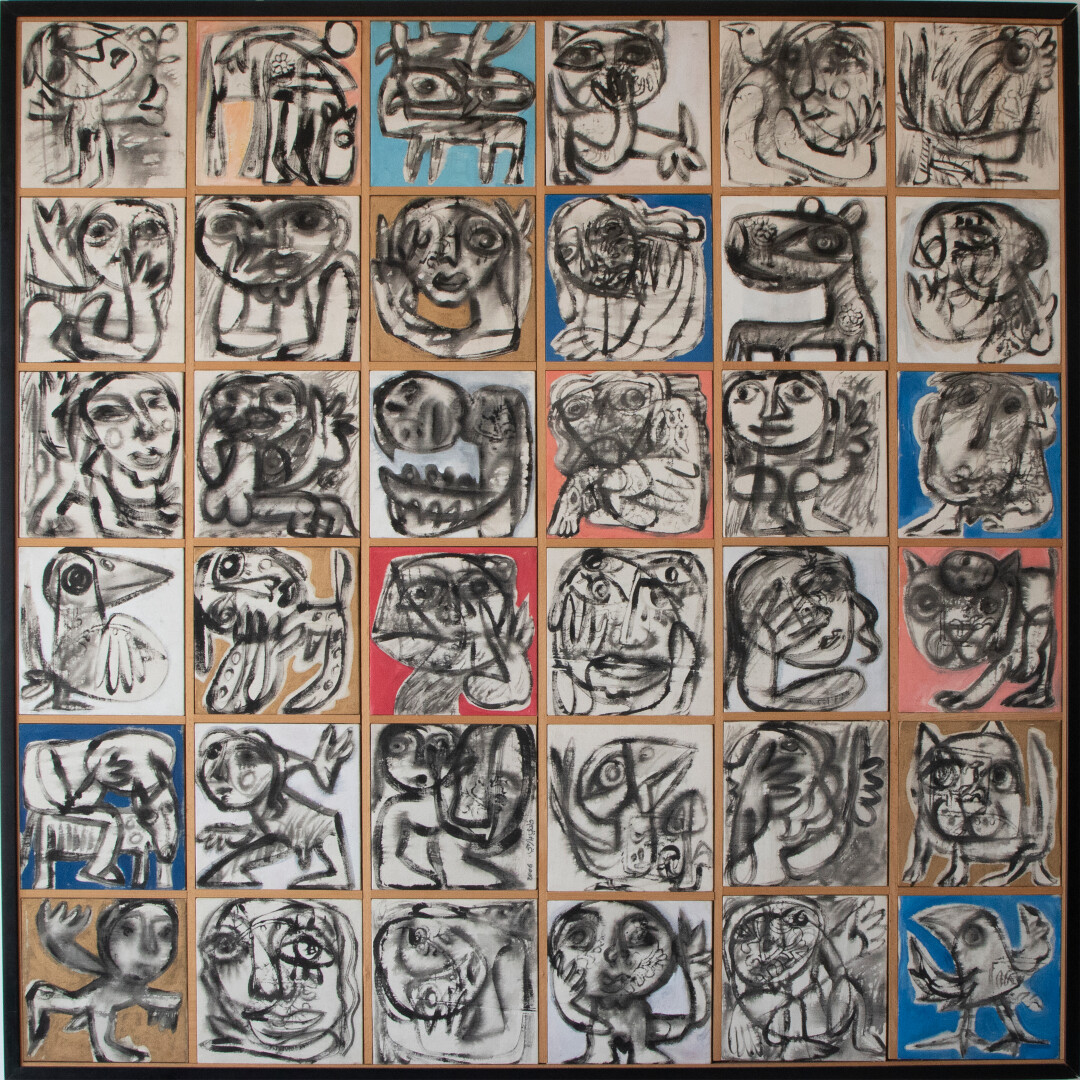
The Capitalyst: Your father’s collection of 83 Moudarres works was exhibited alongside Christie’s at Ayyam Gallery in 2018, and then shown at the International Council at MoMA in 2019. That’s a significant institutional moment for Syrian art. Do you feel those rooms truly understood what they were looking at – or was something lost in translation?
Zina Khair: Those moments were important — they created visibility and allowed the Khair Art Collection to enter conversations it hadn’t fully been part of before. But for me, it’s less about institutions and more about people. Even within those spaces, what matters is the individual — their sensitivity, their openness, their ability to connect. And in that sense, I do believe the work was understood and felt. At the same time, there is always a layer that cannot fully translate — the lived intimacy, the relationships, the life the works were part of in our home. But I don’t see that as something lost. It’s perfectly natural — and even beautiful — that each person connects to the work in their own way. Some will feel it deeply, others differently. That variation in perception is part of the richness of art.
The Capitalyst: Le Marais 101 is built on the idea that the most interesting thing about a piece is what you do with what you already own —not what you buy next. In an industry wired for newness, how hard was it to get people to genuinely believe in that proposition rather than just admire it from a distance?
Zina Khair: Both the collection and Le Marais 101 have always required patience, but more importantly, they’ve required the ability to move, to evolve, and not become fixed. I don’t believe in staying attached to one direction for too long. Things change, contexts shift, and I think it’s important to move with that rather than resist it. With the Khair Collection, the next step is something we’ve been working toward for a long time — we will finally be launching the website, and ideally presenting the majority of the collection. This is something that has never been done before. As for Le Marais 101, while we’re present within what’s happening now — like the current moment around bag charms — we’re already moving toward something else. A different direction that feels more aligned with where we want to go, we are very excited and will be sharing very soon. So if there is something I’m ready to be more “reckless” about, is allowing things to evolve, and sharing them as they move, rather than waiting for them to feel fully complete.