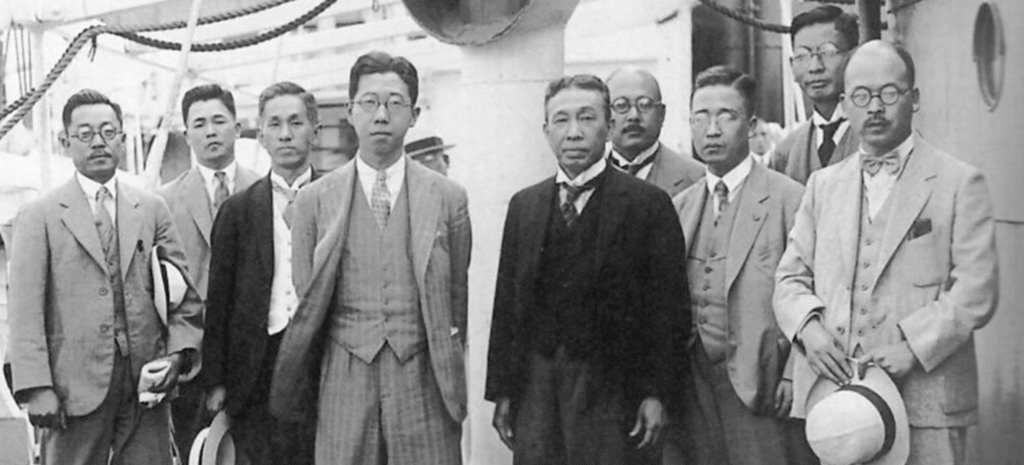
Shinjiro Torii, founder of Suntory, pioneered Japanese whisky by blending Western techniques with Japanese craftsmanship. In 1899, he opened Torii Shoten, introducing Western liquors to Japan. His creation of Akadama Port Wine and establishment of the Yamazaki Distillery in 1923 marked historic milestones. Torii’s vision of crafting spirits tailored to the Japanese palate redefined whisky culture. His legacy endures in Suntory’s global success and the iconic Kakubin whisky, symbolizing a century of innovation rooted in Japanese nature and spirit.
Introduction
In the world of whisky, where Scotland and Ireland have long held primacy, a groundbreaking Japanese brand rose to global acclaim thanks to the vision and expertise of one man—Shinjiro Torii. Founder of Suntory, Torii transformed a small wine and spirit shop in Osaka into a global powerhouse that redefined whisky craftsmanship and opened doors for Japanese whisky on the international stage. This article explores Torii’s life, his mastery of blending tradition with innovation, and how Suntory shaped the global alcohol industry with a uniquely Japanese spirit.
Early Life and Foundations of a Dream
Shinjiro Torii was born in 1879 in Osaka, Japan, a time when Western culture and industry were gradually integrating with Japan’s own rich heritage. Initially working in the distribution of imported wines and spirits, Torii recognized the potential for a distinctly Japanese whisky that could suit the local palate, which favored smoother, subtler flavors compared to the heavily peated Scotch whiskies.
In 1899, Torii opened a store called “Torii Shoten,” specializing in imported wines and liqueurs. However, his ambition stretched well beyond retailing. He dreamed of producing a quality whisky that would resonate with Japanese consumers and compete with European brands internationally. His vision was ambitious—a Japanese whisky with personality, crafted with care but embracing both tradition and adaptation.
Establishing the Yamazaki Distillery: Japan’s First Whisky Frontier
In 1923, after years of research and developing expertise, Torii established the Yamazaki Distillery on a mountain outside Kyoto. The location was chosen carefully for its climate and pure spring water—conditions optimal for whisky maturation. This venture marked Japan’s first dedicated whisky distillery and was the first step in realizing Torii’s dream to create a whisky that could honor Japanese tastes while retaining global appeal.
Torii’s approach was pioneering. He engaged Scottish masters in distillation techniques and combined their expertise with Japanese precision and craftsmanship. The aim was to blend the smoothness Japanese drinkers desired with the complexity expected of a true whisky. “We are not simply copying Scotland. We are crafting something uniquely Japanese,” Torii later said in company reflections.
Crafting Uniqueness: The Art and Science of Suntory Whisky
Torii’s genius lay in balancing innovation with respect for heritage. Suntory whisky differed from its European counterparts in subtle yet significant ways. The whiskies matured at varied elevations and climates within Japan, allowing for a diversity of flavors. The master blenders at Suntory crafted complex flavor profiles with floral and fruity notes, distinguishing them from more smoky or peaty Western whiskies.
Torii emphasized quality at every stage—selecting the finest barley and yeast strains, controlling fermentation with precision, and aging the whisky patiently in native Japanese oak barrel varieties such as Mizunara. These practices reflected a deeper Japanese philosophy: a blend of nature’s bounty, artisanal care, and technological rigor that resonated globally as a fresh take in a crowded market.
Breaking Global Ground: Suntory’s International Rise
Though Suntory’s products were initially crafted for domestic consumers, Torii had global ambitions. After decades of steady growth and refinement, Suntory’s whiskies reached international markets and began winning acclaim in competitions during the late 20th century. The company’s pivotal moment came with Yamazaki’s recognition as one of the best single malts in the world, a testament to the painstaking craftsmanship initiated by Torii.
This breakthrough prompted whisky drinkers worldwide to re-examine assumptions about quality and origin. Suntory’s ascent challenged the dominance of Scotch and Irish whiskies, positioning Japanese whisky as a serious global contender. Today, Suntory’s brands—including Hakushu, Hibiki, and Yamazaki—are celebrated for their balanced complexity and harmonious flavors.
Shaping the Global Alcohol Industry
Torii’s leadership helped redefine the global whisky landscape in several profound ways:
- Innovation in Craftsmanship: By marrying Scottish techniques with Japanese precision and innovation, Torii set new standards. Suntory’s Mizunara oak aging techniques have since influenced whisky makers worldwide.
- Expanding Market Preferences: Suntory’s success diversified consumer expectations; whisky lovers discovered a softer, more nuanced profile that contrasted the bold peatiness traditionally associated with whisky.
- Globalizing Japanese Culture: Suntory was a key ambassador for Japanese craftsmanship, blending cultural pride with international business savvy—a template followed in other sectors.
- Sustainability and Quality: Suntory pioneered sustainable brewing processes and long maturation periods, emphasizing quality over volume in an era of mass production.
Industry leaders have often credited Torii’s vision for opening a new chapter in the whisky world. As Jim Murray, a renowned whisky critic, put it: “Without Torii-san’s passion and determination, Japanese whisky wouldn’t have the global acclaim it enjoys today.”
The Legacy of Shinjiro Torii
Shinjiro Torii passed away in 1962, but his legacy endures through Suntory’s continued commitment to excellence and innovation. The company remains family-controlled, with leadership emphasizing values Torii championed: elegance, quality, reverence for nature, and harmony.
Torii’s life and work underscore a timeless leadership lesson: combining deep respect for tradition with openness to experimentation creates enduring success. Suntory’s story—from a small shop in Osaka to a global icon—embodies the power of vision, patience, and cross-cultural collaboration.
Conclusion
Shinjiro Torii’s journey is more than the story of a man and a brand; it is the history of how Japanese whisky carved its place in a world dominated by established giants. His foresight and mastery shaped not only fine spirits but also expanded the palate of whisky lovers worldwide, introducing elegance, innovation, and cultural exchange. Suntory today stands as a living testament to Torii’s dream—a symbol of global artistry, craftsmanship, and the transcendent spirit of innovation.