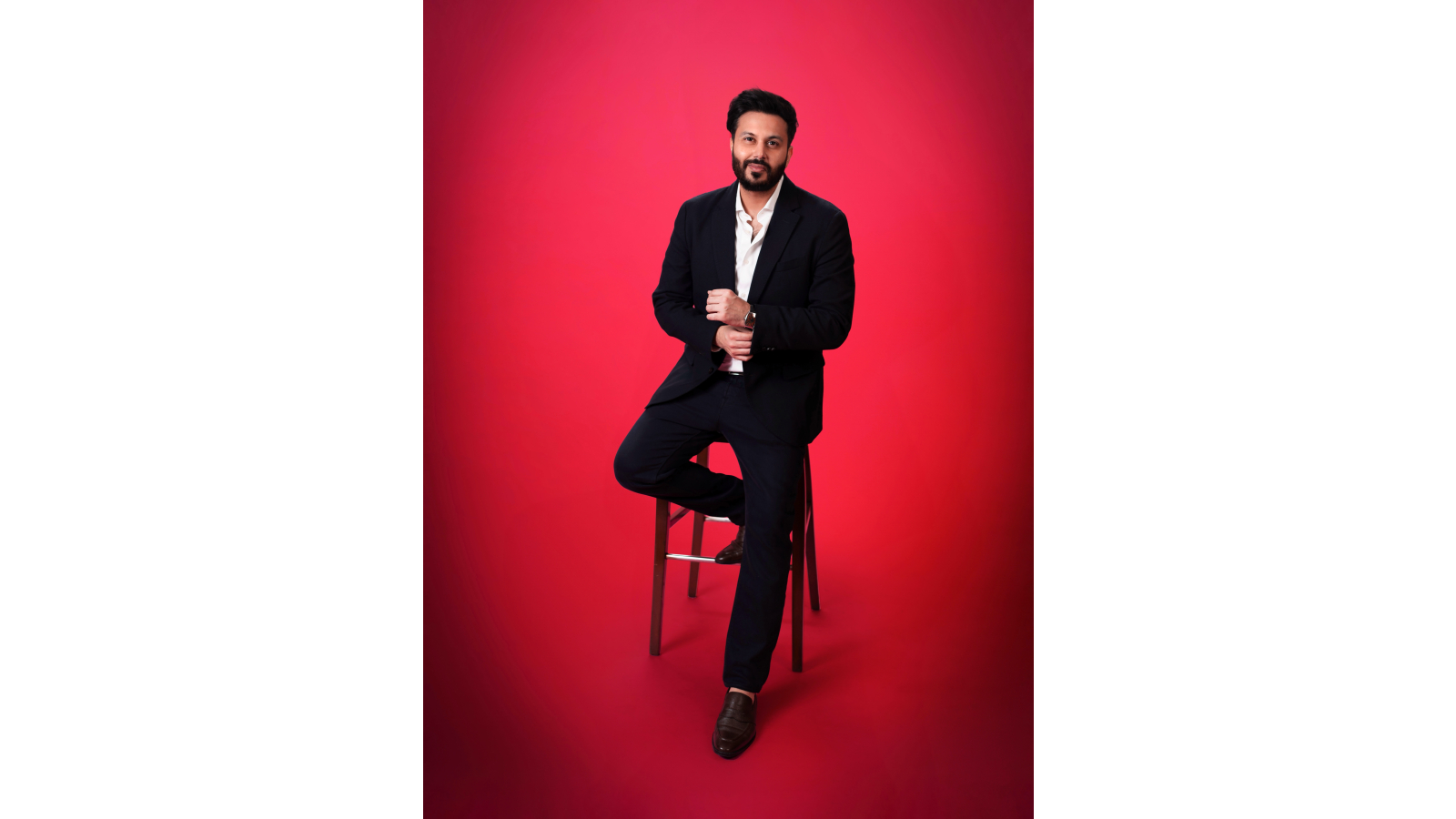
The Capitalyst: You two met at The Manor in New Delhi and worked side by side there for several years before Kot Kailash existed. Working for someone else’s hotel and building your own are very different things. When did the idea first come up between you, and who said it out loud first?
Pushkar: Kot Kailash was already built when I approached Sayed. I had always wanted to work with him, as he played a significant role in shaping my career. I asked if he would join me as a partner, he gladly agreed, and that is how our journey together began. We have been working ever since to build Kot Kailash into something greater, together.
Sayed: Pushkar joined my team at The Manor early in his career, and within months he was ahead of his peers. He read widely, noticed everything, and did things properly when no one was checking. Those were the years Indian Accent was born at The Manor, and both of us were part of the team that carried it. Years later, on a visit to Vriddh Jageshwar, we started talking about building something of our own, and never stopped. So when he asked me to join him, I didn’t need time to think. Pushkar runs the house and I bring in the guests; together, we run the business. I have led many teams, but this is my first time as a co-founder, and I am proud of what we are building.
The Capitalyst: Sayed, your career runs from the Taj and The Oberoi in Mumbai to General Manager at The Manor, and then somewhere you might not expect, corporate administration at Royal Enfield and private estate management in London. Those last two are a long way from running a hotel. What did you pick up in those years that you now lean on at Kot Kailash?
Sayed: I worked through most roles a hotel has, from concierge to General Manager at The Manor. Then I spent more than ten years on the other side, as Head of Global Travel, Administration and Estates, booking hotels instead of running them. That taught me that clients with choice don’t decide on price. They decide on trust: will this place get it right without being chased? After the pandemic, more travellers wanted exactly that: fewer rooms, privacy and a real sense of place. Every decision at Kot Kailash, from the first enquiry to the note after checkout, comes from those years as the client.
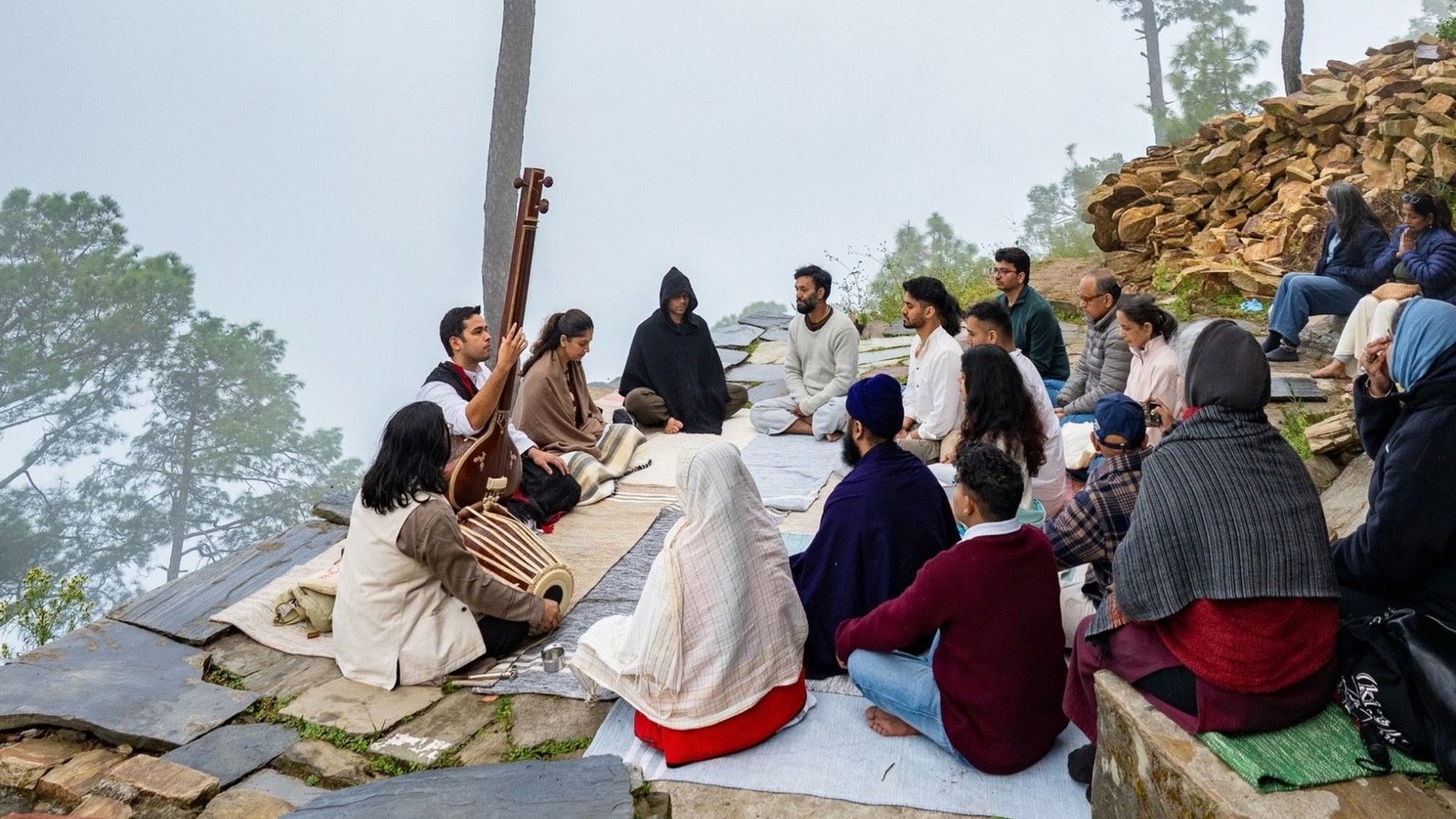
The Capitalyst: Pushkar, you were the founding General Manager of The Kumaon at Kasar Devi, so you’ve already helped launch a property for someone else. What feels different now that the walls, the risks and the mistakes are your own?
Pushkar: At The Kumaon, I was building someone else’s vision. It gave me the experience and the confidence to take the leap. Kot Kailash lets me put everything I have learnt into something truly my own. It is no longer only about building a hospitality business; it is about building something that reflects who I am and what I believe in. The Kumaon was where I learnt to build a property. Kot Kailash is where I get to build my own philosophy of hospitality.
The Capitalyst: You describe what you do as professionalised intimacy, which is a lovely phrase and also a slightly risky one, because the two words can pull against each other. Where have you caught professionalism getting in the way of the warmth, and what did you change?
Pushkar: I have realised that professionalism can sometimes make hospitality feel too rehearsed. At Kot Kailash, I don’t believe conversations need to be scripted. We have standards to uphold, but warmth cannot be standardised. I would rather have a genuine, slightly imperfect conversation than a perfectly delivered but impersonal one.
Sayed: Hotels taught us discipline. We kept that and dropped the lobby, the uniformed distance and the script. The harder lesson was that professionalism belongs behind the scenes. Early on, we lost bookings to late cancellations and had a large booking cancelled close to arrival. We honoured the refund, then fixed the business: firmer terms, proper systems, clear agreements with travel partners. It wasn’t glamorous, but our team never has to talk money or policy in front of a guest. The systems handle the business. The people look after the guests. That is professionalised intimacy.
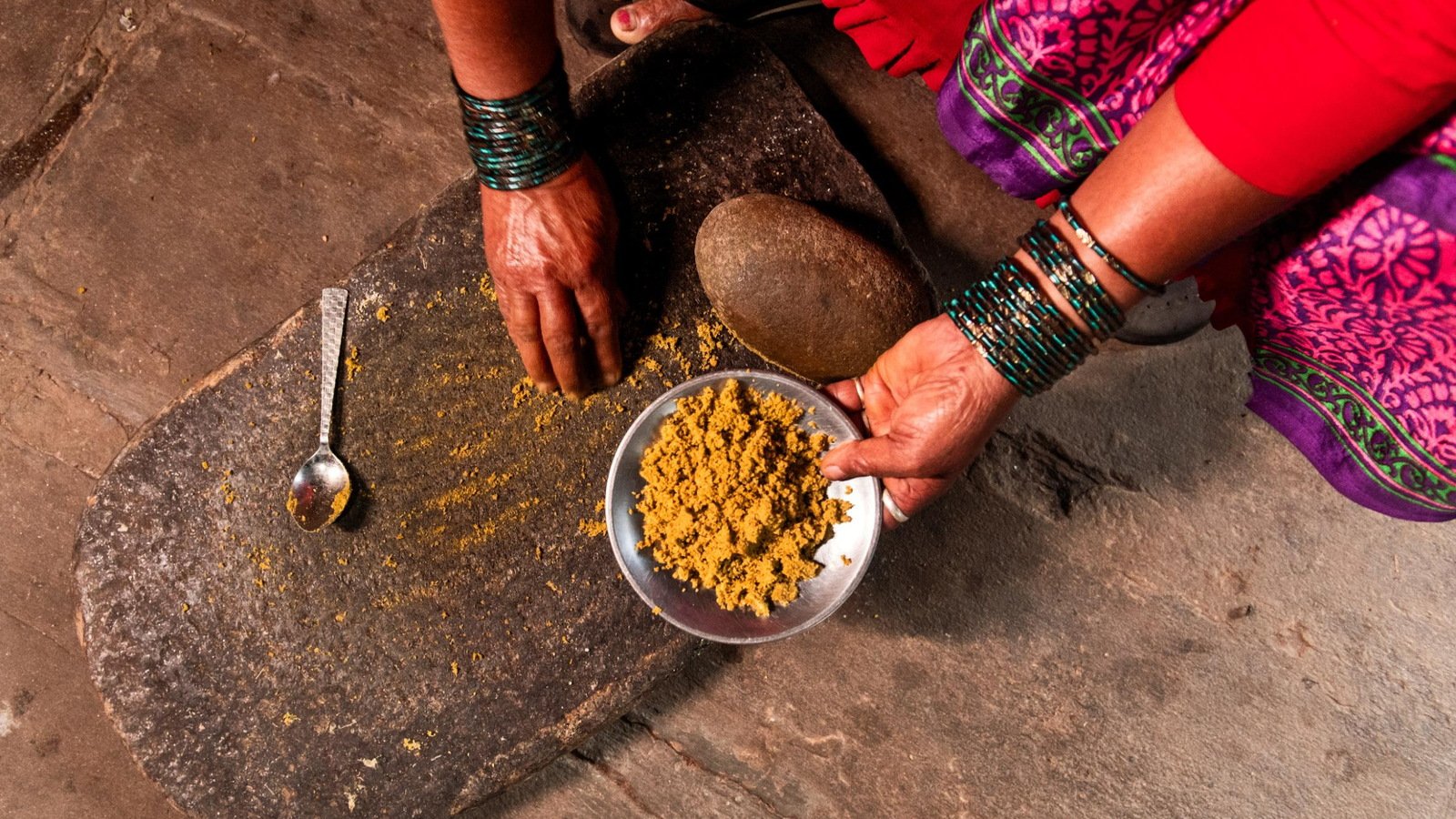
The Capitalyst: Experience based travel has become a very crowded idea in the Himalayas, with a lot of places claiming it. From where you sit, what separates a genuine experience from one that’s been staged for guests? Your small music and contemplative retreats, Burānsh and now Trishul, feel like your answer to that.
Pushkar: The difference lies in whether an experience exists naturally or has been created simply to entertain. At Kot Kailash, our experiences are rooted in the life, culture and landscape of Kumaon. We don’t manufacture experiences for guests; we invite them into what is already here. Authenticity comes from letting people connect with a place and its people, rather than putting on a performance for them.
Sayed: I agree with Pushkar. The industry now calls it “hushpitality”: fewer rooms, longer silences. We were working this way before it had a name. Kumaon Journeys is how we put it into practice. Burānsh opened the series in April, and Trishul followed in October, with five nights of Dhrupad and Nada Yoga with Cchitvan. We choose practitioners whose work belongs here, not programmes we could run anywhere. The next edition turns to Kumaoni life itself. But the retreats are only the visible part. Most of what guests remember is simpler: a lantern lit before dusk, an unhurried thali, no schedule at all.
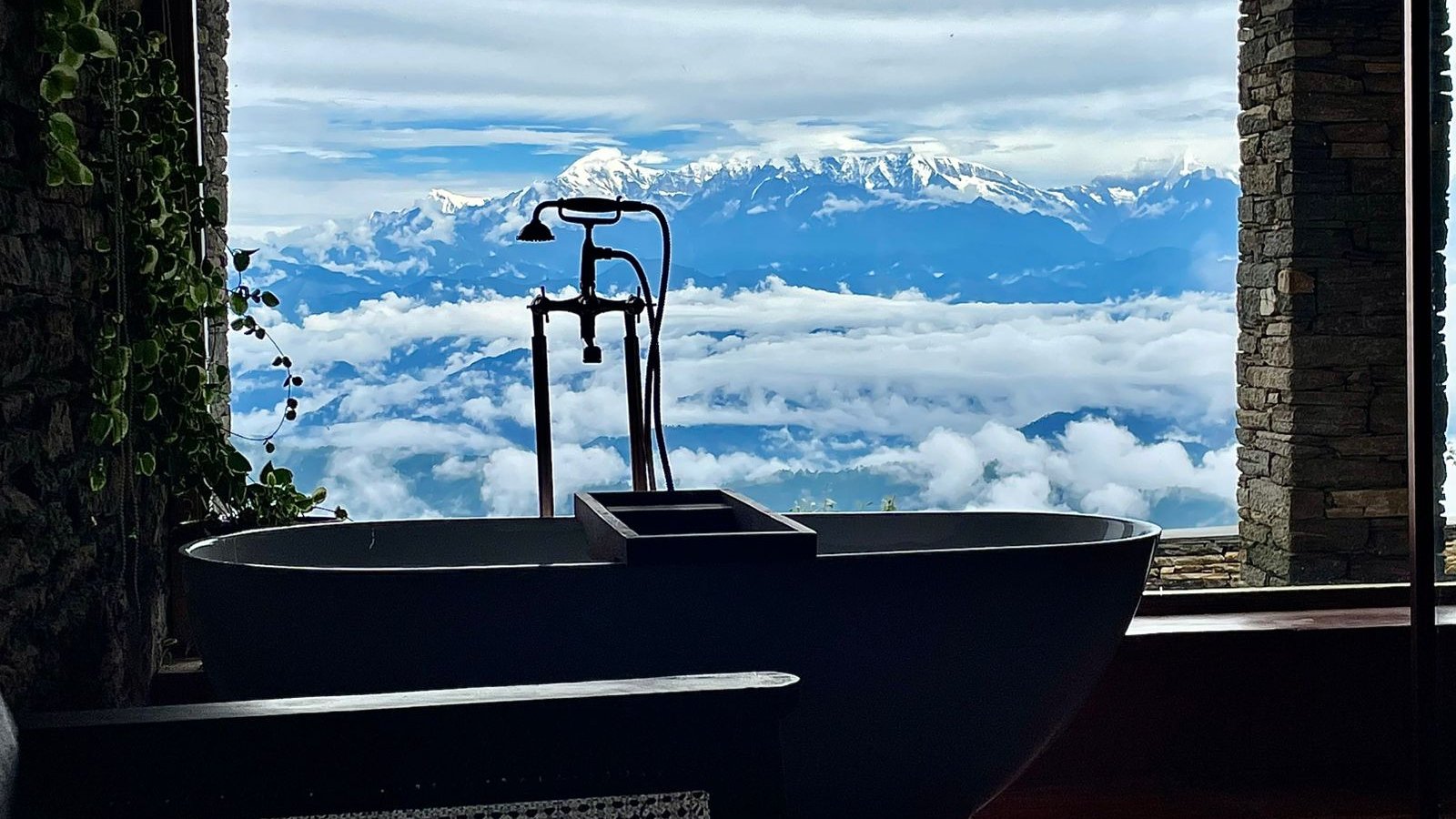
The Capitalyst: The main house is a hundred years old, rebuilt with local stone and timber and hand pressed mud plaster, with a library drawn from your own collection, rare titles included. What was the hardest call during the restoration, something you had to protect or let go of that you went back and forth on?
Pushkar: There was never really a difficult call. I never wanted to change the house from what it was. The intention was always to preserve its character and bring it back to life, not reinvent it. We retained its traditional architecture, materials and soul, making only the interventions needed to restore it and make it comfortable for guests.
Sayed: Pushkar is right. The house had to stay what it was. The hard part was doing it at 7,800 feet: a fragile hundred year old structure, few craftsmen left who work in stone, timber and mud plaster, and traditional materials that cost more and take longer. We made mistakes and paid for some twice. Pushkar took on the architect’s role himself, and the credit is his. The result is a house that is truly Kumaoni, because we never let it become anything else.
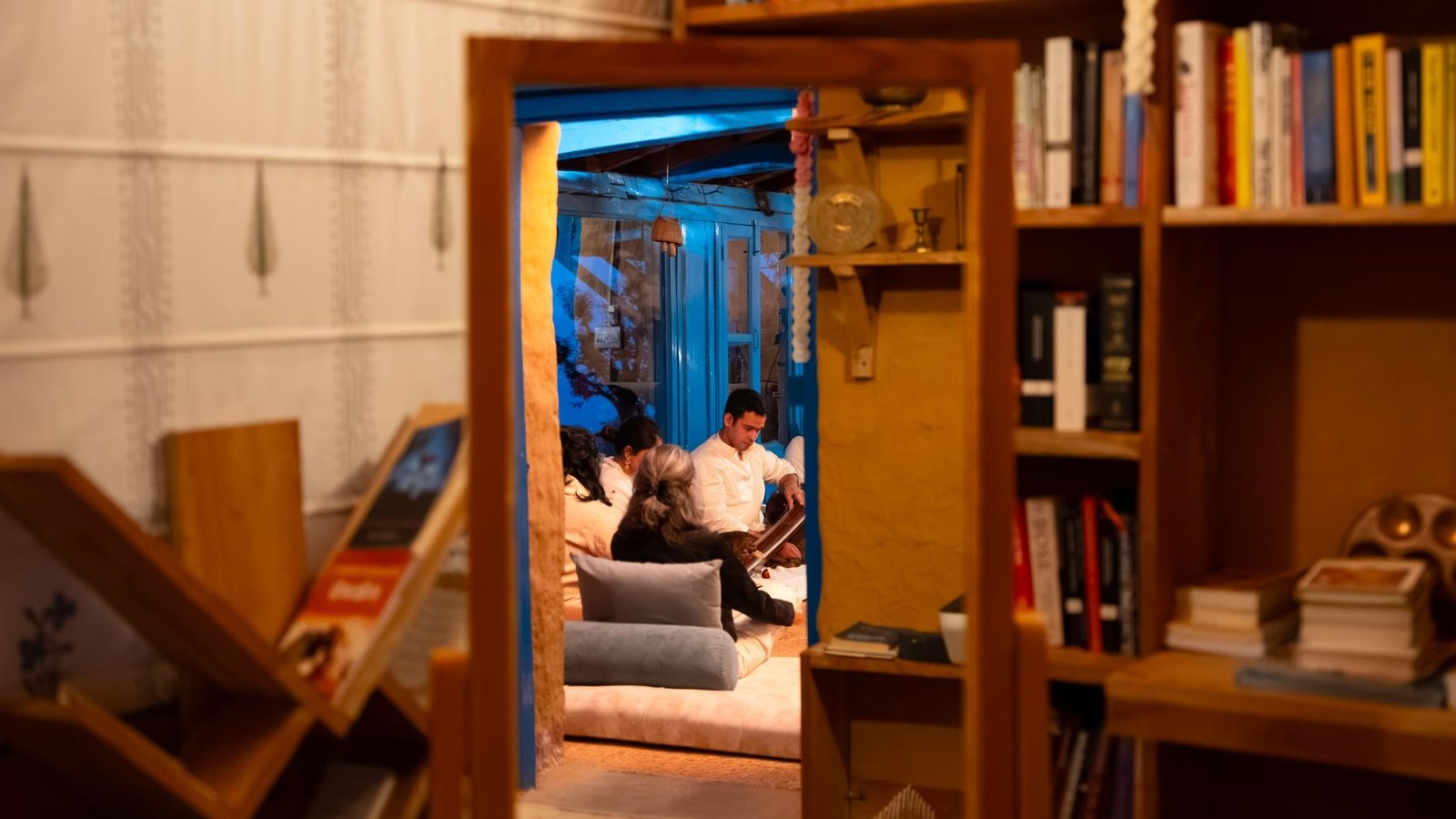
The Capitalyst: Tehni cooks to the harvest and the season, and when the rhododendrons bloom in March, they end up in the glass. That sounds wonderful on a menu and gets complicated at 7,800 feet. What does a bad supply week actually look like, and how does the kitchen cope without the guest ever noticing?
Pushkar: At 7,800 feet, supply is unpredictable. Weather, roads and the season all affect what reaches us, and some weeks a particular vegetable simply doesn’t arrive. Our chef is from the region, and is also my cousin, so he understands local produce and its seasons intimately. We work closely with nearby farmers and adapt the menu to whatever is fresh. Rather than recreate something out of season, we let the kitchen follow the harvest. Guests rarely notice, because our menu was never fixed to begin with.
The Capitalyst: Pushkar runs the retreat on the ground while Sayed handles strategy, brand and commercial from the UK. That split is clean on paper and messy in real life. What’s been the hardest stretch of running Kot Kailash across that distance, and was there a moment you each wished the other were standing in the same room?
Sayed: The hardest stretch was our first season, when everything felt urgent and we were seven thousand kilometres apart. Since then, the distance has mostly helped. One of us is nearly always awake, so enquiries are answered within minutes. We disagree, sometimes loudly, but every argument ends with two questions: is it right for the guest, and is it right for the company? We are self-funded, so every decision matters. I most wished I were beside him during the restoration. But Pushkar belongs on the ridge. When he asks me to cover so he can go and learn something new, I know the house is in good hands.
Pushkar: Sayed and I complement each other. I am on the ground and he is across the world, but we are never really apart in how we think. Mornings are mine: the first light on the Himalaya, a walk with the birds, a little yoga before the house wakes. I am always learning something new, and I am fortunate to have a partner who makes room for that.
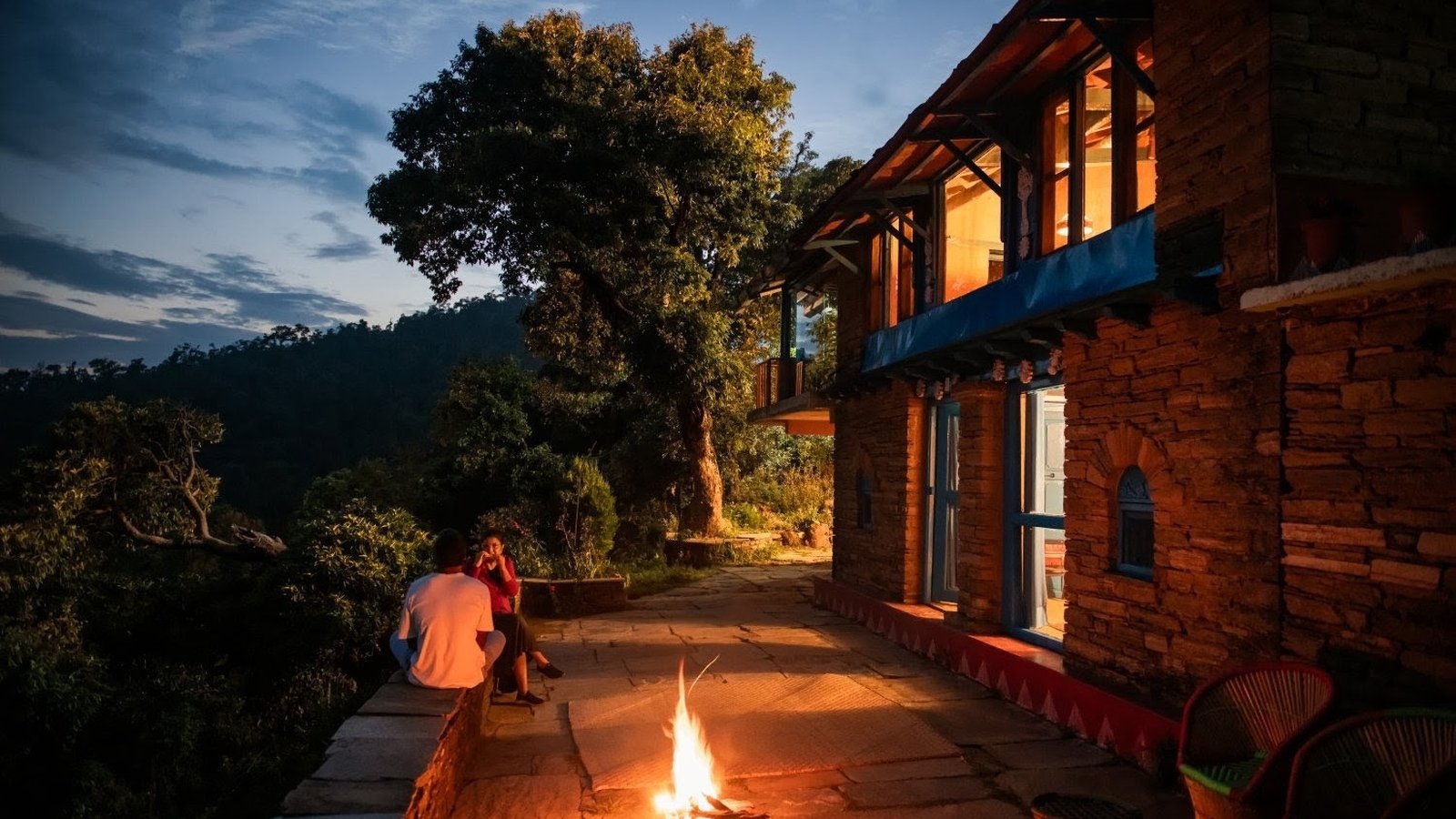
The Capitalyst: A big part of the story is building and training a team of local talent, and Pushkar, you know this region and its people deeply. What does it take to turn someone from a nearby village into a confident hospitality professional, and how do you give them a reason to stay rather than drift toward the cities?
Pushkar: For me, it begins with relationships and trust. Everyone on our team is from my village, and all of them are my childhood friends, so there is a bond that goes back many years. Hospitality skills can be learnt, but their understanding of the land, its people and its culture comes naturally. My role is to give them the confidence, training and opportunity to grow professionally without having to leave their village and families for the cities.
The Capitalyst: Virām is taking shape as a ninth key and its own house, so Kot Kailash is clearly still growing. Where’s the ceiling for you? And what is the one thing you’d refuse to become, even if growing bigger made commercial sense?
Sayed: Our ceiling isn’t a number of rooms. It is the point at which we could no longer know every guest by name. Virām, meaning “the pause”, is our next house, ten minutes away at Thikalna. Pushkar had his eye on it for years, long before Kot Kailash existed, and when it became available we didn’t hesitate. We are reshaping it slowly into a house that is unmistakably Kot Kailash. If we grow, it will be house by house, never room by room. We have already turned away business that would have filled rooms faster: we don’t discount, and we don’t pay for promotion. What we will never become is a resort. Once guests become room numbers, we would have built something anyone could build, and that is not why we started.