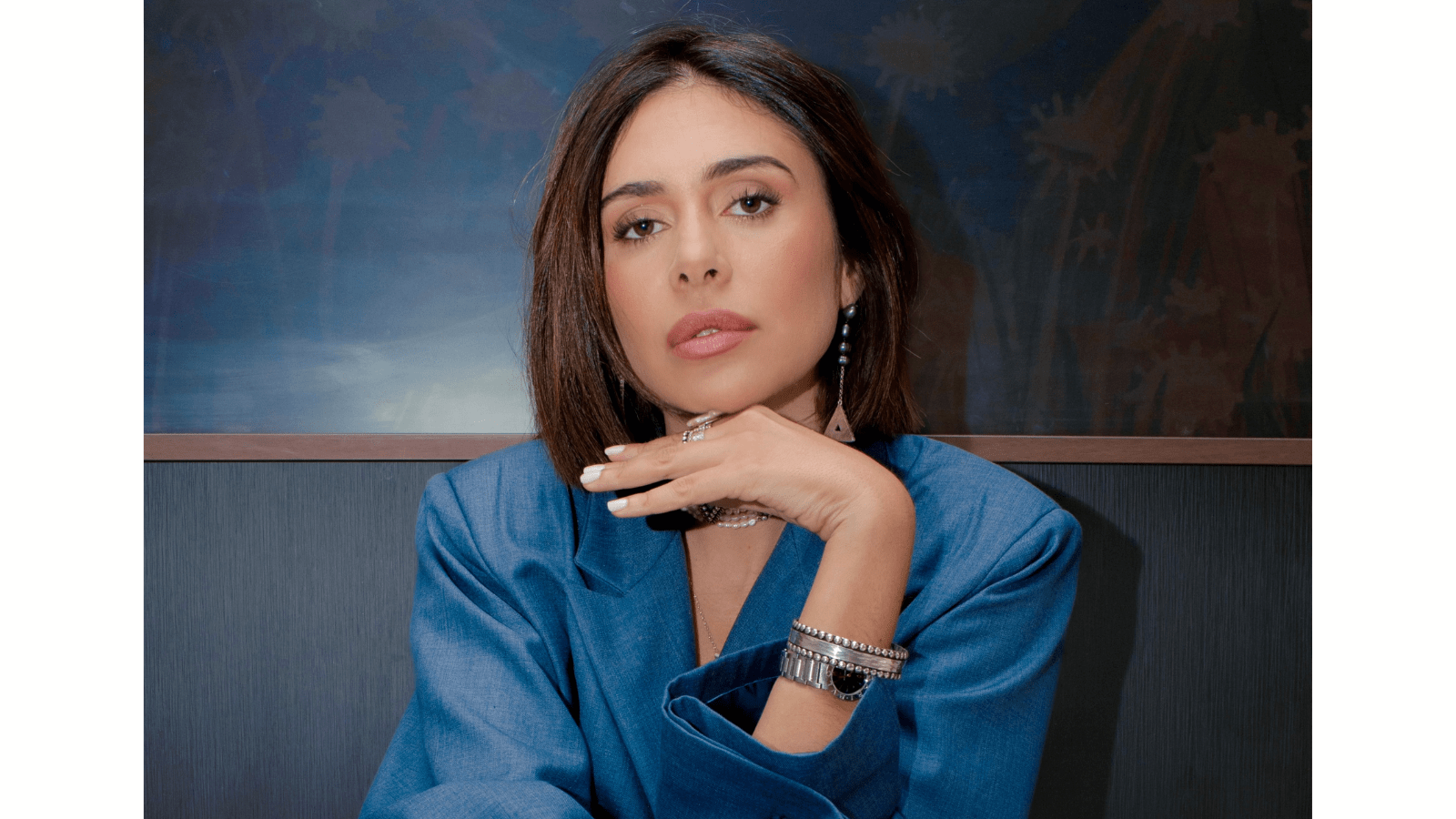
The Capitalyst: Your journey into jewellery did not begin solely as a business decision, but as a deeply personal one. What inner impulse first pushed you toward creating YELLI, and how did it evolve into an entrepreneurial vision?
Samia Benbrahim: YELLI was not born from a market study, but from a visceral need for reconnection. The inner impulse was a return to self—a desire to wear my Amazigh heritage without it feeling like a costume. It evolved into an entrepreneurial vision when I realized that to protect this ancestral memory and give it a future, I had to build a structure as solid as the silver I work with. Today, my vision is to lead like an oak tree: deeply rooted in our soil, but growing with the times.
The Capitalyst: You often speak about jewellery as a form of art rather than adornment. What role does artistic expression play in your creative process, and how do you translate emotion or memory into form?
Samia Benbrahim: My jewelry is the expression of my imagination and lived emotions. It is a dialogue between my memories and the metal. The F.L Studs earrings, for instance, are a nod to my years in Paris and the silhouette of the Eiffel Tower. My Aman collections stem from my deep connection to water—the origin and conductor of life. I also translate symbols of strength, like the Amazigh olive tree, into the Grey Eben ring. I don’t design ornaments; I create portable sculptures that give the body a voice.

The Capitalyst: Building an independent brand comes with both freedom and responsibility. What were the defining moments in your entrepreneurial journey – those that truly shaped how you lead and create today?
Samia Benbrahim: My journey was shaped in the heart of chaos—through the ‘white page’ syndrome and the immense technical difficulties of working with noble silver and traditional craftsmanship. I became resilient by holding onto one line of defense: my mission to preserve and promote Amazigh culture, even when I felt it wasn’t valued enough. I have never lowered my standards or compromised the integrity of the project. Leading YELLI is an act of persistent belief and resistance.
The Capitalyst: YELLI Jewels carries a distinctive language – bold yet intimate, contemporary yet rooted. What do you believe truly sets the brand apart in a crowded jewellery landscape?
Samia Benbrahim: What sets us apart is that every piece is unique and handmade. YELLI’s core project is to reconcile modernity with tradition, creating contemporary pieces that remain timeless. In a world of mass-produced, fragile accessories, we offer objects with weight and soul—bold enough to stand out, yet intimate enough to be worn as a second skin, bridging the gap between ancestral craftsmanship and modern identity.
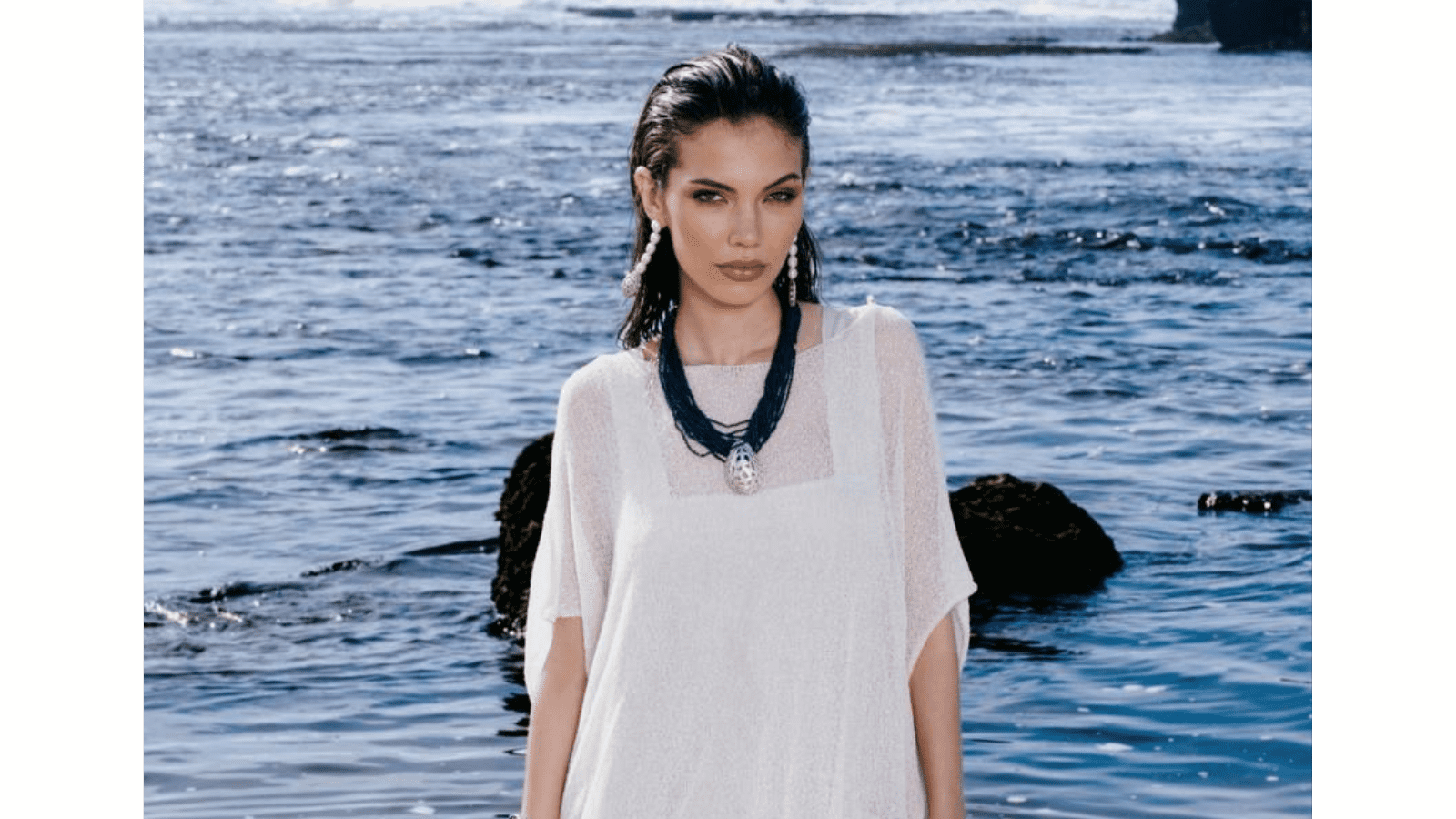
The Capitalyst: Moroccan heritage is present in your work, but never in an overt or nostalgic way. How do you balance honouring tradition while allowing the brand to feel modern and globally relevant?
Samia Benbrahim: I balance it through the mastery of ancestral Amazigh techniques like ciselure (chasing) or filigrane (filigree). I use the ‘truth of the material’—the raw, honest beauty of silver—to write a modern sentence. By focusing on the craftsmanship rather than the folklore, the jewelry becomes a universal language that honors the past through the hand of the artisan, making it globally relevant.
The Capitalyst: Cultural references can be powerful, but also delicate. How do you decide which elements of heritage to preserve, reinterpret, or intentionally leave behind?
Samia Benbrahim: It is a matter of ‘savoir-faire’ and affinity. My choices are guided more by intuition than cold calculation. I choose to preserve the soul of the technique and the powerful symbolism of the Amazigh culture. The rest—what I reinterpret or leave behind—is decided ‘au feeling.’ I gravitate toward what resonates with my current vision, allowing our heritage to breathe through my personal creative affinity.
The Capitalyst: As both founder and creative director, how do you navigate the tension between intuition and structure – between artistic freedom and the realities of running a business?
Samia Benbrahim: It is an exhausting tension. It is difficult to protect this mission when you don’t find the necessary infrastructure or professional support in your own country to help realize such a vision. I believe that ‘order protects art’—that structure is the shield of creativity—but maintaining that balance while managing the realities of a business in a challenging environment is a daily battle.
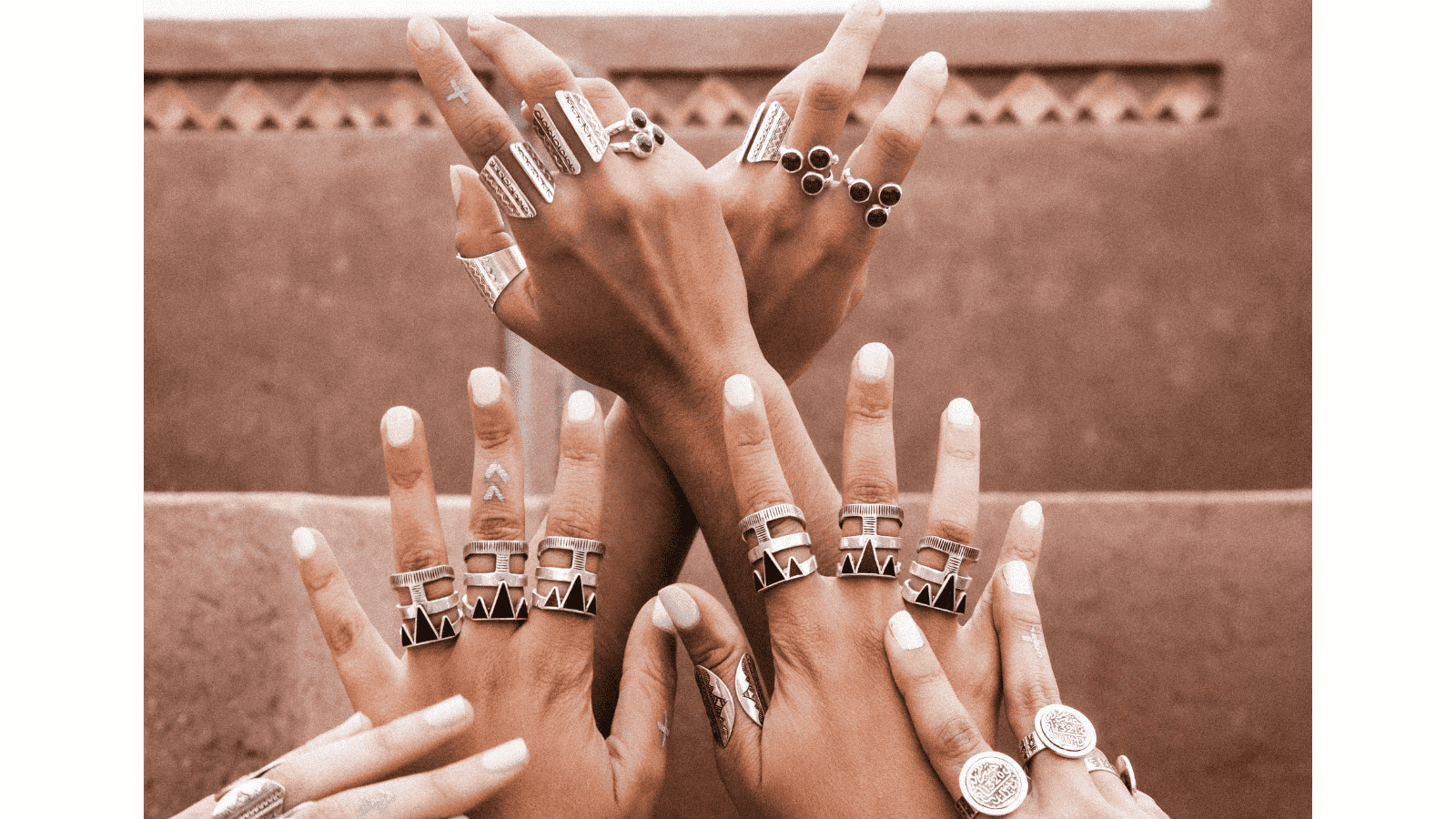
The Capitalyst: YELLI speaks to women who see jewellery as an extension of identity. How do you envision the relationship between your pieces and the women who wear them?
Samia Benbrahim: I don’t gender my jewelry; YELLI speaks to everyone who sees jewelry as an extension of their identity. The relationship is one of empowerment. A piece of jewelry shouldn’t just be pretty; it should be an armor. It doesn’t define the wearer; it merges with them to amplify their strength and their story. It is a physical manifestation of who they are.
The Capitalyst: Looking forward, how do you imagine YELLI evolving – creatively and culturally – while staying true to the values and origins that define it?
Samia Benbrahim: I imagine YELLI evolving as a beacon for Slow Fashion. The challenge for a small business today is to stay true to its own pace—the human pace of the artisan—against the noise of mass industry. My mission is to continue deepening our commitment to Amazigh craftsmanship while growing in meaning rather than just size. Evolution means protecting the soul of the talisman and the integrity of our values above all else.