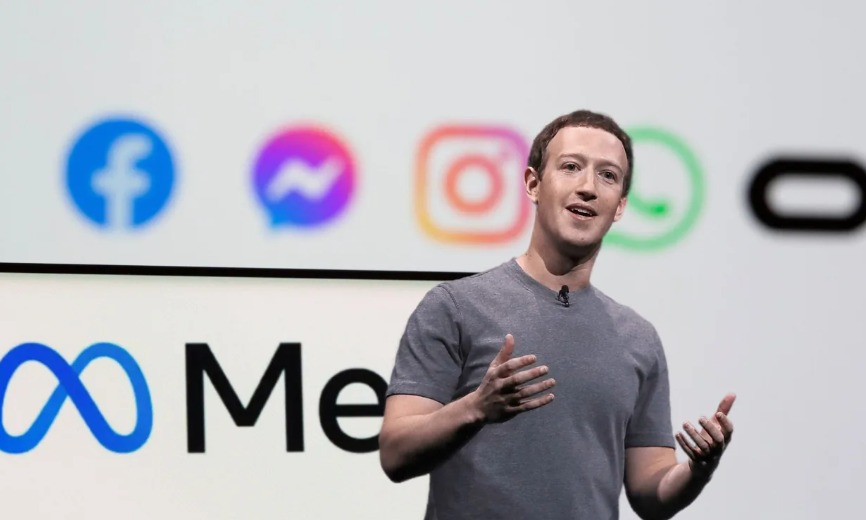
Meta, the parent company of Facebook and Instagram, has announced a major shift in its advertising policy: starting December 16, 2025, the company will begin using information from user interactions with its AI chat features to personalize ads and content recommendations across its platforms. This decision marks a new era in digital advertising—one that brings AI-powered personalization to the heart of social media, while also raising questions about privacy, user experience, and the evolving role of artificial intelligence in everyday life.
Understanding the Change: What Did Meta Greenlight?
Meta’s AI tools, including digital assistants like Meta AI, are currently woven into Facebook, Instagram, Messenger, and even the company’s Ray-Ban smart glasses. Until now, ads shown on these platforms were personalized using a host of behavioral data: posts you made, friends you connected with, groups you joined, pages you liked, and content you clicked on. Moving forward, anything you say or type to Meta’s AI—whether asking for travel tips, discussing a new hobby, or expressing an intent to buy—becomes fair game for the ad targeting system.
Concretely, here’s how it works:
- If you chat with Meta AI about planning a vacation, your Facebook Reels, posts, and sponsored ads may begin to feature hotels, travel insurance, luggage, or flight offers.
- Conversations about new hobbies or favorite sports might populate your Instagram Discover feed with related content, groups, and shoppable product ads.
- Voice interactions—from Meta-enabled smart glasses or mobile devices—are also included in the personalization signals.
- These AI-powered content tweaks won’t apply to WhatsApp unless users link their WhatsApp with Facebook or Instagram accounts.
The new data-sharing approach is global, but will initially exclude the European Union, UK, and South Korea due to stricter privacy regulations
Why Is Meta Doing This?
Advertising remains Meta’s main revenue engine, accounting for over 97% of its annual income. The goal of the update is to ensure every ad impression and content recommendation is as relevant as possible, maximizing engagement—and ultimately, clicks and conversions for advertisers. Meta claims that using AI chat data is simply an extension of personalization strategies it has employed for years, arguing that this will help users “see content they’re actually interested in—and less of the content they’re not”.
With the explosive use of chatbots and AI-driven assistants, users are providing more direct signals about their interests and purchasing intentions than ever before. Meta is now harnessing this conversational data—on par with likes, shares, and posts—as another “rich vein of behavioral data,” arguing it enhances user experience by delivering better recommendations.

Impact on the Everyday User
1. Improved Ad & Content Relevance
On the positive side, users may see ads and recommendations that feel timelier and more genuinely interesting. For the millions who use Meta’s AI to explore new topics, ask for advice, or plan purchases, the platforms are likely to become more relevant shopping and entertainment ecosystems.
2. Loss of Privacy and Control
However, many users will encounter a sense of greater surveillance. Every casual conversation with Meta AI—whether about weekend plans or deeper life challenges—could now inform advertising across Facebook, Instagram, and even other linked Meta properties. There is no opt-out; the only way to prevent this data from being used is by avoiding interactions with Meta’s AI features altogether.
Some guardrails are in place: sensitive topics such as religion, sexual orientation, union membership, political beliefs, health, and certain encrypted conversations will not be mined for ad targeting. But outside those exceptions, most chat topics—travel, shopping, hobbies, and lifestyle—are fair game. Audio data will include clear mic indicators and explicit permission notices, according to Meta.
3. Cross-Platform Effects
Meta will share AI chat data across its family of apps (Instagram, Facebook, Messenger, and in some cases WhatsApp if linked), meaning a casual product inquiry on one service could result in targeted advertising on another.
4. Power for Businesses and Creators
For advertisers and creators, this opens unprecedented pathways. They get more granular audience insights, potentially higher ROI for ad campaigns, and an ability to reach buyers closer to their moment of interest. Meta also plans to allow business accounts to launch their own AI-powered chatbots to engage, recommend products, and personalize offers—further closing the loop from discovery to purchase.success+1
5. Widening the Personalization-Surveillance Debate
Experts warn that this shift blurs the boundary between convenient customization and intrusive surveillance. Direct language input is far more revealing—and easier to exploit—than passive browsing data. Some privacy advocates fear that chatbots, over time, could even nudge users to reveal more personal or commercially useful information, intensifying the “surveillance capitalism” paradigm of social media.
What Can Users Do?
Meta states that users can still manage ad preferences and feed settings, but there is no toggle to explicitly turn off AI chat data usage for ads (outside of not using the AI at all). Users should:
- Read in-app notifications and check the privacy settings when prompted beginning October 7, 2025.
- Be mindful that both textual and voice interactions with Meta AI are now information sources for personalization.
- Know that sensitive conversations are supposed to be excluded from ad targeting—but ordinary chat topics will not be exempt.
Looking Forward: The Future of AI-Driven Ads
This rollout represents a potential watershed moment for how AI and advertising intersect on social platforms.
- For users, it means more seamless recommendations, but also a need to be vigilant about personal disclosures with AI tools.
- For Meta, it promises richer, more actionable data to drive advertising innovation and maintain its dominance in an increasingly AI-driven digital economy.
- For regulators, it renews questions about transparency, consent, user control, and the long-term societal effects of AI-fueled personalization at scale.
Ultimately, Meta’s move will likely spur other platforms to accelerate the integration of conversational AI data into their business models. As artificial intelligence becomes the new digital lingua franca, our casual chats are poised to shape the ads, offers, and content that define our online lives.