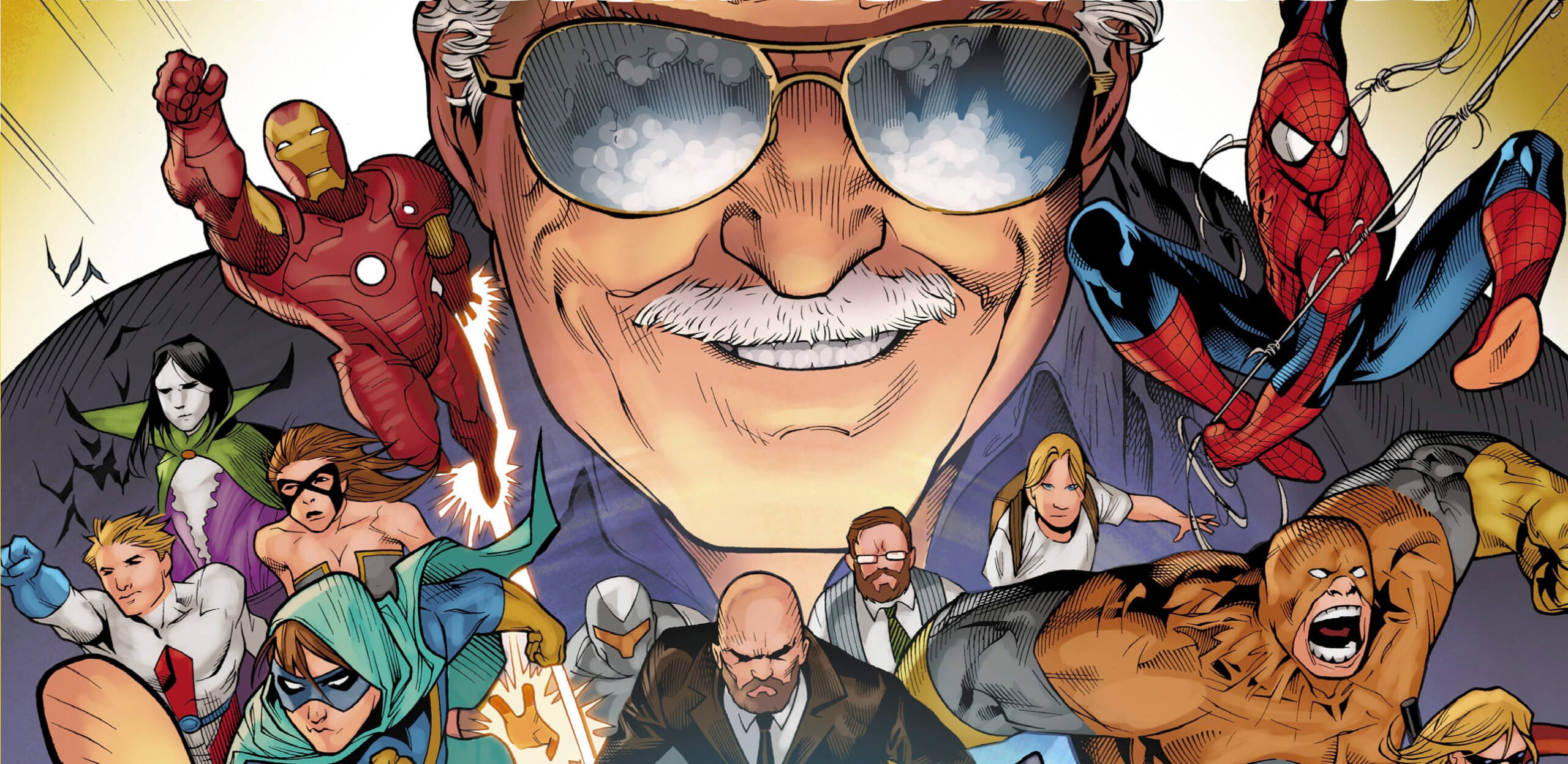
In 1996, Marvel Entertainment was worth less than a ham sandwich. Okay, maybe a bit more than that, but not by much. The comic book giant that had given the world Spider-Man, the X-Men, and the Avengers was drowning in debt, watching its stock price crater from $35.75 to a humiliating $2.37. Corporate raiders circled like vultures. Bankruptcy lawyers sharpened their pencils. The house that Stan Lee built was crumbling.
Fast forward to 2025, and Marvel’s cinematic universe (MCU) has grossed over $31 billion at the global box office, making it the highest-grossing film franchise in history. It’s a comeback story so improbable, so audacious, that if you pitched it as a movie script, executives would laugh you out of the room. But this is real life, and sometimes real life writes better stories than fiction.
The Fall: When Heroes Couldn’t Save Themselves
December 1996 marked Marvel’s darkest hour. The company filed for Chapter 11 bankruptcy protection as the entire comic book industry collapsed around it. The speculator bubble that had inflated comic sales in the early 1990s had burst spectacularly, leaving Marvel holding the bag.
But the financial crisis was only part of the problem. Inside Marvel’s headquarters, a corporate civil war raged. Billionaire investor Carl Icahn and billionaire businessman Ronald Perelman battled for control of the company’s assets like two supervillains fighting over a doomsday device. The irony was brutal: a company built on stories of heroes saving the day couldn’t even save itself.
The stock price told the story in numbers that made shareholders want to cry into their comic collections. From nearly $36 per share to less than $2.50 in just three years. Marvel was not just in trouble; it was on life support.
The Lifeline: Licensing Characters to Stay Alive
Desperate times called for desperate measures. Between 1997 and 1998, new management led by Toy Biz executives Isaac Perlmutter and Avi Arad engineered a merger that finally pulled Marvel out of bankruptcy. But the company was still cash-starved and facing an uncertain future.
The solution? Sell off the family silver, or in this case, license Marvel’s most valuable intellectual property to anyone willing to write a check.
Spider-Man swung over to Sony Pictures. The X-Men and Fantastic Four found a home at 20th Century Fox. The Hulk smashed his way to Universal Pictures. Daredevil, Blade, Ghost Rider, and The Punisher scattered to various studios like refugees fleeing a sinking ship.
These licensing deals were Marvel’s survival strategy. They generated immediate cash without requiring the company to invest in expensive film production. There was just one catch: Marvel had no control over how these beloved characters appeared on screen, and worse, they only received a tiny fraction of the profits.
When Sony’s Spider-Man swung into theaters in 2002 and grossed $821 million worldwide, Marvel watched from the sidelines as someone else counted the money. When Fox’s X-Men launched in 2000, same story. These films proved that Marvel characters could dominate the box office, but Marvel itself was barely invited to the party.
The Gamble: Betting the Company on Itself
By 2005, Marvel executives had seen enough. Characters they created were making billions for other studios while Marvel survived on licensing crumbs. Under CEO David Maisel and creative producer Kevin Feige, Marvel made a decision that would either secure its future or destroy it completely: they would create their own studio.
The plan was audacious to the point of recklessness. Marvel secured a $525 million credit facility, essentially a massive loan backed by the film rights to ten of their remaining characters, including Iron Man, Thor, Captain America, and the Avengers. If their self-produced movies flopped, Marvel would lose these characters forever. No pressure.
Industry insiders were skeptical. Marvel’s “A-list” characters like Spider-Man and X-Men were already licensed away. Who would pay to see a movie about Iron Man, a second-tier character best known for his battles with alcoholism in the comics? Hollywood gave Marvel Studios about the same odds as a snowball’s chance in the Sahara.
The Launch: Iron Man Changes Everything
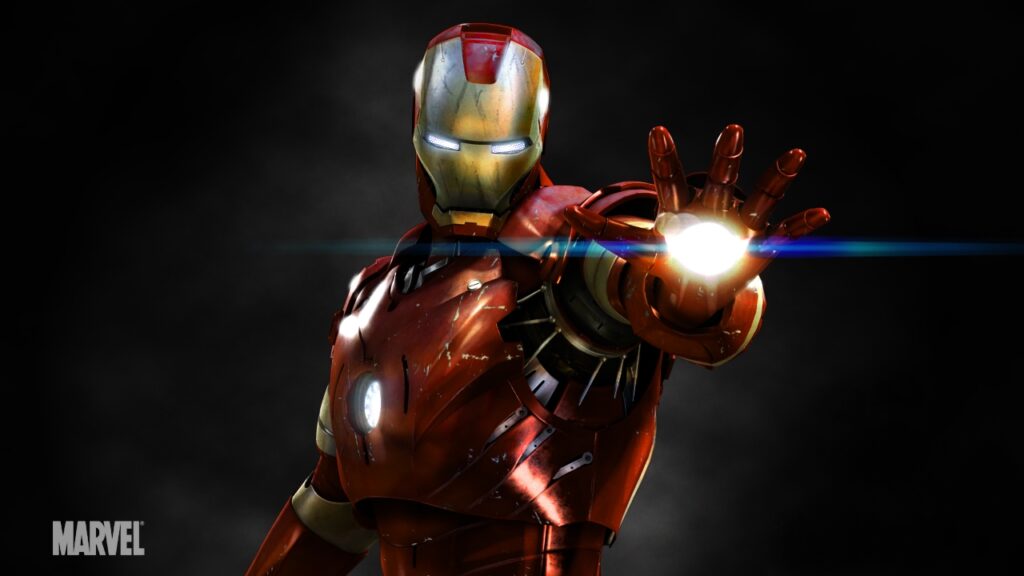
May 2, 2008. Iron Man roared into theaters with Robert Downey Jr. in the title role, and everything changed.
The film was a critical and commercial smash, grossing over $585 million worldwide. But more importantly, it was good (funny, thrilling, and surprisingly heartfelt). That post-credits scene where Nick Fury mentioned “the Avengers Initiative” sent comic book fans into a frenzy and signaled Marvel’s revolutionary plan: a shared cinematic universe where characters from separate films would eventually team up.
Marvel Studios had proven it could succeed on its own terms. Hollywood noticed. More importantly, so did Disney.
The Acquisition: Disney Bets Big on Marvel
In 2009, The Walt Disney Company acquired Marvel Entertainment for $4 billion, a move that initially raised doubts among analysts about whether Disney had overpaid. At the time, Marvel was still recovering from bankruptcy, and its most valuable characters—like Spider-Man and the X-Men—were already licensed to other studios. However, Disney saw the potential in Marvel’s vast library of over 5,000 characters and its global brand appeal.
Disney’s acquisition gave Marvel access to unmatched resources, global distribution networks, and marketing power. Crucially, Disney allowed Marvel Studios, led by Kevin Feige, to maintain creative control, ensuring the unique vision behind the Marvel Cinematic Universe (MCU) remained intact. Isaac Perlmutter, Marvel’s CEO, continued to oversee Marvel’s properties, working closely with Disney’s global teams.
This partnership proved transformative. With Disney’s backing, Marvel Studios scaled up its ambitions, producing blockbuster films and expanding into merchandise, theme parks, and streaming. The MCU became the highest-grossing film franchise in history, generating billions in revenue and attracting a broader audience for Disney. The acquisition not only revitalized Marvel but also diversified Disney’s portfolio, making it a global entertainment powerhouse.
The Domination: From Blockbusters to Cultural Phenomenon
The Avengers arrived in 2012 like a cinematic atomic bomb, grossing over $1.5 billion worldwide and proving that Marvel’s shared universe strategy was not just viable (it was revolutionary). Suddenly, every studio in Hollywood wanted their own “cinematic universe.”
Marvel Studios rolled out interconnected film phases with military precision. Guardians of the Galaxy turned unknown space misfits into household names. Black Panther became a cultural milestone and earned a Best Picture nomination. Avengers: Endgame shattered every conceivable box office record, becoming the highest-grossing film of all time with nearly $2.8 billion in ticket sales.
By 2025, the numbers are staggering. The Marvel Cinematic Universe has generated over $31 billion at the global box office. Three Marvel films released in 2025 alone earned over $1.16 billion collectively. Revenue extends far beyond ticket sales (merchandise, theme park attractions, streaming series on Disney+, and licensing deals have transformed Marvel into a multibillion-dollar global brand).
The Legacy: Rewriting Hollywood’s Rules
Marvel’s comeback rewrote the rules of Hollywood franchise filmmaking. The MCU proved that audiences would embrace interconnected storytelling across dozens of films if the quality remained high. It demonstrated that diverse casting and inclusive storytelling could be both artistically rewarding and commercially successful. It showed that taking creative risks (like making a talking raccoon and a sentient tree two of cinema’s most beloved characters) could pay off spectacularly.
From a bankrupt comic book company to the most successful film franchise in history, Marvel’s journey is a masterclass in strategic thinking, creative risk-taking, and unwavering belief in the power of great storytelling. They bet on themselves when no one else would, and that bet paid off beyond anyone’s wildest imagination.
Not bad for a company that was worth $2.37 per share just three decades ago. Sometimes the best stories really do have happy endings, especially when they are written by Marvel.