Introduction
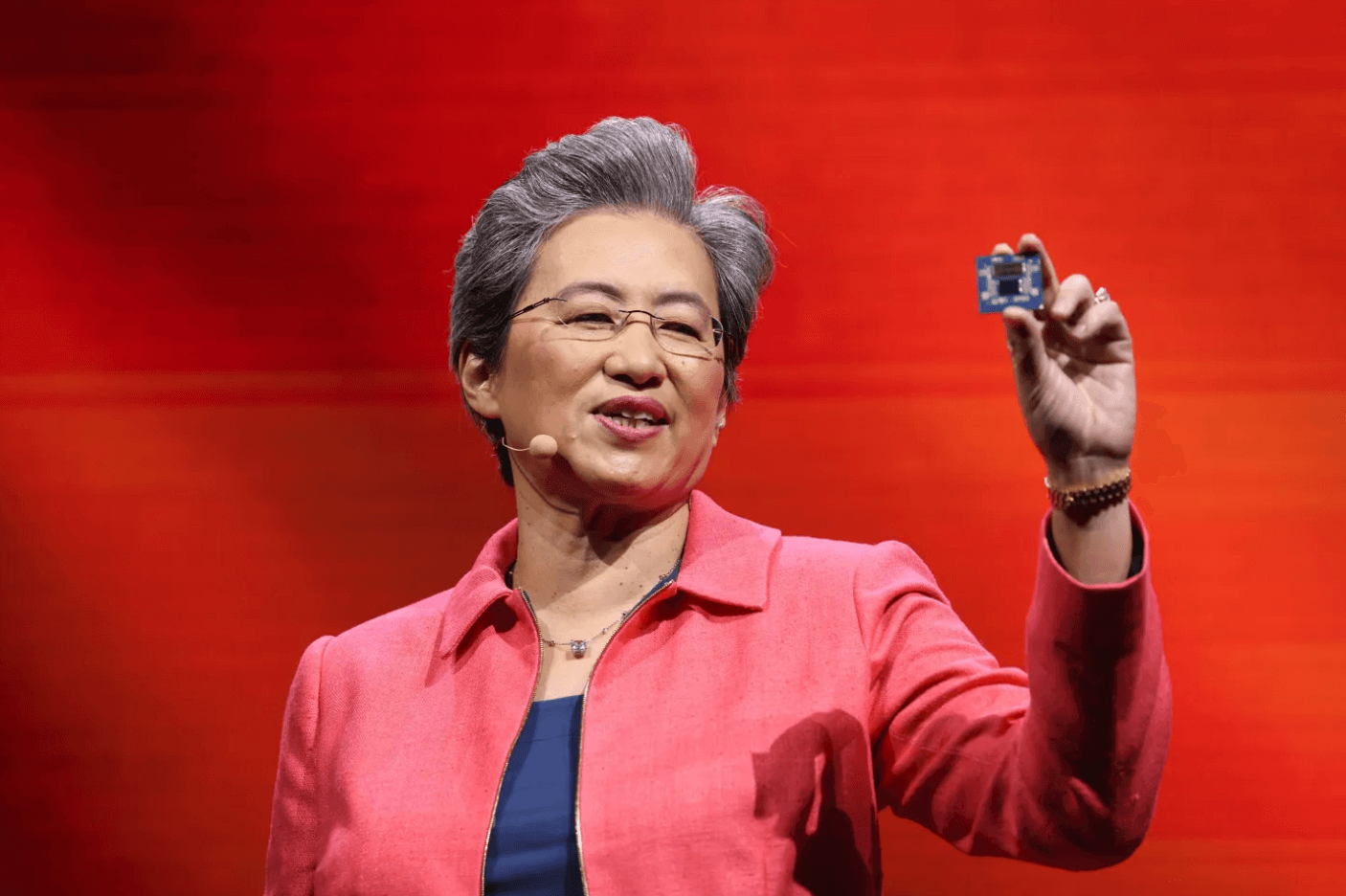
Lisa Su is one of the most respected technologists and CEOs of our era—a trailblazer whose visionary leadership turned Advanced Micro Devices (AMD) from a struggling challenger into a dominant force in global computing and artificial intelligence. Her story, marked by grit, breakthrough engineering, and bold strategic pivots, now stands at the heart of the semiconductor industry’s most exciting developments, including AMD’s landmark collaboration with OpenAI. This alliance signals a new chapter in AI acceleration, as Su shepherds AMD into powering not just personal computers and gaming consoles, but the very engines of machine learning and next-generation intelligence.
Early Life and Path to Engineering
Born in Tainan, Taiwan in 1969, Lisa Su moved with her family to the United States as a toddler. Even as a child in New York, she displayed a keen interest in science and technology—taking apart radios and circuit boards, inspired by her engineer father’s work. She earned her undergraduate and subsequent Ph.D. degrees in electrical engineering from the Massachusetts Institute of Technology (MIT), focusing on semiconductor fabrication and silicon-on-insulator technology. Her doctoral thesis foreshadowed her deep expertise in high-performance computing, laying a foundation for the career that was to follow.
Su began her professional journey with engineering roles at Texas Instruments and IBM, quickly distinguishing herself for innovative work on copper interconnects, microprocessor architecture, and materials science. Her tenure as Director of Emerging Projects at IBM catapulted her into leadership positions, blending technical mastery with a rare business acumen.
Joining AMD: The Turning Point
Lisa Su joined AMD in 2012, initially serving as Senior Vice President and General Manager of Global Business Units. At the time, AMD was struggling with declining sales, shrinking market share, and fierce competition from industry leader Intel. The company needed a radical transformation—not just technologically, but culturally and strategically.
In 2014, Su was appointed President and CEO, becoming one of the few women to lead a major semiconductor company. She inherited daunting challenges: dwindling revenue, product delays, and skeptics in the investor community. Su responded with a clear, aggressive plan: focus on high-performance computing, invest in R&D, streamline business segments, and cultivate partnerships that could reignite AMD’s relevance.
The Ryzen & EPYC Revolution
Su’s biggest gambit came with the launch of the Ryzen and EPYC processor families. Under her direction, AMD invested in groundbreaking “Zen” architecture—a scalable chip design enabling massive leaps in performance and efficiency. Ryzen CPUs for desktops and laptops quickly became the choice for gamers, creators, and everyday users wanting competitive horsepower without the premium pricing of rivals.
At the same time, EPYC server chips began carving out market share in data centers and cloud operations, challenging the Intel Xeon monopoly. Su doubled down on innovation, bringing 7-nanometer process technology to market ahead of competitors and pushing the envelope on multi-core processing.
By 2021, AMD’s revenues and stock price were soaring. The company went from a fringe player with 8% desktop CPU market share to over 25%, with momentum in server and enterprise chips. Su’s patience, technical vision, and relentless execution convinced major partners like Microsoft, Sony, and Google to adopt AMD platforms for everything from Xbox and PlayStation consoles to supercomputing clusters.
Transforming AMD’s Culture and Impact
Perhaps Lisa Su’s greatest contribution was fostering a culture of agility and innovation. She embraced diversity, mentorship, and creativity, empowering teams to experiment and fail, then pivot and succeed. Under her guidance, AMD became recognized as one of the most progressive technology companies, recruiting top global talent and winning accolades for its inclusive leadership.
Her commitment to open collaboration helped AMD win major deals—including contracts to power cloud infrastructure at Amazon Web Services, Google Cloud, and Microsoft Azure. AMD chips became ubiquitous in both consumer devices and B2B enterprise solutions, propelling the brand into the global mainstream.
The AI Era: AMD’s OpenAI Collaboration
With the explosion of generative AI and deep learning, Lisa Su recognized that high-performance GPUs and accelerators are the key enablers of machine intelligence. In 2025, AMD announced a landmark collaboration with OpenAI, the startup behind ChatGPT, DALL-E, and some of the world’s most advanced AI models.
This deal marked a strategic pivot towards building next-generation AI hardware. AMD’s “Instinct” accelerators—engineered for massive parallel processing and low latency—were chosen to power OpenAI’s supercomputing backbone, enabling more sophisticated model training and inference at unprecedented scales.
The partnership focuses on co-developing specialized silicon and software, optimizing everything from transformer architectures to memory bandwidth for future AI workloads. It also leverages AMD’s established momentum with open-source tools, making advanced AI hardware more accessible to startups, academic labs, and independent researchers.
OpenAI’s CEO Sam Altman called Lisa Su “a visionary leader and a genuine partner in our quest to make AI more powerful and more ethical.” For AMD, this collaboration means direct influence and major revenues from the next decade of artificial intelligence—from virtual assistants to autonomous robotics, personalized medicine, and climate simulation.
Global Economic and Social Impact
Su’s work is reshaping not just AMD, but how the world computes, learns, and innovates. She is widely credited with fueling the AI revolution by democratizing access to computational power for a new generation. AMD’s accelerated chips facilitate:
- Cheaper, faster model training for AI startups and researchers.
- Scalable cloud platforms for business and science.
- AI-powered healthcare diagnostics, environmental modeling, and real-time language translation.
- Consumer access to generative AI tools in everyday devices.
Under Su’s leadership, AMD’s market value topped $250 billion in 2025, making it one of the world’s top technology companies. The company’s growth story is celebrated as a case study in resilience and visionary leadership, inspiring women in STEM and global executives alike.
Honors, Leadership, and Legacy
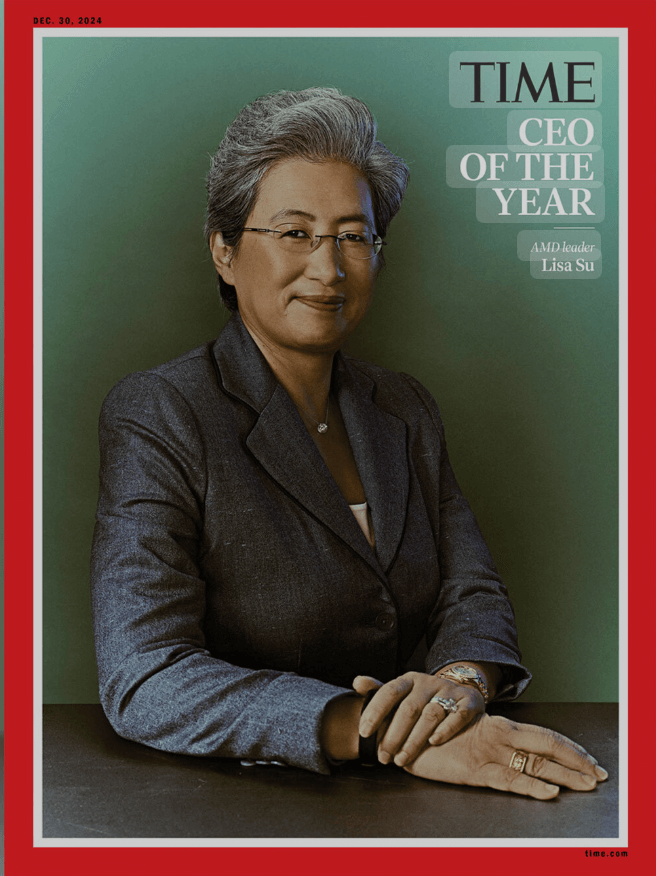
Lisa Su has received numerous honors, including being named to Fortune’s “World’s 50 Greatest Leaders,” Forbes’ “Power Women,” and TIME’s “Top 100” list. She holds dozens of patents in semiconductor design and is admired for her mentoring and advocacy for diversity in tech.
Her legacy is one of transformation: from rebuilding a struggling brand to establishing AMD as a pillar of the global AI economy. As she often says, “Engineering is about solving problems and making life better. Our journey is only beginning.”
Conclusion
Lisa Su’s journey—from MIT engineer to the world’s most trusted chip CEO—is a story of grit, technical genius, and compassionate leadership. By steering AMD into the frontline of the AI arms race and forging bold partnerships with organizations like OpenAI, Su has redefined what’s possible in technology. Her work continues to shape the devices we use, the tools we build, and the future of artificial intelligence worldwide.
Written by Manik Katyal