Introduction
Jessica Alba is renowned as a Hollywood actress, but her most significant legacy may be The Honest Company—a billion-dollar clean lifestyle brand that transformed the baby and personal care market. What began as a mother’s quest for safer products became a mission-driven, entrepreneurial journey marked by risks, setbacks, and ultimately, extraordinary success.
Inspiration: From Allergies to Action
Jessica Alba’s path to entrepreneurship began long before The Honest Company would dominate headlines. As a child, Alba suffered from severe allergies and respiratory infections, spending time in hospitals and coping with chemical sensitivities. In 2008, as a new mother, she discovered her baby had an adverse reaction to a detergent. Disappointed by the lack of transparent, safe, and affordable household products for children and families, Alba set out to build a company that would fill the void.
Founding The Honest Company: Purpose-Driven Beginnings
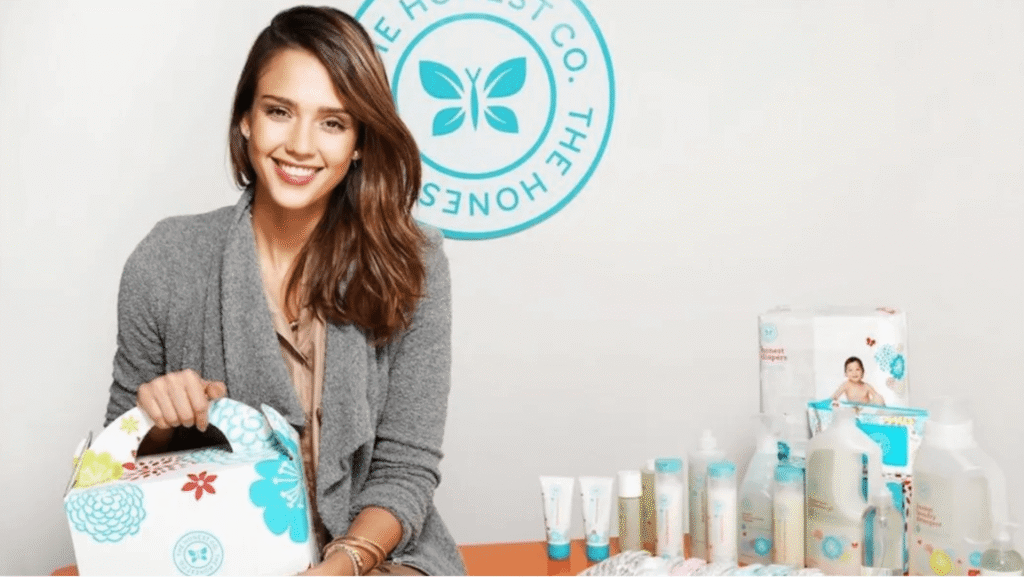
Jessica Alba teamed up with entrepreneur Brian Lee, environmental advocate Christopher Gavigan, and technology veteran Sean Kane. In 2012, after years of research, networking with scientists, and fundraising, The Honest Company officially launched with 17 signature products—including diapers, wipes, bath, and cleaning essentials—all promising non-toxic ingredients and full transparency.
Alba personally pitched the idea to venture capitalists, facing skepticism as an actress entering business. Many doubted the seriousness of her mission, assuming the project was a fleeting celebrity side venture. Undeterred, Alba and her team secured an initial $6 million funding and built an e-commerce platform to reach families nationwide.
Rapid Growth and Expansion
The Honest Company’s growth was explosive. Parents and millennials craved safer, eco-friendly products with modern design—diapers with stylish prints and multipurpose cleaners with natural scents. By 2013, annual sales reached $50 million. Within a year, Honest products hit shelves at Target, Whole Foods, and Nordstrom, and raised $70 million in venture capital, valuing the company at a billion dollars—a milestone rarely achieved by consumer startups.
Honest’s hybrid model—a blend of direct-to-consumer subscriptions and retail partnerships—proved revolutionary. By 2015, the company offered 120+ products and had a presence in 32,000 stores across North America. Despite lawsuits and ingredient controversies, Honest persevered, improving formulas and addressing concerns with openness.
Navigating Challenges: Lawsuits and Leadership Shifts
Success brought scrutiny. Honest faced lawsuits over product labeling and disputes about the authenticity of some ingredients. Alba responded by investing in more rigorous testing, tightening supply chains, and hiring chemists and regulatory experts to set industry-leading standards.
By 2017, to fuel continued growth and operational discipline, Nick Vlahos—former CEO of Burt’s Bees—was appointed CEO. Vlahos streamlined product offerings to focus on core beauty and baby care, making Honest more efficient and adaptive.
Financial Milestones and Going Public
Honest attracted more than $500 million in investor funding, including rounds from Wellington Management, General Catalyst, and Lightspeed Venture Partners. Despite market fluctuations and dips in valuation due to the COVID-19 pandemic and lower birth rates, The Honest Company remained resilient.
In May 2021, Honest debuted on Nasdaq, raising over $400 million in its IPO and achieving a peak valuation north of $1.4 billion. The move highlighted Honest’s enduring appeal—and Jessica Alba’s transformation from Hollywood star to influential business founder.
By 2022, Honest reported annual sales of $319 million and continued expanding in the United States, Canada, and Europe, with new product lines in wellness and home cleaning.
Mission and Impact: Why Honest Mattered
Honest’s core values—radical transparency, ethical sourcing, and sustainability—shaped consumer expectations and pushed legacy giants to reformulate offerings. The company championed plant-based ingredients, recyclable packaging, and cruelty-free certifications, making “clean beauty” and “green cleaning” mainstream.
Alba’s vision wasn’t just about products; it was about social responsibility. Honest partnered with nonprofits like Baby2Baby and Mount Sinai Children’s Environmental Health to support families and advocate for environmental change, reinforcing its mission-driven identity.
Personal Leadership: Alba’s Role and Legacy
Jessica Alba remained hands-on as Chief Creative Officer, overseeing brand strategy, product development, and marketing. Her authenticity—chronicled in interviews and public testimony before Congress advocating chemical safety—built trust with consumers who saw Honest as a lifestyle, not just a label.
Alba’s journey—from hospital beds to Hollywood sets to boardrooms—showcased resilience and a commitment to empowering families. She won accolades such as Ernst & Young’s Entrepreneur of the Year and made lists of “Most Creative People in Business.” In 2021, Forbes called her “one of America’s most successful businesswomen under forty”.
The Honest Company’s Enduring Influence
Today, Honest is more than a brand—it’s a movement. Its transparent business model set new industry standards. Its success challenged stereotypes about celebrity businesses and inspired other stars to build mission-led companies.
Honest’s innovations—stylish, affordable, and safe solutions—have sparked competitors and shifted entire sectors toward more ethical, sustainable practices. The company remains a favorite among parents, beauty aficionados, and anyone seeking to live a happier, healthier life.
Conclusion
Jessica Alba’s Honest journey began with a mother’s worry and blossomed into a billion-dollar revolution. Through courage, customer connection, and a relentless drive for change, Alba gave consumers safe choices and set a new bar for conscious business. Honest proves that when mission meets grit, even Hollywood dreams can build an empire with real impact.