Introduction
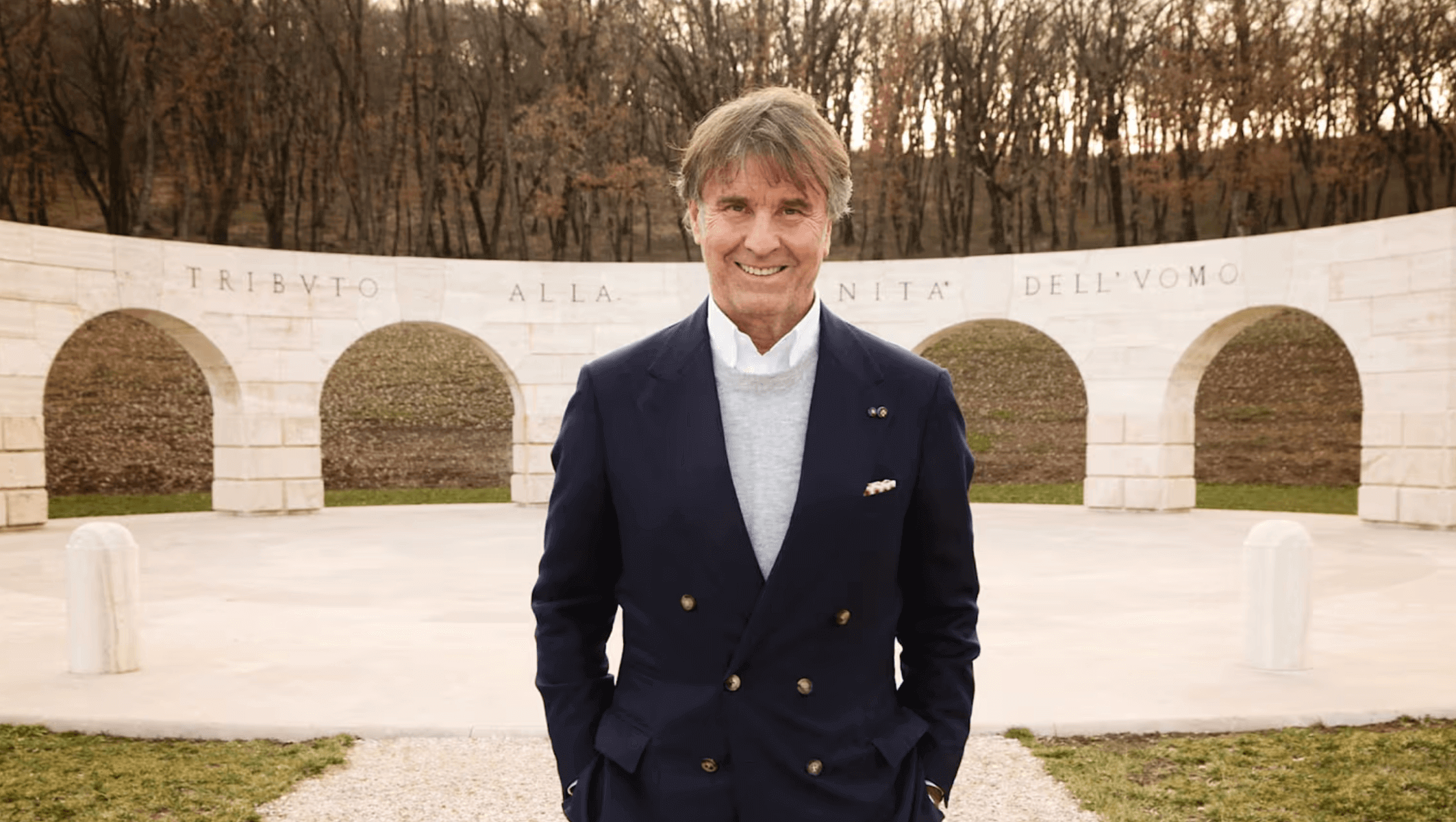
Brunello Cucinelli is one of Italy’s most admired entrepreneurs—a philosopher-designer whose approach to luxury fashion is rooted in ethics, human dignity, and timeless style. From humble beginnings in a rural village, he built a brand that is universally recognized for “quiet luxury” and peerless craftsmanship. His story is unique in the world of fashion: instead of chasing trends or scale, Cucinelli revitalized his hometown, championed “humanistic capitalism,” and turned colored cashmere from a risky experiment into a global status symbol worn by royalty, tech moguls, and style icons.
Beginnings: A Village, A Dream, and a Philosophy
Born in 1953 in Castel Rigone, a small hamlet in Umbria, Cucinelli grew up steeped in agricultural tradition—his childhood home had no electricity or running water. Witnessing his father’s difficult factory work, Cucinelli internalized a vision of business as a force for dignity, wellbeing, and creativity. Instead of completing his engineering studies, he poured over philosophical texts by day and dreamed of launching something extraordinary.
In his mid-twenties, inspired by Benetton’s vibrant wool sweaters, Cucinelli saw an opportunity in cashmere—a fabric then reserved for neutral-toned men’s wear. With a small loan and some trust from his local supplier, he produced his first collection of brightly dyed cashmere sweaters. They captured the attention of fashion buyers and set the tone for everything that followed: elegance laced with innovation and a respect for tradition.
Building the Brand: The Solomeo Miracle
In 1978, Cucinelli officially founded his eponymous company in Solomeo, a tiny medieval village near Perugia. He bought an abandoned 14th-century castle and made it the headquarters, breathing new life into both the brand and the village. Instead of outsourcing or moving production abroad, he kept everything rooted in Umbria—embracing local artisans and centuries-old techniques.
His strategy was simple yet radical: ethical production, generous wages for workers, and a slower approach to growth. Employees are forbidden to work overtime; lunch breaks last ninety minutes, complete with post-lunch naps. He started with cashmere but expanded into full lifestyle collections—ready-to-wear for men and women, accessories, and even fragrances—always keeping “Made in Italy” at the heart of every piece.
Cucinelli’s vision for Solomeo went far beyond business. He restored landmarks, established the Solomeo School of Arts and Crafts to teach traditional skills, and created a cultural foundation that channels 20% of company profits back into social projects.
Innovations and Philosophy: Humanistic Capitalism
Cucinelli’s leadership is defined by what he calls “humanistic capitalism.” He is convinced that business can—and must—serve a moral purpose. Employees are paid about 20% more than industry averages, and the goal is to cultivate creativity and pride in their work. In his own words, “If the human being has time to rest, then the morning after they will be curious and creative.”
Exclusive, distinct, and never over-distributed, the brand defies typical growth strategies in luxury. “If you overdistribute your products, that’s goodbye to exclusivity,” he says. Cucinelli has been known to reject investors’ proposals for factory relocation and rapid expansion, prioritizing long-term value and authenticity over short-term profit.
Global Influence and Recognition
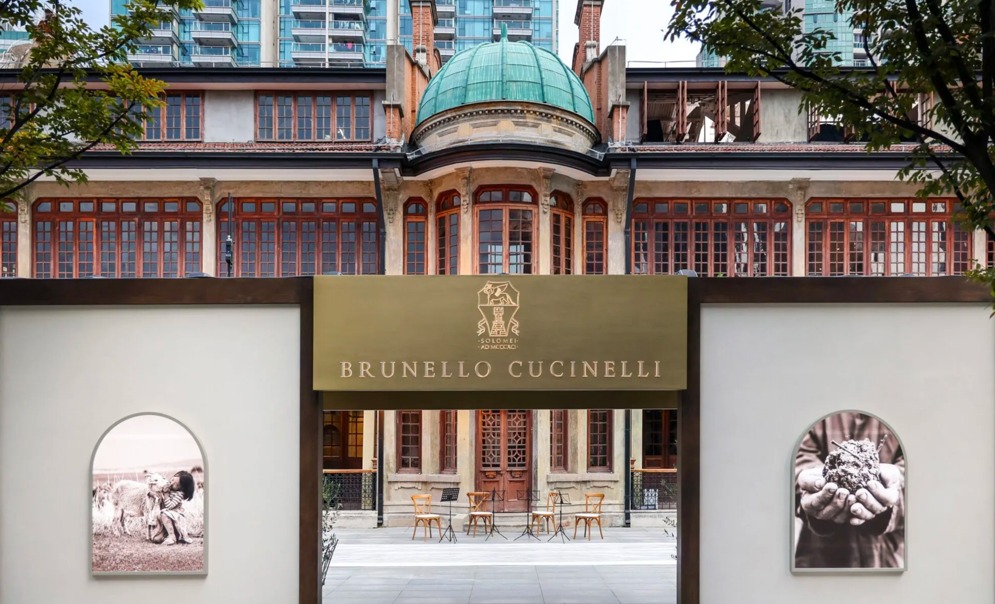
The company grew steadily through the 1980s and ’90s. By focusing on quality over quantity, Cucinelli built relationships with the finest cashmere producers and established a reputation for supreme sourcing and artisanal excellence. A decade later, he expanded into global markets, launching flagship stores in Paris, New York, and Tokyo, and drawing the attention of Silicon Valley’s tech elite and fashion’s A-list.
The public listing of Brunello Cucinelli SpA on the Milan Stock Exchange in 2012 was both a financial and ethical milestone. The IPO raised capital for further expansion and enabled a broader community to participate in Cucinelli’s vision. “Luxury is not a concept we would define as either accessible or democratic,” he states. “The process whereby a brand becomes authentic luxury takes decades of experience, history and tradition.”
As of 2024, the company is valued at over €4 billion and is widely ranked among the world’s foremost single-brand luxury retailers. Its collections are featured in the best department stores and boutiques in more than 50 countries.
Business Model: Quiet Luxury and Slow Growth
Brunello Cucinelli stands at the forefront of the “quiet luxury” movement—favoring understated elegance and permanent style over logos and hype. His garments are instantly recognizable for their flawless fit, rich texture, and subtle colors. The price tags are significant, but they reflect uncompromising standards that attract the most discerning customers.
The brand’s “slow growth” strategy guards against dilution and maintains desirability. Instead of flooding the market, Cucinelli meticulously controls distribution, never chasing mindless expansion. His approach favors organic development, deep relationships, and community engagement, distinguishing the company from many peers who opted for aggressive store openings and ubiquitous marketing.
Legacy and Lasting Impact
The Cucinelli story is more than business—it’s a testament to what’s possible when philosophy, artistry, and ethics align. By revitalizing Solomeo, hiring local artisans, and advocating for fair wages, the brand became a model for sustainable luxury and “capitalism with a soul.”
Cucinelli’s work has earned accolades from industry leaders, publications, and government officials. He continues to invest in education and culture, believing that beauty and morality are inseparably linked. His guiding principles infuse every aspect of the company—from product design to customer service to the ongoing renewal of Solomeo itself.
Conclusion
Brunello Cucinelli’s journey from rural Umbria to the heights of global luxury commerce is a modern Italian miracle. Guided by humanistic ideals, he transformed colored cashmere into an international status symbol—never sacrificing his devotion to artisanal quality, dignity, and beauty. For anyone seeking a blueprint for conscious business, Cucinelli’s story offers wisdom and inspiration that resonate far beyond fashion.
Written by Manik Katyal