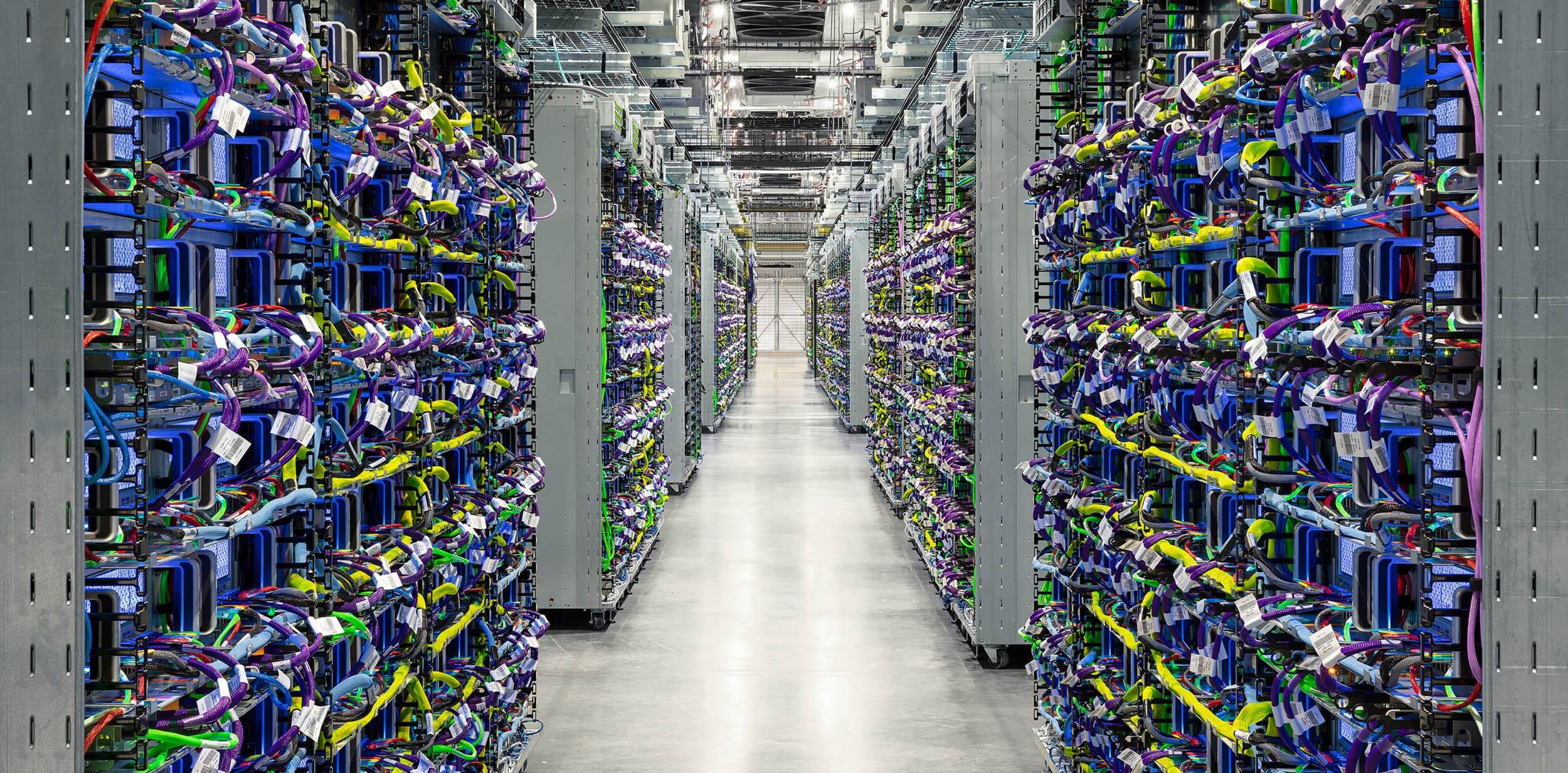
The interwoven investment ecosystem powering the AI industry is a fascinating, high-stakes financial and technological dance involving major players like Nvidia, OpenAI, AMD, Oracle, and even government entities. However, its complexity and scale also raise serious concerns about the sustainability of current valuations and whether the entire structure could be the next tech bubble crash. This blog traces the money cycle, explaining the key linkages and the potential risks inherent in this massive AI investment landscape.
Nvidia and OpenAI: The Heart of the AI Investment Cycle
Nvidia is a central figure in this AI funding web, committing up to $100 billion to OpenAI for building next-generation data centers powered by millions of Nvidia GPUs. This massive infusion of capital illustrates both Nvidia’s confidence in AI’s growth and the strategic role of its chips in AI infrastructure.
OpenAI, on its part, reciprocates by purchasing tens of billions in Nvidia chips to meet the hardware demands of these data centers. This creates a tightly coupled circle where Nvidia funds OpenAI, and OpenAI buys from Nvidia, reinforcing each other’s growth and valuations.
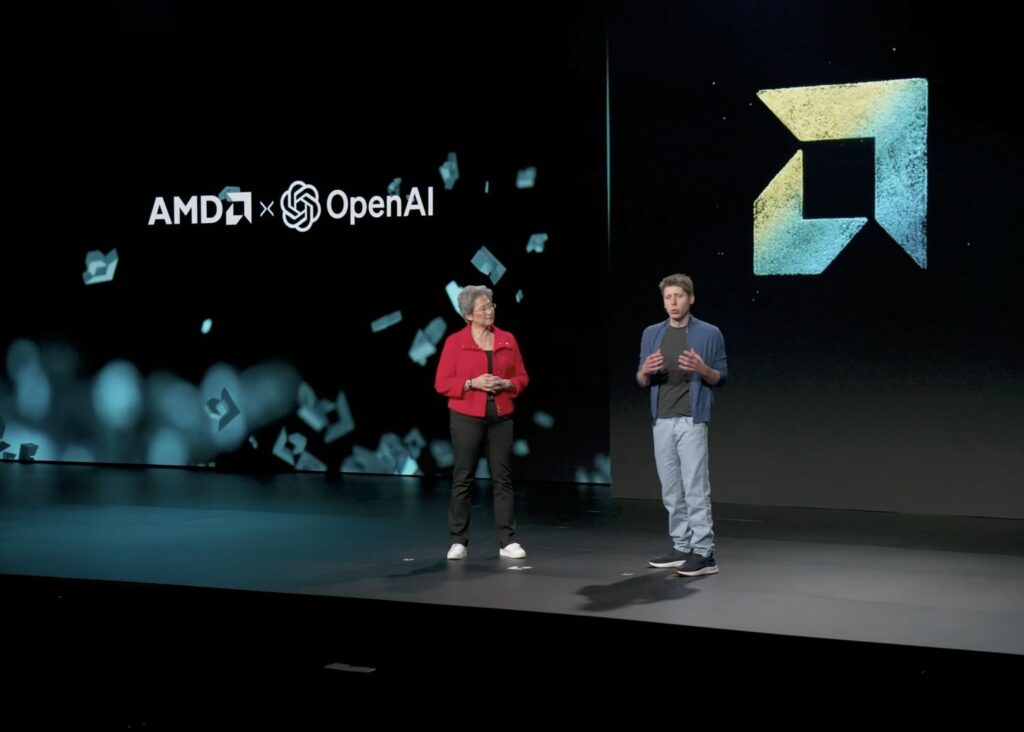
This circular flow is further complicated by OpenAI’s investments in AMD. While OpenAI buys billions of dollars’ worth of AMD chips, it also becomes one of AMD’s top shareholders. This dual relationship positions OpenAI not only as a customer but also as a strategic investor, effectively betting on AMD as a challenger to Nvidia’s near-monopoly in AI hardware.
Oracle and CoreWeave: Reinforcing the Hardware Demand Loop
Oracle has thrown its weight behind this circle with a staggering $300 billion commitment to developing AI data centers. Oracle’s demand for Nvidia chips to power its centers feeds directly into Nvidia’s sales, closing another leg of this complex loop.
CoreWeave, a GPU cloud rental provider valued at about $6.3 billion, plays a critical intermediary role by leasing Nvidia GPUs to fulfill OpenAI’s growing computational needs. OpenAI’s investments in CoreWeave, which in turn uses Nvidia chips to meet the demand, further tie this ecosystem together through multiple financial and supply chain dependencies.
The Circular Flow and the Illusion of Growth
This tightly knit circle of investments and supply chain dependencies creates a self-reinforcing boom. Nvidia’s cash investment in OpenAI mostly flows back as OpenAI’s hardware purchase commitments to Nvidia, creating the appearance of growing revenue and valuation, when much of it is circular money flow rather than new market demand.
Such circular financing arrangements, reminiscent of those seen during the dot-com bubble in the late 1990s, can inflate company valuations artificially without underlying profitability or value creation. Companies in this cycle often rely heavily on continued capital inflows to sustain growth and operations, with actual profits lagging significantly.
Signs of a Bubble: Overvaluation and Speculation
Market valuations for Nvidia, AMD, and related AI infrastructure companies have skyrocketed to unprecedented levels, raising eyebrows among analysts and investors. Nvidia’s market capitalization approached $4.5 trillion despite revenue growth that struggles to justify such a valuation, highlighting a speculative exuberance not unlike historical market bubbles. The enthusiasm is driven heavily by the promise of AI rather than immediate financial returns.
Financial institutions and AI industry leaders—including OpenAI’s CEO Sam Altman—have publicly acknowledged the possibility that the AI sector is operating within a speculative bubble, akin to the dot-com bubble or even worse. The vast sums being poured into AI infrastructure and startups are not matched by guaranteed profits, leading to concerns about a potential sudden market correction.
Market Dynamics and Investment Realities
While the largest hyperscalers like Microsoft, Amazon, Google, and Meta continue to ramp up investments, spending collectively nearing $400 billion, many smaller AI startups face plummeting valuations and dried-up venture capital. This “slow-motion deflation” of the AI bubble hits companies without robust revenue models hardest, while the giants continue to build infrastructure at a breakneck pace.
Debt financing is also increasingly common, with firms like Oracle issuing tens of billions in bonds to fund their AI initiatives. This reliance on debt to finance expansive AI infrastructure heightens financial risk if revenues do not materialize as expected.
What Could Burst the AI Bubble?
Several factors could spark a crash in this interconnected ecosystem:
- Supply Chain Disruptions: Any interruption to the semiconductor supply chain, especially due to geopolitical tensions around Taiwan, could stall chip production and provoke a crisis.
- Regulatory Actions: Government regulations or export controls could restrain growth or limit sales, impacting revenues and valuations.
- Capital Withdrawal: Investors retreating from AI startups and infrastructure projects would starve many companies of cash flow needed to sustain operations, triggering insolvencies.
- Profitability Failures: As studies show only about 5% of enterprise AI deployments currently deliver real business outcomes, unmet profit expectations could undermine investor confidence, causing sharp market corrections.
- Overvaluation Correction: The speculative nature of much AI market valuation could succumb to a correction wave similar to the dot-com bust, leading to massive losses and industry consolidation.
Conclusion: Navigating the AI Investment Highwire
The AI investment landscape is a complex circle of massive financial commitments, technological dependencies, and geopolitical risks. Nvidia, OpenAI, AMD, Oracle, and government actors are entwined in a symbiotic yet precarious relationship that fuels AI’s rapid growth but also lays the groundwork for a potential bubble burst.
This cycle shows how capital can fluidly move in circles, creating the illusion of unprecedented growth while masking underlying fragilities. The ecosystem’s survival depends on genuine technological breakthroughs, sustainable profit realization, and stable supply chains.
Policymakers, investors, and industry leaders must balance optimism for AI’s transformative promise with caution about the speculative excesses. Vigilance is crucial to avoid a severe market collapse while positioning for long-term, durable value creation in AI.