Introduction
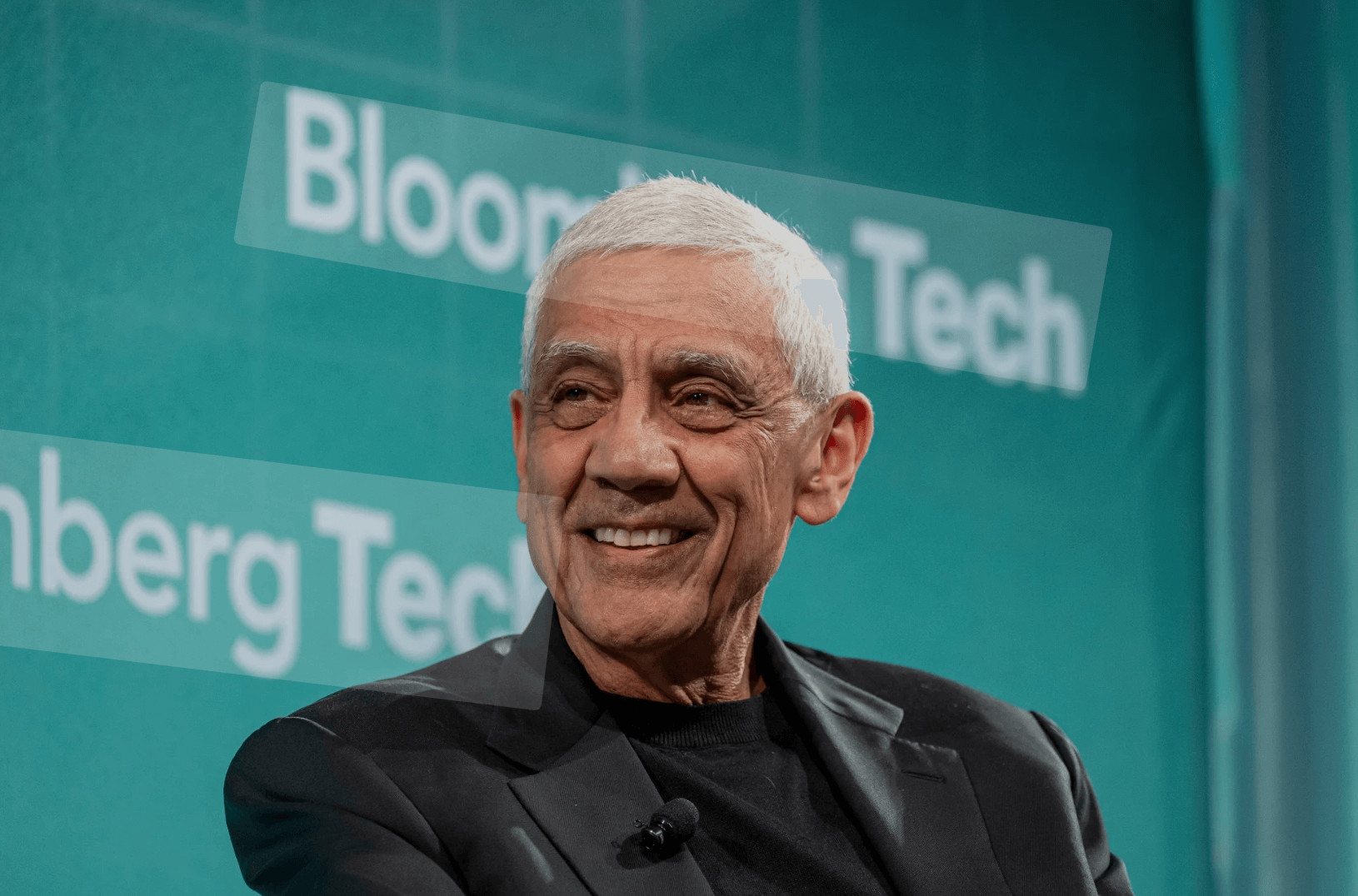
Vinod Khosla stands among the legendary innovators of Silicon Valley—an entrepreneur whose drive, intellect, and willingness to take risks helped shape not only the technology industry, but also the culture of innovation itself. Best known for co-founding Sun Microsystems, Khosla’s journey spans decades of breakthroughs, bold investments, failures, and resounding successes. His impact on the Valley is deep and multifaceted: from technical architectures that powered the Internet’s growth to transformative investments in clean energy, healthcare, and beyond. Through it all, Khosla’s story is one of relentless curiosity, resilience, and belief in the power of ideas.
Early Life: From New Delhi to Stanford’s Halls
Vinod Khosla was born in 1955 in New Delhi, the son of an Indian army officer. From a young age, he was drawn to technology and entrepreneurship, inspired in part by an article in the Electronic Engineering Times about the founding of Intel. He studied electrical engineering at the Indian Institute of Technology Delhi, then earned his Master’s at Carnegie Mellon University, but found himself yearning to start and build things rather than simply study theories.
Arriving at Stanford in the late 1970s for his MBA, Khosla encountered a culture brimming with possibility—a place where tech start-ups weren’t just tolerated, but celebrated. The energy around Silicon Valley, combined with his technical foundation, would soon fuel one of the region’s greatest success stories.
Sun Microsystems: Building the Backbone of Modern Computing
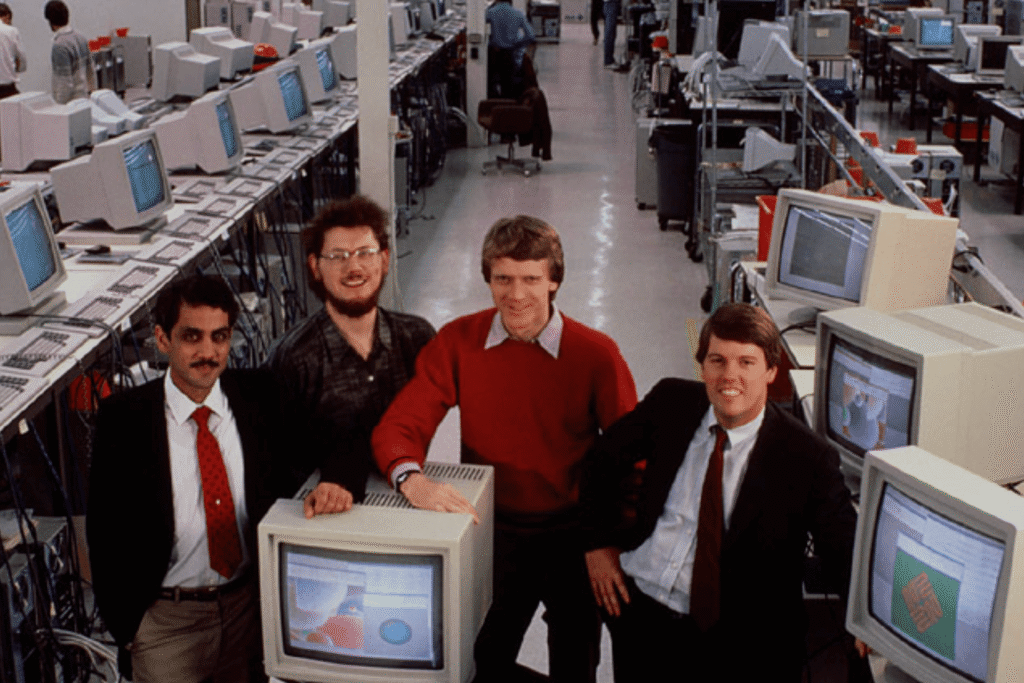
In 1982, Vinod Khosla joined forces with Scott McNealy, Bill Joy, and Andy Bechtolsheim to found Sun Microsystems. Their vision was clear: build high-performance workstation computers that could network easily, run advanced graphics, and help scientists, engineers, and businesses unleash the power of new software platforms.
Khosla brought a unique blend of technical savvy and fierce business instinct to Sun. He was instrumental not just in recruiting talent—bringing Bill Joy on board was a coup—but also in shaping Sun’s product direction and go-to-market strategy. Early Sun workstations, such as the Sun-1 and Sun-2, quickly became coveted by universities and research centers for their speed, flexibility, and Unix-based systems.
Sun Microsystems would later introduce the SPARC processor architecture and become a global force in network computing. Perhaps Sun’s most enduring legacy was the development of the Java programming language—a platform-agnostic tool that became the bedrock of enterprise computing and a key enabler of web applications. Khosla’s influence on Sun’s direction made it the backbone of the early Internet, with Sun servers powering companies from financial giants to Silicon Valley start-ups.
Entrepreneurial Philosophy: Betting Big and Nurturing Talent
Khosla’s role at Sun was marked by his willingness to make bold bets and embrace calculated risk. He believed deeply in visionary leadership—supporting people with the courage to disrupt existing norms. After leaving Sun in 1985, he joined Kleiner Perkins, one of Silicon Valley’s top venture capital firms, where he nurtured dozens of start-ups that took on huge technological and societal challenges.
Khosla’s investment style is famous (and sometimes infamous) for its audacity. He is known for funding ventures others dismiss as impossible—always giving room for ambitious founders to thrive. Khosla never shies away from failure, famously saying, “I have failed more times than most, but that’s how you learn and succeed.” His reputation for directness, honesty, and a relentless focus on big, world-changing ideas made him a sought-after mentor and VC partner.
Life Achievements: Changing Technology, Changing Lives
The list of Vinod Khosla’s achievements is long and impactful:
Co-Founder of Sun Microsystems
He helped build a company that shaped the very foundation of computer networking, engineering, and software development worldwide.
Venture Capital Success
At Kleiner Perkins and later Khosla Ventures (founded in 2004), Khosla’s investments transformed many industries. His portfolio includes major successes in software (for example, Juniper Networks), clean energy (such as LanzaTech and QuantumScape), healthcare (Guardant Health), and food technology (Impossible Foods).
Champion of Clean Tech
Khosla is a leading advocate for sustainable energy and climate innovation. He has funded biofuels, solar power, energy storage, and water management breakthroughs, leveraging venture capital for social impact as well as profit.
Daring Support for Unconventional Innovators
He invested in “crazy ideas”—from artificial organs to next-gen batteries—and gave maverick founders a chance to change the world. His risk tolerance and mentorship have given rise to dozens of companies that challenge the status quo.
Philanthropy and Advocacy
Khosla is involved in philanthropic causes, especially those intersecting with education, technology access, and public health. He actively supports STEM education initiatives, entrepreneurship programs, and organizations advancing science and medicine.
Professional Impact on Silicon Valley
Vinod Khosla’s professional impact on Silicon Valley is profound:
- Building Companies and Architectures: Sun Microsystems powered countless Silicon Valley innovations, setting new standards for networking, computing speed, and software.
- Shaping Venture Capital: Khosla embodies the spirit of bold VC investing, focusing funds on technologies with high disruption potential. Many in the Valley trace their risk-friendly investing ethos to his influence.
- Driving Diversity and Talent: He has championed immigrant founders, unconventional talent, and outsiders whose fresh perspectives deliver breakthrough results.
- Promoting Ethical Entrepreneurship: Khosla emphasizes business as both profit and purpose, advancing clean energy, medicine, and access to technology.
- Mentoring Generations: Through direct mentorship, speaking, and writing, he has inspired entrepreneurs to focus less on incremental gains and more on “failures that matter”—projects that, if successful, can transform societies.
Legacy and Continuing Vision
Today, Vinod Khosla is still deeply engaged with start-ups, researchers, and the larger innovation ecosystem. His firm, Khosla Ventures, steers investment in sectors ranging from hardware and software to health and sustainability. Khosla remains outspoken on topics ranging from artificial intelligence (he’s an AI optimist and critic), to biotech, climate, and the future of the Internet.
He works tirelessly to support entrepreneurs who dare to dream big. Khosla’s legacy isn’t just in the companies he helped build, but in the culture he fostered—one that welcomes risk, celebrates failure as learning, and insists that ideas matter more than pedigree.
Conclusion
Vinod Khosla’s journey from India to Silicon Valley is a classic immigrant success story—driven by curiosity, education, and bold ambition. Through Sun Microsystems, he built the digital backbone of the modern world. As a venture capitalist, he invested in ideas that few others would touch, encouraging entrepreneurs to tackle the hardest problems. More than a tech visionary or a business leader, he’s a champion of purposeful innovation—always asking how technology might change not just industries, but lives.
As Silicon Valley continues to evolve, the entrepreneurial spirit personified by Vinod Khosla remains a guiding light: dream big, invest boldly, learn from every failure, and never stop seeking the next world-changing idea.
Written by Manik Katyal