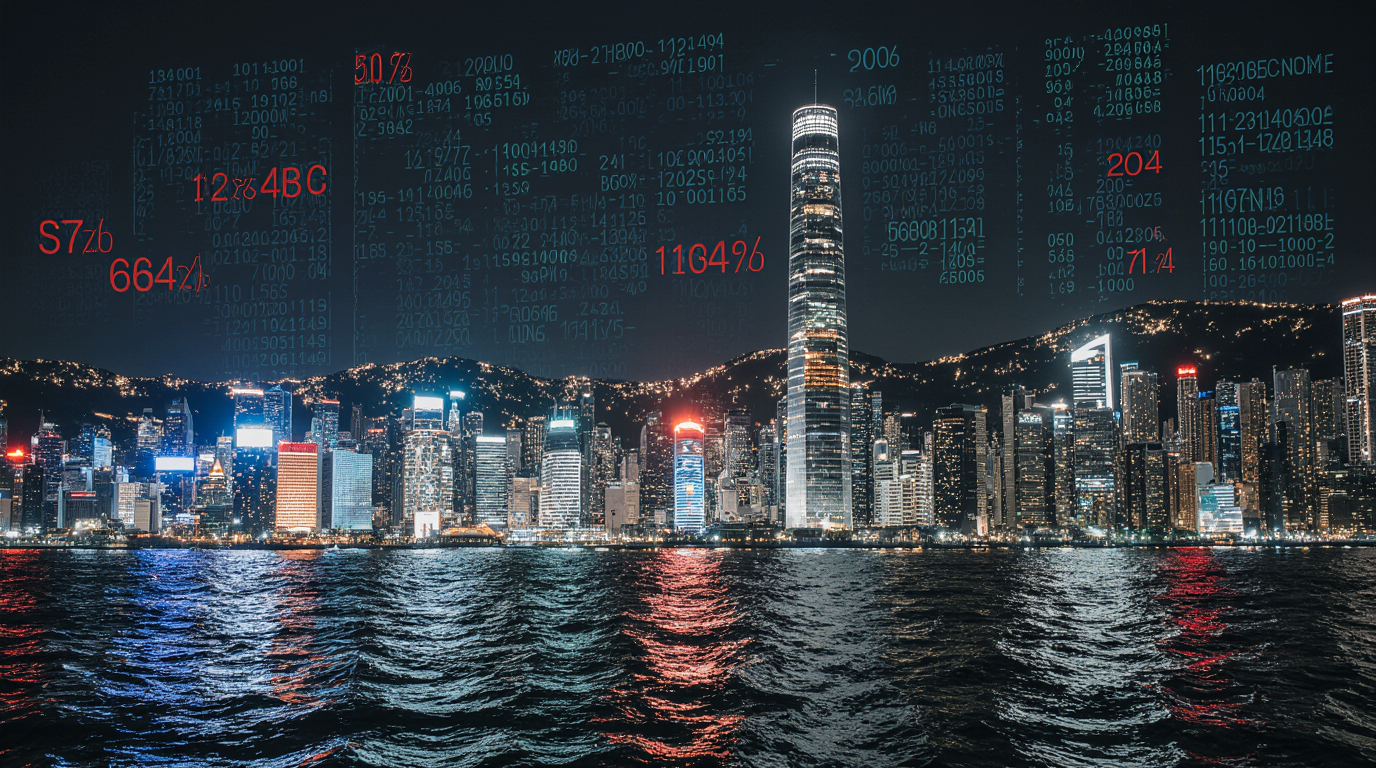
Discover how the Hong Kong Monetary Authority’s (HKMA) investment portfolio influences global financial markets, drives innovation, and shapes the future of investing in 2025 and beyond.
Introduction: The Quiet Power Behind Hong Kong’s Financial Might
When you think of global financial power centers, Hong Kong inevitably comes to mind, known for its bustling stock exchange and gateway role between East and West. Yet, beyond the visible exchanges and skyscrapers lies a colossal force shaping markets worldwide—the Hong Kong Monetary Authority’s Investment Portfolio. Managing a staggering HK$4.3 trillion (approximately US$550 billion) as of mid-2025, the HKMA portfolio is a linchpin of financial stability and a nimble investor in emerging opportunities across equities, bonds, and alternative assets.
For investors, policymakers, and global stakeholders, the HKMA’s moves resonate far beyond the city’s harbor, impacting asset prices, liquidity, and innovation in international stock markets.
Historical Context and Mandate: Stability Meets Growth
The HKMA oversees Hong Kong’s Exchange Fund, established in 1935 to preserve the Hong Kong dollar’s stability and maintain monetary and financial system integrity. Over time, the Exchange Fund evolved to include an Investment Portfolio explicitly tasked with achieving medium- to long-term capital growth.
Today, the portfolio balances prudence and ambition, following a benchmark asset allocation of roughly 75% bonds and 25% equities, supplemented with strategic exposure to alternative and emerging markets assets. The strategy reflects Hong Kong’s status as a mature financial center with a commitment to resilience amid global uncertainties.
Portfolio Composition and Global Reach
As of June 2025, the Exchange Fund’s assets increased by HK$216 billion to HK$4.3 trillion, with investment income hitting HK$194 billion in the first half alone. Equities contributed around HK$50 billion in gains, coming from both Hong Kong-listed and global stocks.
Breakdown highlights:
- Bonds (∼75% of the portfolio): Predominantly US Treasuries, Japanese Government Bonds, and investment-grade corporate debt. Bonds provide steady income and act as a buffer against stock market volatility.
- Equities (∼25%): Key holdings include Hong Kong blue-chips (Tencent, AIA, CK Hutchison), major foreign stocks (Apple, Microsoft, Amazon), and emerging market champions across Asia.
- Alternatives & Other Assets: Increasing diversification into infrastructure, real estate, and emerging multi-asset strategies to enhance returns while managing risk.
This diversified reach enables the HKMA to play a role in global equity flows, helping to shape valuations and liquidity, particularly in Asian markets.
Impact on Global Stock Markets: Stability and Signaling
The stabilizing anchor: With such a massive footprint, HKMA’s portfolio injections can help enhance market stability during sell-offs. For example, during the market downturn in early 2025 triggered by tariff wars and geopolitical tensions, the HKMA’s steady commitment cushioned sharp equity declines.
Market confidence driver: Being a sovereign entity, HKMA’s participation signals institutional trustworthiness. Global investors view its holdings as a vote of confidence, encouraging inflows into volatile markets, especially in Greater China and Asia-Pacific.
Liquidity provision: HKMA’s vast holdings in bonds and equities ensure Hong Kong remains one of the most liquid financial hubs worldwide. This liquidity supports efficient price discovery and lowers transaction costs for all market participants.
Embracing Innovation: The HKMA’s Foray into Digital Assets
As financial markets evolve, the HKMA is steering the portfolio toward innovation. Hong Kong banks increasingly issue and trade digital assets, and the HKMA facilitates this growth by:
- Enabling the custody and distribution of tokenized securities and assets.
- Collaborating with fintech to develop next-generation financial infrastructure.
- Supporting the launch of regulated digital products to tap rising investor demand.
These digital initiatives position Hong Kong to capture growth in new financial frontiers, strengthening its global competitiveness.
Geopolitical and Economic Context: Navigating a Complex Landscape
The HKMA operates amid complex global forces: US-China trade tensions, currency fluctuations, and shifting regulatory frameworks. Its balanced investment strategy helps mitigate risks tied to geopolitical shocks, sustaining Hong Kong’s role as a resilient international financial center.
Moreover, partnerships with global central banks and financial authorities foster cross-border cooperation and enhance stability. Going forward, deepening ties with Middle Eastern and Southeast Asian economies remain a priority, reflecting the region’s strategic influence in global capital markets.
What’s In It for Investors?
For individual and institutional investors worldwide, HKMA’s portfolio serves as:
- A bellwether of market sentiment and risk appetite in Asia.
- A source of implied market stability, reducing volatility through patient, large-scale investing.
- A trendsetter in integrating ESG and sustainability imperatives into sovereign investing.
- An anchor enabling access to Hong Kong’s rich financial ecosystem, including IPOs, boutique funds, and digital assets.
Conclusion: The HKMA Portfolio—Quiet Powerhouse on the Global Stage
In a world where markets are buffeted by trade wars, geopolitics, and technological shifts, the Hong Kong Monetary Authority’s Investment Portfolio stands as a quietly formidable force. Its deep pockets, steady hand, and willingness to embrace innovation position it at the heart of global equity markets’ future.
Whether you’re watching tech stocks in Silicon Valley, banking shares in Mumbai, or infrastructure plays in London, HKMA’s footprint is deeply embedded. For savvy investors and market watchers, understanding the HKMA’s moves offers insight into the broader currents shaping market trajectories.