Imagine this: It is a sweltering October evening in 2025, and millions of eyes are glued to screens across India and beyond—not for the latest Bollywood blockbuster or a high-stakes IPL thriller, but for the electric clash between India and Pakistan in the ICC Women’s Cricket World Cup. The roar from packed stadiums echoes through living rooms, and social media lights up with memes, predictions, and unfiltered passion.
This is not a niche event tucked away in the shadows of men’s cricket anymore. Women’s cricket has burst onto the global stage, shattering records, and wallets alike. With viewership skyrocketing fivefold and ad spending surging by 50%, it is clear: women’s cricket is not just playing the game—it’s rewriting the rules of entertainment and commerce.
Once dismissed as “tokenism”—a perfunctory nod to gender equality amid the male-dominated cricketing empire—women’s cricket is now the hottest ticket in town. What started as sparse crowds and skeptical sponsors has evolved into a cultural phenomenon that is drawing in families, influencers, and Fortune 500 brands.
The Viewership Explosion: From Whispers to Roars
Let’s start with the elephant in the room—or rather, the scoreboard that’s impossible to ignore. The ICC Women’s Cricket World Cup 2025, which wrapped up on November 2 with hosts India clinching their maiden title in a thrilling 52-run victory over South Africa in the final at the DY Patil Stadium in Navi Mumbai, has now etched its name in history with unprecedented numbers.
Building on the early momentum, the entire tournament—spanning 31 gripping matches—drew a staggering over 500 million unique viewers worldwide, shattering previous benchmarks and representing a more than fivefold increase compared to the 2022 edition’s total reach. That’s not just growth; that’s a revolution. To put it in perspective, if the 2022 tournament was a cozy gathering of cricket purists, 2025 feels like a global party where everyone’s invited—and showing up in droves.
The India vs. Pakistan showdown? It did not just break records; it obliterated them. Clocking an unprecedented 1.87 billion minutes of consumption, this single fixture outpaced even the most hyped men’s encounters in digital metrics. In India alone, where cricket is less a sport and more a religion, the Women’s Asia Cup 2024 saw a 126% jump in viewership from 2022, setting the stage for this World Cup frenzy. And it’s not confined to TV screens—digital platforms like JioHotstar reported a 12x surge in minutes watched compared to the previous tournament, with younger audiences (hello, Gen Z) leading the charge on mobiles and OTT apps.
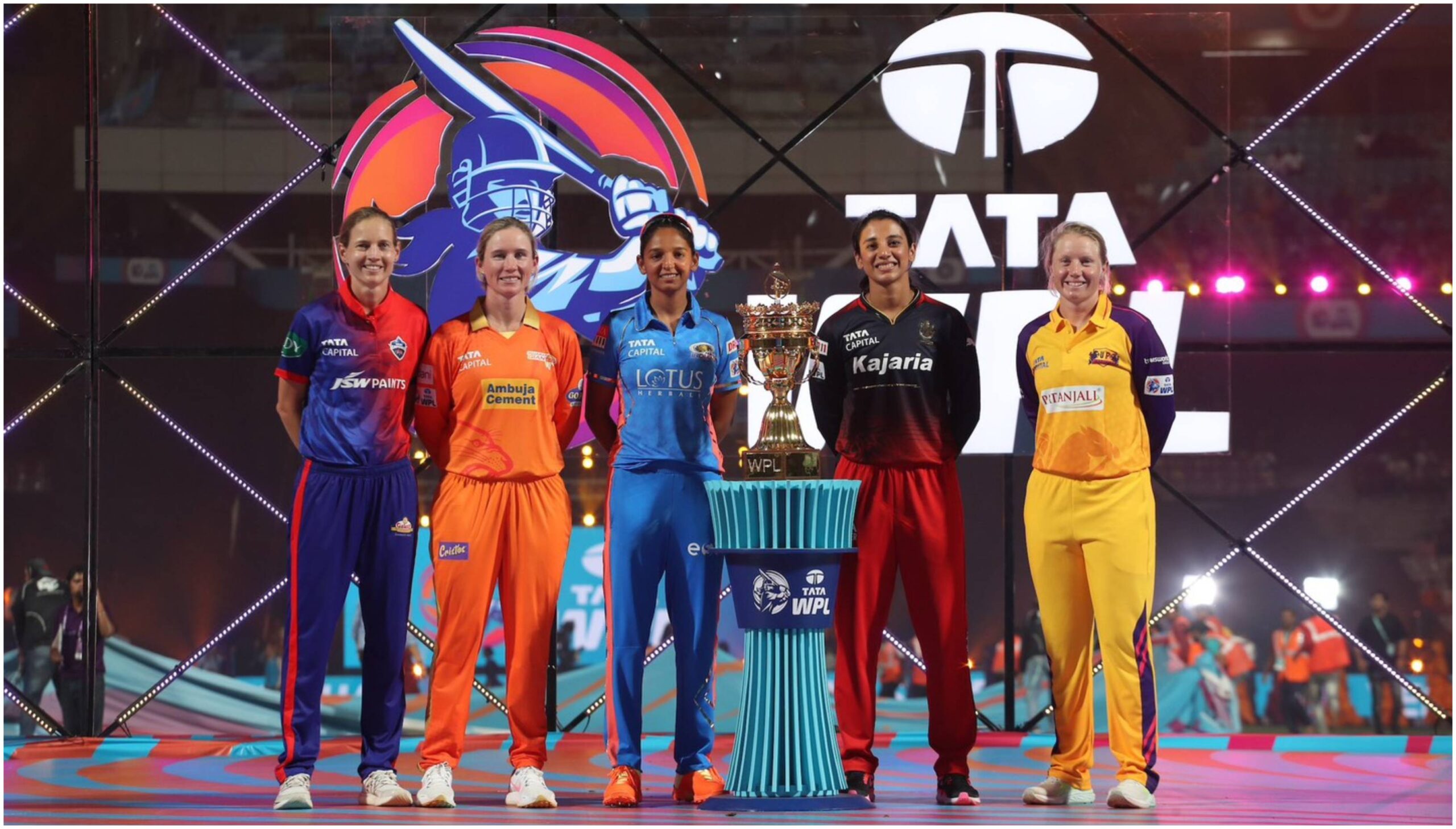
Zoom out globally, and the story gets even more compelling. Stadiums that once echoed with half-empty stands are now sell-outs, with attendance up dramatically in host nations like India. The Women’s Premier League (WPL) 2025, India’s marquee domestic T20 league, wrapped up just months before the World Cup, smashed records with over 436 million viewers—a jaw-dropping 95% surge from 2024’s already impressive tally—proving it’s not just a league, but a cultural juggernaut. Finals fever peaked at 10 million concurrent watchers, while stadiums overflowed with sell-out crowds, blending Bollywood glamour with boundary-hitting bravado.
Why the surge? It’s a perfect storm of accessibility, storytelling, and sheer talent. Gone are the days of grainy broadcasts and limited coverage. Broadcasters are investing in high-production glamour—think drone shots, player cams, and post-match analyses that rival the men’s game. Social media amplification has turned viral moments (remember that audacious scoop shot?) into cultural currency, drawing in non-traditional fans. Families are tuning in together, with parents discovering a sport that is empowering their daughters as much as entertaining everyone. Women’s cricket is not begging for attention anymore; it’s commanding it.

Ad Spending on the Rise: Brands Bet Big on the Breakout Star
If viewership is the heartbeat of this transformation, ad spending is the lifeblood pumping money into its veins. For the ICC Women’s World Cup 2025, advertisers have upped their game with a 50% rise in overall spending compared to 2022, signaling that brands aren’t just dipping toes—they’re diving headfirst into this lucrative pool. Media rates for prime-time slots have jumped 40% for TV spots during India games, while OTT CPMs (cost per mille) have climbed 50%, making it a marketer’s dream.
Take Unilever, a title sponsor for the tournament, or the slew of new entrants like Tata, Paytm, and even fashion giants dipping into sportswear collabs. Why? The math adds up. Deloitte’s latest report predicts that sponsors of women’s sports in markets like Australia will see a 75% higher return on investment per dollar spent in 2025, thanks to loyal, diverse audiences. In India, where women’s cricket viewership grew 103% from late 2023 to 2024, brands are chasing not just eyeballs but engaged, aspirational consumers—think urban millennials who value inclusivity and empowerment.
This is not scattershot spending; it’s strategic. Ad volumes during key matches have swelled, with categories like FMCG, automobiles, and e-commerce leading the pack. The finale alone saw rates hike 15-20% as India’s semi-final run sparked an ad rush.
The ripple effect? Increased prize money (a record $13.88 million for the World Cup) and sponsorship deals that fund grassroots programs, creating a virtuous cycle. Women’s cricket is proving that profitability and progress are not mutually exclusive—it’s a platform where ads don’t interrupt the action; they enhance it.
Beyond the Numbers: Mainstream Magic and Cultural Conquest
So, what does this mean for women’s cricket as a whole? It’s no longer a “niche segment” tolerated for diversity quotas. It’s a mainstream entertainment juggernaut, blending high-octane drama with social resonance. From packed IPL-style auctions for WPL teams to celebrity endorsements (hello, Bollywood’s Deepika Padukone cheering from the stands), the sport has woven itself into the fabric of pop culture.
Consider the narratives: It’s not just about wins and losses anymore. It’s stories of breaking barriers—like how the World Cup’s global broadcast reached untapped markets in the US and UK, fostering a new wave of international fans. Or the way it’s inspiring young girls in rural India to pick up bats instead of bookshelves, with enrollment in academies up 40% post-WPL. Advertisers get it: This audience is not transient; it’s transformative, driving conversations around gender equity that spill over into boardrooms and ballots.
The Future Pitch: Sixes All the Way
As the dust settles on the 2025 World Cup, one thing’s crystal clear: Women’s cricket is here to stay—and dominate. With projected ad revenues surging another 70% for future events and viewership trends pointing toward billion-strong global audiences, the sport is poised for exponential growth. Brands, brace yourselves; this is not a fad—it’s the future.
So, next time you catch a women’s match, don’t just watch. Cheer louder. Share the highlights. Because in the grand tapestry of sports, women’s cricket isn’t filling a gap—it’s claiming the center. From tokenism to triumph, it’s a reminder that when you give talent the spotlight, it doesn’t just shine; it sets the world ablaze. Who’s ready for the next over?