Introduction
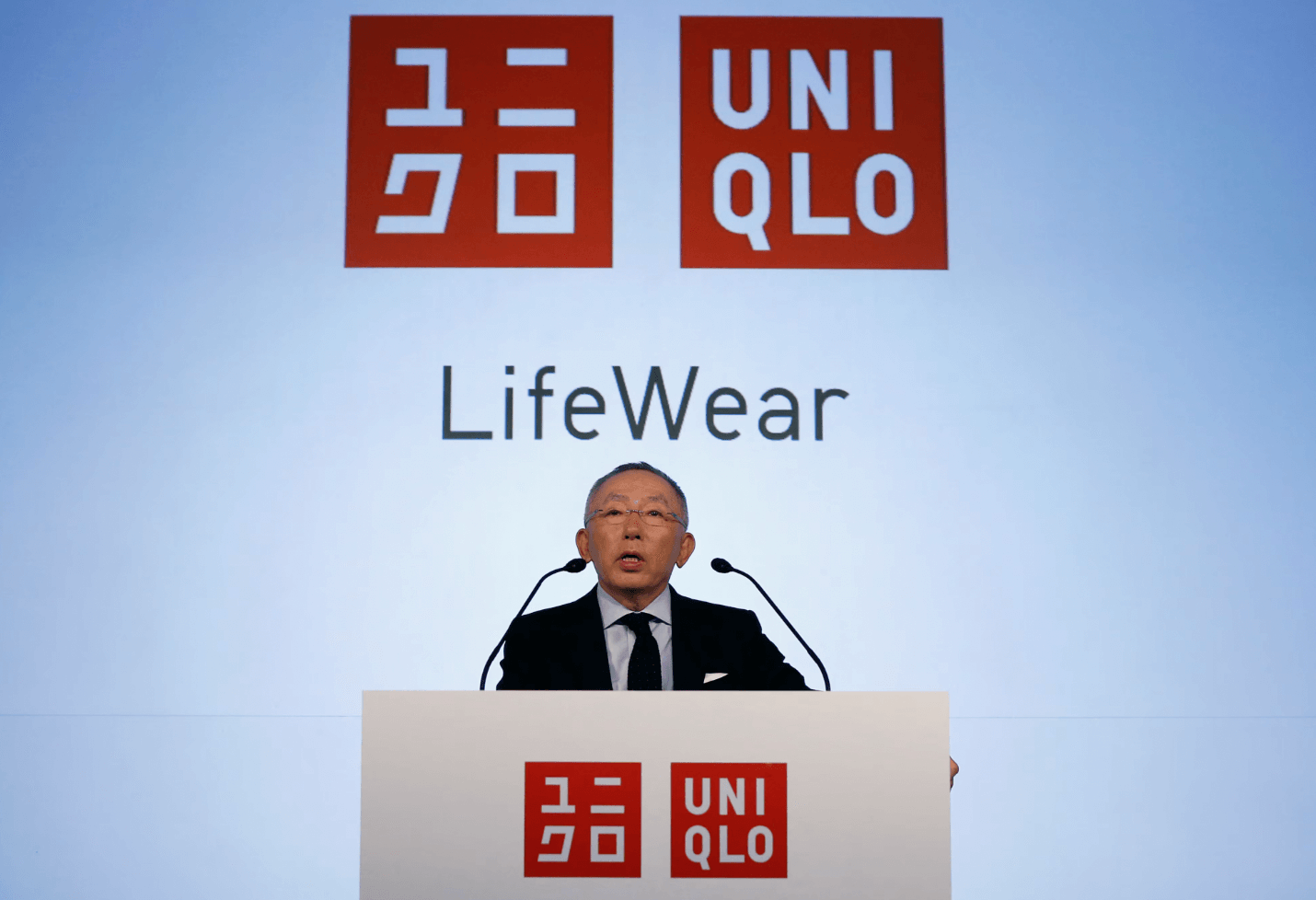
In a world where fashion trends shift in the blink of an eye, few brands blend innovation, simplicity, and cultural essence as effortlessly as Uniqlo. At the heart of this sartorial revolution is Tadashi Yanai, the visionary Japanese entrepreneur who transformed a modest tailoring chain into one of the globe’s foremost apparel brands. Anchored in the principles of Japanese minimalism and unwavering quality, Yanai’s leadership reshaped the way people across continents dress—elevating straightforward, durable basics into a worldwide movement. This article unpacks how Yanai’s unique fusion of design philosophy, business discipline, and cultural values propelled Uniqlo from a Hiroshima storefront to a global fashion powerhouse.
Humble Beginnings and a Bold Pivot
Tadashi Yanai’s journey began in Ube, Yamaguchi, where, in 1972, he inherited his father’s men’s tailoring chain, Ogori Shōji, which had roots going back to 1949. Rather than continue on the path of formal wear, Yanai was inspired by casual apparel chains like Gap and Benetton, which he observed gaining popularity abroad.
In June 1984, he launched Unique Clothing Warehouse in Hiroshima—later truncated to “Uniqlo” due to a clerical misreading that replaced the intended “c” with a “q”. This rebranding—born of happenstance—would seed a globally recognized name.
Japanese Aesthetic at the Core
Uniqlo’s identity diverges sharply from Western fast-fashion’s flashy designs and rapid turnover. Instead, it embodies Japanese ideals: minimalist aesthetics, universal appeal, and a relentless drive for betterment. The “LifeWear” philosophy centers on creating timeless essentials—T-shirts, sweaters, denim, and lightweight jackets—with clean styles, muted palettes, and subtle elegance.
Innovation Meets Technology
Uniqlo’s rise wasn’t powered solely by its aesthetic; innovation and tech played key roles. The brand pioneered functional textiles—such as Heattech, AIRism, and Ultra Light Down—combining comfort with performance. Its R&D hubs test clothing under extreme conditions, ensuring durability and quality. This focus on refining fewer, better-designed garments rather than chasing trends remains central to its competitive edge.
A Culture of Excellence
Yanai ushered in a disciplined company culture anchored by his 23 Management Principles, promoting integrity, teamwork, customer-centricity, and continuous innovation. Employees undergo lengthy training—learning precise folding, polite credit card returns, and the importance of eye contact. Operational transparency reigns: daily sales and performance data are shared openly to encourage accountability and agility.
Global Expansion and Universal Appeal
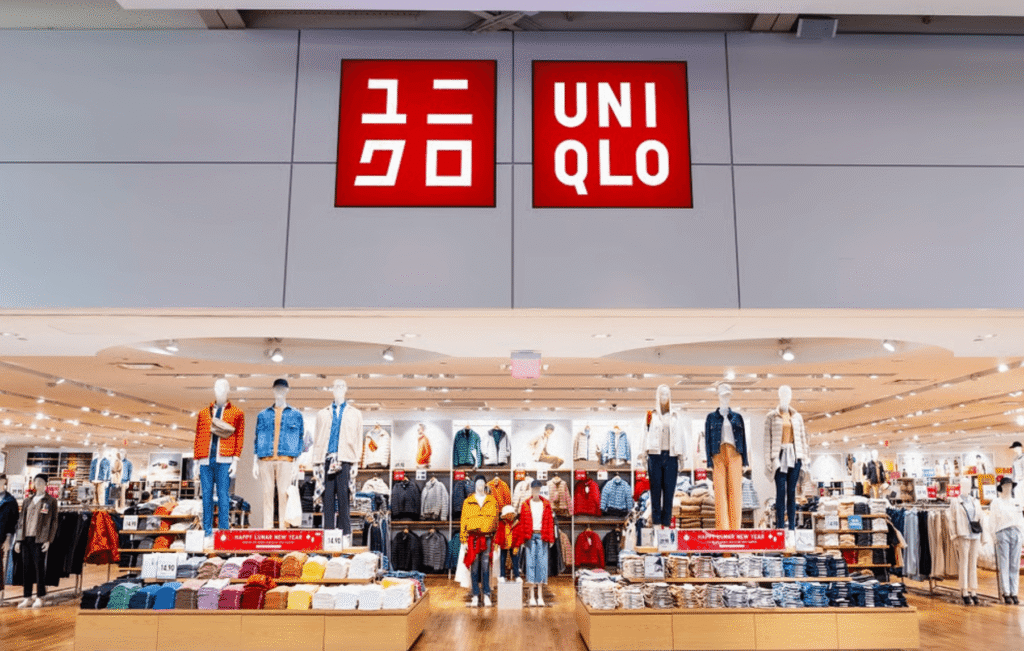
Uniqlo’s Japanese essence resonated globally. As of late 2024, the brand operated over 2,500 stores worldwide. It reached 2,541 stores by November 2024 according to Fast Retailing’s figures while FY2024 sales totaled ¥2.644 trillion, contributing to overall group revenue topping ¥3 trillion.
Financially, Fast Retailing reported net profit of $2.5 billion on $21 billion revenue for the fiscal year ending August 2024. The company remains on a growth trajectory—raising its full-year operating profit forecast to ¥545 billion for FY2025, driven by domestic and international strength despite challenges like U.S. tariffs.
Sustainability and Social Impact
Under Yanai’s stewardship, Uniqlo emphasizes durability over disposability—positioning itself as a pioneer in “slow fashion.” From product recycling drives to water-saving denim manufacturing, the brand underscores its commitment to sustainability and responsible design.
Conclusion
Uniqlo is more than a clothing retailer—it’s a global movement rooted in functional beauty, innovation, and accessibility. Tadashi Yanai’s leadership has proven that a vision built on simplicity, continuous improvement, and cultural values can transcend borders and reshape the fashion industry. In every Uniqlo store—from Tokyo to New York, Paris to Mumbai—the quiet power of smart, thoughtful clothing lives on.