YouTube is not just a website. It is a digital universe where anything can go viral, anyone can become famous, and every day brings a new meme, trend, or life-changing tutorial. But did you know it almost started as a dating site? That’s right: YouTube’s journey from a quirky Valentine’s Day experiment to a global powerhouse is a story packed with twists, failures, and one of the most dramatic pivots in tech history.
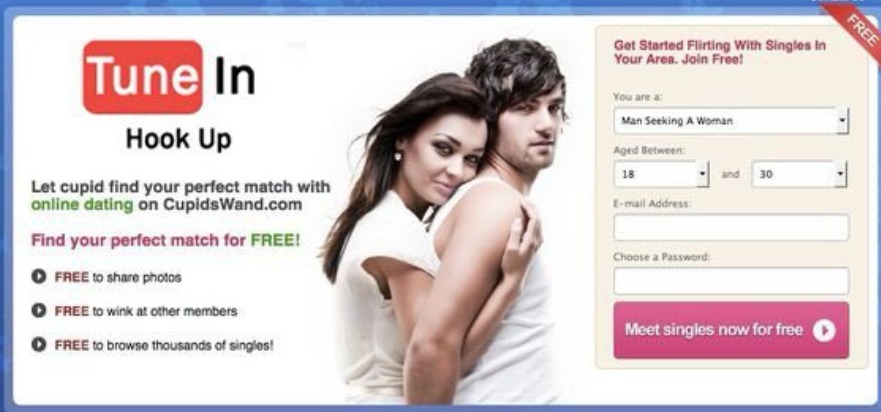
The Beginning: A Dating Site Called ‘Tune In, Hook Up’
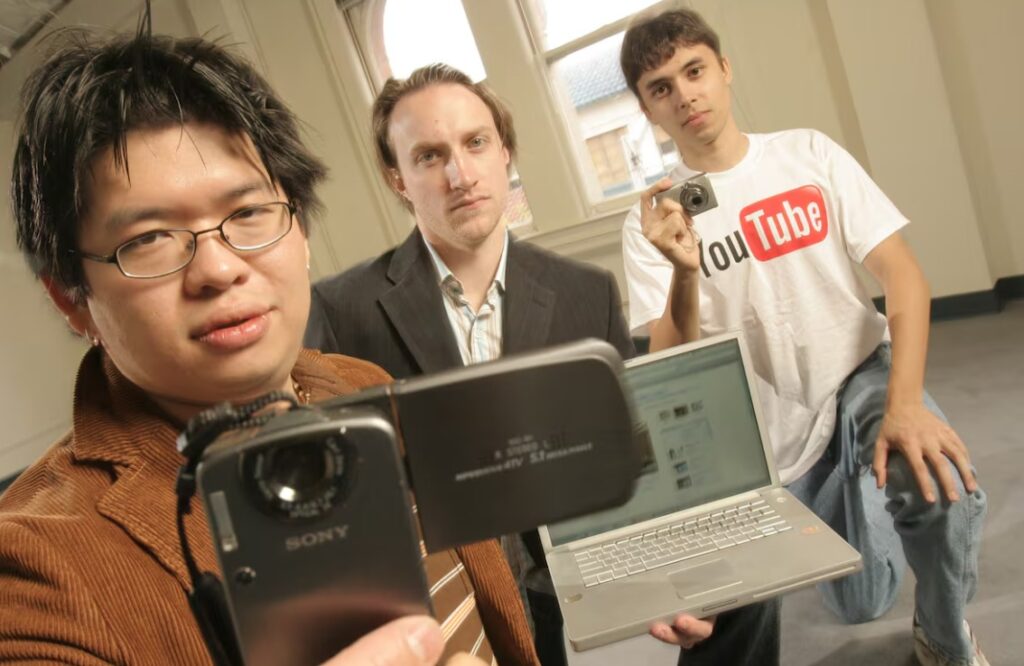
Back in 2005, three ex-PayPal employees (Chad Hurley, Steve Chen, and Jawed Karim) had a bold idea: a video-based dating platform. On Valentine’s Day, they registered YouTube.com with the tagline “Tune in, Hook up.” Their vision? Singles would upload personal intro videos to find love. Sounds fun, right?
But the world was not ready for video dating, at least not on YouTube. The founders even offered $20 to women on Craigslist to upload dating videos. Spoiler: almost no one took the bait. The platform sat eerily quiet, with barely any takers. It was awkward, it was failing, and the three founders knew they had a problem on their hands.
These were not just any tech bros, though. They had cut their teeth at PayPal during the dot-com boom and learned a crucial lesson: sometimes your best idea isn’t your first idea. They had witnessed firsthand how adaptability could mean the difference between becoming a billion-dollar success or a forgotten footnote in Silicon Valley history.
Failing Forward: The Pivot That Changed Everything
With the dating idea going nowhere, the team had a lightbulb moment. What if YouTube was not just for dating? What if anyone could upload any video they wanted? The inspiration allegedly came from two frustrating experiences: Karim struggling to find Janet Jackson’s infamous Super Bowl wardrobe malfunction video online, and Hurley and Chen unable to easily share party videos with friends.
That is when the platform’s true magic was unlocked. The shift from a niche dating site to an open video-sharing platform was a game-changer, and it all happened because the founders listened to what users really wanted. They were not stubborn about their original vision. Instead, they recognized a far bigger opportunity staring them in the face: people desperately wanted an easy way to share videos online, period.
Before YouTube, sharing videos was a nightmare. You would email massive files that clogged inboxes, or post them on personal websites where they’d take forever to load. YouTube solved this with elegant simplicity: upload once, share a link, done. No technical knowledge required.
The First Video That Started It All
On April 23, 2005, Jawed Karim uploaded the very first YouTube video: “Me at the Zoo.” It was a simple 18-second clip of him standing in front of elephants at the San Diego Zoo, casually remarking that “these guys have really, really, really long trunks.” No fancy editing, no celebrity guests. Just a regular guy sharing a moment.
That video became a digital relic, symbolizing YouTube’s core philosophy: anyone can upload, share, and express themselves freely. It is still up today, with over 280 million views and counting. It is a testament to how far the platform has come. What started as a casual test upload became the first domino in a chain reaction that would reshape global media forever.
A New Kind of Viral: The Rush of User Content
As users started uploading videos of pets, vacations, and everyday life, YouTube exploded. You didn’t need a studio or a crew. You just needed a camera and a story. By June 2005, the platform was retooled for all kinds of uploads, and participation skyrocketed. Within months, YouTube had thousands of daily viewers. Soon, that number ballooned into the millions.
The magic formula? YouTube made video sharing ridiculously simple at a time when broadband internet was finally becoming common enough to make it practical. Users could record something on their camcorder, upload it to YouTube, and instantly share it with the world. The platform’s player was smooth, the interface was clean, and unlike competitors, videos actually loaded and played reliably.
Early viral hits showcased YouTube’s unpredictable power. There was “Evolution of Dance” by Judson Laipply, which became one of the first videos to hit 100 million views. There was the “Numa Numa” guy lip-syncing with infectious enthusiasm. There were skateboarding fails, wedding disasters, and baby pandas sneezing. Content that would have never found an audience through traditional media suddenly captivated millions.
By July 2006, YouTube was serving more than 100 million videos per day. The site was adding 65,000 new videos daily and attracting 20 million visitors monthly. These were not just impressive numbers. They were revolutionary. YouTube had tapped into something primal: humanity’s desire to watch, share, and connect through stories, no matter how big or small.
The Google Takeover: Fueling the Next Stage of Growth
In October 2006, just over a year after launch, Google made a jaw-dropping move: they acquired YouTube for $1.65 billion in stock. At the time, analysts were split. YouTube was a traffic phenomenon but was not making money. In fact, it was burning through cash on server costs and facing mounting copyright lawsuits from media companies furious about pirated content.
Critics wondered if Google had overpaid for a legal nightmare. Others questioned if Google could preserve YouTube’s wild, creative energy or would corporate-ize it into oblivion. But Google’s leadership saw something others missed: YouTube was not just a video site. It was the future of media, advertising, and human expression rolled into one.
The acquisition was a rocket booster. Google provided the bandwidth, infrastructure, and legal muscle YouTube needed to survive copyright lawsuits and server costs that would have crushed an independent startup. YouTube got access to Google’s advertising technology, data centers, and deep pockets. It was the perfect symbiotic relationship.
Most importantly, Google launched the YouTube Partner Program in December 2007, letting creators earn money from ads. This did not just change lives. It sparked a whole new economy built on creativity and community. Suddenly, making videos was not just a hobby. It could be a career. The concept of a “YouTuber” was born, and with it, an entirely new form of celebrity.
The Birth of a Creator Economy
The Partner Program transformed everything. Teenagers filming comedy sketches in their bedrooms could suddenly earn thousands of dollars per month. Beauty vloggers, gamers, educators, and entertainers found audiences that traditional gatekeepers would have never given them. YouTube democratized fame and fortune in ways that were previously unimaginable.
Early YouTube stars like Smosh, Fred, and Lonelygirl15 proved you did not need a Hollywood agent or a TV network deal to reach millions. You just needed talent, consistency, and an authentic connection with your audience. The platform rewarded creativity and personality over production budgets.
Twenty Years Later: A Media Giant
Fast forward to today, and YouTube is almost unrecognizable from its humble beginnings, yet somehow still true to its core mission. With over 2.5 billion monthly users, it is the second-most visited website on Earth after Google itself. More than 500 hours of video are uploaded every minute. That is 30,000 hours of content every single hour. It is an incomprehensible flood of human creativity.
YouTube has survived and thrived through multiple eras of internet evolution: the rise of social media, the mobile revolution, the streaming wars, and now the age of short-form video with YouTube Shorts competing directly with TikTok. It’s become the go-to platform for everything from entertainment to education, from music videos to DIY tutorials, from breaking news to nostalgic throwbacks.
The platform that almost became a dating site instead became the world’s video library, classroom, entertainment hub, and cultural town square all rolled into one. Not bad for a Valentine’s Day experiment that nobody initially wanted to join.
From “Tune in, Hook up” to “Broadcast Yourself” to today’s reality where YouTube simply is the internet for billions of people, the evolution is nothing short of extraordinary. And who knows? The next twenty years might be even wilder.