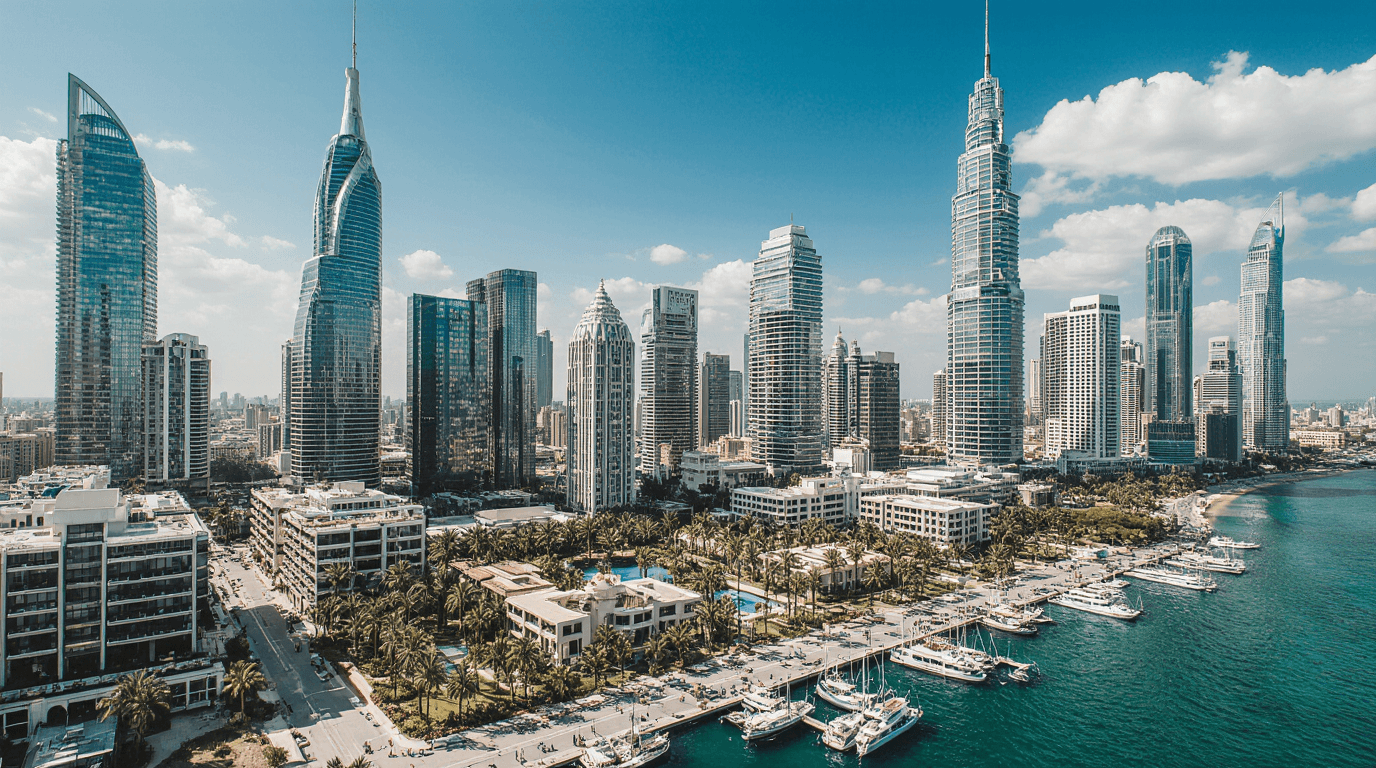
Dubai’s skyline is filled with promise—shimmering towers, new developments, and booming sales numbers. But as the emirate rides a multi-year wave of growth, whispers of a possible real estate market crash in the coming years are growing louder. Is Dubai heading for another tumble, or are these fears overblown? Let’s break down what you really need to know as an investor, resident, or observer.
The Post-Pandemic Surge and Bubble Warnings
Since 2022, Dubai’s residential prices have soared by more than 60%, driven by global wealth inflows, Golden Visa reforms, and infrastructure spending. Foreign investors—especially from Russia, across Europe, and South Asia—see Dubai as a haven. Transaction volume broke records in 2024 and 2025, with billions pouring in each quarter. But rapid price appreciation always brings bubble talk, especially in places with a history of boom-and-bust cycles.
The “Crash” Triggers: Oversupply, Global Shocks & Investor Sentiment
What’s igniting the debate? Experts such as Fitch Ratings are predicting a 10-15% correction between late 2025 and 2026. Why? Mainly oversupply. Over 210,000 new homes will be completed in Dubai between 2025 and 2027—nearly double the previous three-year volume. Population growth—projected at 4-5% per year—struggles to match this rate, creating potential for vacant units, sliding rents, and bargain prices.
Global uncertainty, from interest rate hikes to regional unrest, could also trigger a sell-off. Foreign capital has a history of moving quickly—if market sentiment sours, buyers and sellers are left stranded.
The Bubble Question: Is Dubai Really at Risk?
Market bubbles happen when prices grow wildly out of sync with actual demand, often driven by speculation or cheap credit. Dubai’s last major crash in 2008 wiped out billions—buyers got burned, construction halted, and “ghost towers” dotted the skyline.
Are things different now? Yes, but not risk-free. The government’s regulations are tighter, speculative buying is far less rampant, and mortgage requirements keep risky bets in check. According to UBS’s Global Real Estate Bubble Index, Dubai ranks much lower in bubble risk compared to Toronto, Frankfurt, or Zurich. Most of today’s buyers are end-users or long-term investors, not flippers.
Why Dubai Is Still Resilient—The Case for Optimism
Strong Demand Drivers:
Dubai’s population and economic growth continue to outpace most developed cities. Visa reforms make it easier to become a resident or investor, and the city’s lifestyle appeal is undiminished.
Economic and Regulatory Strength:
Diversification beyond oil, infrastructure megaprojects, and a balanced employment market provide a cushion. Government policies now encourage sustainable growth, not just fast profits.
Investor Opportunity:
Rental yields in Dubai average 5-9%, far surpassing London or New York. New supply puts pressure on prices, but prime areas like Palm Jebel Ali and Meydan Avenue have seen values rise over 200% in five years. Tax incentives (no income, property, or capital gains tax) make Dubai even more attractive.
The “Correction” vs. “Crash” Debate
Most experts agree: Dubai faces a price correction, not a catastrophic crash. Fitch and Cushman & Wakefield see prices softening 10-15% but overall stability led by demand in luxury segments, villas, and prime locations. Developers are shifting focus to projects with proven end-user demand, and rental growth continues to attract buyers.
Risks to Watch
- Unbalanced Supply: Off-plan developments could flood the market. Research the developer reputation and location before investing.
- Global Capital Flows: If worldwide risk aversion spikes, Dubai could feel the pinch—even more than mature markets.
- Micro-Market Disparity: Central districts and luxury villas will stay strong; fringe zones and cookie-cutter towers may see price drops and longer vacancies.
Outlook: Savvy Strategies
If you’re an investor, choose prime locations, high-demand communities, and projects with limited supply. Consider long-term rental yields and look for diversified returns. For off-plan buyers, focus on reputable developers and realistic timelines.
For residents and first-time buyers, now may be a good window—price softening gives more options, but expect subtle shifts rather than sharp drops. The Dubai market’s biggest advantage remains its balance of affordability, lifestyle, and global appeal.
Conclusion: Not All Booms End in Busts
While Dubai’s real estate sector faces challenges—chiefly oversupply and cyclical corrections—a full-blown crash seems unlikely in the near future. Prudent policies, robust demand, and strategic growth plans place Dubai in a strong position for sustainability. Investors should embrace data-driven caution, but can remain confident: Dubai’s property story is evolving—not collapsing.