Introduction
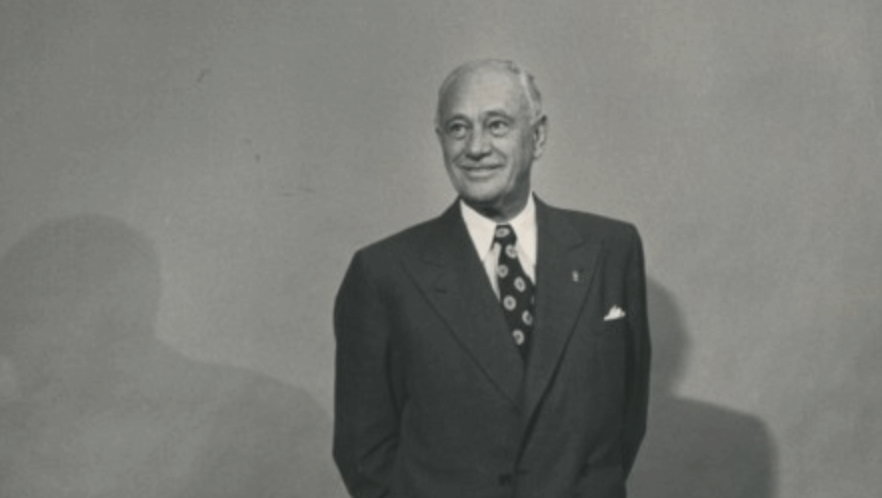
Conrad Hilton didn’t set out to build one of the world’s greatest hospitality empires. In fact, his entry into the hotel business was a twist of fate—a failed bank purchase that led to buying a small Texas hotel almost by accident. From this humble misstep, Hilton’s vision, grit, and business acumen reshaped global hospitality, creating the iconic Hilton Hotels brand with nearly 1.2 million rooms in over 7,600 properties across 126 countries by 2025 and an annual revenue of $10.9 billion. This is the extraordinary story of how a New Mexico merchant’s son became the hotel kingpin whose name defines service, luxury, and global reach.
The Accidental Hotelier: The Mobley, Cisco, Texas
In 1919, a 31-year-old Conrad Hilton traveled to Cisco, Texas, hoping to purchase a local bank. When the deal fell apart at the last minute, Hilton wandered into the Mobley Hotel—a bustling, unassuming place packed with oil workers and rented out in rotating eight-hour shifts. Struck by the constant demand and quick turnover, Hilton saw opportunity and, armed with his mother’s encouragement and a few loans, bought the Mobley on the spot.
Hilton sent a jubilant telegram home: “Frontier found. Water deep down here. Launched first ship in Cisco.” The Mobley proved wildly successful, teaching Hilton the power of service, high occupancy, and adaptability—values that would fuel his ascent.
From Small-Town Hotels to the Dallas Hilton
Success at the Mobley emboldened Hilton to acquire more hotels across Texas, fixing up run-down properties in booming oil towns. But his ambitions soon outgrew the state’s borders. By 1925, Hilton opened his first new-build property, the Dallas Hilton—the first to bear his name. It was a high-rise designed to attract both weary travelers and wealthy oilmen, and despite construction setbacks and financial strains, the Dallas Hilton’s grand opening marked the start of a legend.
Surviving the Great Depression—And Expanding
The Great Depression nearly wiped Hilton out. He lost several properties, often forced to manage hotels he no longer owned simply to survive. Yet, Hilton’s resilience and innovative thinking—prioritizing customer service, comfort, and new amenities—kept him afloat. He pioneered then-rare offerings like air conditioning, room service, and in-hotel shops, creating a blueprint for modern hospitality.
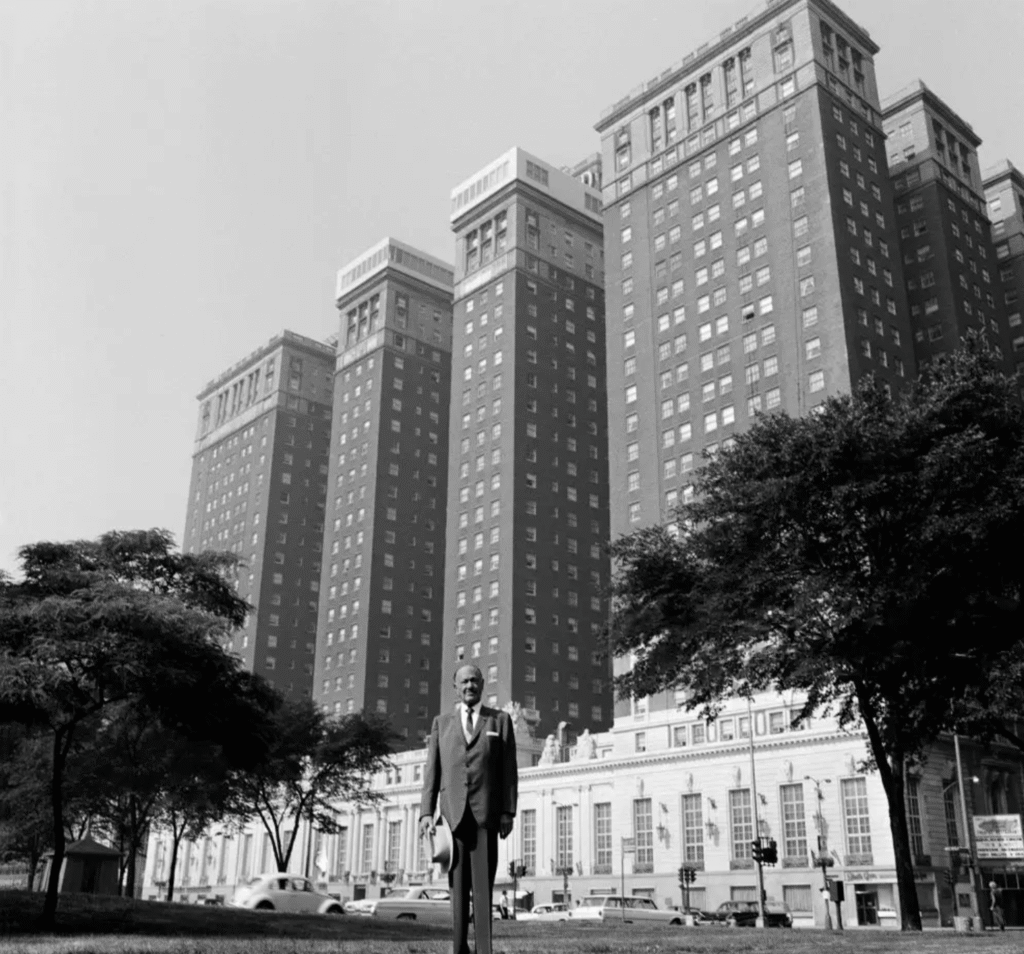
Emerging from the Depression stronger, Hilton expanded into major U.S. cities. In 1943, he acquired the landmark Stevens Hotel in Chicago (the world’s largest at the time) and the luxurious Waldorf Astoria in New York, cementing Hilton’s status as a titan of the industry.
The Global Journey: Building a Worldwide Brand
After World War II, Hilton set his sights overseas, becoming the first hospitality group to operate hotels both in the U.S. and internationally. The opening of the Caribe Hilton in Puerto Rico in 1949 heralded the era of global hotel chains. Soon, Hilton hotels dotted every major capital, from Istanbul to Cairo to London, each featuring signature standards of comfort, security, and service.
Hilton’s “be hospitable” philosophy became a brand promise, reinforced by rigorous employee training, design innovation, and a focus on international expansion during the 1950s and 1960s. Today, Hilton operates in 126 countries, with renowned sub-brands like Waldorf Astoria, Conrad, DoubleTree, Embassy Suites, and Hampton by Hilton, catering to every type of traveler.
The Asset-Light Revolution and Financial Success
In the modern era, Hilton’s business model transformed from asset-heavy (owning hotel buildings) to “asset-light.” Now, the majority of Hilton’s 7,600+ hotels operate under franchise or management agreements. Property owners take on development and ownership risk, while Hilton provides its powerful brand, reservation engines, loyalty programs, and operating expertise for an ongoing fee—typically 5-6% of room revenues, and additional fees for marketing and tech systems.
This strategy dramatically increases Hilton’s ability to scale globally, generating high-margin fees with minimal capital risk. In fact, as of 2024, roughly 91% of Hilton’s revenue comes from franchise and management fees, with only 9% from owned properties. Hilton’s annual revenues reached $10.9 billion in 2024, with adjusted EBITDA (a measure of operating profit) of $3.2 billion. The company continues to growth rapidly, measuring success by “Revenue per Available Room” (RevPAR), which rose by roughly 5% from 2023 to 2024—a testament to Hilton’s pricing power and continued relevance.
Hilton’s market capitalization stands around $60 billion, making it a fixture on the Fortune 500 and a formidable competitor to rivals like Marriott and IHG.
Hilton Honors, Marketing Genius & The Foundation
A major driver of Hilton’s modern resilience is the Hilton Honors loyalty program, now with over 180 million members worldwide. This system ensures customer retention, encourages direct bookings, and provides valuable guest data—enhancing profitability.
Conrad Hilton’s marketing acumen—positioning Hilton as “the world’s innkeeper”—cemented its role as the default name travelers turn to, from business road-warriors to A-list celebrities. Even as the company evolves, the Conrad N. Hilton Foundation continues his legacy of philanthropy, investing billions in community causes and global development.
Lessons from a Dreamer—And His Enduring Hospitality Empire
Even after his passing in 1979, Conrad Hilton’s story remains a model for entrepreneurial resilience and visionary thinking. He once wrote: “Success seems to be connected with action. Successful people keep moving. They make mistakes, but they don’t quit.” Hilton’s journey from a failed banker in Cisco to the builder of an accidental empire underscores how setbacks can spark world-changing opportunities.
Today, the Hilton name stands on hotel skyscrapers from New York to Dubai. Yet, its heartbeat echoes the original Mobley in Texas—a place built on service, adaptability, and the conviction that true hospitality means making every guest feel at home.