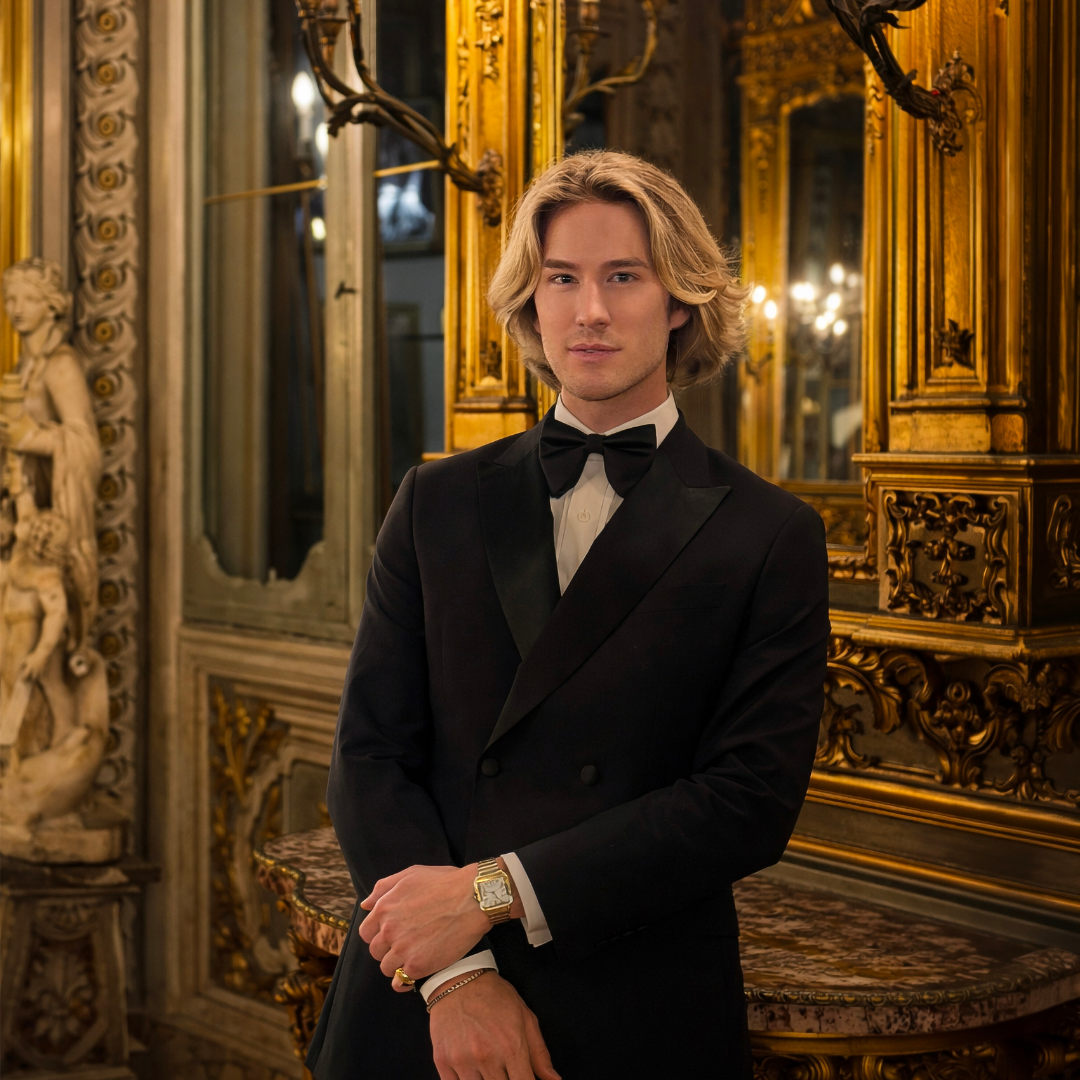
The Capitalyst: Venice, London, Milan – three cities with completely different energies. Which one has shaped your character the most, and which one still challenges you?
Carlo: Venice shaped my sense of heritage and beauty. I grew up between historic estates and family businesses that have existed for generations, from our Wine Estates in the Venetian countryside to our furniture manufacturing company furbishing skyscrapers, offices, cruises, and hotels worldwide. When you grow up in that environment, you understand scale, responsibility and legacy very early on.
Milan refined my aesthetic eye. It’s a city that teaches you discipline in taste, it forces you to understand proportion, detail, and elegance without excess.
London shaped my character the most. I arrived at 18 with very clear ambitions. I had always wanted to live abroad and London was the destination in my mind for years. I chose to study architecture not only because I loved it, but because it connected naturally to our family’s manufacturing business. I had a very structured vision for my future, work in the family companies, combine creativity with entrepreneurship, build something solid.
Ironically, that vision evolved. I ended up founding my own company. But in many ways, architecture never left me. I simply translated it into skincare, design, structure, proportion, materials, aesthetics. London is still the city that challenges me the most because it constantly pushes you to elevate your standards.
The Capitalyst: Fashion weeks, luxury brand ambassadorships, 182K followers – how do you make sure the creator does not overshadow the entrepreneur?
Carlo: I was active in the luxury and fashion world before becoming an entrepreneur. I worked as a content creator and collaborated with luxury brands, attending fashion weeks internationally. In many ways, that was already a form of entrepreneurship by building a personal brand.
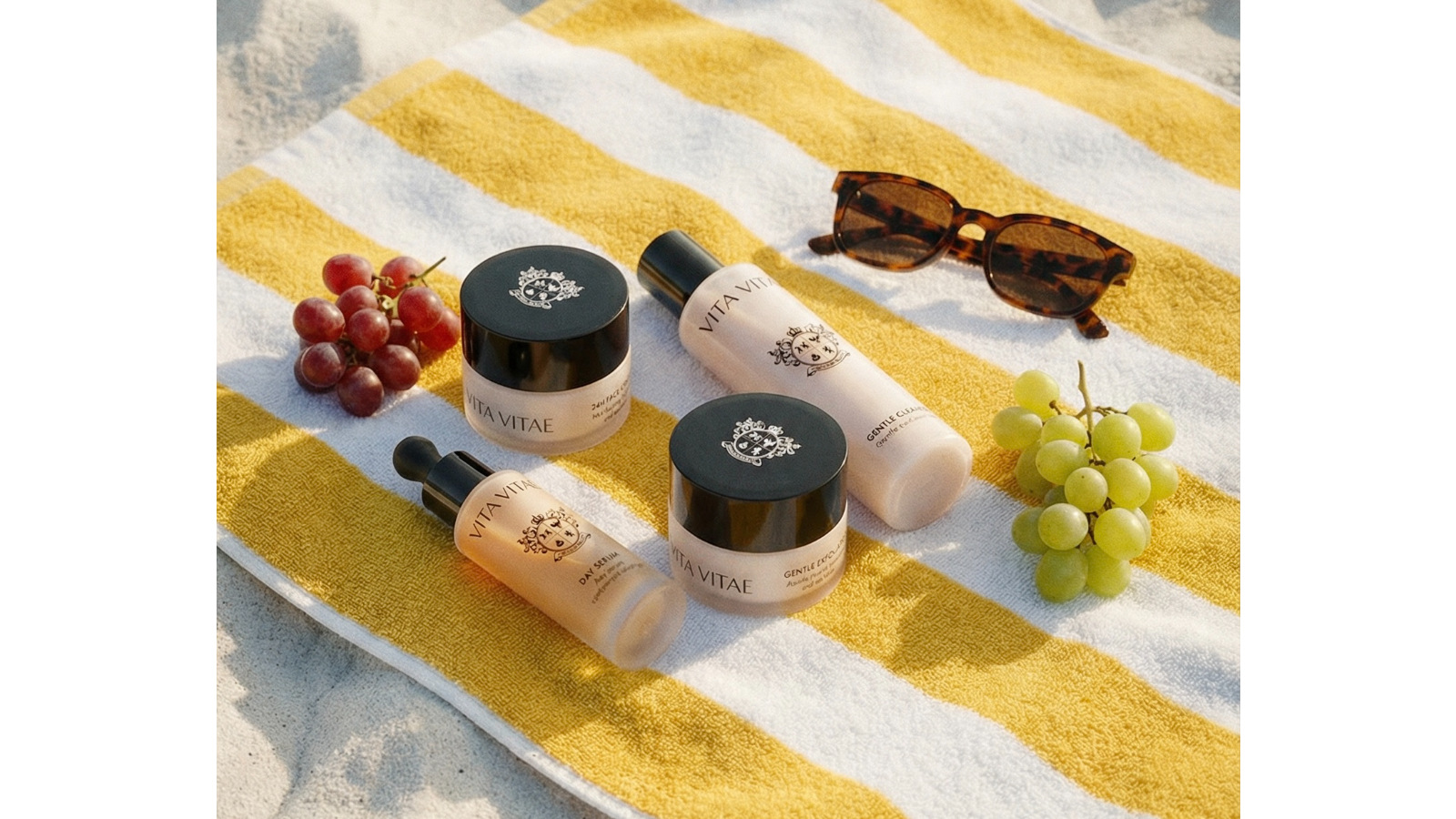
After graduating in Architecture and completing a MA in International Business and Finance, I worked at Deloitte in marketing. That experience grounded me in strategy, structure and financial discipline. Only after that, in 2020, during COVID, my sister Veronica and I launched Vita Vitae Beauty. So the creator never overshadows the entrepreneur because the entrepreneurial mindset was always there. Visibility is a tool we all know it opens doors, creates credibility in certain rooms, and accelerates brand awareness. But behind that, there is product development, patents, regulatory processes and long-term brand strategy.
The Capitalyst: During the 2020 pandemic, you and Veronica turned crisis into opportunity by launching Vita Vitae Beauty. Can you walk us through the “eureka” moment that connected your family’s wine production waste to high-end skincare?
Carlo: At the time, I was working at Deloitte and Veronica had just finished university. We both felt the desire to create something of our own, something connected to our heritage, but independent from the existing family businesses.
Our family owns historic vineyards in the Venetian countryside, where wine production dates back to before the 1600s. We started looking closely at what remains after vinification, the grape skins, seeds and other precious botanical elements that are traditionally left aside once the wine is made. Instead of seeing them as by-products, we saw bioactive potential.
We’ve always been passionate about skincare, as a family we had already invested in the beauty sector before, so the connection felt natural. The question became: how do we elevate these grape-derived compounds to a highgrade cosmetic application?
That’s how the research behind Aurovitina Pro Vitis (APV Complex) began. our patented active derived from grape cells. It allowed us to create something rooted in our history, yet entirely ours. Not the winery. Not the manufacturing company. But a new chapter.
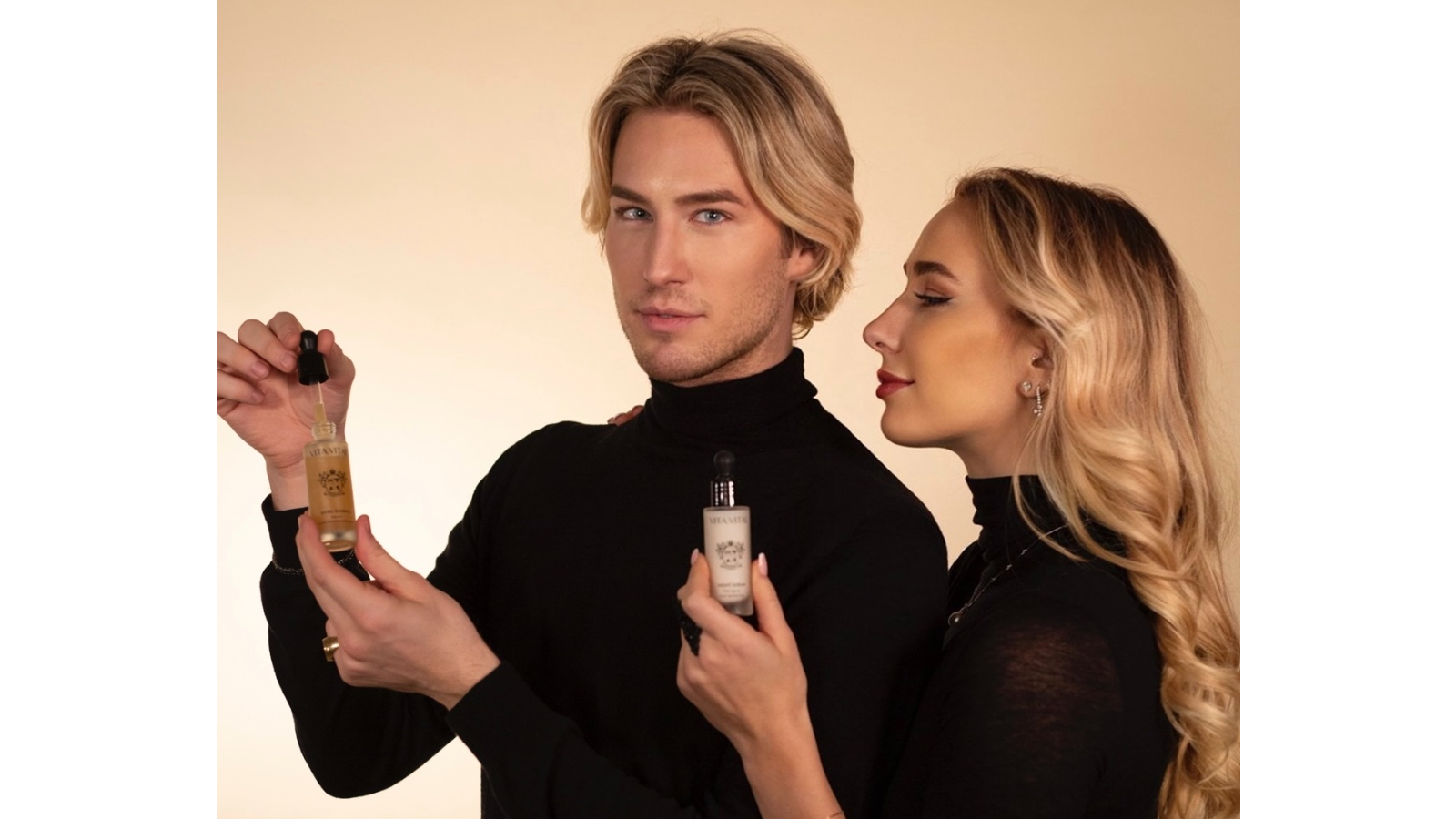
The Capitalyst: Vita Vitae was born from your family’s vineyards and the patented Aurovitina Pro Vitis ingredient. How do you convince a sophisticated skincare consumer that this isn’t just a beautiful story — that the science is real?
Carlo: Consumers absolutely love poetry. They love history, roots, authenticity, and we are fortunate because our story is real. Our vineyards are historic estates, and wine production on our land dates back centuries. That narrative is powerful and meaningful.
But storytelling alone is not enough. We spent two and a half years in research and development before launching our first skincare products. Our formulations are transparent, clinically tested, and developed with serious scientific backing. We focus on patents, not just marketing claims.
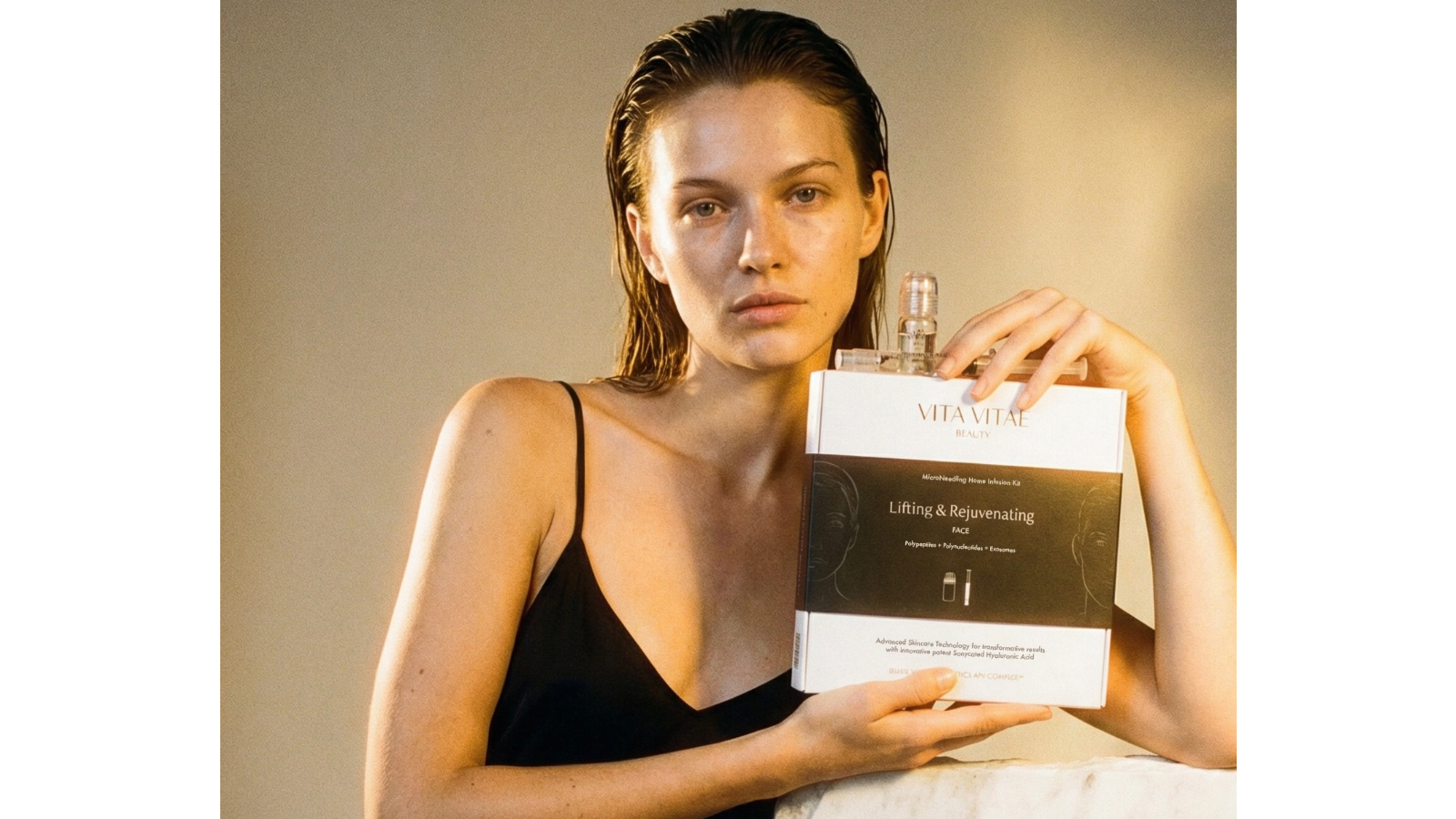
At the end of 2024, we launched our micro-needling device, which has been a real game changer for us. It incorporates patented sonicated hyaluronic acid along with polynucleotides, polypeptides and exosomes, advanced dermo-cosmetic ingredients that deliver measurable results. We are happy to say that we’ve been pioneers for this needling device as we have been the first to combine a booster with exosomes, polynucleotides and polypeptides all in one.
It’s a beautiful product, yes. But more importantly, it works. And sophisticated consumers feel the difference. The poetry draws them in, the efficacy keeps them loyal.
The Capitalyst: You and your sister Veronica built this business together. Co-founding a company with a sibling is either the best or worst idea imaginable — which has it been for you, and how do you navigate the inevitable disagreements?
Carlo: It has been one of the most meaningful experiences of my life.
Of course we have disagreements, that’s normal. We are both strong personalities. But we grew up in an entrepreneurial family with significant responsibilities and established companies around us. From a young age, we observed how decisions are made, how risks are evaluated, how pressure is handled. This background gave us maturity. Things became much smoother once our roles were clearly divided. Don’t get me wrong, it wasn’t easy in the beginning, but when everyone knows their domain and respects the other’s expertise, conflicts become constructive rather than emotional.
At the end of the day, there is trust and shared values. That makes all the difference.
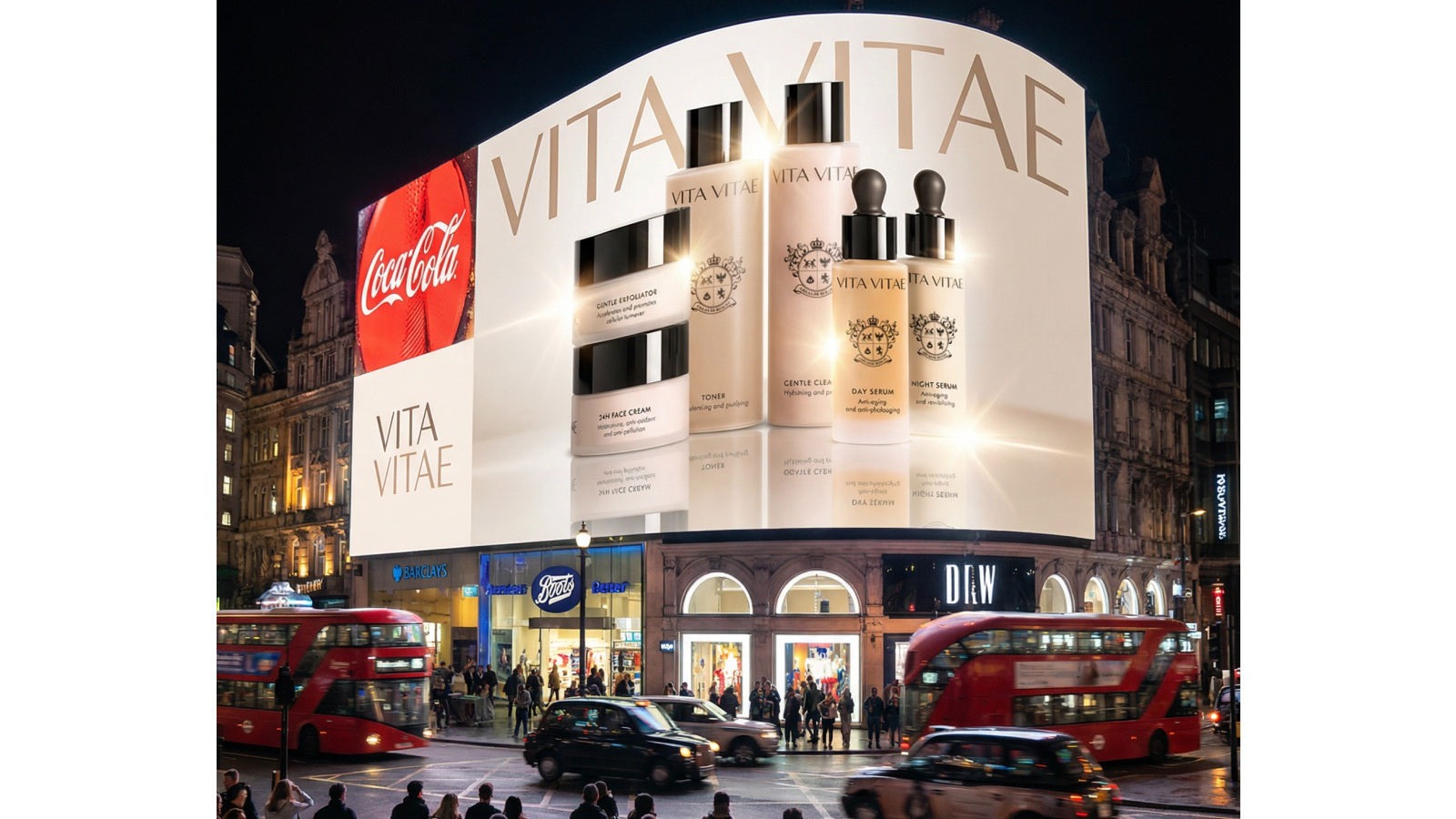
The Capitalyst: Luxury is a word that gets used and abused constantly. What does it actually mean to you when you apply it to a product, a brand, or even a way of living?
Carlo: Luxury is not about price, it’s about intention and depth.
It’s about the care behind a product. The thought behind every detail. The discipline of not cutting corners. The love and conviction that you put into what you create. For our products, it means quality that you can feel and results that justify trust. In life, it’s about freedom, culture, aesthetics and choosing substance over noise. True luxury is never loud. It’s considered.
The Capitalyst: You have spoken about building things that are credible and sustainable over the long term. In an industry driven by trends and virality, what does patience actually cost you?
Carlo: We are conscious of trends, and when they align with our philosophy we embrace them. But we don’t follow everything. We are building a niche brand. That means we would rather take longer to develop one exceptional product than release multiple average ones just to stay visible.
To create a product properly takes us more than a year. Research, testing, refinement, it’s a long process. That means slower launches, slower expansion at times. But it also means depth. We don’t want to be a brand that explodes and disappears. We want to exist long term.
As of now we are developing two new products for the skin and we will soon open the Vita Vitae Home department, which will be Home fragrances, diffusers, hand soaps and creams, still connected to our heritage, Venice, the grapes. So stay tuned.
The Capitalyst: If the 18-year-old Carlo Alberto who arrived in London with a suitcase could see what you are building today — what do you think would surprise him most?
Carlo: He would be proud, that I built something of my own. Like I said before I graduated in Architecture and later did a master in Business and Finance because the original plan was to enter the family businesses, either the manufacturing company or the winery. That was a very clear path.
What would surprise him is that I created something independent, yet still deeply connected to our roots. From the outside, architecture and skincare seem unrelated. But in reality, they share so much: creativity, structure, proportion, design, material knowledge, branding. I design our bottles. I work on the visual identity. I approach formulation almost like architectural composition.
So perhaps he would find it unexpected, but he would understand it. And I think he would recognize the same ambition, just expressed differently.