Introduction
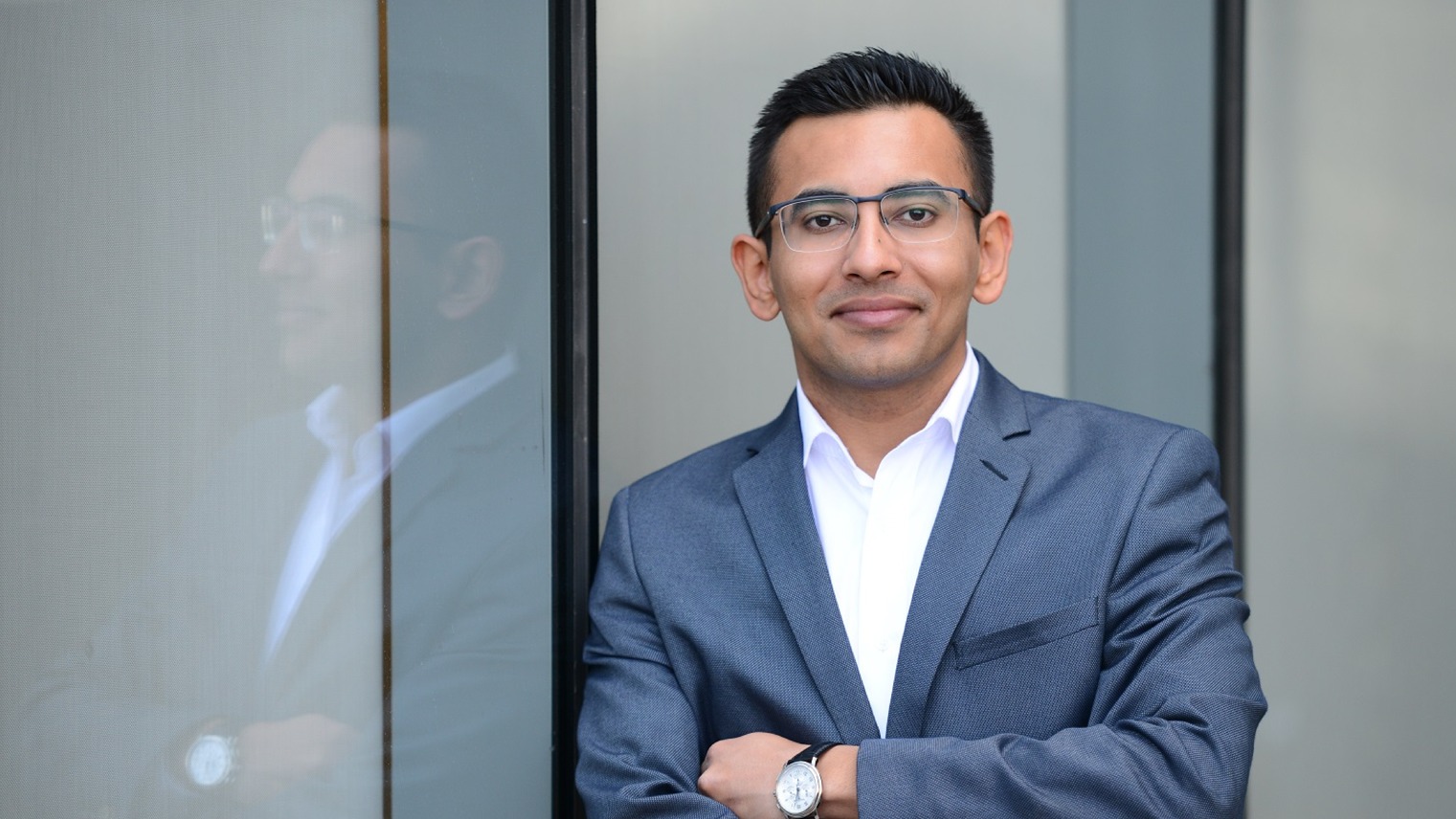
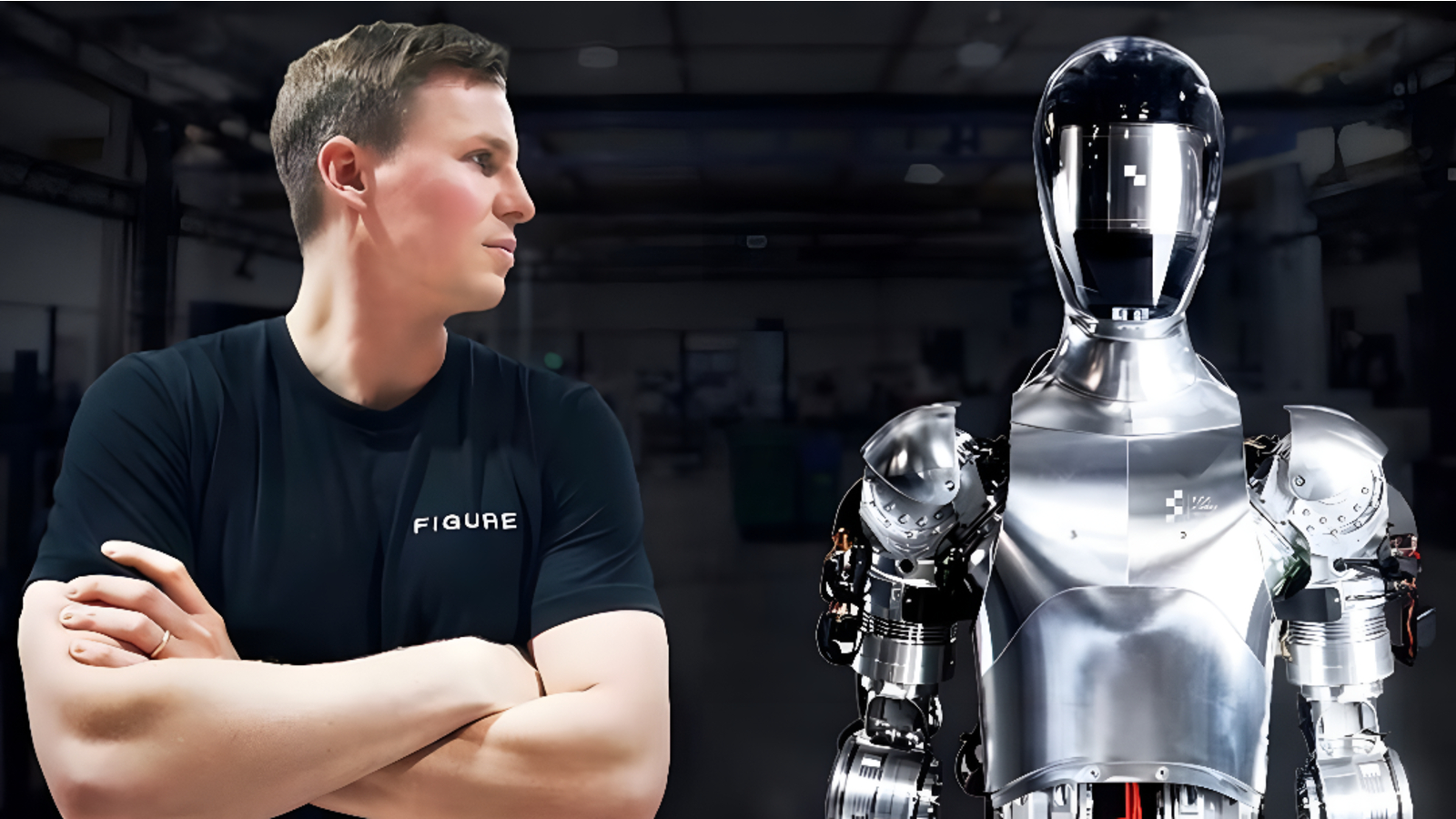
Brett Adcock is a name increasingly associated with innovation, entrepreneurship, and the cutting edge of robotics. His journey from a passionate tech entrepreneur to the visionary founder of Figure AI tells a story of ambition, persistence, and a relentless drive to reimagine how humans interact with machines. More than a mere tech CEO, Brett is leading a transformation that promises to integrate humanoid robots into everyday human lives—helping reshape industries, societies, and even the very fabric of future work.
The Early Years: Fueling a Passion for Technology and Innovation
Brett Adcock’s entrepreneurial spirit became evident early on. Raised in an environment that valued creativity and problem-solving, he pursued studies in computer science and engineering. What set Brett apart was not just technical knowledge, but a bold vision: to use emerging technologies to tackle grand challenges rather than incremental improvements.
Before founding Figure AI, Adcock made his mark with companies like Archer Aviation, a startup focused on electric vertical takeoff and landing aircraft (eVTOL). His work in aviation underscored a consistent theme in his career—the blend of visionary ideas with practical, world-changing applications.
Founding Figure AI: A New Chapter in Robotics
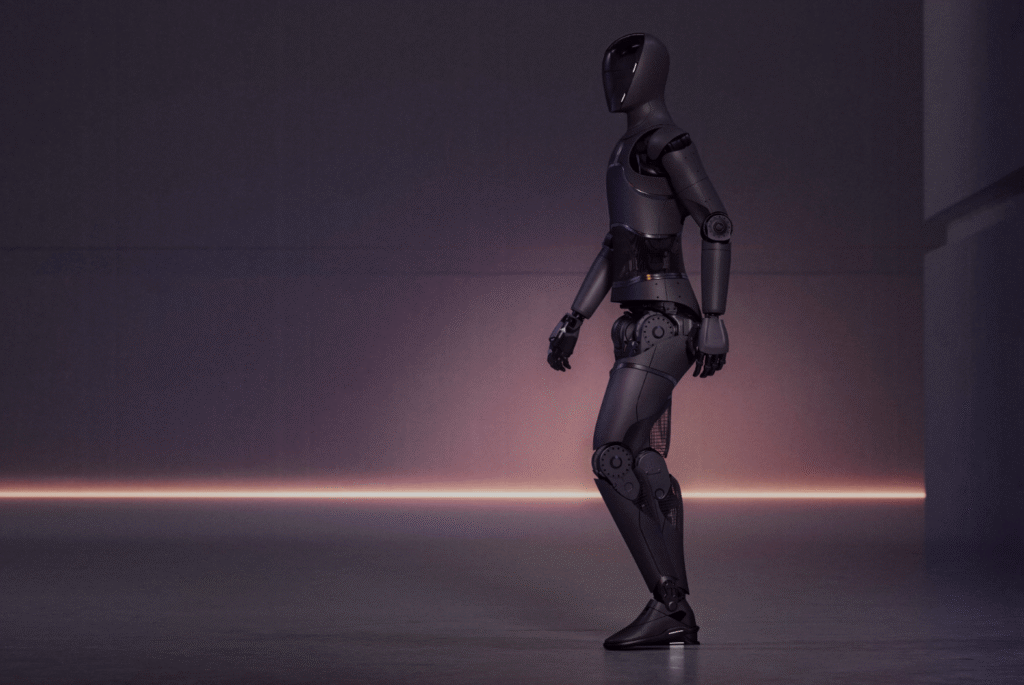
In 2021, Brett Adcock founded Figure AI with a clear mission: to build humanoid robots that can perform tasks traditionally done by humans, reshaping industries and improving quality of life. Unlike many robotics projects that focus on simple automation or isolated tasks, Figure AI aims to create versatile, adaptable robots that navigate complex environments and social interactions.
Powered by advances in artificial intelligence, machine learning, and materials science, Figure AI’s humanoid robots are designed to work alongside humans—undertaking activities in manufacturing, logistics, retail, and healthcare with unprecedented dexterity and decision-making abilities.
Why Figure AI Matters in Today’s World
The global workforce faces unprecedented challenges: labor shortages, aging populations, and increasing demand for service and production. Figure AI’s humanoid robots promise to alleviate many of these pressures by performing physically demanding, repetitive, or hazardous tasks—freeing humans for creative, supervisory, and interpersonal roles.
Moreover, Figure AI emphasizes safety and collaboration. Its robots incorporate sophisticated sensors and algorithms that allow them to understand their surroundings and work cooperatively with people—a key step toward socially acceptable robotics in everyday life.
The Technology Behind Figure AI
Figure AI combines cutting-edge robotics hardware with state-of-the-art AI software. Its robots integrate:
- Advanced Mobility: Robots can walk, navigate stairs, and manipulate objects with human-like agility.
- Sensory Perception: High-resolution cameras, LIDAR, and tactile sensors help robots comprehend complex environments.
- Machine Learning: Constant learning algorithms enable adaptation to new tasks and changing conditions.
- Human-Robot Interaction: Natural language processing and gesture recognition facilitate intuitive communication.
This technological synergy sets Figure AI apart, positioning it as a leader in the nascent but fast-growing humanoid robotics sector.
Brett Adcock’s Vision: Beyond Automation
For Brett, robots are not about replacing humans but augmenting human potential. His vision is inclusive, centered on creating tools that improve safety, efficiency, and wellbeing. In retail, for example, robots can reduce the burden of inventory management and restocking; in healthcare, they can assist caregivers with patient mobility and monitoring.
Brett also envisions a future where robot companions aid socially isolated individuals, support education, and enhance accessibility for people with disabilities.
Challenges and Opportunities
Building humanoid robots involves immense challenges—technical, economic, and ethical. It requires innovations in battery life, durability, real-time decision-making, and human acceptance. Brett openly acknowledges these hurdles but believes that persistent iteration and cross-disciplinary collaboration will accelerate progress faster than many expect.
Figure AI’s early designs and prototypes have already demonstrated leaps in robustness and adaptability. Pilot projects with enterprise partners validate commercial use cases, giving confidence in scalability and market readiness.
Brett Adcock’s Impact on the Entrepreneurial Ecosystem
Beyond Figure AI, Brett is known for inspiring a new wave of entrepreneurs who see technology as a force for transformative change. His blend of technical expertise, business acumen, and mission-driven leadership embodies the spirit of Silicon Valley’s best innovators.
He mentors startups, invests in promising technologies, and speaks widely about the future of work and human-machine collaboration. Through his example, Brett encourages a mindset shift—from fearing disruption to embracing the opportunities that robotics and AI offer humanity.
The Road Ahead: A Robotic Future Anchored in Human Values
The vision Brett Adcock champions is ambitious but grounded in real human needs. With investments pouring in and partnerships forming, Figure AI is well-positioned to be a pivotal player in the robotics revolution.
As robots move from factory floors to streets, homes, and offices, Brett’s leadership will help shape not only what these machines do, but how society integrates them—balancing innovation with employment, ethics, and fairness.
Conclusion
Brett Adcock’s entrepreneurial journey—from aviation pioneer to robotics trailblazer—tells a compelling story of dreaming big and executing boldly. Through Figure AI, he stands at the frontier of a robotic transformation that promises to redefine work, enhance human capabilities, and transform daily living.
As the world watches, Brett’s vision is lighting a path toward a future where humans and robots walk side by side—a future powered by technology, but deeply human at its core.
Written by Manik Katyal